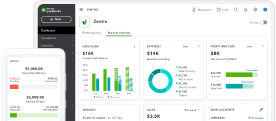

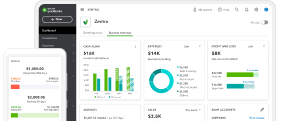

Introducing simple e-invoicing!
Fully LHDN compliant on all
QuickBooks plans.
Introducing simple e-invoicing!
Fully LHDN compliant, integrated
with QuickBooks online Accountant.
FINAL DAYS
70% off
for 3 months
FINAL DAYSStart fresh this new year with QuickBooks Online
DON'T MISS OUT
Buy now and get 70% off for 3 months Claim offer
DON'T MISS OUT
Claim offer
SALE
Buy now and
save up to 50% off today
See plans + pricing
Choose your... Country Language
Image Alt Text
Expenses

Cut Down on Business Expenses: Smart Strategies for Malaysian SMEs

Today’s business landscape can be unpredictable. That means businesses across Malaysia are doing everything they can to implement cost saving exercises. 

To help, we’ve put together some of the most effective ways that businesses can save a few ringgit, paving the way for increased business sustainability and growth.

Understanding business expenses in Malaysia

So, you’re building a successful business in Malaysia, and you’re starting to generate consistent levels of income and revenue. Everything seems to be going well.

But, there are several expenses that are unavoidable and need to be taken into account when evaluating your bottom line. And unfortunately, those expenses are increasing year-on-year.

For example, in 2023, it was found that annual operating costs rose by up to 20%, according to a survey conducted by FMM. Specifically, labor and energy costs were seen to be the biggest headache, with hefty rises across both fronts. And according to UOB, inflation was highlighted as another big issue, with 34% of businesses reporting this to be a major burden.

So with that in mind, what can you do about it? 

Well, it’s essential to understand what you’re up against when it comes to handling business expenses. Businesses of all sizes, across all sectors need to be able to factor these in when planning and forecasting. Without this knowledge and information, there is a risk of overplaying your hand when it comes to expansion. 

Let’s take a look at a couple of issues that all businesses in Malaysia will come up against.

Fixed vs variable costs

When we talk about fixed costs, we’re referring to things such as office rental fees, salaries, and insurance costs. None of these will show fluctuation on a month-by-month basis, so for the purposes of expense consideration, they’re considered fixed in place. 

Variable costs, on the other hand, are those costs that will change more regularly. You have to keep a close eye on these, as any drastic changes can have a big impact on overall expenses. Some notable variable costs include material costs, direct labor fees, and transportation or freight costs.

Overhead costs specific to Malaysia

Malaysia is a great place for setting up a business, however, like all countries, there are certain expenses and overhead costs that are unavoidable. 

A lot of these are related to permits and licensing. Every industry will have specific requirements, but all businesses will need to apply for a Suruhanjaya Syarikat Malaysia (SSM) permit and register with the Inland Revenue Board of Malaysia (IRB). The SSM permit fee does change depending on a number of business-related factors.

Malaysian businesses will also need to factor in a corporate tax rate of around 24%.

Grow Your Business With QuickBooks

Ten effective strategies to cut business expenses

Now that we’ve taken a look at the costs a Malaysian business might expect to come up against, you may be wondering whether it’s possible to reduce your expenses. 

Here are ten actionable cost saving strategies that you can use to cut your expenses and increase your revenue:

Embrace remote work

Many businesses are downsizing their office space due to the rapid increase in excellent remote working platforms being embraced by businesses around the world. And if the majority of your workforce is at home, they won’t be using the utilities in the office, further decreasing costs. 

Automate administrative costs

You know that boring, busy admin work that no one wants to tackle? You can now automate it, saving both time and money for the business. For example, QuickBooks offers comprehensive accounting tools for business finance teams to streamline and simplify their processes. 

Negotiate with local suppliers

Many businesses fall into the trap of sticking with the same suppliers year after year. When in reality, they could save themselves a lot of money by shopping around and checking out other potential partners. And if they’re local, they can save even more money on things like shipping costs and payment terms.

Outsource non-core functions

You don’t have to keep every business operation in house. There are dozens of specialists out there now who will take care of certain functions and tasks, such as accounting and marketing, at very affordable prices. So be sure to investigate whether you can send some of your work their way.

Implement energy-saving measures

As well as evaluating your supply partners and whether there are cheaper options out there, the same can be said for your energy suppliers. Shop around to see if there are any better deals. You can also look into things like your building’s insulation efficiency—it might be costly to upgrade in the short term, but the long-term savings could be huge.

Review and cancel unused subscriptions

It’s all too common to sign up for something with great excitement only to stop using it six months later, and forget you signed up in the first place. Businesses are guilty of this as well. You can carry out a careful audit of your business expenditure to highlight these unused subscriptions and cancel them.

Optimize inventory management

It can be hard to keep track of current stock levels. Mistakes can lead to excess orders, higher holding costs, and wasting money on unused stock. Using an intuitive inventory management software will help you get a firm grip on your stock levels, ensuring an efficient use of your budgets.

Utilize government grants and incentives

Malaysia is very forward-thinking and encouraging towards its SMEs, so take advantage of government grants that have been set up to help your business grow. Grants such as the Market Development Grant (MDG) are a good place to start.

Adopt cloud-based solutions

A lot of businesses, particularly those that have had several managers with their own ideas and best practices, will have various platforms and software for business operations. This can turn into a mess over time. 

Adopting cloud-based solutions, such as cloud accounting, lets your business collate its operations into one place, with only a single monthly cost to worry about.

Encourage employee cost-saving ideas

Your employees know your business, so give them the chance to come up with additional actions that will be of use to your business.

Common mistakes to avoid when cutting costs

We’ve highlighted the importance of cost saving and given you some actionable steps on how to cut costs in a company. The important thing now is to implement these steps carefully and patiently—trying to implement them all at once could be more harmful than helpful. 

For example, opting for a better-value supplier doesn’t mean automatically going for the cheapest, as it’s often the case that the cheapest option is also the lowest quality. You don’t want to pass this compromise on quality onto your customers, because you can be sure that they’ll notice and make their feelings heard.

Additionally, too many changes to long-standing operations and procedures can upset workflows and the motivation of your employees. Many people appreciate routine, so be sure to take things nice and slowly when implementing your cost saving exercises. 

Leveraging technology for expense management with QuickBooks

At QuickBooks, we’ve made it our mission to help businesses through powerful cloud-based solutions and software.

When it comes to business expenditure specifically, our expense tracker is an absolute must-have. With it, you can automate your monthly payments through account linking and categorization. What’s more, you’ll be able to view changes to your monthly expenditure at a glance thanks to our expense reporting tools.

Conclusion: Building a leaner, more resilient business

It’s easy to let your business expenditure get out of hand, particularly if you’re an SME and new to the world of running a business. But with a bit of care of attention, and by following some of the steps that we’ve laid out, you’ll have everything you need to take control of your business expenses and grow your brand. 

Need some support? Try QuickBooks for free today and start making your money go further.
