Stay compliant and simplify
your e-invoicing -
before 1 Jan deadline.
Stay compliant and simplify
your e-invoicing -
before 1 Jan deadline.
FINAL DAYS
70% off
for 3 months
FINAL DAYSStart fresh this new year with QuickBooks Online
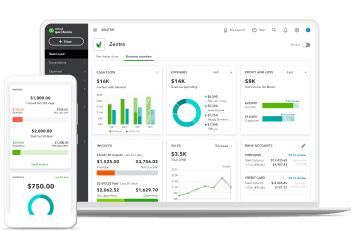
QuickBooks dashboard displayed on a laptop and smartphone
DON'T MISS OUT
Buy now and get 70% off for 3 months Claim offer
DON'T MISS OUT
Claim offer
SALE
Buy now and
save up to 50% off today
See plans + pricing
Choose your... Country Language
Image Alt Text
Running a business

Understanding Business Credit Scores

Understanding your business credit score is key to good financial health and the overall success of your company. It demonstrates your financial position to lenders and suppliers, giving them a good indication of how your business is performing. But there’s a lot more to it than that. 

In this guide, we’ll help you understand what a business credit score is, why it’s important to have a good one, and the different factors that could influence it. We’ll also include some tips and tricks to help improve your score if it’s a little on the low side. 

What is a Business Credit Score?

A business credit score is a rating that gets assigned to your company based on your business credit history. It shows how good you are at repaying your debts and managing your financial obligations. It also provides a good snapshot of your financial status. 

Every business will have its own credit score rating which will indicate to potential creditors, partners, and investors your company’s creditworthiness. Understanding what your credit score is and whether it’s good or bad, is essential to business success. 

Importance of a Good Business Credit Score


A good business credit score number can differ depending on the site you’re using and the credit score model that’s being used. 

For example, QuickBooks goes up to 670, with a good credit score sitting at 580 or higher, but other sites may have a different ranking system. All you really need to know is that whatever the number range might be, higher is always better than lower for your credit rating. 

The reason a good business credit score is important is because it shows investors how financially reliable you are, opening up more opportunities for your company. 

Here’s a quick rundown of some of the key benefits of a good business credit rating: 

  • Favourable payment terms: Lower interest rates and better repayment terms of future loans 
  • Financial flexibility: Better access to wider financing options 
  • Increases trust: Demonstrates reliability and stability to potential investors 
  • Strong financial health: A good business credit score gives you peace of mind over your company’s financial position. 

The question now is, how do you make sure your business always receives a good credit rating?

Factors Influencing Business Credit Scores

There are a number of factors that might influence your company’s credit rating. So, let’s explore some of the key elements credit agencies look out for when calculating this score. 

Payment History

First, they’ll look at your payment history. They’ll check how timely you’ve been with paying back any business loans in the past, or making payments to creditors and suppliers. Any late payments can be detrimental, negatively impacting your score, whereas paying on time will reflect positively, boosting your rating. 

Public Records

Information can also be collected from public records. This includes any legal filings or claims being made against the company, as well as financial statements reflecting your current financial health. 

Any negative records against the business, will present your company as higher risk, ultimately affecting your creditworthiness. 

Reporting by Suppliers

Any feedback from suppliers regarding your payment behaviours will also be taken into account. This will give lenders a valuable insight into how your business is likely to handle repayments from a more subjective perspective. Unfortunately, this can also impact your business' credit profile. 

Steps to Improve Your Business Credit Score

Not happy with your business credit score? There are a number of things you can do to improve it. Let’s take a closer look at some tips and tricks you can try to help ensure better results for your finances in the future.

Regularly Monitor Your Credit Score

First, it’s good to get into the habit of regularly checking your business credit reports so you can identify any issues and fix them quickly. This will allow you to improve your credit score in smaller chunks rather than trying to do everything at once when it’s already too late. 

We’d recommend finding a site that works best for you and setting up alerts if applicable. That way you can stay in the loop about your business credit report. 

Ensure Timely Bill Payments

This one may be easier said than done for some businesses, but it’s essential that you make sure all your financial obligations are paid on time. Submitting before the due date also works in your favour, allowing you to consistently maintain a positive credit history.   

Communicate During Financial Hardships

If you’re really stuck, try reaching out to creditors to negotiate payment arrangements directly and avoid negative reports. This may be easier said than done for some organisations, but it can really help when you’re facing cash flow challenges. We’d suggest keeping up with communication as much as you can. 

Assessing the Creditworthiness of Other Businesses

It’s not just about understanding your own business credit score, but it’s also essential to assess the creditworthiness of other businesses. This will allow you to mitigate any risks when working with clients and partners, helping to avoid issues with late payments and defaults. 

Interpreting Credit Scores

First, you need to know how to interpret different credit scores. As we previously mentioned, agencies will use varying credit score models. Some may use a 0-100 range for their ratings, whereas others may use 0-1000. 

A good rule to go by is that higher is always better. A poor credit score usually sits within the lower quartile of whatever metrics are being used. Most credit agencies use a colour-coded system to indicate different levels of good, moderate, and bad etc. 

Setting Payment Terms Based on Credit Risk

If the company you’re working with has a more moderate or lower credit score, you don’t have to write them off completely. We’d suggest adjusting payment terms based on the risk. 

For example, you may ask for a deposit prior to an agreement, offer shorter payment periods, or higher interest rates. This will enable you to safeguard your cash flow. 
The Role of Credit Scores in Business Financial Health

Business credit scores play a critical role in the financial health and operations of your company. Acting as an indicator of your financial situation, reliability, and ability to repay loans, it’s crucial to your business’ future to have a good credit rating. 

Through proactive management of your finances and consistent assessment, you’ll be able to foster substantial growth and success. 

Struggling to keep track of payments and loans? QuickBooks allows you to manage your business finances with ease, so you never miss a payment and your credit score remains in the green. 

Related Articles