

Stay compliant and simplify
your e-invoicing -
before 1 Jan deadline.
Stay compliant and simplify
your e-invoicing -
before 1 Jan deadline.
FINAL DAYS
70% off
for 3 months
FINAL DAYSStart fresh this new year with QuickBooks Online
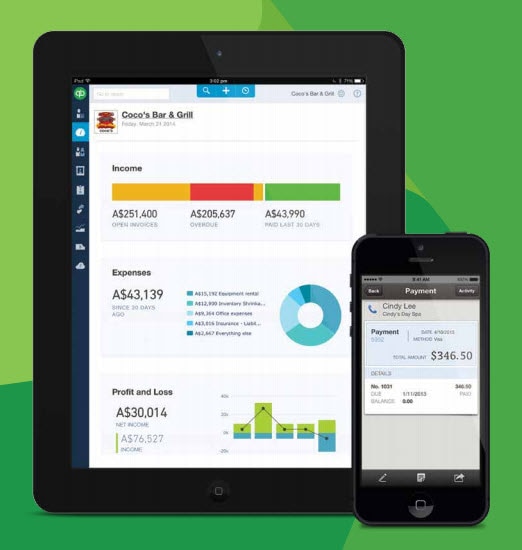
QuickBooks dashboard displayed on a laptop and smartphone
DON'T MISS OUT
Buy now and get 70% off for 3 months Claim offer
DON'T MISS OUT
Claim offer
SALE
Buy now and
save up to 50% off today
See plans + pricing
Choose your... Country Language
A person holding a pen and a paper.
Invoicing

Common Invoicing Mistakes Every Business in Hong Kong Should Avoid

Keeping on top of paperwork can be difficult when running a business. You need to keep precise financial records, but if you’re generating your invoices manually, this can add pressure to your workload. It also presents opportunities for invoicing errors. 


It’s easy for mistakes to creep into your business processes and financial recordkeeping when you’re focused on building strong customer relationships. This can impact various areas of your business, such as your cash flow and reputation.


The good news is that, with some fundamental knowledge and a little bit of support from the right software, these issues are avoidable. We’ve put a list together of the most common invoicing mistakes that businesses in Hong Kong make and how to avoid them. 



1. Not including the correct details on your invoice

A common culprit when invoicing mistakes occur are the details included on the invoice. There are numerous fields that need to be filled in for an invoice to be valid, including: 


  • The word “invoice”
  • A unique invoice number that you can use to locate the invoice
  • The date the invoice was created
  • Your company name and business address
  • Your business Registration Number (BRN)
  • Your Company Registration Number (CRN)
  • The customer’s company name and address
  • A description of goods or services
  • How many of each unit you’ve supplied 
  • The price of each unit
  • The total amount due plus any applicable taxes
  • Payment terms and methods
  • Your Hong Kong Identity Number (HKID) (if you’re a sole proprietor)
  • Your recipient’s HKID (as per the Inland Revenue Ordinance)


Invoicing regulations aren’t necessarily mandatory in Hong Kong. However, it’s good practice to maintain a consistent approach for recordkeeping purposes and maintaining professionalism for your customers. 


Including all of the correct information on your invoices also makes them easier to find. This can be a huge bonus when you need to prove profits tax compliance with the Inland Revenue Ordinance (IRO). 


2. Failing to set clear payment terms


Another common error on invoices is a failure to set clear payment terms. This can lead to confusion and misunderstanding which in turn can cause payment delays. 


Your payment terms’ phrasing can often lead to misinterpretations. For instance, say you’re running a manufacturing company in Tsuen Wan and send an invoice that says “net 15”. Does this mean your customer should pay you within 15 days after the invoice was received or 15 days after they receive the products? 


A simple way to avoid misunderstanding is to put a clear due date on your invoice. Or, write “payment due within 30 days of invoice date”. Either approach will avoid misinterpretation that could lead to delays and disputes. 


You should also make your invoice payment methods clear, and try to include multiple if possible. This makes it more likely you’ll get paid faster.

3. Sending invoices too late or too early

There are no legal requirements for when Hong Kong businesses need to send their invoices. It’s down to your own business policies and your agreement with the buyer. 


The best practice is to send out invoices around 1-2 weeks after the goods have been supplied or your service has been provided. Naturally, there are exceptions to this rule, like giving your client more time to test your products. 


Be wary of sending out invoices too late, though. This can cause your customer to deprioritise payment if you miss their regular payment cycle. In that case, it can take longer for you to receive your money. Sending an invoice in good time also makes you look punctual—a highly valued trait in Hong Kong. 


On the flipside, sending invoices to your customers too soon can cause confusion and may not be appropriate if your buyer hasn’t had the time to evaluate their purchase. This is why 1-2 weeks of leeway is often the best approach. 

4. Overlooking backup and recordkeeping

Admin tasks often fall by the wayside when a business is focusing its efforts on standing out in the competitive Hong Kong market. This can lead to simple recordkeeping mistakes that make it harder to meet compliance.


Businesses in Hong Kong need to keep their records for a minimum of seven years to comply with the IRO. It’s worth taking the time to make sure everything is properly filed and easy to access when you need it. 


Currently, e-invoicing is not mandatory in Hong Kong, but it’s highly encouraged. Aside from speeding up the payment process, it’s much easier to use digital tools to keep all your financial records backed up and securely stored. 


To help with better organisation and compliance with the tax authorities, consider using QuickBooks to automate the invoice process from start to finish. Our platform will also store everything digitally to prepare you for audits, so when it’s time for the IRO to assess your profits, everything will be at your fingertips. 


5. Missing late fees or penalties


A seemingly small, but important mistake is leaving out your late fees or penalties. These serve two purposes — giving your customers a financial incentive to pay the invoice when it’s due, and giving you legal recourse to pursue the debt if you don’t get paid. 


Without clear penalties, there’s too much room for late payments. This can lead to cash flow problems if multiple customers fail to pay. 


Make your late fees clear, and don’t be afraid to send gentle reminders when a customer is approaching the deadline. QuickBooks can help you send out automated reminders to customers so you’re never caught unawares by a missed payment. 

6. Using outdated or unprofessional invoice templates

Credibility is key in Hong Kong. Sending out outdated invoices can impact client trust and damage your reputation. Polished invoices, on the other hand, inspire confidence and help to build long-term client relationships. 


Start with a modern template and then add your branding and colours as a base. You can then save this professional invoice and fill out the required information as needed. Remember to keep the invoice informative but concise for easy readability. 


The important thing is to be consistent and use the same invoice template for every transaction. We have a free invoice template if you need some inspiration to get started. 


7. Hidden charges or fees

Establishing trust is important for long term business success in Hong Kong. Hidden charges can be seen as disrespectful, which can do more harm than good. 


Adding extra fees is often a necessary part of the business process. If you’re providing an additional service to your customers in Sha Tin that you didn’t mention in your original quote, you’ll want to charge them for this so you’re properly compensated for your work. 


Make sure to communicate to all your customers any charges or fees that may be added to an invoice before it reaches them. Doing so makes sure they know what to expect and aren’t caught off guard by a sudden price increase. 


This type of mistake is easy to avoid and when customers can see you’re looking out for their best interests, it can strengthen trust in your business.

How to handle an invoicing mistake: Apologising and correcting the issue

While errors are often hard to avoid, understanding how to apologise will go a long way toward maintaining trust. Here are some steps to keep in mind: 


  1. Acknowledge the error:  Be sincere and direct in your apology. Take full responsibility for the mistake and use professional, respectful language. 
  2. Explain what happened and offer a solution: Provide an explanation of how the error occurred. Then, propose a solution. This could be issuing a corrected invoice or offering a discount on future business. 
  3. Show understanding for inconvenience caused: Acknowledge the inconvenience caused to the client by the mistake and thank them for their patience.
  4. Amend your records: Make sure your records reflect the error and any solution you took to rectify it, like reissuing the invoice or providing a credit note. 
  5. Keep the original invoice: As part of your financial records, you should retain the invoice with the error, annotating it as needed.

How to email a client regarding invoice mistakes


Sending an email to a client in order to apologise for a mistake is a valuable way to approach challenging situations. It will help to repair the relationship and let the client know that you value their business. 


At all times, you should be professional and polite while also being reassuring.

5 best practices to avoid invoicing mistakes


Here are five best practices you should follow to avoid invoicing errors:

Use a standardised template

By using a standardised template, you reduce the chances of errors and ensure that all information fields are included. This provides consistency and professionalism. 

Implement an invoicing system or software

Save time and money by implementing an invoicing system or software solution. It will also reduce the likelihood of human errors while also streamlining your business.


Set clear payment terms in advance

Leave no room for doubt or confusion by setting clear payment terms in advance of sending out invoices. This avoids confusion and payment delays.

Double-check details before sending

Double check all your customers’ invoice information against your records to make sure it’s up to date and accurate. This includes their business details and payment terms.

Keep a backup of all invoices

Having a backup of all your invoices, either in physical or digital format, will keep your records straight. It will also help you access documents quickly should you need them for an IRO audit or tax purposes.


The importance of avoiding invoicing mistakes for business growth in Hong Kong

Avoiding invoice mistakes is critical to building strong client relationships. Getting everything right will also save you time while reducing your stress levels. 


Keeping accurate records can be tough, particularly in a busy and competitive market like Hong Kong. QuickBooks can help if you’d like some extra support.


We can help you automate every aspect of the invoicing process, including sending professional invoices, automating reminders, and maintaining records for compliance—freeing up time for you to do what you do best, growing your brand.


Try our free 30-day trial today to see how we can support your business.


Related Articles