Common Challenges in FP&A and How to Overcome Them
One of the most common FP&A challenges is adapting to market changes and financial risks. Because markets can shift quickly, FP&A processes need to stay responsive to change while keeping plans and forecasts relevant. To do this, businesses can use rolling forecasts and scenario planning – making it possible to pivot quickly when things change.
Another FP&A challenge is dealing with skills gaps and overcoming training challenges. As FP&A becomes more data-driven and tech-enabled, many businesses face skill gaps in their finance teams. Understanding data analytics tools and financial modelling often requires upskilling. To combat this issue, businesses should offer ongoing training and foster cross-functional collaboration to help their finance teams build the skills needed to deliver deeper insights.
Solutions for effective FP&A
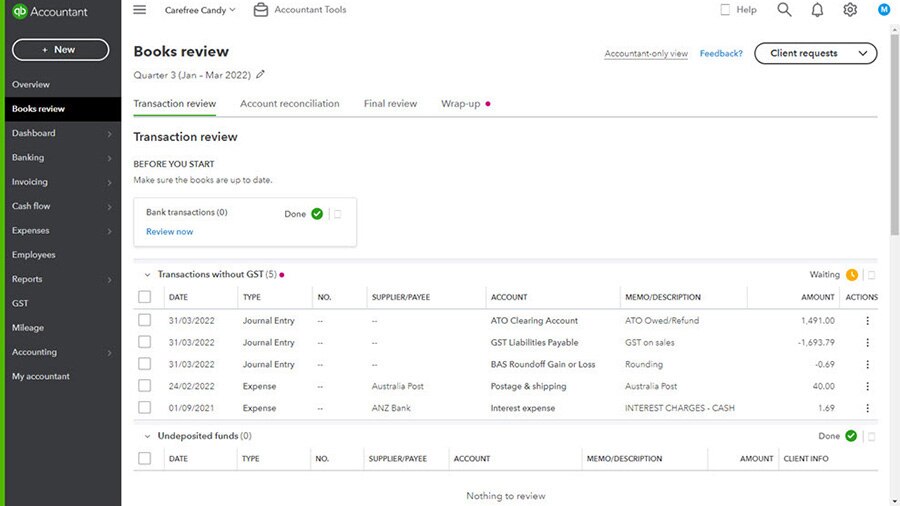
To streamline FP&A, businesses can benefit from using cloud-based tools like QuickBooks Online Advanced. This advanced FP&A software can reduce manual errors, improve data accuracy, and allow real-time collaboration.
Additionally, it’s important for businesses to create clear, consistent processes for FP&A. By standardising how budgets are created and forecasts are updated, teams can make better use of financial data. Documented workflows and regular review cycles can also help keep FP&A activities on track and scalable as the business grows.
How to Implement FP&A in Your Business
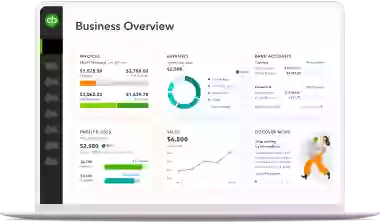
Finding the right FF&A software solution is key to success in this area. With QuickBooks, businesses can access real-time data, generate customisable reports, and track budgets with ease. For more advanced FF&A needs, businesses may also add forecasting tools, data visualisation dashboards, and scenario planning software.
Your organisation will also need to devise a step-by-step process for integrating FP&A into business operations. Start by defining clear financial goals and identifying what data you need to support them. Then, establish standard processes for budgeting, forecasting, and reporting – ideally supported by automation where possible. Next, set up a regular cadence for financial reviews, such as monthly or quarterly planning sessions. Finally, ensure your FP&A insights feed into broader business strategy by aligning finance with operational teams.
Remember, your teams will need to be trained on how to use FP&A effectively. Even the best FP&A tools won’t deliver value without skilled users. Investing in workshops, online tutorials, and cross-functional collaboration can help build confidence and consistency. With the right skills in place, your team can turn numbers into strategies.
Steps to Create an Effective FP&A Strategy
Here’s how your business can create and implement an effective FP&A strategy:
- Define financial goals and objectives: First, you’ll need to establish clear, measurable financial targets that align with your overall business strategy.
- Collect and organise financial data: Next, gather accurate historical data and ensure consistency across all financial records.
- Develop budgeting and forecasting processes: You’ll need to create detailed budgets and implement forecasting techniques to anticipate future performance.
- Implement advanced financial modeling: This will require you to utilise models to simulate various financial scenarios and outcomes.
- Automate and integrate FP&A tools: Leverage technology to streamline processes and improve data accuracy.
- Conduct performance analysis and reporting: To make sure your FP&A processes are working, you should regularly review the financial performance of your business and adjust strategies as needed.
- Facilitate cross-departmental collaboration: To ensure unified decision making, encourage communication between finance and other departments.
- Continuously monitor, evaluate, and adjust: For the best outcomes, keep track of financial metrics and refine FP&A strategies in response to changing conditions.