How to start a side hustle: 8 steps
Whether you’re exploring the best side hustles for your skills or considering online side hustles that can be launched from home, getting started can feel overwhelming. While some ideas require more setup than others, most successful side ventures follow the same practical foundations. The steps below break the process into manageable actions, helping you move from idea to income with confidence.
1. Create a business plan
Before launching any side venture, it’s important to clarify what you’re offering, who it’s for, and how it will generate income.
A simple business plan helps you:
- Define your target market
- Outline expected costs
- Set revenue goals
- Identify potential risks
It doesn’t need to be complicated—even a short, focused plan can give structure to your idea and reduce guesswork. Taking the time to map things out early makes it easier to make informed decisions as you grow.
To get started, explore our free business plan template.
2. Assess your personal skill set
It’s important to take stock of what you already know and what you genuinely enjoy doing. Starting with your existing strengths can reduce learning curves and increase your chances of earning sooner.
Consider:
- Your professional experience and technical skills
- Hobbies or interests others may pay for
- Qualifications, licences or certifications you hold
- Problems you regularly solve for others
Identifying where your skills meet market demand will help you choose a side hustle that’s both realistic and sustainable.
3. Identify the market gap and demand
A strong idea isn’t enough—your side hustle needs real demand. Understanding who your potential customers are and what problem you’re solving will help you avoid investing time in something with limited traction.
To assess demand, consider:
- What gaps exist in your local area or online market
- Common complaints or unmet needs within your industry
- Competitor pricing and service offerings
- Online search trends and social media discussions
Validating demand early increases the likelihood that your side hustle can generate consistent income rather than remain a hobby.
4. Find the solution
Once you’ve identified a clear market need, the next step is defining how your product or service will solve it. A well-defined solution helps you stand out from competitors and communicate your value clearly to customers.
To shape your solution, consider:
- How your offer directly addresses the identified problem
- What makes your approach different or better
- Whether you can deliver it consistently with your available time
- How you will price it competitively while maintaining margins
- A focused solution makes marketing easier and sets a strong foundation for growth.
5. Decide if it’s worth it
Before committing, consider whether a side hustle fits realistically into your schedule and energy levels. Calculate how many hours you can dedicate each month without compromising your primary income, health, or personal life.
Our entrepreneurship study shows that most people with side hustles dedicate between 6 and 20 hours per month to it. While some commit more, starting small is common. Weigh potential earnings against the time required and ask whether the return justifies the effort.
6. Start small and test your idea
You don’t need a large upfront investment to validate your concept. Many of the best side hustles Australia has seen began with small experiments before scaling. Testing your idea early reduces risk and gives you real feedback before committing more time or money.
You could:
- Offer your service to a small group at an introductory rate
- Promote your idea through social media or local community groups
- Use online marketplaces to gauge demand
- Network within existing professional circles for referrals
Starting lean allows you to refine your offer based on real-world response.
7. Set up the basics and manage time
Even the simplest side hustles to make money benefit from a clear system. Setting up the basics early helps you stay organised and avoid stress later—especially if you’re balancing a demanding full-time job or busy home life.
Consider:
- Opening a separate business bank account to keep finances clear
- Tracking income and expenses for tax purposes
- Sending professional invoices and payment links
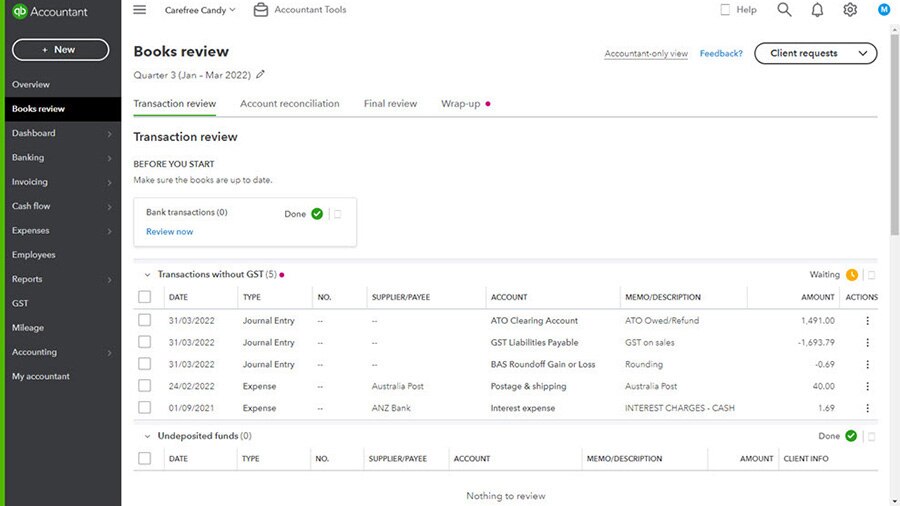
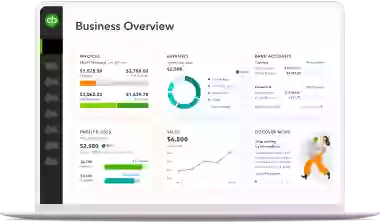
- Using tools like Intuit QuickBooks to automate record-keeping and reporting
Our entrepreneurship study revealed that only 21% of Australian side hustlers have registered their business and 26% have opened a separate bank account, while 27% have set up none of these basics. Putting simple systems in place early can save significant time and effort as your side hustle grows.
8. Price your product properly
Pricing is one of the most important decisions you’ll make, especially if you want your idea to become one of the good side hustles that generates consistent income rather than just extra pocket money. Setting your price too low can quickly erode profit, while pricing too high without clear value can limit demand.
When deciding your pricing, consider:
- Your total costs, including time and overheads
- What competitors charge in your market
- The value your product or service delivers
- Whether introductory pricing is sustainable
Starting with clear margins helps protect profitability from day one.