

Making Tax Digital
Making Tax Digital for Corporation Tax Explained
Simple, smart accounting software - no commitment, cancel anytime


MAKING TAX DIGITAL


Making Tax Digital for Income Tax (MTD for IT) is about making tax returns easier, but choosing the right MTD for IT software inevitably comes with some form of outlay. Understanding the cost of MTD-compatible software is an important step for businesses and self-employed individuals preparing for Making Tax Digital for Income Tax.
In this guide, we’ll look at the cost of Making Tax Digital-compatible software and the factors that can influence pricing.
The cost of MTD-compatible software can vary widely, depending on features, provider, level of customer support, functionality/capacity, and whether it's for MTD for VAT, Income Tax, or both.
Different categories of MTD software mean different price brackets, including free options (often limited), bridging software (cheaper but fewer features) and full MTD-compatible accounting software as a complete solution.
Despite the initial cost, MTD for IT software is an important investment in your business. It ensures compliance with HMRC's MTD for IT rules, offers time savings, reduces the potential for errors, and provides better financial oversight.
Complying with Making Tax Digital for Income Tax rules requires investing in MTD-compatible software. While some solutions might be free, they can come with significant limitations unless you pay for fully fledged options later down the line.
To properly understand what contributes to the cost of Making Tax Digital for Income Tax software, you need to understand the key factors that influence it.
While not an exhaustive list, the following functions and factors are key contributors to pricing differences in MTD-compatible software.
Features and Functionality: Essentially, the more your Making Tax Digital for Income Tax software can do, the more it’s likely to cost. Basic record-keeping software could be cheaper, but lacks the depth of comprehensive accounting software that offers invoicing, payroll, etc.
Provider: Different software vendors offer varying pricing structures, which can have a direct impact on cost. For example, you may pay less for an annual subscription compared to a monthly one.
Support and Training: While a less ‘direct’ cost, the availability and cost of customer support and onboarding should be considered when deciding which option to go for. If you think you might need more assistance from your MTD for IT software provider, look carefully at the level of support offered.
User Capacity: The number of users or businesses the software supports directly correlates to cost. The more users you have, the more you’ll likely pay, so look at an MTD software tool (and price) that matches your business size and scale.
Specific MTD Scheme: Making Tax Digital-compatible software costs can be based on whether it’s for MTD for VAT, MTD for Income Tax, or both. A business or sole trader could feasibly have two different tools for MTD for Income Tax and MTD for VAT.
There are three categories of Making Tax Digital-compatible software, and each category comes with its own typical cost implications.
Some providers offer free Making Tax Digital-compatible software, particularly for those with simple needs, or for lower-qualifying income thresholds. These free MTD for IT software choices are accessible but are often the most limited. They may have restricted transaction volumes or fewer features.
You may also find that free software has support restrictions, no payroll functionality, and could require more input compared to premium, automated options. These limited features and usability could work for some businesses, but others may struggle.
Bridging software is a lower-cost option for Making Tax Digital. It works by connecting (or bridging) existing digital records (such as spreadsheets) to HMRC for MTD submissions. If you’re a fan of your Excel solution, then this could be an excellent choice.
With a bridging software solution, you can keep your current record-keeping methods. This can also reduce implementation times and associated costs. However, bridging software may be less efficient than other automated alternatives.
Comprehensive MTD-compatible accounting software can come with a higher cost, but is more likely to handle additional tasks like digital record keeping, quarterly updates, and annual final declarations. It’s a complete hub that does more than simple reporting.
With QuickBooks, you can pick from various plans with different pricing tiers to suit your budget and needs. Whether you are a sole trader (such as a taxi driver), a landlord, or an SME, we’ve got a plan for you.
Keep digital records, submit quarterly updates to HMRC, and finalise your Income Tax at the end of your accounting period with Intuit QuickBooks.
Explore plans & pricing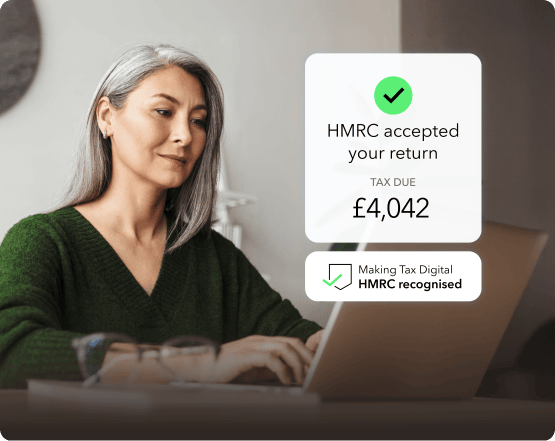
Making Tax Digital for Income Tax software isn’t the only potential cost — there can be other factors you want to consider that might not be as obvious at the outset.
Accountants might choose to adjust their fees to reflect increased workloads associated with quarterly updates and ongoing record-keeping for MTD for Income Tax.
For example, accountants may structure their MTD pricing, using monthly retainers based on service levels such as client-maintained bookkeeping vs. full bookkeeping support. In short: the more work they need to do, the more you might be charged.
There are several one-time costs to consider, such as initial software setup and employee training. Additionally, introducing a system takes time — especially if it’s not user-friendly or suitable for your business type or size. Time is money, and the quicker your team can get to grips with a system, the better.
Some Making Tax Digital-compatible software ‘costs’ are more about investing in your business long-term, rather than direct expense. They might feel less tangible but can be just as impactful.
Compliance with MTD for IT rules: MTD-compatible software is essential for meeting HMRC’s requirements for digital record keeping and submissions, helping you to stay compliant.
Time savings and efficiency: Automation and streamlining processes can save time, helping you spend more of your time and energy on essential operations and activities rather than bookkeeping.
Reduced errors and penalties: Accurate digital records and regular updates can minimise errors, reducing the chance of late filing or incorrect information penalties. Penalty points for late filing of MTD for IT quarterly tax updates in the tax year 2026 to 2027 won’t apply, but in the following tax year, 2027-2028, users will be penalised every time they miss a deadline. Two penalties in 24 months will result in a fine of £200. Late payments will have an interest rate of 7.75% added to the total cost.
Better financial oversight: Regular updates give you the financial oversight you need, providing a clearer view of your business’s finances. That means better financial planning and the potential for improved decision-making.
Choosing the right Making Tax Digital for Income Tax software isn’t just about the cost, but the value it offers relative to your business’s needs and your budget. Here are some key things to consider, so you can find the perfect MTD software fit for your budget:
Look at your specific needs and the complexity of your business. Consider potential growth, time saved, and additional responsibilities that MTD-software could assist with.
Think about the qualifying income thresholds for Making Tax Digital for Income Tax (e.g., over £50,000 from April 2026, over £30,000 from April 2027). If you don’t meet those thresholds, you might not need to make a decision just yet.
Choose HMRC-recognised software that meets MTD rules — this can help with compliance, saving you time and potential stress.
Compare features, pricing models, and support options from various third-party vendors.
QuickBooks is an HMRC-recognised, MTD-compatible accounting software solution that can help with compliance for both MTD for VAT and MTD for Income Tax. Whether you’re a sole trader or an SME, QuickBooks is ideal for Maxing Tax Digital, easy.
The total cost of Making Tax Digital depends on your choice of software, whether you use an accountant's services, and any one-off setup or training fees. You should also consider any hidden costs, time, and efficiency savings. Remember, choose something that suits your business's needs but can also scale as your goals and organisation change over time.
The typical monthly cost of MTD software varies based on the software you choose. Free options exist, although they often come with limitations. Bridging software can be a low-cost option, usually priced between £10 and £20 per month, although that requires more input from you. Full accounting software typically ranges from £15 to £35 per month but can reduce the amount of manual work on your side. QuickBooks starts as low as £1 a month for 6 months, rising to £10 a month.
Yes, you may be able to get free or basic versions of MTD-compatible software, often suitable for smaller businesses with fewer accounting needs or sole traders who are just starting to follow MTD rules. That said, free MTD tools are usually limited in what they can do for you and offer far fewer features than paid alternatives.
Accountant fees vary widely based on the level of service, with monthly retainers ranging from a few times the cost of MTD software to hundreds of pounds per month. This all depends on their costs, their workload, and the complexity of your bookkeeping and other business needs.
The information on this website is provided free of charge and is intended to be helpful to a wide range of businesses. Because of its general nature the information cannot be taken as comprehensive and they do not constitute and should never be used as a substitute for legal, accounting, tax or professional advice. We cannot guarantee that the information applies to the individual circumstances of your business. Despite our best efforts it is possible that some information may be out of date. Any reliance you place on information found on this site or linked to on other websites will be at your own risk.
This information is intended to outline our general product direction, but represents no obligation and should not be relied on in making a purchasing decision. Additional terms, conditions and fees may apply with certain features and functionality. Eligibility criteria may apply. Product offers, features, functionality are subject to change without notice.
Share:
Subscribe to get our latest insights, promotions, and product releases straight to your inbox.
9.00am - 5.30pm Monday - Thursday
9.00am - 4.30pm Friday

