

Making Tax Digital
Making Tax Digital (MTD) for Limited Companies explained
Simple, smart accounting software - no commitment, cancel anytime


MAKING TAX DIGITAL


On the 21 July 2025, HMRC announced in a Transformation Roadmap that it will no longer proceed with Making Tax Digital (MTD) for Corporation Tax (CT). HMRC stated that instead of this, they are “developing an approach to the future administration of CT that is suited to the varying needs of the diverse CT population”.
In this blog, we’ll look at what these MTD for Corporation Tax changes mean for small and medium businesses, why this decision was made, and what businesses should do next.
HMRC announced in July 2025 that it will no longer proceed with Making Tax Digital for Corporation Tax, opting instead to develop a new approach. This means companies may want to consider future-proofing their corporation tax processes.
This decision means businesses do not need to prepare for MTD for CT requirements, such as keeping digital records or filing quarterly updates for Corporation Tax.
While MTD for Corporation Tax no longer applies, businesses must still adhere to existing MTD requirements, such as MTD for VAT, and prepare for MTD for Income Tax if applicable.
Making Tax Digital is an HMRC-led government initiative that aims to move UK taxpayers' records away from paper to a fully digital system. This scheme aims to make the tax administration more efficient and easier for taxpayers by:
Requiring businesses and individuals to keep digital records
Using compatible software to submit tax information
Replacing more traditional and manual processes, such as paper receipts
MTD is being rolled out in phases, targeting different types of tax, such as MTD for VAT-registered businesses (already rolled out) and MTD for income tax (IT).
Following 2015 announcements, Making Tax Digital for Corporation Tax was planned to start in 2020. After multiple revisions, MTD for CT has been shelved as of July 2025. Instead, HMRC is focusing on MTD for VAT and Income Tax.
As Making Tax Digital for Corporation Tax is no longer a requirement, the planned scheme will not impact anybody. However, it would have applied directly to Limited companies or other organisations subject to corporation tax. Handling corporation tax can still be tricky, and some digital solutions might offer benefits.
There are several reasons behind the decision to scrap MTD for CT. MTD for IT was prioritised, and the delays of this gradually pushed MTD for CT down the priority list.
Based on the HMRC transformation roadmap, commentary and industry feedback, there are a few different reasons that this has been scrapped. The ‘one-size-fits-all’ approach to digital reporting could be too rigid across this spectrum, as those who pay corporation tax range from one-person startups to global businesses.
Additionally, it appears that the burden of rolling this out would outweigh the advantages, and alternative compliance methods, such as smarter, targeted tools, would be preferred.
The scrapping of MTD for CT means that there are no upcoming changes to how to file your corporation tax returns. However, businesses must continue to file their CT600 corporation tax return to HMRC. This can be done via an accountant or by the business directly. Although this removes immediate compliance pressure, it’s still necessary to embrace digital tools as other forms of MTD are required.
As of July 2025, HMRC announced that it will not continue with Making Tax Digital for Corporation Tax. This means that your business can continue to operate as it did regarding corporation tax, without any compliance-related issues.
Making Tax Digital for Income Tax and VAT is still going ahead, however, and you must learn how to remain compliant for those initiatives. It’s important to bear in mind that there are penalties for late submission of Income Tax and VAT returns, and further penalties for late payment.
Aside from complying with MTD, there are a wide range of benefits to businesses going digital:
Keep digital records, submit quarterly updates to HMRC, and finalise your Income Tax at the end of your accounting period with Intuit QuickBooks.
Explore plans & pricing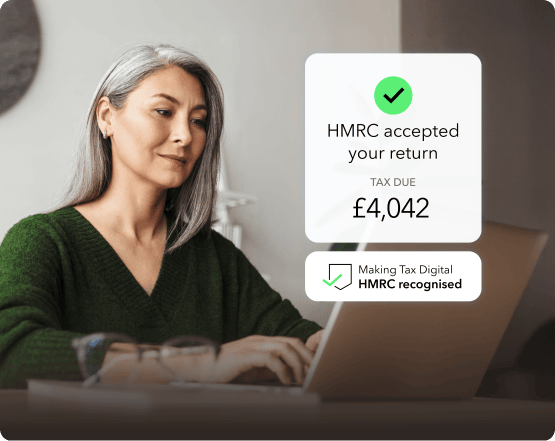
When manually completing tax calculations, there is always the risk of human error. However, accounting software, such as QuickBooks, includes a built-in error checker that flags duplicates, inconsistent data and missing transactions, helping you spot and fix any inaccuracies easily. This can help reduce the risk of human error and can ensure your accounting is much more accurate.
Many accounting software options will have a range of automated features that can save time by removing the need to update accounts manually each month. This allows business owners extra time to focus on other important areas of the business.
One benefit of digital records is that they can be easily accessed on the go. With cloud-based software from QuickBooks, business owners can see the income and outgoings on almost any device. With the option of tracking figures and projections in real time, business owners can easily make decisions when it comes to cash flow. Accountants and other team members can also access data and insights, allowing for better collaboration.
One downside of keeping physical paper records is that they could easily go missing. Digital records take this risk away, providing peace of mind that business owners will never misplace them. QuickBooks’ accounting software will allow you to upload pictures of any receipts and store them in a digital folder, ensuring they won’t be lost. While this isn’t an MTD requirement, it can help when keeping track of business finances.
Overall, going digital means more organised and accurate accounting, more time to spend on other areas of the business, and more immediate insights into a business's financial situation.
While CT filing remains unchanged, now is the ideal time for businesses to continue to move forward with digital processes.
If businesses haven't already, they should review their digital tax records setup. If they feel they’re still relying on manual processes and paper receipts, or their bookkeeping is slow and error-prone, they may want to consider moving towards a digital-first approach. This is especially important for other MTD requirements that are still mandatory, such as MTD for VAT. It's important to stay MTD-compliant and prepare accordingly.
If businesses aren't sure of the MTD obligations or how to stay compliant, they could speak to an accountant to gain further advice and understanding.
While HMRC has scrapped MTD for Corporation Tax, this is not the end of digital tax; it's just a shift in focus. This change should offer short-term relief from the burdens of compliance for small and medium-sized businesses. However, this change shouldn’t result in cancelling their move to digital, especially with MTD for VAT already in place.
Businesses that continue to embrace and build digital tools will stay ahead of any future changes and see a range of benefits.
Take a look at our guide to Making Tax Digital jargon to understand all the new terminologies.
As of July 2025, Making Tax Digital for Corporation Tax will no longer become mandatory for businesses, and the plan has been scrapped. MTD for Income Tax and VAT will still apply; however, these dates depend on the kind of business you are. Learn more about MTD for Income Tax and VAT with QuickBooks.
While you don’t currently need HMRC-recognised software for MTD for Corporation tax, it’s still helpful to look into accounting software to help digitise your tax records. For MTD for VAT and Income Tax, you need HMRC-recognised software that can retain digital records, comply with HMRC regulations, and submit returns to HMRC digitally. While MTD for Corporation Tax has been scrapped, cloud accounting software such as QuickBooks can help with your corporation tax filing needs.
HMRC has confirmed that Making Tax Digital for Corporation Tax will no longer be introduced. Because of this, there is no mandatory requirement for record keeping in line with MTD for Corporation Tax, and companies can continue as before. However, you may need to adhere to other MTD schemes such as MTD for Income Tax and VAT. In general, keeping digital records can help to save time, avoid lost documents, and reduce the risk of errors.
Unlike MTD for VAT or Income Tax, MTD for Corporation Tax isn’t mandatory and its introduction has been scrapped for the foreseeable future. Corporation Tax remains as an annual filing, compared to the quarterly updates of MTD for Income Tax.
The information on this website is provided free of charge and is intended to be helpful to a wide range of businesses. Because of its general nature the information cannot be taken as comprehensive and they do not constitute and should never be used as a substitute for legal, accounting, tax or professional advice. We cannot guarantee that the information applies to the individual circumstances of your business. Despite our best efforts it is possible that some information may be out of date. Any reliance you place on information found on this site or linked to on other websites will be at your own risk.
This information is intended to outline our general product direction, but represents no obligation and should not be relied on in making a purchasing decision. Additional terms, conditions and fees may apply with certain features and functionality. Eligibility criteria may apply. Product offers, features, functionality are subject to change without notice.
Share:
Subscribe to get our latest insights, promotions, and product releases straight to your inbox.
9.00am - 5.30pm Monday - Thursday
9.00am - 4.30pm Friday

