So, you're thinking about taking the leap into entrepreneurship? Before you sprint toward launch day, let's talk about the somewhat unglamorous (but very essential) groundwork that actually keeps a new company afloat. Many new founders get caught up in the excitement and overlook the tactical planning needed to handle the inevitable bumps in the road. You really don't want your business to be just a fleeting passion project. To set yourself up for real, long-term success, you need to build a solid framework. Let's look at three essential steps you should absolutely tackle before you officially open your doors to the world.
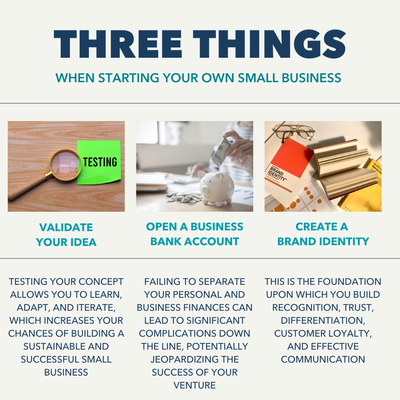
Tip 1: Validate your Idea
In today's competitive landscape, your initial concept needs to be tested before you invest significant time and money. It's not enough to simply have a great idea, you need to validate that idea to ensure it solves a real problem for your target audience. Validation means your product is relevant, needed, and provides real value. You want to ensure that it is not just a passion project. Focus on market research, surveying potential customers, and practical tests related to your product or service. This helps establish your offering's viability and builds a foundation around your business. By consistently gathering feedback, you keep your strategy aligned with the market, drive product improvements, and convert concepts into profitable ventures. Remember that objective testing and adaptability are key to turning your ideas into powerful business models.
Tip 2: Open a business bank account
A great product or service is only half the battle, but opening a dedicated business bank account is what turns a messy startup into a more protected entity. Financial separation is not just about making tax season easier, it's about every financial interaction your business has, from its first expense to major revenue deposits. Strive to be organized, compliant, and professional. This means routing all transactions properly, tracking expenses carefully, and empowering yourself or your accountant to easily manage deductions. When your personal and business funds are separated, your personal assets are protected, and you are far more prepared to secure funding when opportunities arise. Excellent financial hygiene builds trust and credibility, which are invaluable assets that lead directly to business loan approvals and steady growth. In a world of complex tax regulations, your commitment to clean finances is a powerful safeguard.
Tip 3: Create a brand identity
Once you've successfully validated your idea and organized your finances, don't be shy about showing the world who you are. Creating a cohesive brand identity is one of the most effective and powerful ways to establish recognition for your small business. People connect with brands that have a clear mission and visual style far more than they connect with generic, faceless storefronts. Make building your brand a standard part of your launch process, and be strategic about it. The best way to start is by defining your core values immediately after you have solidified your target market. You can do this by designing a memorable logo, choosing a consistent color palette and typography, or simply establishing a distinct voice for all your customer communications. By creating a clear, recognizable visual and verbal identity, you harness the power of emotional appeal to bring in new, loyal customers who are predisposed to resonate with your message.


