Delaware sales tax calculator
Know exactly what to charge at any Delaware address. Find the combined rate, the tax on any amount, and the total. Free for your business, no sign-up.
Know exactly what to charge at any Delaware address. Find the combined rate, the tax on any amount, and the total. Free for your business, no sign-up.
Done checking rates one sale at a time? QuickBooks applies the right Delaware rate on every invoice automatically. See how automated sales tax works
Delaware has no general state sales or use tax, and no local sales tax either. A retailer selling goods or services in Delaware does not collect sales tax from customers at the point of sale. There is also no product-taxability question to answer for clothing, food, software, or any other category. In a sales-tax state, there would be.
What Delaware has instead is a gross receipts tax. That tax is levied on the seller, as the cost of the privilege of doing business in Delaware. It is calculated on the seller's total gross receipts.
The average American side hustle brings in about $2,038 a month, according to Intuit QuickBooks entrepreneurship research. At that size, a Delaware seller's question isn't what rate to charge. It's how the gross receipts tax applies to the business. The seller itself owes that tax to the state, rather than collecting it from customers.
Whether you run a boutique in Wilmington, a restaurant in Rehoboth Beach, or a consulting practice in Newark, here's what Delaware's no-sales-tax rule means for your invoices. You'll also see how the gross receipts tax differs from a sales tax, and what to know at filing time.
There is no Delaware sales tax rate. Delaware has no general state sales or use tax, and no local sales tax. So the answer is the same at every Delaware address: none.
A retailer selling goods or services in Delaware does not collect sales tax from customers at the point of sale. The gross receipts tax does not change that. It is levied on the seller, not collected from the buyer. It is not something to add to an invoice.
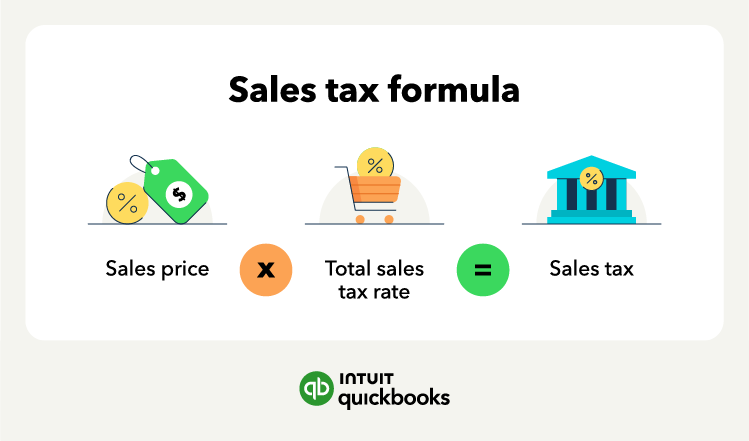
Delaware's gross receipts tax is fundamentally different from a sales tax. The difference is who owes it. The tax is levied on the seller, as the cost of the privilege of doing business in Delaware. It does not create any obligation for the seller to collect anything from the customer.
Because it is not a transactional tax collected from the buyer, it does not function like a sales tax. The Division of Revenue puts it the same way: the tax "is levied on the seller of goods or services, rather than on the consumer."
The tax is calculated on the seller's total gross receipts. There is no deduction for the cost of goods sold, materials, labor, interest, discounts, delivery costs, or other business expenses.
It applies broadly across nearly all business activity. It is administered through separate tax categories by industry. The rate and any monthly exclusion amount vary by the type of business. Retailers, restaurants, and wholesalers, for example, each have their own section of Delaware's merchants' license law. The Division of Revenue publishes a tax tip for each business type that gives that category's rate and exclusion. Most businesses are entitled to an exclusion.
For a seller, that means two things. First, the gross receipts tax is not something to add to an invoice or collect from a customer. It is a cost of doing business that the seller itself owes to the state. Second, it reaches receipts from services as well as goods. The Division of Revenue describes it as paid by "the seller of goods (tangible or otherwise) or the provider of services in the state."
None. A retailer selling goods or services in Delaware does not collect sales tax from customers at the point of sale. That holds whether the customer buys at your counter, orders online, or hires you for a service. So there is no destination or origin rule to apply: Delaware has no sales tax to source.
Two exceptions to keep in mind are collected from the customer the way a sales tax would be. If you lease or rent equipment or other tangible personal property to customers, you generally collect Delaware's 1.9914% lease use tax with each rent payment. See the use tax section below. If you rent hotel, motel, or tourist-home rooms or a short-term rental, you collect Delaware's lodging taxes from the guest. See the exemptions section below.
What does turn on where a sale is delivered is whether its receipts count toward your Delaware gross receipts tax. The Division of Revenue ties that to where the customer picks up or takes delivery. Find your situation:
If you sell goods in person at your location: no sales tax. The sale's receipts do count toward your gross receipts tax. The Division of Revenue says the tax is due "when the retail customer picks up or takes delivery of the product in Delaware, regardless of the ultimate destination." So a customer who carries the goods home to another state does not change that.
If you ship or deliver goods: no sales tax at any Delaware address. For your gross receipts tax, the delivery point matters. Receipts from goods delivered to customers in Delaware count. Goods you ship directly to a customer outside Delaware do not. The Division of Revenue says you "do not have to pay gross receipts tax on goods shipped by you directly to your customer outside of Delaware," as long as you keep documentation of the interstate shipment.
Another state's sales tax may apply to that sale instead, under the destination state's rules. Since the U.S. Supreme Court's 2018 decision in South Dakota v. Wayfair, a state can generally require an out-of-state seller to collect its sales tax. It can do so once the seller's sales into that state pass the state's own threshold, even with no location or people there. So check the destination state's requirements for out-of-state sellers before you treat the sale as tax-free.
If you perform services: no sales tax on the service, whether you perform it at your location or at the customer's. Receipts from services you render in Delaware are generally part of your gross receipts for the tax. The Division of Revenue describes the tax as paid by the provider of services in the state.
If you sell through a marketplace like Amazon or Etsy: no Delaware sales tax on those sales. That is for the same reason there is none on sales through your own website or at your counter.
If you're out of state selling into Delaware: Delaware has no state-level sales tax. So no economic nexus threshold applies for state sales tax purposes. A remote seller has no state-level sales tax collection obligation in Delaware. You should still evaluate other potential Delaware obligations, such as gross receipts taxes, business license taxes, or excise taxes, where they apply.
The Division of Revenue says any person or entity conducting a trade or business in Delaware is required to obtain a Delaware business license. It also offers a nexus questionnaire for a seller unsure whether it has substantial presence in Delaware.
Worked example. You build furniture in Wilmington and sell a $900 table.
In the first two cases, the $900 is part of your gross receipts for Delaware's gross receipts tax. You owe that tax yourself, on your own return, and do not collect it from the customer.
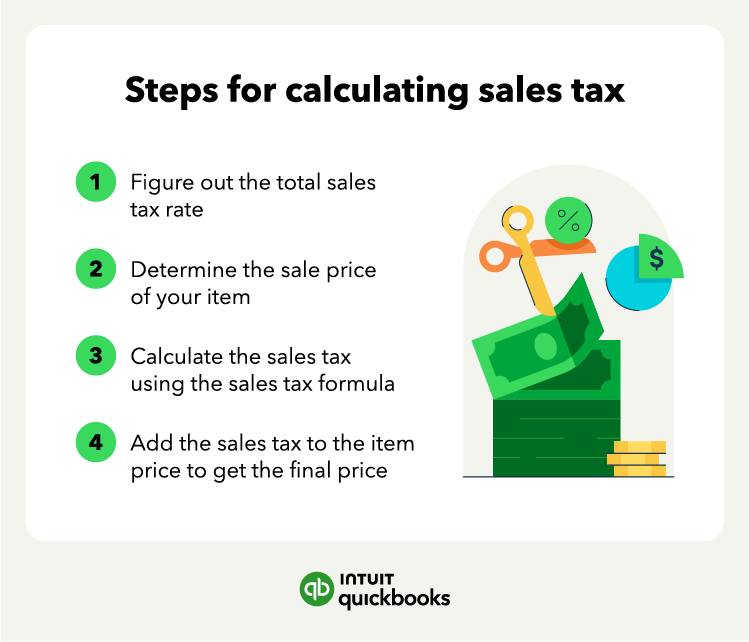
The question doesn't arise. Delaware has no general sales or use tax. So there is no product-taxability question to answer for clothing, food, software, or any other category. In a sales-tax state, there would be. There is nothing to sort into taxable and exempt for Delaware sales tax purposes.
Lodging is the exception that behaves like a sales tax. Under Title 30, Chapters 61 and 62 of the Delaware Code, two state lodging taxes are collected from the guest. The state's 8% public accommodations tax on the rent for hotel, motel, and tourist-home rooms is collected by the operator from the guest when the rent is paid. The state's 4.5% short-term rental lodging tax applies to rental agreements entered into on or after January 1, 2025 for stays of no more than 31 consecutive nights. It is collected from the guest by the booking platform or other accommodations intermediary, or by the owner if no intermediary is used. Both are remitted to the Division of Revenue.
A county lodging tax of up to 3%, or a municipal lodging tax, may be added on top. If you rent rooms or a vacation property, start with the Division of Revenue's tax tips for hotels, motels, and tourist homes and for short-term rentals.
The gross receipts tax has a structure of its own. It has separate categories by industry, and a rate and monthly exclusion that vary by the type of business. But that is a question about your business, not about what a customer is buying. The Division of Revenue's tax tip for your business type is where to check your category.
Delaware has no general state use tax, just as it has no general state sales tax. It has no local use tax either. Say your Delaware business buys a $3,000 commercial espresso machine from an out-of-state vendor that charges no tax. You owe no Delaware use tax on it. The Delaware tax on that purchase is $0, and the total is the price.
The one use tax Delaware does impose is on leases. Under Title 30, Chapter 43 of the Delaware Code, a lessee owes a use tax for the use within Delaware of tangible personal property under a lease. The tax equals 1.9914% of the rent. The statute lists exclusions, among them household furniture, fixtures, and furnishings and certain medical equipment. The statute presumes every rental payment is subject to the tax until the contrary is established.
The lessor collects the tax from you when it collects the rent, as trustee for the State. It remits the tax on quarterly returns. So if your business leases equipment in Delaware, the tax generally comes to you through the lessor, with the rent. On a $500 monthly equipment lease, that is $9.96 of use tax a month. If the tax is not paid to the lessor, the lessee must file a return and pay the tax directly to the Department of Finance. The return and payment are both due within 20 days of the date the tax was due.
If your business is the lessor, renting equipment to Delaware customers, you are the one required to collect the tax with each rent payment. You are also required to file quarterly returns, due October 31, January 31, April 30, and July 31. You generally need a lessor's license from the Division of Revenue.
No. Delaware has no sales tax. So there is no tax from which a holiday could provide temporary relief, and no tax-free weekend to plan around.
There is no Delaware sales tax return, because there is no Delaware sales tax to report. What a Delaware seller files instead is built around the business license and the gross receipts tax:
Get the business license first. Any person or entity conducting a trade or business in Delaware is required to obtain a Delaware business license from the Division of Revenue, at the time business commences. That includes businesses located in Delaware that conduct their business outside the state. Most licenses are good for one year and expire each December 31. The license for the forthcoming year must be renewed by then. Depending on where you are located, your city or county may require its own business license as well.
Gross receipts tax returns are monthly or quarterly. The Division of Revenue sets your filing frequency from your total gross receipts, using a look-back period. All new businesses are automatically set up as quarterly filers. Monthly filers' returns and payments are due on or before the 20th of each month for the preceding month's receipts. Quarterly filers' are due on or before the last day of the first month following the close of the quarter.
Since January 1, 2021, Delaware has required gross receipts tax returns to be filed online, through the Delaware Taxpayer Portal at tax.delaware.gov. The Division details the exceptions in TIM 2020-2.
Fixing a mistake. To amend a gross receipts tax return for a single tax period, you submit the Amended GR Return for your business type. If the correction covers more than one period, or any period outside the current calendar year, the Division of Revenue's Claim for Revision form is used instead.
Tip: if your invoicing or point-of-sale system is applying a sales tax rate to sales delivered in Delaware, the right rate is zero. If a rate error slips through, fix the rate first, then refund what you charged as tax. There is no Delaware sales tax return to amend, and tax you collected as tax is never yours to keep.
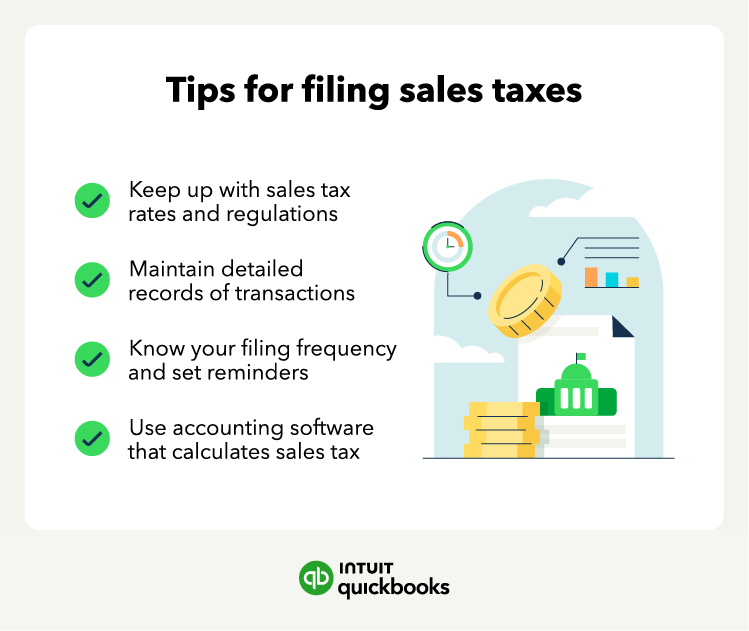
There is nothing to calculate. Delaware has no state or local sales tax, so the pre-tax price is the total. A $1,200 sale in Wilmington, Dover, or anywhere else in Delaware carries $0 in sales tax and totals $1,200. If your invoicing tool is adding sales tax to a sale delivered in Delaware, the rate is set wrong.
No. Delaware has no general state sales or use tax and no local sales tax. So a retailer selling goods or services in Delaware does not collect sales tax from customers at the point of sale. Delaware instead imposes a gross receipts tax, calculated on the seller's total gross receipts. It is a cost of doing business the seller itself owes to the state, not something it collects from the customer.
No. Delaware has no state or local sales tax. So there is no sales tax at any address in Wilmington, Dover, Rehoboth Beach, Newark, or anywhere else in the state. What a business in any of those cities generally owes instead is Delaware's gross receipts tax on its own receipts. Along with it, a business generally owes a Delaware business license and, depending on the city or county, a local business license.
The exception that works like a sales tax is lodging. Hotel, motel, and tourist-home rooms and short-term rentals carry Delaware's state lodging taxes, collected from the guest. A county or municipal lodging tax may be added. See the exemptions section above.
No. Delaware has no state-level sales tax. So no economic nexus threshold applies for state sales tax purposes. Remote sellers have no state-level sales tax collection obligation in Delaware. Sellers should still evaluate other potential obligations, such as gross receipts taxes, business license taxes, or excise taxes, where applicable. The Division of Revenue offers a nexus questionnaire for a seller unsure whether it has substantial presence in Delaware.
No. Delaware has no sales tax. So there is no tax from which a holiday could provide temporary relief, and no tax-free weekend.
Manage sales tax in QuickBooks with automation that helps you save time and stay compliant.
Save time with automated sales tax
Products are automatically matched to tax categories, so you can charge the right sales tax with less manual work. If you sell into states that charge sales tax, returns are automatically prepared and formatted for each state, and you can automate multi-state filing from one place.
Stay confident and compliant
File with confidence using accurate, automated calculations. Tax rates and rules change, and they are updated automatically in QuickBooks, so what you charge keeps up. Get reminders before filing deadlines so you can plan ahead, and know your return status with real-time updates.
Your data stays protected
Securely send returns to tax agencies and track every filing in QuickBooks.
Manage your books and sales tax in one place
Automatically calculate, collect, and track applicable sales tax from your customers. One report breaks out taxable and non-taxable sales, so you always know what to pay each agency. Prepare, file, and pay directly from QuickBooks.
Explore QuickBooks sales tax software to spend less time on tax and more time running your business.
*Sales tax filing is available as an add-on service through QuickBooks Online for $40 per filing.
You've got the rules that apply in Delaware. If you also sell into states that charge sales tax, the harder part is applying their rates correctly on every sale, every quarter. QuickBooks automated sales tax calculates the right combined rate, tracks what you've collected, and shows what you owe when it's time to file.
Call Sales: 1-800-285-4854


