Iowa sales tax calculator
Know exactly what to charge at any Iowa address. Find the combined rate, the tax on any amount, and the total. Free for your business, no sign-up.
Know exactly what to charge at any Iowa address. Find the combined rate, the tax on any amount, and the total. Free for your business, no sign-up.
Done checking rates one sale at a time? QuickBooks applies the right Iowa rate, state and local option included, on every invoice automatically. See how automated sales tax works
Iowa's sales tax math is about as simple as a layered state gets. The state rate is 6%. Cities and counties that impose the local option add exactly 1%. That makes 7% the ceiling, and nobody can exceed it.
The average American side hustle brings in about $2,038 a month, according to Intuit QuickBooks entrepreneurship research. At that size, an Iowa seller is squarely in the system. You need a permit, you charge 6% or 7% depending on where the sale is sourced, and your state return carries the local option on it.
What makes Iowa different isn't the rate. It's how much of what small businesses sell is taxable in the first place. Iowa taxes a long, specific list of services, and the list reads like a directory of Main Street. Whether you run a boutique in Des Moines, repair cars in Davenport, or mow lawns in Cedar Rapids, here's how Iowa's rate works. You'll also see which of your sales it reaches and what to know at filing time.
Iowa's state sales tax rate is 6%. In cities and unincorporated county areas that impose the local option sales tax, the combined rate is 7%. There are exactly two layers:
The local option is always exactly 1%, never more. That makes 7% the ceiling at any Iowa address. There is no separate local permit. Any seller required to collect Iowa sales tax collects the applicable local option too, and reports it on the same state return. A few statutory exclusions apply to the local option, such as fuel on which Iowa fuel tax was paid, and natural gas or electricity sold where a city or county franchise or user fee applies.
Most states tax goods and leave services alone unless specifically named. Iowa names a lot of them. If your service is on Iowa's list, you charge the full combined rate on the whole invoice. That means labor included, not just parts. Taxable services include:
A $400 brake job in a 7% jurisdiction carries $28 of tax on the whole invoice, parts and labor.
Services that are not taxable, because Iowa hasn't named them, include accounting, bookkeeping, legal, engineering, advertising, management consulting, veterinary services, medical and home health services, babysitting and daycare, snow removal, furniture moving, kenneling, pet training, and tattoo services. The list cuts in surprising directions. Credit reports are taxable information services, even though debt collection is not.
The construction carve-out. Services on or connected with new construction, reconstruction, alteration, expansion, or remodeling of a building or other structure are exempt, even when the trade is on the taxable list. So are the services of general building contractors, architects, and engineers in that work. Exempt here means you don't charge tax on the job. On those new-construction and remodeling jobs, the contractor generally pays sales or use tax on the building materials when buying them. Repair to an existing building stays taxable for the listed trades. The same carpenter can have a taxable Tuesday fixing a deck and an exempt Wednesday framing an addition. Bid and invoice those jobs separately. Excavating to begin construction is exempt. Grading with no construction attached is taxable.
What this means for a seller: before you price a service, check the Iowa Department of Revenue's taxable services guidance. Check it in both directions, for services you assumed were exempt and for services you assumed were taxable.
The 1% local option applies to taxable sales sourced to a city or unincorporated county area where it has been imposed. It uses the same sourcing rules as the state tax. For goods, that is the place where your customer takes possession: your counter if they pick up in person, the delivery address if you ship. For services, it is generally the place where your customer first uses the result of the service. For repair-type work, that means wherever they get the item back. If you are required to collect Iowa sales tax, you collect the applicable local option as well. There is no separate local permit, and the local option goes on your state return.
Iowa is a destination-sourced state. Under Iowa Code § 423.15 and the Department of Revenue's sourcing rules, a sale is sourced to the place where your customer receives what they bought. For goods, that is where they take possession. For services, it is generally where they first use, or could first use, the result of the service. Your own location matters only when the customer receives the goods or the service there. Where you did the work and where you shipped from never decide the rate. The local option follows the same rule. It applies when the sale is sourced to a jurisdiction that imposes it, and anyone collecting Iowa sales tax collects it. Find your situation:
If you sell goods in person at your location: the sale is sourced to your business location. That includes a warehouse or second location where the customer picks up. Charge that location's combined rate: 7% if it imposes the local option, 6% if it does not.
If you ship or deliver goods to Iowa customers: the sale is sourced to the delivery address. That holds whether your own truck or a carrier delivers it, and regardless of where you shipped from. Charge the delivery address's combined rate. A delivery into a jurisdiction without the local option gets no local penny, even if your shop is in a 7% city. A delivery into a 7% jurisdiction gets the penny, even if your shop is in a 6% one.
If you repair, alter, clean, or otherwise work on a customer's property: vehicle repair, garment alterations, appliance repair, dry cleaning, pet grooming, and the other taxable services performed on tangible goods are generally sourced to where the customer gets the item back and can first use it. Where you did the work does not decide the rate. If they pick it up at your shop, that is your shop's rate. If you deliver or ship it back to them, that is their address's rate. The Department's own example: a bicycle shop in Ankeny, which has no local option, repairs a bike for a customer in Slater, which does. If the shop delivers the bike to Slater, Slater's local option is due and the sale is 7%. If the customer picks it up in Ankeny, the sale is sourced to Ankeny and is 6%.
If you perform a service at the customer's location: lawn care, landscaping, pest control, janitorial work, and on-site repair are generally received where they are performed. So the sale is sourced to the customer's address. Charge that address's combined rate.
If you provide personal care services: barber and beauty services, tanning, and similar services performed on the customer are sourced to where you perform them. That is your salon, or the customer's home if you travel to them.
If you sell through a marketplace like Amazon or Etsy: a marketplace facilitator with no Iowa physical presence must collect Iowa sales tax and the applicable local option once its Iowa gross revenue reaches $100,000. A seller who sells only through a collecting marketplace generally does not need an Iowa sales and use tax permit or returns for those sales. Your own website checkout, invoices, and in-person sales remain yours to collect and report.
If you're out of state selling into Iowa: you must collect once you have $100,000 or more in gross sales into Iowa in the current or immediately preceding calendar year. There is no transaction-count test. Iowa dropped its old 200-transaction threshold in 2019, so only dollars matter. Marketplace sales count toward your threshold even though the marketplace collects on them. Collection begins on the first day of the next calendar month that starts at least 30 days after you first exceed the threshold. Until you've crossed it, and as long as you have no physical presence in Iowa, you aren't required to collect Iowa tax. Once you have crossed it, the same sourcing rules apply to you. Each shipment is sourced to its Iowa delivery address, and you collect the 6% state rate plus that address's local option. If you have Iowa physical presence, you collect on your direct taxable Iowa sales regardless of revenue. If you sell both directly and through a marketplace, you collect only on the sales the marketplace does not collect for.
Sales with their own sourcing rules. Motor vehicles, watercraft, and aircraft are outside these rules. So are telecommunications services and advertising direct mail. Leases and rentals of equipment follow a modified rule. The first periodic payment is sourced like a sale. Later payments are sourced to the address where the equipment is kept.
Worked example. You build furniture in Des Moines and sell a $900 table.
Same table, same week, a different line on your return. Iowa's return reports the local option by county, so keep the delivery address with every sale.
Iowa follows the Streamlined Sales Tax definitions, which means the lines are precise. The ones that matter most to small sellers:
Groceries: food and food ingredients are exempt. Bread, eggs, milk, meat, produce, and baking supplies leave the store tax free.
Candy, with a flour test: candy is taxable. Iowa defines it as a sweetener-based preparation that contains no flour and needs no refrigeration. A plain chocolate bar is candy. A cookie, or a bar that lists flour as an ingredient, is exempt food. Your point of sale needs to know the difference.
Soft drinks and supplements: both taxable. A soft drink is any nonalcoholic beverage containing sweeteners. That captures sweetened non-carbonated drinks too. Beverages containing milk or milk substitutes, or more than 50% fruit or vegetable juice, stay exempt. A dietary supplement is a product that meets the statutory dietary-ingredient, form, and Supplement Facts labeling requirements.
Prepared food: taxable. That generally means food sold heated, food the seller combined into a ready dish, and food sold with utensils the seller provides, including catering. It does not include:
Bakery items (bread, rolls, bagels, donuts, cakes, pies, cookies) get their own carve-out. When sold by the baker who made them, combining ingredients alone doesn't make them prepared food. They are still taxable if sold heated or with eating utensils the seller provides.
Clothing: taxable year-round. Iowa has no general clothing exemption. Apparel, accessories, and sport and recreational equipment are taxable. Two exceptions: child and adult diapers (cloth or disposable) and feminine hygiene products are exempt year-round. Clothing alterations and garment repair are a taxable service. The annual August sales tax holiday is covered below.
Software and digital products: taxable, whether prewritten or custom, delivered on a disc or downloaded. Software as a service is taxable too, as are digital books, music, video, apps, and games. A business buying prewritten software, SaaS, or digital products for its own exclusive use may qualify for Iowa's commercial-enterprise exemption. The seller should have a properly completed exemption certificate on file before treating the sale as exempt. Whether custom software qualifies is unsettled.
Prescription drugs and medical items: prescription drugs for human use are exempt. Oxygen and insulin are exempt with or without a prescription. Over-the-counter drugs sold without a prescription are generally taxable. Durable medical equipment is exempt when it meets the statutory criteria, including home use and a practitioner's prescription. Prosthetic devices for human use are exempt with or without one.
Selling a mix of taxable and exempt items is where receipts get messy. Track the two buckets separately from the start.
Use tax is the buyer's side of the same tax. It applies to goods and services on which Iowa sales tax was not collected, when the item or service is for use in Iowa. Most often that means purchases from an out-of-state seller that was not required to collect Iowa tax. The rate is 6%, the same as the state sales tax rate.
You become responsible for it when you take ownership or control of the good or service. If you already paid another state's sales or use tax on the purchase, Iowa generally credits it. You owe only the difference if that state's rate was below 6%, and nothing if it was 6% or higher.
For a business, this shows up when you order equipment, supplies, or software from a vendor that didn't charge Iowa tax. Say you buy a $3,000 commercial espresso machine online and the invoice shows no Iowa tax. You owe $180 in Iowa use tax.
There is no local option use tax. The 1% local option is a sales tax layer only. So the use tax you owe on goods and other services is 6%, not 7%. The one narrow exception is a local excise at the local option rate on qualifying use of natural gas and electricity. It shows up on utility bills, not on purchases of goods or other services.
How you report it. If you owe $1,200 or more in use tax a year, you must hold an Iowa sales and use tax permit. You must report those purchases as "taxable purchases" in the use tax section of your regular sales and use tax return. If you don't have a permit, and either don't regularly make purchases subject to use tax or owe less than $1,200 a year, you may report it on the Iowa Non-Permit Use Tax Return. Either way, the Department expects businesses to review their purchases for tax the vendor should have collected. Unreported use tax can bring penalty and interest.
Iowa holds an annual two-day sales tax holiday for clothing and footwear. Qualifying clothing and footwear priced under $100 per item are exempt from 12:01 a.m. on the first Friday in August through midnight the following Saturday. The holiday never includes Sunday.
Accessories, sport and protective gear, and clothing rentals do not qualify. The $100 limit is per item, not per receipt. A $120 coat does not qualify and is taxed in full. Three $40 shirts on one ticket are all exempt.
Iowa's filing system has few moving parts, which makes its two unusual features easy to miss:
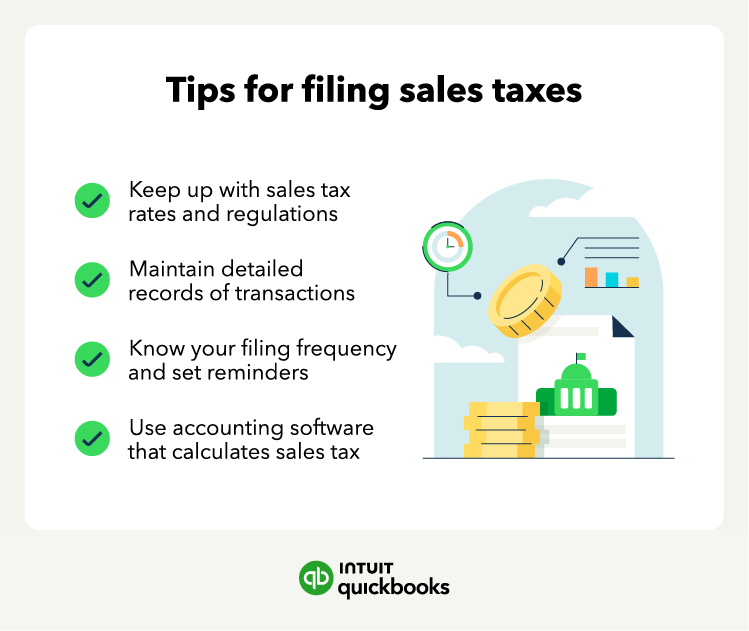
Monthly returns are due the last day of the following month. If you collect $1,200 or more in sales and use tax a year, you file monthly. The return and payment must be made electronically through GovConnectIowa. July's return is due August 31. If you also file in states that use a 20th-of-the-month deadline, don't let Iowa's later date train you to miss the earlier ones.
There is no quarterly filing. Since July 1, 2022, Iowa has two main tiers. Monthly is for $1,200 or more a year. Annual is for less than $1,200, with one return for the calendar year due January 31 of the following year. A seasonal tier exists for sellers who collect $1,200 or more in four or fewer months a year. It is also due the last day of the following month. Hotel and motel, auto rental, and construction equipment taxpayers file monthly regardless of amount.
One return, but it wants the local breakout. There is no separate local permit for the local option. Your Iowa sales and use tax permit covers it. State tax and local option tax go on the same return. Anyone with taxable sales completes the Local Option Sales Tax Schedule, which reports the local option by county, even if no local option tax is due. Keeping the delivery address with each sale turns that schedule into a sort, not a research project.
File every return, including zero returns. The Department of Revenue requires a return filed with zeros when you have no sales or taxable purchases to report. States penalize missing paperwork, not just missing money.
Tip: if a rate error slips through, fix the rate first, then correct the affected returns. Undercollect and the difference comes out of your pocket. Overcollect and you owe refunds. Tax you collected as tax is never yours to keep.
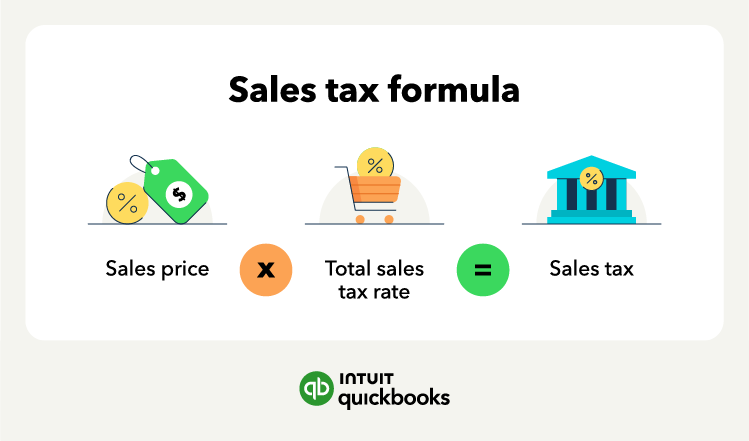
Multiply the pre-tax price by your combined rate: 6% state plus, where it applies, the 1% local option, for 7%. On a $1,200 sale delivered into a 7% jurisdiction, that's $84 in tax and a $1,284 total.
Both, depending on where the sale is sourced. The state rate is 6%. Cities and unincorporated county areas that have imposed the 1% local option sales tax are 7%. The local option is always exactly 1%, so 7% is the ceiling. Goods are sourced to where the customer takes possession: the delivery address if you ship, your location if they pick up. Services are generally sourced to where the customer first uses the result. For repair-type work, that is wherever they get the item back. The Iowa Department of Revenue's local option sales tax guidance is the place to check a specific jurisdiction.
Only if your service is on Iowa's list of taxable services, but that list is long. Vehicle repair, lawn care, barber and beauty services, pet grooming, photography, janitorial work, mini-storage, and software as a service are all on it. Accounting, legal, consulting, veterinary, and medical services are not. Services connected with new construction, reconstruction, alteration, expansion, or remodeling of a building or other structure are exempt, even when the trade is otherwise taxable.
No. Food and food ingredients are exempt. Candy, soft drinks, dietary supplements, and prepared food are taxable. Iowa's candy definition turns on flour. A chocolate bar is taxable candy, while a cookie or a flour-based bar is exempt food.
The first Friday and Saturday in August, every year. Clothing and footwear priced under $100 per item are exempt for those two days. Accessories, sport and protective gear, and clothing rentals don't qualify. The holiday never extends to Sunday.
Manage sales tax in QuickBooks with automation that helps you save time and stay compliant.
Save time with automated sales tax
Products are automatically matched to tax categories, so you can charge the right sales tax with less manual work. Iowa returns are automatically prepared and formatted for the DOR, and if you sell into other states, you can automate multi-state filing from one place.
Stay confident and compliant
File with confidence using accurate, automated calculations. Iowa's local option adoptions change, and tax rates and rules are updated automatically in QuickBooks, so the rate you charge keeps up. Get reminders before DOR deadlines so you can plan ahead, and know your return status with real-time updates.
Your data stays protected
Securely send returns to tax agencies and track every filing in QuickBooks.
Manage your books and sales tax in one place
Automatically calculate, collect, and track applicable sales tax from your customers. One report breaks out taxable and non-taxable sales, so you always know what to pay each agency. Prepare, file, and pay directly from QuickBooks.
Explore QuickBooks sales tax software to spend less time on tax and more time running your business.
*Sales tax filing is available as an add-on service through QuickBooks Online for $40 per filing.
You've got the rates and the rules that apply in Iowa. The harder part is applying them correctly on every sale, every quarter. QuickBooks automated sales tax calculates the right combined rate, tracks what you've collected, and shows what you owe when it's time to file.
Call Sales: 1-800-285-4854


