Kansas sales tax calculator
Know exactly what to charge at any Kansas address. Find the combined rate, the tax on any amount, and the total. Free for your business, no sign-up.
Know exactly what to charge at any Kansas address. Find the combined rate, the tax on any amount, and the total. Free for your business, no sign-up.
Done checking rates one sale at a time? QuickBooks applies the right Kansas rate, state and local included, on every invoice automatically. See how automated sales tax works
Kansas stacks three sales taxes at a single address: a 6.5% state rate, a county rate, and a city rate. Some addresses also carry a special-district rate, covered below. The Kansas Department of Revenue administers all of them on one combined return.
The average American side hustle brings in about $2,038 a month, according to Intuit QuickBooks entrepreneurship research. At that size, a Kansas seller is squarely in the system. You register with the Department of Revenue. You charge a combined rate that depends on where the customer takes delivery. And you file one return that reports state and local tax together, jurisdiction by jurisdiction.
What makes Kansas different isn't the stack. It's the grocery aisle. Since January 1, 2025, Kansas charges no state sales tax on food and food ingredients. But city and county sales tax still applies to them in full. So one address carries two rates, one for groceries and one for everything else. Whether you run a boutique in Overland Park, fix cars in Wichita, or cater events in Topeka, here's how Kansas's rate works. You'll also see which of your sales it reaches and what to know at filing time.
Kansas's state sales tax rate is 6.5%. Counties and cities can add their own sales tax on top of it. So the combined rate depends on the address where the sale is sourced. There are three layers at most addresses:
A countywide tax applies throughout the county, including inside its cities. A city tax applies within the city limits. So an address inside a city that has one can carry all three layers.
Some addresses also sit inside a special taxing district, most often a community improvement district or a transportation development district. That district's tax stacks on top of the three and is reported under its own jurisdiction code. It is up to 2% for a community improvement district and up to 1% for a transportation development district. The Department's list carries those addresses, with their street ranges, separately from the city and county rows.
Kansas publishes its rates with the state and local portions combined. You don't need to separate which portion of the tax you collected belongs to which government. Cities and counties can only adjust their rate within statutory increments. Changes take effect at the start of a calendar quarter. So check the Department's local sales tax rate list when a quarter turns. There is no special local permit. Your registration with the Kansas Department of Revenue covers state and local sales tax. Both go on the same return.
Kansas phased out its state sales tax on food and food ingredients in three steps. The rate dropped from the 6.5% general rate to 4% on January 1, 2023. It fell to 2% on January 1, 2024. It reached 0% on January 1, 2025, where it stays today. City and county sales tax was not part of the phase-out. It continues to apply in full to grocery purchases. So groceries in Kansas are not tax-free, only free of the state's own layer.
The definition of "food and food ingredients" that gets the 0% state rate is broad. It specifically includes candy, bottled water, soft drinks, and dietary supplements. Kansas does not carve these out as still-taxable the way many other states do.
Prepared food is the exception. It stays taxable at the full combined state and local rate unless it meets both of two tests. It is sold without eating utensils provided by the seller, *and* it falls into one of four categories:
Food that meets one of those exceptions gets the 0% food rate rather than the prepared-food rate.
What this looks like at the register: Garden City's combined rate is 9.45% (6.5% state, 1.8% Finney County, 1.15% city). There, $100 of groceries carries $2.95 of tax, all of it local. And $100 of general merchandise carries $9.45. A $100 catering job is a taxable service and carries the full $9.45. The Department's jurisdiction list carries two rates for every city and county. One is for qualified food items and one for everything else. So your point of sale needs both.
Kansas has state, city, and county sales taxes stacked together. But the Department of Revenue administers every local rate on one combined return. There are no home-rule cities that separately administer their own sales tax. Local tax applies whenever state tax is due, if the sale is sourced to a county or city with a local tax. There are a few exceptions. A city or county must follow the taxability rules the state sets. It cannot tax something the state doesn't.
Groceries are where the layers split: subject to local sales tax but not state sales tax. Local tax follows the same destination sourcing rules as the state tax, covered next.
Kansas is a destination-based sourcing state. It participates in the Streamlined Sales Tax Project and follows its sourcing rules. Under K.S.A. 79-3670 and the Department of Revenue's destination-based sourcing rules, a sale is sourced to the place where your customer receives what they bought. The rule applies whether the item is tangible personal property, a digital good, or a service.
For goods, that is where the customer takes possession. For services, it is generally where the customer makes first use of the service. In many situations, that is where the service is performed. Your own location decides the rate when the customer receives the goods or the service there. Local tax follows the same rule. The city and county tax at the place the sale is sourced applies. You collect it along with the state tax. Find your situation:
If you sell goods in person at your location: the sale is sourced to your business location when the customer receives the item there. Charge that location's combined rate. The Department's example: a Hays resident buys a camera from a store in Salina and takes possession of it at the store. The retailer charges Salina's rate.
If you ship or deliver goods to Kansas customers: the sale is sourced to the location where the customer receives the item. That is the delivery address if you deliver it, or the customer's shipping address if you ship it. If the customer has you ship it to someone else as a gift, the recipient's address controls.
If the customer sends their own shipping company to pick up the order, that handoff isn't receipt by the customer. The sale is then sourced to the customer's address in your business records. If your records have no address, the address on the customer's payment instrument is used. Only when none of those apply is the sale sourced to the address you shipped from.
The Department's example: a rural Lincoln County resident buys a couch from a Salina furniture store and has it delivered. The store charges the rate at the buyer's rural Lincoln County address. Merchandise shipped or delivered to a customer outside Kansas is not subject to Kansas sales tax.
If you repair, alter, clean, or otherwise work on a customer's property: Kansas repair shops collect the state and local tax in place where the repaired property is delivered to the customer. That is most often either your shop or the customer's home or business. If the customer picks the item up at your shop, that is your shop's rate. If you deliver it back to them in another jurisdiction, that is the delivery address's rate. That holds even when you picked the item up at their place, repaired it at your shop, and returned it.
Dry cleaners and laundries follow the same logic. The rate is the one where the clean clothing is picked up by or delivered to the customer.
Vehicle repair has its own twist. The customer's first use is deemed to happen when the repaired vehicle is driven on a Kansas street or highway. So when the customer drives away from your shop, or you drive the vehicle back to them, your shop's rate applies. Only a vehicle hauled to the customer without being driven, on a flatbed for instance, takes the delivery location's rate.
The Department's example: a rural Jefferson County resident brings a car to a Topeka mechanic and picks it up at the shop. The mechanic collects Topeka's rate. If the mechanic had done the repairs at the customer's home, the rural Jefferson County rate would apply.
If you perform a service at the customer's location: the sale is generally sourced to where the customer makes first use of the service. For on-site work, that is the place where you perform it.
The Department's examples: an air conditioning repair at a law office is sourced to the law office. A Lawrence roofer's $5,000 repair on a commercial building in Topeka is sourced to the Topeka building. A remodeling contract on a commercial building in Olathe is sourced to the Olathe address. Repair shops that send out service trucks are sourced to wherever the truck does the work. Pest control, HVAC installation, and other taxable work done at the customer's premises generally follow the same rule.
If you sell through a marketplace like Amazon or Etsy: a marketplace facilitator must collect once its taxable sales into Kansas exceed $100,000 in the current or immediately preceding calendar year. That count includes both its own sales and the sales it facilitates for third-party sellers. Once a facilitator is collecting, Kansas looks to the facilitator rather than to its sellers on those sales. The Department audits and assesses the facilitator. A marketplace seller is not assessed tax on sales the facilitator was required to collect, subject to narrow statutory exceptions. Your own website checkout, invoices, and in-person sales remain yours to collect and report.
If you're out of state selling into Kansas: you must register and collect once your gross sales into Kansas reach $100,000 in the current or immediately preceding calendar year. Gross sales means all of your sales to Kansas customers, exempt ones included. There is no transaction-count test, so only dollars matter. Collection starts with the next transaction after the one that takes you to the threshold. Sales you make through a marketplace count toward your own threshold even though the marketplace collects on them. This threshold took effect July 1, 2021. Before that, a 2019 Department notice had required remote sellers to register and collect with no threshold at all.
Until you've reached the threshold, the economic nexus rule alone doesn't require you to collect Kansas tax, provided you have no physical presence in Kansas. A location, inventory, sales or service representatives, deliveries in your own vehicles, or installation or repair work in the state each requires you to register regardless of your sales volume.
Once you have reached the threshold, the same destination rules apply to you. Each shipment is sourced to its Kansas delivery address, and you collect the combined state and local rate at that address. The Department calls the tax an out-of-state seller collects "retailers' compensating use tax" rather than sales tax. It expects you to register for it within 30 days of passing $100,000. But it is the same combined rate at the same address.
Sales with their own sourcing rules. Motor vehicles, trailers, semi-trailers, and aircraft (other than qualifying transportation equipment) are outside these rules. So are watercraft and modular, manufactured, and mobile homes. All of these are sourced to the retailer's business location. Telecommunications services have their own sourcing law. Under it, sales are generally sourced to the customer's billing address. Advertising and promotional direct mail is sourced to the jurisdictions where the mailing is delivered, when the buyer supplies that information. Leases and rentals of equipment follow a modified rule. The first periodic payment is sourced like a sale. Later payments are sourced to the primary location where the property is kept.
Worked example. You build furniture in Garden City and sell a $900 table.
Same table, same week, a different jurisdiction code on your return. Kansas's return reports your sales by the jurisdiction where each sale was sourced. So keep the delivery address with every sale.
Kansas taxes retail sales of tangible personal property plus a specific list of services. So most goods are taxable unless an exemption reaches them. The lines that matter most to small sellers:
Groceries: 0% state rate on food and food ingredients, including candy, bottled water, soft drinks, and dietary supplements. City and county tax applies in full. Prepared food is taxed at the full combined rate, with the exceptions covered above.
Clothing: taxable year-round. Kansas has no clothing exemption. Clothing, clothing accessories, protective clothing and equipment, sports and recreational equipment, and special-order clothing and footwear are all taxable. So is clothing alteration labor. Kansas does not currently hold a general sales tax holiday of any kind.
Software and digital products: prewritten (canned) software is taxable whether it is installed from a disc, downloaded, or delivered by load-and-leave. Kansas's definition of tangible personal property expressly includes prewritten software. So the delivery method does not matter the way it does in many other states. Custom software is treated as a nontaxable service.
Software as a service is not taxable. That's because the subscriber never takes possession of the software. Nothing is delivered to or installed on the subscriber's own computer. There are two limits. First, a client application or connector program you deliver to the subscriber's computer and bill as a separate line item is taxable as prewritten software. Second, charges for leasing a server, or space on a server, that is physically located in Kansas are taxable. So is prewritten software installed on it. Remote access to software or computing capacity generally is not.
Digital products delivered electronically with no tangible medium (movies, music, photographs, newspapers, database subscriptions) are generally not taxed. The same content on a CD or DVD is a taxable tangible sale.
Newspapers, magazines, and printing: taxable, including subscriptions. Unlike many states, Kansas does not exempt newspapers. Printing services are taxable too. The digital edition of the same publication is not taxable. So a print subscription is taxed while a digital-only subscription is not.
Prescription drugs and medical items: prescription drugs dispensed under a written order from a licensed practitioner or mid-level practitioner are exempt. There is one express statutory carve-out: drugs used in the performance or induction of an abortion stay taxable. The same product bought over the counter without a prescription is taxable. That's simply because no exemption reaches an over-the-counter purchase.
Prosthetic devices and mobility enhancing equipment are exempt whenever a licensed physician, chiropractor, optometrist, dentist, or podiatrist prescribes them in writing. The same written-prescription rule exempts oxygen delivery equipment, kidney dialysis equipment, and enteral feeding systems. There is no Medicare or Medicaid payment condition. The exemption applies whether or not the item is for home use.
Delivery charges: not taxed when they are separately stated on the invoice. Since July 1, 2023, a charge clearly denominated as delivery, transmission, or transportation that represents a true or reasonable cost of delivery is excluded from the taxable sales price. It may include shipping, postage, handling, crating, and packing. Fold delivery into the price of the goods instead and it stays in the tax base.
Separate statement is optional, so you choose. But the tax treatment follows the invoice. Delivery of an exempt item is not taxable either way. This is a recent change. Some older Department industry fact sheets still describe freight as taxable without the exclusion. That older guidance should not be relied on.
Selling a mix of taxable and exempt items, or of groceries and general merchandise, is where receipts get messy. Track the buckets separately from the start.
Kansas calls it compensating use tax. It is the buyer's side of the same tax. It applies to goods purchased from other states and used, stored, or consumed in Kansas on which no sales tax was paid. It is also due when the state and local sales tax paid at the time of purchase was less than the Kansas rate. It applies whether the goods are shipped into Kansas or picked up in another state and brought back. It is based on the total cost of the goods, including postage, shipping, handling, or transportation charges.
The state rate is 6.5%, the same as the state sales tax rate. Use tax applies only to tangible personal property. The Department states that labor services are not subject to use tax.
There is a local use tax. Every city and county that imposes a sales tax also imposes a compensating use tax. Its rate is the same as its sales tax rate, and the Department of Revenue administers and collects it. The Department describes the use tax rate as the same rate as the sales tax rate in effect where the customer takes delivery or possession. The net effect: the same combined rate applies to a taxable item in each case. You might buy it locally, have a Kansas retailer deliver it, or have an out-of-state retailer ship it to you.
For a business, this shows up when you order equipment, fixtures, tools, or other taxable non-inventory items from a vendor outside Kansas that doesn't charge Kansas tax. Say your Garden City shop orders $3,000 of display fixtures from an out-of-state vendor and the invoice shows no Kansas tax. You owe consumers' compensating use tax at Garden City's combined 9.45% rate: $283.50. Suppose instead you had picked the fixtures up at the vendor's store in another state and paid that state's sales tax. You would then owe Kansas the difference between what you paid there and the Kansas state and local tax due at your address.
How you report it. Kansas has two kinds of compensating use tax. Retailers' compensating use tax is what registered out-of-state sellers collect from their Kansas customers. Consumers' compensating use tax is what the Kansas buyer pays directly to the Department when the seller didn't collect it.
For a one-time purchase, a business reports and pays on a paper CT-10U Consumers' Use Tax Return. A business that regularly buys materials, supplies, tools, and equipment from out-of-state retailers can register for a consumers' use tax reporting number. It does so on the same CR-16 Business Tax Application used for sales tax. It then files monthly, quarterly, or annually on the same schedule that applies to sales tax. The Department's own warning: many Kansas businesses are not aware of their consumers' use tax obligation until they are audited. The Department calls that a costly oversight.
Kansas taxes retail sales of tangible personal property plus a list of specifically named services. A service that is not on the list is not taxable. Repairing, servicing, altering, and maintaining tangible personal property is one of the listed categories. So repair labor is taxable whether or not it is separately stated on the invoice. Kansas does not offer the separately-stated-labor escape that many other states allow.
Parts and materials are taxable as well, including parts supplied under a maintenance agreement. And a repair to equipment stays taxable even when the equipment has been fastened to or built into real property. That is what separates a taxable equipment repair from nontaxable work on the building itself.
A $400 repair job in Garden City carries $37.80 of tax at 9.45%, on the whole invoice, parts and labor.
Other services on the list: dry cleaning, linen services, and laundry (other than coin-operated machines); pest control; photography; HVAC installation and repair; garment alteration and repair; engraving; fabrication; sign painting and lettering; catering; pet grooming; and applying a fabric treatment or waxing a floor, since applying a substance to an item counts as servicing it. Charges for modifying, altering, updating, or maintaining prewritten software are taxable in their own right. Computer hardware maintenance agreements are taxable whether optional or required.
Services that are not taxable, because Kansas hasn't named them, include building maintenance and janitorial work (trash removal, cleaning, washing windows, walls, and floors, vacuuming); lawn care, snow removal, tree care and trimming, window cleaning, pool cleaning, and water conditioning and softening; fishing and hunting guide services; self-storage rental; and most professional and business services, including accounting, legal, engineering, bookkeeping, consulting, interior design, employment and staffing, advertising and public relations, and veterinary services. One catch on advertising: if finished ad materials or printed collateral are transferred to the client, that transfer is taxable. It is a retail sale of tangible personal property in its own right.
The construction split. Labor on a residence is not taxable whether the work is original construction, reconstruction, restoration, remodeling, renovation, repair, or replacement. A residential remodel, a residential repair job, and a new-home build all escape tax alike, provided the work is on the residence itself. Repairing an appliance or other equipment in the home stays taxable, as the boundary at the end of this section explains. For nonresidential property, only the first or initial construction of the building is exempt. Remodeling, renovation, and repair of an existing commercial building are expressly taxable.
Regardless of property type, labor is also not taxed on:
A "residence" for this purpose means only those enclosures within which individuals customarily live. The boundary with repair work matters. An exempt residential job does not sweep in a taxable equipment repair performed at the same site. Sales of both machinery and materials to contractors are taxable.
Kansas's filing system has a few fixed points worth knowing:
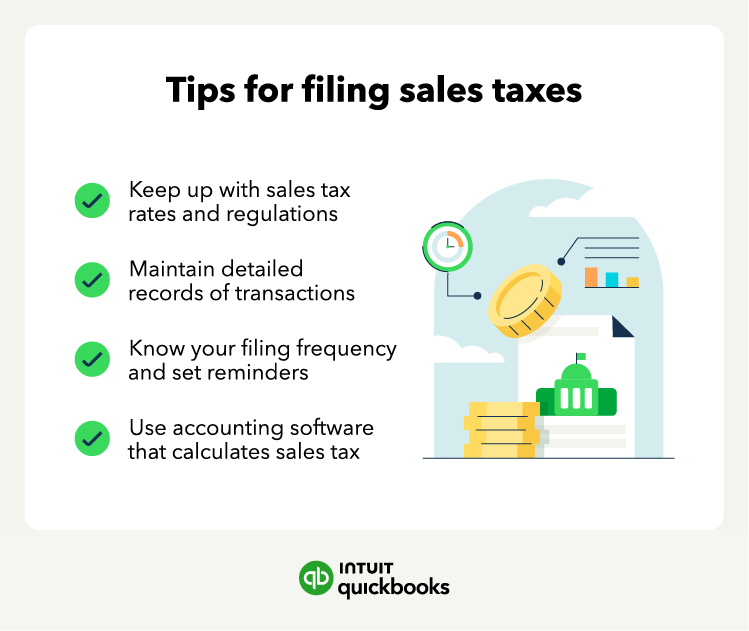
Returns are due on the 25th. Your filing frequency is set by your annual sales tax liability:
A seasonal business files monthly during the months it operates. Your first year's frequency is based on the estimated liability you reported on your business tax application. The Department reviews filing histories late each year and changes frequencies effective January 1. Notices go out in November.
Everything is electronic. Since July 1, 2010, Kansas law has required retailers' sales, compensating use, and withholding tax returns to be filed electronically. Most businesses file through the KDOR Customer Service Center. Electronic payments must settle on or before the due date.
One return, by jurisdiction. Kansas combines the state and local rates, so all the sales tax you collect goes on one return, the ST-36. The return breaks your gross sales out by the jurisdiction where each sale was sourced. It uses the jurisdiction codes from the Department's list. The Department's own example is a Lawrence furniture store whose July sales were picked up in Lawrence, delivered within Lawrence, delivered elsewhere in Douglas County, and delivered in Eudora. Each jurisdiction gets its own line on the same return.
File every return, including zero returns. You must file an electronic return for each reporting period. That holds even if you made no sales or taxable purchases during it. Failure to file brings a notice from the Department, and more time and effort on your side.
Fix mistakes with an amended return. If you discover an error on a return, you correct it by filing an amended return for the affected period. You generally have three years from the date you filed the original. Tip: if a rate error slips through, fix the rate first, then correct the affected returns. Undercollect and the difference comes out of your pocket. Overcollect and you owe refunds. Tax you collected as tax is never yours to keep.
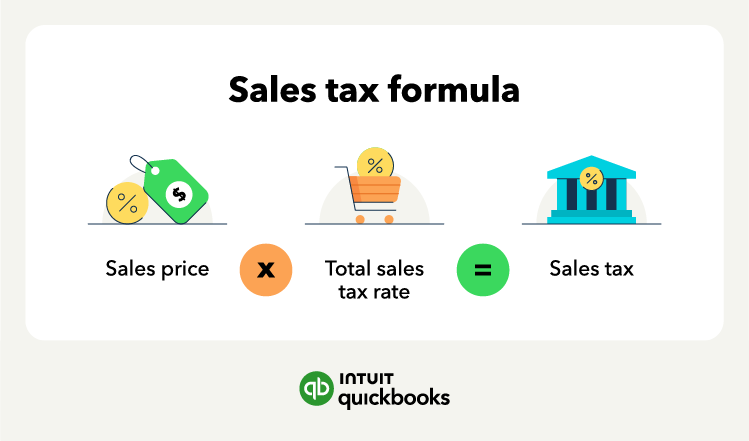
Multiply the pre-tax price by the combined rate where the sale is sourced. That is 6.5% state plus the county and city rates at that address. In Garden City, the combined rate is 9.45%. A $1,200 sale there carries $113.40 in tax and a $1,313.40 total.
Not by the state. Since January 1, 2025, the state sales tax rate on food and food ingredients is 0%. The definition includes candy, bottled water, soft drinks, and dietary supplements. City and county sales tax still applies in full. So groceries carry the local rate at the address where the sale is sourced.
Prepared food is taxed at the full combined rate unless it is sold without seller-provided utensils and falls into one of four categories. Those categories are a bakery item, unheated food sold by weight or volume as a single item, food that still needs cooking rather than reheating, or food from a manufacturer in NAICS sector 311 other than a bakery.
Only if your service is on Kansas's list of taxable services. Repairing, servicing, altering, and maintaining tangible personal property is on it, labor included. So are dry cleaning, pest control, photography, HVAC installation and repair, garment alteration and repair, catering, and pet grooming. Lawn care, snow removal, janitorial work, self-storage rental, and professional services such as accounting, legal, consulting, and veterinary services are not. Labor on a residence itself is not taxable. But repairing an appliance or other equipment in the home (a dishwasher, a washer or dryer, a TV) is taxable servicing of tangible personal property. Remodeling or repairing an existing commercial building is taxable.
Not when it is separately stated. Since July 1, 2023, a separately stated charge for delivery, transmission, or transportation that represents a true or reasonable cost of delivery is excluded from the taxable price. It can include shipping, postage, handling, crating, and packing. If you fold delivery into the item price, the whole amount is taxed. Delivery of an exempt item is not taxable either way.
No. Kansas does not currently hold a general sales tax holiday of any kind. Clothing and footwear are taxable year-round at the combined rate.
Manage sales tax in QuickBooks with automation that helps you save time and stay compliant.
Save time with automated sales tax
Products are automatically matched to tax categories, so you can charge the right sales tax with less manual work. Returns are automatically prepared and formatted for your state, and if you sell into other states, you can automate multi-state filing from one place.
Stay confident and compliant
File with confidence using accurate, automated calculations. Tax rates and rules change, and they are updated automatically in QuickBooks, so what you charge keeps up. Get reminders before filing deadlines so you can plan ahead, and know your return status with real-time updates.
Your data stays protected
Securely send returns to tax agencies and track every filing in QuickBooks.
Manage your books and sales tax in one place
Automatically calculate, collect, and track applicable sales tax from your customers. One report breaks out taxable and non-taxable sales, so you always know what to pay each agency. Prepare, file, and pay directly from QuickBooks.
Explore QuickBooks sales tax software to spend less time on tax and more time running your business.
*Sales tax filing is available as an add-on service through QuickBooks Online for $40 per filing.
You've got the rates and the rules that apply in Kansas. The harder part is applying them correctly on every sale, every quarter. QuickBooks automated sales tax calculates the right combined rate, tracks what you've collected, and shows what you owe when it's time to file.
Call Sales: 1-800-285-4854


