Kentucky sales tax calculator
Know exactly what to charge at any Kentucky address. Find the combined rate, the tax on any amount, and the total. Free for your business, no sign-up.
Know exactly what to charge at any Kentucky address. Find the combined rate, the tax on any amount, and the total. Free for your business, no sign-up.
Done checking rates one sale at a time? QuickBooks applies the right Kentucky rate on every invoice automatically. See how automated sales tax works
Kentucky's sales tax math has one moving part. There is a single statewide rate of 6%, with no city or county general sales tax anywhere in the state. More than two-thirds of aspiring owners (68%) feel pressure to launch within the next year, according to Intuit QuickBooks entrepreneurship research. A seller who launches in Kentucky starts with the rate question already settled. It is the same at every address in the state.
What makes Kentucky different isn't the rate. It's the base. Kentucky taxes only the services its statute names, but the list is long. It names the kinds of work many small businesses do (lawn care, cleaning, pet grooming, photography, personal training). It gained a new entry as recently as August 2026.
Whether you run a boutique in Louisville, groom dogs in Lexington, or mow lawns in Bowling Green, here's how Kentucky's rate works. You'll also see which of your sales it reaches and what to know at filing time.
Kentucky's state sales tax rate is 6%. No city or county imposes a general sales or use tax. So the combined rate at any Kentucky address is 6%. There is one layer:
The Department of Revenue states plainly that there are no local sales and use taxes in Kentucky. So a sale in Louisville, a sale in Lexington, and a sale in Pikeville all carry the same 6%. Some localities impose separate taxes, such as transient room taxes and restaurant taxes. Those are not general local sales taxes, and they are administered apart from the state sales tax.
Kentucky is an enumerated-services state. A service is outside the sales tax unless the statute specifically lists it. Goods run the other way: they are taxable unless a specific exemption applies. If your service is on the list, you charge 6% on it. Taxable services include:
The $12,000 cushion for the smallest service sellers. For many of the listed services, the first $12,000 of a seller's combined annual gross receipts from all of the covered services is exempt. The threshold rose from $6,000 effective January 1, 2025. Add up your gross receipts from these services. Once they exceed $12,000 in a calendar year, everything over $12,000 is taxable that year. All of your receipts from them are taxable in the years after.
The exemption is not available to retailers who also sell goods, digital property, or any of the services in KRS 139.200(2)(a) to (f) (lodging, sewer, admissions, communications, and natural gas services). It does not cover data brokering.
Say you groom dogs in Lexington, sell nothing else, and bring in $11,000 from grooming in a year. None of it is taxable. Reach $14,000 in October and the $2,000 above the threshold is taxable this year. Every grooming dollar is taxable next year.
Repair labor. Labor to repair or install something is taxable when it is part of a taxable retail sale of goods or digital property. That is because the labor charge is part of the sales price. Stand-alone labor with no associated sale of goods is generally not taxable unless it is itself a listed service. The Department's own illustration: a one-time charge to repair a furnace attached to the building and not under a service contract is not taxable. The same repair performed under an extended warranty or service contract is taxable.
Charges to customers for parts used in a repair of goods (an appliance, a bike, a laptop) are taxable. When you repair something attached to real property, such as that furnace, the Department's regulation treats you as a contractor. You pay tax when you buy the parts and do not bill your customer sales tax on the repair.
Services that are not taxable, because Kentucky has not named them, include general and prime contracting. They also include, as above, a one-time repair to a fixture attached to real property. Internet access charges are not taxable either. Video streaming is outside the sales tax too. Kentucky taxes it under separate telecommunications taxes instead.
What this means for a seller: before you price a service, check whether it is on the list of enumerated services in KRS 139.200. If your business sells goods as well as services, remember that the $12,000 exemption does not apply to you.
Kentucky is a destination-sourced state. Under KRS 139.105, a retail sale is sourced to the place where your customer receives what they bought. That is your business location if they receive it there. Otherwise, it is the location where they, or someone they designate, receive it. "Receive" means taking possession of goods, making first use of a service, or, for digital property, whichever of the two comes first. Possession by a shipping company on the customer's behalf does not count. The rate is the same at every Kentucky address. So sourcing in Kentucky decides whether Kentucky sales tax applies to a sale, not how much. Find your situation:
If you sell goods in person at your location: the sale is sourced to your business location. Charge 6%. It is the same in Louisville, Lexington, Bowling Green, or Paducah.
If you ship or deliver goods to Kentucky customers: the sale is sourced to the location your customer specified for delivery. Every Kentucky delivery address carries the same 6%. So shipping across the state never changes what you charge. If you don't know where the goods will be received, the statute sends you down a list of addresses in order:
If you ship goods to customers outside Kentucky: Kentucky sales tax does not apply when, under your agreement with the customer, you deliver the goods from a point in Kentucky to a point outside the state, not to be returned, and the delivery is actually made. That holds whether you deliver by carrier, mail, or any other method. The same is true when a shipping company acting for the customer takes possession in Kentucky for delivery outside the state. Keep records that show the agreement and the out-of-state delivery. The rule runs the other way if the customer takes possession in Kentucky and then carries the goods out of state themselves. That is a Kentucky sale.
If you provide a taxable service: the sale is generally sourced to where your customer receives the service. That means where they make first use of it, not where you performed the work. The Department's own examples: a Kansas customer ships a soil sample to a Kentucky lab. The lab tests it and sends the results back to Kansas. The customer receives the service in Kansas, so no Kentucky tax is due. A Kentucky company buys web hosting from an out-of-state provider on an out-of-state server. The Kentucky company receives the service in Kentucky, so Kentucky tax applies.
A background-check provider sends its bill and report to a client's Kentucky office, and Kentucky tax applies. Send the report to the client's Ohio office instead and the sale is sourced to Ohio. That holds even if the bill goes to Kentucky, because the billing address is only one factor. Take services performed at a Kentucky address, such as lawn care, house cleaning, or grooming a pet at the customer's home. The customer generally receives the service in Kentucky, so you charge 6%.
If you sell through a marketplace like Amazon or Etsy: a marketplace provider must register and collect Kentucky tax once it passes the economic nexus threshold. That threshold is measured by its own sales plus the sales it facilitates. The provider registers one permit for its own sales and a separate permit for the sales it facilitates. When an out-of-state, or remote, retailer's product is sold through a marketplace, the marketplace provider files the return and pays the tax on those sales. A marketplace retailer with no physical presence in Kentucky that sells only through a registered provider and does not meet the threshold on its own does not need to register.
If you're out of state selling into Kentucky: you must collect once you have $100,000 in gross sales into Kentucky in the previous or current calendar year. Marketplace sales count toward your threshold even though the marketplace collects on them. Kentucky dropped its second trigger, 200 or more separate transactions, on August 1, 2026. Only the $100,000 test remains. Collection must begin by the first of the month following 60 days after you meet the threshold.
Until you've crossed it, and as long as you have no physical presence in Kentucky, you aren't required to collect Kentucky tax. Once you have crossed it, the same sourcing rules apply to you. A sale your customer receives at a Kentucky address is a Kentucky sale at 6%. Physical presence in Kentucky creates nexus on its own, regardless of sales volume.
Sales with their own sourcing rules. Communications services follow their own rules in KRS 139.105(2). Mobile telecommunications services, for example, are sourced to the customer's place of primary use. Florist wire sales are sourced under a Department regulation. Advertising and promotional direct mail and other direct mail are sourced under KRS 139.777.
Worked example. You build furniture in Louisville and sell a $900 table.
Same table, same week. The only thing that changes is whether it is a Kentucky sale at all.
Goods are taxable in Kentucky unless a specific exemption applies. So the exemptions are where small sellers need the detail. The ones that matter most:
Groceries: food and food ingredients for human consumption are exempt. Several categories are carved out of the exemption and stay taxable. They are alcoholic beverages, tobacco, candy, dietary supplements, soft drinks, and prepared food. Pet food is not human food and is taxable.
Candy, with a flour test: candy is taxable. Kentucky defines it as a preparation of sugar, honey, or other natural or artificial sweeteners combined with chocolate, fruits, nuts, or other ingredients or flavorings, in the form of bars, drops, or pieces. A preparation containing flour is not candy, and candy does not require refrigeration. A plain chocolate bar is candy. A bar that lists flour as an ingredient is exempt food.
Soft drinks and supplements: both taxable. A soft drink is a nonalcoholic beverage containing natural or artificial sweeteners. Beverages that contain milk or milk products, soy, rice, or similar milk substitutes, or more than 50 percent vegetable or fruit juice by volume, are not soft drinks. Non-carbonated beverages that fall outside the definition are exempt as food. A dietary supplement is a product, other than tobacco, intended to supplement the diet, containing dietary ingredients, and required to carry the "Supplement Facts" box. Vitamins are taxable along with the supplements.
Prepared food: taxable. That generally means:
The second prong does not reach food you only cut, repackaged, or pasteurized. Nor does it reach raw eggs, fish, meat, or poultry and foods containing them that the customer must cook. Bakery items such as bread, pies, pastries, and donuts are exempt as food when sold without eating utensils provided by the seller. They become taxable prepared food when sold with them. Catering is taxable, set-up fees included. That is because catered food is prepared food and the related charges are part of the taxable sales price.
Clothing: taxable year-round. Kentucky has no general clothing exemption and no sales tax holiday. Clothing accessories, special-order clothing and footwear, protective clothing and equipment, and sports and recreational equipment are taxable too. Labor to repair or alter apparel, footwear, watches, or jewelry when no goods are sold is a taxable service in its own right.
Software and digital products: prewritten software is taxable regardless of how it is delivered, on a disc or by download. So are computer hardware and maintenance contracts for prewritten software. Custom software, designed or developed to the specifications of a specific buyer, is exempt. So are maintenance and support contracts for it. Software as a service is taxable as a prewritten computer software access service, effective January 1, 2023. That holds whether the charge is per use, per user, per license, subscription, or on some other basis. The Department has confirmed that software with AI features that adapt to user data does not become custom on that account.
Platform as a service is taxable to the extent the charge includes access to operating systems and other prewritten software applications. Infrastructure as a service is generally understood to be not taxable where the offering is pure infrastructure, compute, or storage that grants no access to prewritten software applications. There is no published Department ruling or statute addressing it directly.
Digital property transferred electronically is taxable. That includes digital books, audio, video games, and digital photographs. It is taxable whether or not your customer's right to use it is permanent. Video streaming is not subject to the sales tax. Kentucky taxes it under separate telecommunications taxes instead. Internet access charges are not taxable.
Prescription drugs and medical items: drugs for human treatment that require a prescription are exempt. So are insulin and diabetic supplies. Over-the-counter drugs are exempt only when a prescription is issued for them. Without one they are taxable. Grooming and hygiene products are taxable because they are not over-the-counter drugs. Durable medical equipment and mobility enhancing equipment, including repair and replacement parts, are exempt only when a prescription is issued.
Prosthetic devices are exempt when purchased by a health care provider for treatment of a specific individual. They are also exempt when purchased by an individual as prescribed. Devices individually designed for a person are exempt regardless of who buys them. Corrective eyeglasses, contact lenses, and dental prostheses are taxable. Medical oxygen and oxygen delivery equipment for home use are exempt.
Religious institutions: sales made by a resident nonprofit religious institution are exempt when the goods, digital property, or service is sold in Kentucky within the religious function. The exemption is effective August 1, 2026.
Manufacturing and contractors: machinery directly used in manufacturing or industrial processing for new and expanded industry is exempt. So are materials that become ingredients or component parts of the manufactured product. Contractors are the consumers of the materials and fixtures they permanently incorporate into real property. So sales of materials and machinery to contractors are taxable retail sales.
Leases and lodging: leases and rentals of goods are taxable, with the tax applied to the lease or rental payments. Short-term lodging, a continuous stay of under 30 days, is taxable. It also carries a separate statewide transient room tax and local transient room taxes, which are reported separately. Stays of 30 continuous days or more are exempt from both the sales tax and the statewide transient room tax.
Selling a mix of taxable and exempt items is where receipts get messy. Track the two buckets separately from the start.
Use tax is the buyer's side of the same tax. The Department of Revenue calls it a "back stop" for the sales tax. It applies to the purchase price of goods and digital property bought for storage, use, or other consumption in Kentucky. It also generally applies to property purchased outside the state for use within it.
The statute also reaches many of the listed services, those in KRS 139.200(2)(p) through (ay). Those include web hosting and software access. Say a Kentucky business buys one of them from an out-of-state provider that does not charge Kentucky tax. That business owes the use tax on it. The rate is 6% of the sales price, the same as the sales tax rate.
You remain liable until the tax is paid, unless you hold a receipt from a retailer engaged in business in Kentucky, or authorized by the Department to collect the tax, showing that the tax was charged.
For a business, this shows up when you order equipment, supplies, or software from a vendor that didn't charge Kentucky tax. Say your Owensboro coffee shop buys a $3,000 commercial espresso machine from an out-of-state vendor. The invoice shows no Kentucky tax. You owe $180 in Kentucky use tax. Say you paid another state's state-level sales tax on the same purchase. You may reduce the Kentucky use tax by that amount, up to the Kentucky tax due. The reduction is available provided that state grants a credit for sales tax paid in Kentucky. Sales tax paid to another state's city or county does not count.
There is no local use tax. The Department states that there are no local sales and use taxes in Kentucky. So the use tax you owe is 6% at every Kentucky address.
How you report it. If you hold a Kentucky sales and use tax permit, report untaxed purchases on your regular sales and use tax return. They go on the use tax line. A business without a retail permit reports them on the Consumer's Use Tax Return (Form 51A113(O)). The Department's tax calendar lists consumer use tax among the taxes due on the 20th.
No. Kentucky has no sales tax holiday. The state has never enacted a permanent or recurring one, and none is currently in effect. Legislation to create a recurring back-to-school holiday has been proposed but not enacted.
If a holiday is enacted, the Department of Revenue would announce the applicable dates and terms. Check the Department's publications for the current status. In the meantime, clothing and footwear are taxable year-round. So are clothing accessories and sports and recreational equipment.
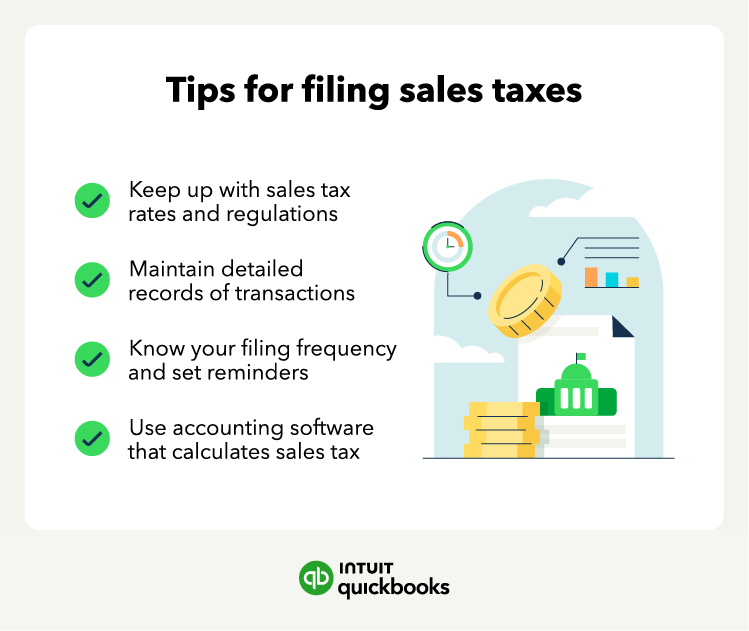
Kentucky has no local sales and use taxes to report. So its filing rules come down to your assigned frequency, the 20th, and the online mandate:
Returns and payments are due on the 20th of the month after the period ends. The statute makes the tax due monthly, paid on or before the twentieth day of the next calendar month. The return is due the same day. The Department's tax calendar puts monthly, quarterly, and annual sales tax returns on the 20th. When the 20th falls on a state holiday or weekend, the return is due the next working day. The July return is due August 20.
The Department assigns your filing frequency. You are set up as a monthly, quarterly, or annual filer based on the information on your sales and use tax application. The Department reviews every account each year, normally adjusts frequencies in June, and notifies you of a change. Monthly is the statutory default. A retailer who wants to file quarterly must apply in writing at least 90 days before the quarterly due date. That retailer cannot switch back to monthly without the Department's authorization.
Annual filers' returns are due January 20. Some businesses are required to file on an accelerated schedule. The Department's Retail Packet puts accelerated filers' returns on the 25th of the following month. Its tax calendar lists them separately from the 20th.
You must file and pay online. Businesses must file and pay sales tax returns online through the MyTaxes portal at mytaxes.ky.gov. The portal replaced the earlier OneStop filing system on March 14, 2025. The mandate applies to monthly, quarterly, and annual filers alike. The Department will consider a waiver only for a business with no internet access or documented technical problems.
In the portal, you select the Sales and Use Worksheet unless the Department has notified you that you are an accelerated or Streamlined Sales Tax filer. Each of those has its own worksheet or return type.
Use tax goes on the same return. Report untaxed purchases on the use tax line of your sales and use tax return, as described above.
File every return, including a period with nothing to report. The statute requires a return from every retailer or seller. If you fail to file on time, the Department forwards your account to its Division of Collections. The Division may bill an estimate that is likely to be greater than what you actually owe. A properly filed return will still be accepted and the amount adjusted.
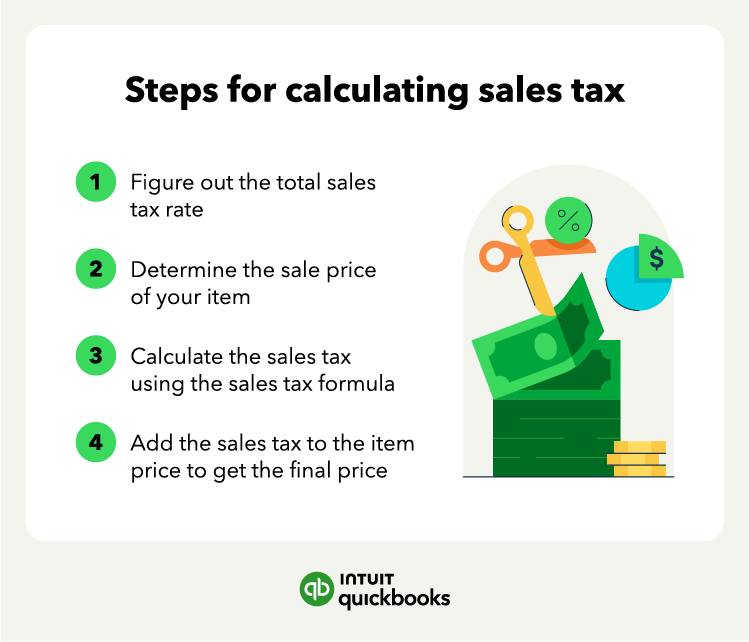
Tip: if a rate error slips through, fix the rate first, then correct the affected returns. Undercollect and the difference comes out of your pocket. Overcollect and you owe refunds. Tax you collected as tax is never yours to keep.
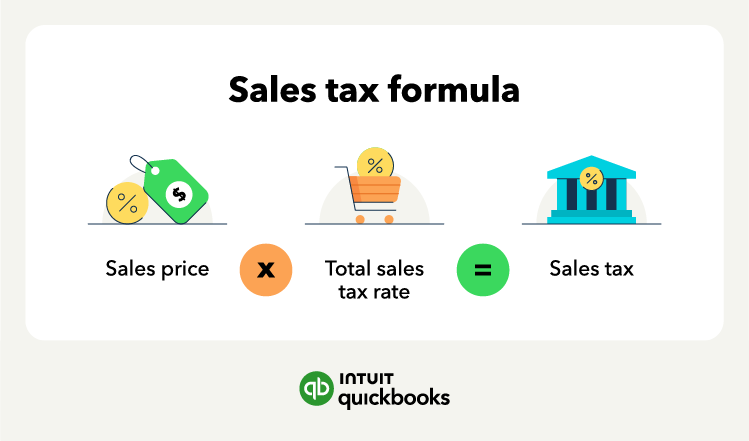
Multiply the pre-tax price by 6%. Because there is no local sales tax, the rate is the same at every Kentucky address. On a $1,200 sale, that's $72 in tax and a $1,272 total.
No. Kentucky has a single statewide sales and use tax rate of 6%. The Department of Revenue states plainly that there are no local sales and use taxes in Kentucky. Some localities impose separate taxes, such as transient room taxes and restaurant taxes. Those are not general local sales taxes, and they are administered apart from the state sales tax.
Only if your service is on Kentucky's list of taxable services, but that list is long. Landscaping and lawn care, janitorial and cleaning services, pet grooming and boarding, small-animal veterinary services, photography, website design and hosting, personal fitness training, massage except when medically necessary, interior decorating and design, household moving, rental of space for meetings and events, and software as a service are all on it. General and prime contracting is not. For many of the listed services, the first $12,000 of your combined annual gross receipts from all of the covered services is exempt if you sell nothing else. Cross $12,000 in a calendar year and the excess is taxable that year. All of your receipts from those services are taxable in the years after.
No. Food and food ingredients for human consumption are exempt. Alcoholic beverages, tobacco, candy, soft drinks, dietary supplements, and prepared food are taxable. So is pet food. Kentucky's candy definition turns on flour. A chocolate bar is taxable candy, while a bar that contains flour is exempt food. Bakery items are exempt when sold without eating utensils the seller provides.
No. Kentucky has never enacted a sales tax holiday and none is in effect. A recurring back-to-school holiday has been proposed in the legislature but not enacted. Clothing and footwear are taxable year-round. If a holiday is enacted, the Department of Revenue would announce the dates and terms.
Manage sales tax in QuickBooks with automation that helps you save time and stay compliant.
Save time with automated sales tax
Products are automatically matched to tax categories, so you can charge the right sales tax with less manual work. Kentucky returns are automatically prepared and formatted for the DOR, and if you sell into other states, you can automate multi-state filing from one place.
Stay confident and compliant
File with confidence using accurate, automated calculations. Kentucky's rate is flat, but its taxable services list keeps growing, and tax rates and rules are updated automatically in QuickBooks, so what you charge keeps up. Get reminders before DOR deadlines so you can plan ahead, and know your return status with real-time updates.
Your data stays protected
Securely send returns to tax agencies and track every filing in QuickBooks.
Manage your books and sales tax in one place
Automatically calculate, collect, and track applicable sales tax from your customers. One report breaks out taxable and non-taxable sales, so you always know what to pay each agency. Prepare, file, and pay directly from QuickBooks.
Explore QuickBooks sales tax software to spend less time on tax and more time running your business.
*Sales tax filing is available as an add-on service through QuickBooks Online for $40 per filing.
You've got the rates and the rules that apply in Kentucky. The harder part is applying them correctly on every sale, every quarter. QuickBooks automated sales tax calculates the right combined rate, tracks what you've collected, and shows what you owe when it's time to file.
Call Sales: 1-800-285-4854


