Maine sales tax calculator
Know exactly what to charge at any Maine address. Find the combined rate, the tax on any amount, and the total. Free for your business, no sign-up.
Know exactly what to charge at any Maine address. Find the combined rate, the tax on any amount, and the total. Free for your business, no sign-up.
Done checking rates one sale at a time? QuickBooks applies the right Maine rate on every invoice automatically. See how automated sales tax works
Maine's sales tax has one layer: a single statewide rate of 5.5%. There is no local option sales tax, so no city or county in Maine adds its own sales tax on top of the state rate.
The average US small business brought in about $52,440 in revenue in July 2026, according to the Intuit QuickBooks Small Business Index. At that size, a Maine seller is squarely in the system. You charge a 5.5% general rate at every address and check a short list of taxable services. Your return is due on the 15th of the month after each reporting period ends.
What makes Maine different isn't the rate map. It's how much turns on what you sell. Maine taxes a short, specific list of services, and nearly every other kind of service falls outside the tax. Food is exempt only when it counts as a "grocery staple." Prepared food carries its own, higher rate. Whether you run a clothing boutique in Portland, bake for a café in Bangor, or print menus and signs in Lewiston, here's how Maine's rate works. You'll also see which of your sales it reaches and what to know at filing time.
Maine's state sales tax rate is 5.5%. No city or county may add its own sales tax on top of it, so the general rate is the same at every Maine address. There is one layer:
There is no local layer to add. Where Maine's rate does change, it changes by what is sold rather than where. Under 36 M.R.S. § 1811, the following are taxed at their own rates:
Maine's sales tax reaches retail sales of goods, which the law calls tangible personal property, and products transferred electronically. It also reaches a short list of specifically named services:
A service that is not on this list is not taxable. That is not because it is affirmatively exempted, but because it falls outside Maine's tax base in the first place. Effective January 1, 2026, Maine repealed its separate Service Provider Tax. Services that used to be taxed under that regime, including fabrication services, are now taxed under the regular sales and use tax instead.
Services that are not taxable, because Maine hasn't named them, include:
Three things that look like services are taxable anyway. Photography is taxable as an ordinary sale of goods (prints, photos, and similar items), not as a listed service. That includes images you deliver as digital files, which Maine taxes as products transferred electronically. A pure sitting fee where no photographs or other goods are provided to the customer is not taxable. But when a sale does result, the sitting charge is generally part of the taxable sale price.
Printing and engraving services are taxable. Fabrication services are taxable. One exception: sign painting and lettering is treated as a nontaxable application or installation service rather than as taxable fabrication. That includes painting a business name on a vehicle or a building.
Repair labor. Repair labor on goods generally is not taxed, as long as the charge for parts and the charge for labor are separately stated on the invoice. If they are not separated, the entire charge, including the labor, becomes taxable. A repair billed as $120 of parts and $80 of labor carries tax on the $120. The same job billed as one $200 line carries tax on all $200.
This separately-stated-labor rule does not extend to HVAC or other work that installs goods into real property. That work follows a different set of rules for real-property fixtures. Sellers doing that kind of work should confirm the treatment separately rather than assuming the general repair rule applies.
Alterations. Clothing alteration performed as a standalone service is not taxable. But when a retailer sells goods and also alters them at the customer's request as part of that sale, the alteration charge becomes part of the taxable sale price. That holds whether or not it is separately stated on the invoice.
Maintenance agreements. Standalone maintenance agreements and service contracts on goods are generally not taxed. Canned software is one exception. Extended service contracts on automobiles and trucks are another, since they are on Maine's list of taxable services above. As for software: canned software and its updates are themselves taxable. So a maintenance agreement for canned software that includes updates is taxable if the updates are not separately stated from the rest of the agreement. If the value of the updates is separately stated, tax applies only to that separately stated update price.
What this means for a seller: before you price a service, check Maine Revenue Services' sales and use tax guidance. Check it in both directions, for services you assumed were taxable and for the charges that ride along with a taxable sale.
Maine is a destination-sourced state. Under 36 M.R.S. § 1819, a sale is sourced to the place where your customer receives what they bought. For goods, that is where they take possession. For services, it is generally where they first use the service. For products transferred electronically, it is whichever of those comes first. Possession by a shipping company on your customer's behalf does not count as receipt. Your own location matters only when the customer receives the goods or the service there. Because Maine has one statewide rate, sourcing in Maine mostly decides whether a sale is a Maine sale at all, not which rate applies. Find your situation:
If you sell goods in person at your location: when your customer receives the goods at your business location, the sale is sourced to that location. It is a Maine sale at the 5.5% state rate.
If you ship or deliver goods to Maine customers: when the customer does not receive the goods at your location, the sale is sourced to the place where they receive them. That includes the delivery address they gave you. Every Maine delivery address carries the same 5.5% state rate, so shipping across the state never changes what you charge.
If instead you deliver the goods to a location outside Maine, the sale is exempt from Maine sales tax. The same holds if you hand them to the U.S. Postal Service or a common or contract carrier you hired for delivery to a location outside Maine. That is true regardless of whether the sale was F.O.B. your shipping point or title passed in Maine. Keep a copy of the sales slip and the shipping invoice showing the goods were shipped directly out of state. The exemption does not cover any later use of the property in Maine.
If you sell software downloads, digital music or video, or other products transferred electronically: the sale is sourced to where your customer takes possession or first uses the product, whichever comes first. When you don't know that location, Maine's statute falls back in order. First comes the customer's address in your business records. Next comes an address obtained at checkout, including the billing address of the payment card. Last comes the address from which the product was first available for transmission. For a seller of digital audio or video services, the same fallback generally applies.
If you sell one of Maine's taxable services: the service is sourced to where your customer first uses it. If they receive it at your business location, that is your location. Otherwise it is the place where they receive it, including a delivery location you know. Fabrication work your customer picks up at your shop is generally sourced to your shop. Fabricated goods you deliver are generally sourced to the delivery address. Nearly every other service falls outside Maine's tax, so for most service businesses there is no Maine sales tax to source.
If you sell through a marketplace like Amazon or Etsy: a marketplace facilitator is treated as the retailer required to collect and pay Maine sales tax on the sales it facilitates, effective October 1, 2019. Those marketplace sales are excluded from your own economic nexus threshold. You do not include them on your return when the marketplace reports them. Sales you make outside the marketplace, through your own website, your invoices, or in person, are reported on your own return.
If you're out of state selling into Maine: you must collect once you have $100,000 in gross sales into Maine in the previous or current calendar year. There is no transaction-count test. Maine removed its 200-transaction threshold effective January 1, 2022, so only dollars matter. Marketplace sales are excluded from your threshold. Once you exceed it, you register and begin collecting on the first day of the first month that begins at least 30 days after you crossed the threshold.
Until you've crossed it, you aren't required to collect Maine tax, provided you have no physical presence in Maine. Maine Revenue Services treats a seller with a Maine store, employees, inventory, or representatives as an in-state seller. That seller must register regardless of its sales volume. Once you have crossed it, the same sourcing rules apply to you. A product shipped to a Maine address is a Maine sale, and you collect and pay the 5.5% state rate on it.
Sales with their own sourcing rules. Mobile telecommunications services are sourced to the customer's place of primary use. That is the residential or business street address where the customer's use primarily occurs. Prepaid calling service is sourced to your place of business when the sale happens there. Otherwise it is sourced to the customer's shipping address. If nothing is shipped, it is sourced to the billing address or the location associated with the customer's mobile telephone number.
Leases and rentals of equipment follow a modified rule. The first periodic payment is sourced like a sale. Later payments are sourced to the primary location where the property is kept. Leases of motor vehicles, trailers, and aircraft with recurring payments source each payment to that primary property location.
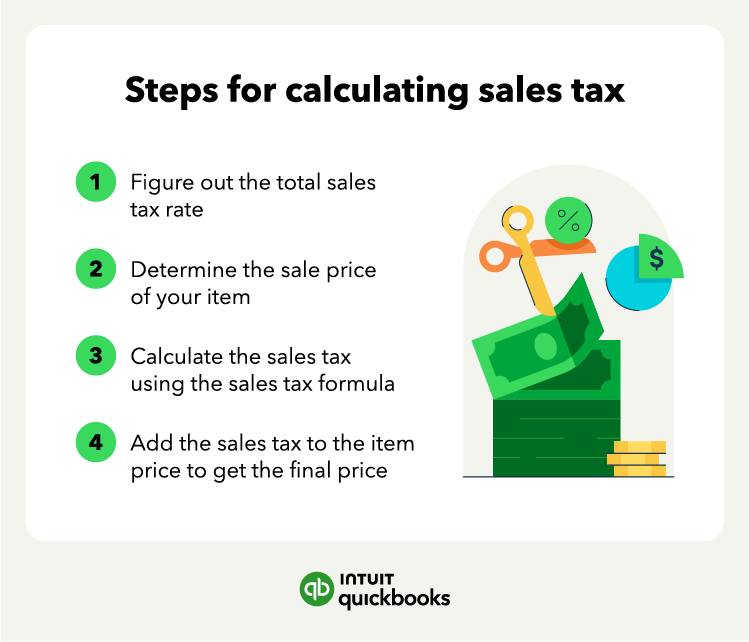
Worked example. You build furniture in Portland and sell a $900 dining table.
Same table, same week, and the only thing that changed the tax was where the customer received it. Keep the delivery address and the shipping documents with every sale.
The exemptions that matter most to small sellers:
Groceries: Maine taxes food generally and exempts only "grocery staples," meaning food products ordinarily consumed for human nourishment. Candy, soft drinks, bottled water, vitamins and supplements sold without a prescription, and prepared food are all outside that definition. They are taxable even though they sit on grocery shelves. The full line between staples and prepared food is drawn below.
Clothing: taxable year-round. Maine has no clothing exemption. Clothing, clothing accessories, protective clothing and equipment, sports and recreational equipment, and special-order clothing and footwear are all taxable. Maine does not hold a sales tax holiday. Standalone alterations are not taxed. But an alteration sold as part of the sale of the garment is part of the taxable price.
Software and digital products: prewritten (canned) software is taxable whether it is delivered on physical media or downloaded. Maine has no delivery-method exemption. Custom computer software is exempt. Computer hardware is taxable as ordinary goods. Digital products transferred electronically, including music, video, text, and ringtones, are taxable. Infrastructure as a Service, Platform as a Service, and Software as a Service are not taxable. That is because none of them appear on Maine's list of taxable services. Internet access service is not taxed.
Prescription drugs and medical items: prescription drugs are exempt. Under Maine's general prescription framework, a prescription item is exempt while an over-the-counter item is taxable. Effective January 1, 2026, durable medical equipment for home use is exempt. That means equipment that can withstand repeated use and is primarily used for a medical purpose. It is also generally not useful to someone without an illness or injury, and it is not worn on the body. Examples include CPAP machines, oxygen concentrators, nebulizers, and home dialysis equipment. Breast pumps for home use are exempt as of the same date.
Sales of crutches and wheelchairs for the use of a sick, injured, or disabled person are exempt. Effective January 1, 2026, so is mobility enhancing equipment for home use or use in a motor vehicle. That covers canes and walkers for the first time. It also covers wheelchairs, crutches, stairlifts, handrails, ramps, and wheelchair lifts installed for use in a motor vehicle. None of these mobility-related exemptions has an expiration date.
Newspapers and magazines: both taxable. Maine's prior exemption for periodicals was repealed effective October 1, 2013. Both are taxed like any other retail sale of goods. A narrow exemption remains for publications distributed free of charge and certain inserts.
Manufacturing inputs: machinery and equipment is exempt when it is purchased or leased for use by the purchaser and used primarily and directly in producing goods for sale or lease. Primarily means more than half the time over a two-year window. Equipment for raw-material handling, storage, administration, quality control, general maintenance, safety, or general building systems does not qualify. Materials that become an ingredient or component part of a product made for sale are exempt. So are materials consumed or destroyed directly and primarily in production.
Packaging: packaging materials are exempt only when they pass into the customer's possession and the customer uses them to package property for shipping or sale, or to wrap property the customer cleaned, pressed, repaired, or reconditioned for a client. Packaging a business uses for its own purposes remains taxable. That includes moving its own goods between locations, mailing correspondence or advertising, or protecting inventory that is not being transferred to a customer.
Selling a mix of taxable and exempt items is where receipts get messy. Track the buckets separately from the start.
Use tax is the buyer's side of the same tax. Maine imposes it on the use or consumption in Maine of tangible personal property or a service whose sale would have been subject to Maine sales tax. It applies at the same rate the sale would have carried.
It applies when the correct amount of Maine sales tax was not charged by the seller. Most often that means a purchase from an out-of-state vendor that is not registered to collect Maine tax, when the goods are brought to Maine for use here. That holds whether you ordered by mail, bought online, or took delivery out of state. A Maine business does not escape the tax by purchasing out of state. The tax is based on the purchase price. The use tax rate on general goods is 5.5%, the same as Maine's general sales tax rate.
Say you buy a $3,000 commercial espresso machine online from a seller that does not charge Maine tax, and have it shipped to your café in Bangor. You owe $165 in Maine use tax. You are liable for it until you pay it or hold a receipt showing the seller collected the tax.
The rate follows the item. Use tax applies at the rate that would have been charged if the item had been sold at retail in Maine. Maine Revenue Services' own example: a retailer gives an employee a prepared meal free of charge, outside the employee's compensation. The retailer reports use tax at the 8% prepared-food rate on the cost of the food used.
Inventory you use yourself. When you withdraw goods you bought for resale from inventory for your own use, use tax is due at the time of withdrawal. Parts you provide to a customer under a maintenance agreement work the same way. You owe use tax on your own cost of those parts rather than billing the customer sales tax. Parts not covered by the agreement are sold to the customer with sales tax in the ordinary way.
Tax paid to another state. If you paid another state's sales or use tax on the purchase at a rate equal to or greater than Maine's, no Maine use tax is due. If you paid less, you owe Maine the difference.
There is no local use tax. Maine has no local sales tax, and its use tax is a single state tax at the same rate. So there is no local use tax layer either.
How you report it. If you are registered for sales tax, your sales and use tax return has a line for taxable purchases. You report your use tax there. A business that is not required to register to collect sales tax, but regularly makes purchases subject to Maine use tax, registers for a use tax-only account. It files a use tax return for each month in which it made such purchases. No return is needed for a month with no use tax due. Use tax does not apply when your vendor charged you Maine sales tax.
Individuals report use tax on items priced $5,000 or less on their Maine income tax return or on an individual use tax return. A single item costing more than $5,000 must be reported directly to Maine Revenue Services by the 15th of the month after the purchase.
Maine taxes food generally and exempts only a defined category called grocery staples. Those are food products ordinarily consumed for human nourishment. Several categories are excluded from that definition and remain taxable even though they might look like groceries:
Soft drinks. Carbonated and non-carbonated beverages are taxable unless they qualify as a grocery staple. The controlling test is whether the beverage contains a natural or artificial sweetener. That is what separates a taxable soft drink from an exempt staple. Beverages that contain milk or milk substitutes are excluded from that test. So is any beverage that is more than 50% fruit or vegetable juice by volume.
Candy and supplements. Candy is taxable. Vitamins and supplements are taxable, except that vitamins and supplements sold on a doctor's prescription are exempt.
Prepared food. Prepared food is taxed at Maine's separate, higher prepared-food rate of 8% rather than the 5.5% general sales tax rate. That includes bakery items prepared by the retailer. The exception is a bulk sale of grocery staples. A caterer's service charge is not separately taxed as a service. The food and meals a caterer sells are taxed as prepared food. That is because they meet the same definition any other prepared food would.
Disposable plates, cutlery, napkins, and similar items provided directly in connection with serving prepared food are folded into the taxable prepared-food sale price. That holds even if they are separately stated on the bill. The same paper products sold on their own by a grocer are ordinary taxable retail items rather than part of a meal.
For a food seller, this is where Maine's single rate stops being single. Merchandise at 5.5%, prepared food at 8%, and exempt grocery staples can all cross the same counter. Maine Revenue Services' Instructional Bulletin No. 12, Retailers of Food Products, and Bulletin No. 27, Sales of Prepared Food, are the rulebooks to keep by the register.
Maine's filing calendar has one due date and four frequencies:
Returns are due on the 15th. The return and the tax are due on the 15th day of the month following the end of your reporting period. Payment is made when the return is filed. If the 15th falls on a weekend or a state holiday, the return is due on the next day that is not a weekend or holiday. Once you have a Maine Tax Portal account, the portal sends you a notification before each due date.
Your frequency follows your average tax liability. Monthly filing is the default. Generally, every retailer with an average sales and use tax liability of $600 or more per month files monthly. A retailer whose average liability is at least $100 but less than $600 per month files quarterly. The quarterly periods are January through March, April through June, July through September, and October through December. A retailer averaging less than $100 per month but more than $50 per year files semiannually, for January through June and July through December. A retailer whose average annual liability is less than $50 files one return for the calendar year.
Maine Revenue Services reviews every active account's liability annually and notifies you if your frequency changes. You may also ask to file more often than your tier requires. A business that is completely closed for one or more calendar months each year may register as a seasonal filer. A seasonal filer is not required to file for the months it was closed.
File electronically through the Maine Tax Portal. If you are unable to file electronically, you can request a waiver to file paper returns. Maine Revenue Services then mails the paper returns to you about a month before each due date.
File every return, including zero returns. If all of your sales for a period are exempt, you still file a return reporting zero tax due. A paper return under a waiver is due whether or not any tax is due. The exceptions are the ones above. A seasonal filer skips the closed months, and a use tax-only account files only for months with use tax to report.
No local allocation. Because Maine has no local sales tax, there is no local tax to report or allocate on the return.
Tip: if a rate error slips through, fix the rate first, then correct the affected returns. Undercollect and the difference comes out of your pocket. Overcollect and you owe refunds. Tax you collected as tax is never yours to keep.
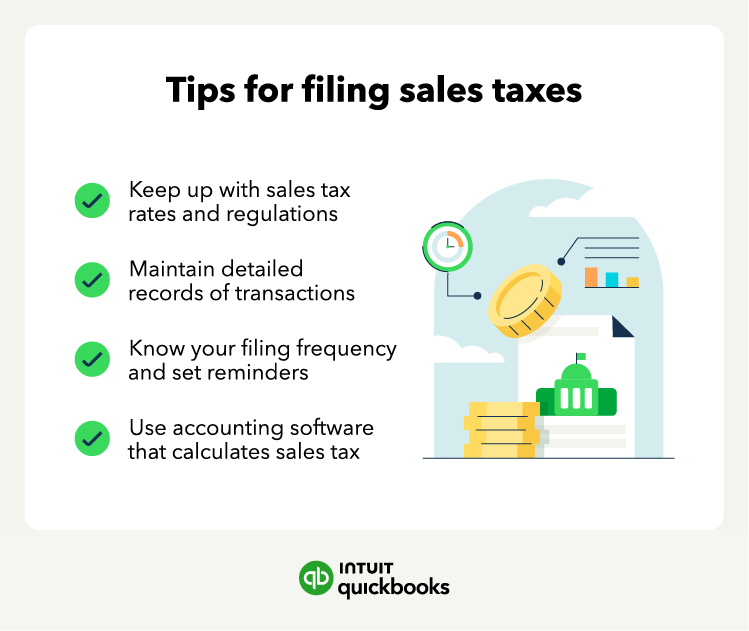
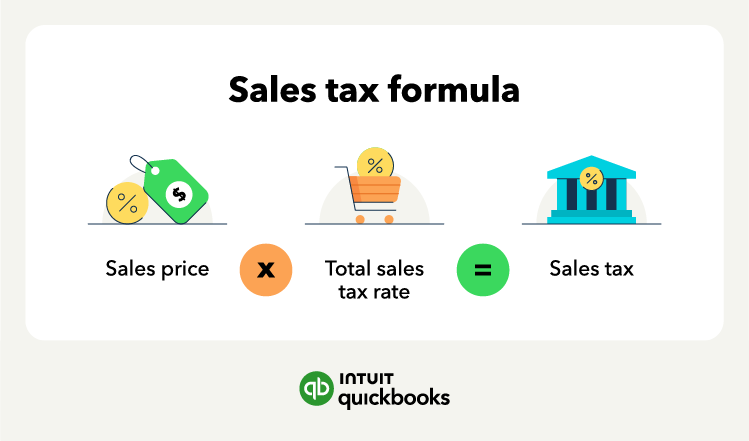
Multiply the pre-tax price by Maine's 5.5% general state rate. Prepared food, lodging, short-term automobile rentals, on-premises liquor, and adult-use cannabis carry their own rates, listed above. That general rate is the same at every Maine address, so there is no local rate to add. On a $1,200 sale, that's $66 in tax and a $1,266 total.
No. Maine has a single statewide sales tax rate of 5.5%. No city or county in Maine may add its own sales tax on top of the state rate. So there is no local rate to look up by address. What does change the rate is what you sell. Prepared food is taxed at 8% rather than the 5.5% general rate. Lodging is taxed at 9%. Short-term automobile rentals are taxed at 10%. Liquor sold in licensed establishments for on-premises consumption is taxed at 8%. Adult-use cannabis is taxed at 14%.
Only "grocery staples," food products ordinarily consumed for human nourishment, are exempt. Candy, soft drinks, bottled and carbonated water, vitamins and supplements sold without a prescription, and prepared food are taxable. Prepared food is taxed at Maine's 8% prepared-food rate rather than the 5.5% general rate. That includes bakery items prepared by the retailer. A beverage counts as a taxable soft drink when it contains a natural or artificial sweetener. The exceptions: beverages that contain milk or a milk substitute, and beverages that are more than 50% fruit or vegetable juice by volume.
Generally not. Maine taxes a short, specific list of services: lodging, electricity transmission and distribution, extended vehicle service contracts, prepaid calling service, cable and satellite television and radio, fabrication services, telecommunications services and related equipment installation and repair, ancillary telecommunications services, and digital audiovisual and audio services. Nearly every other kind of service falls outside the tax. That includes janitorial work, lawn care, barbering and beauty services, pet grooming, self-storage, accounting, legal, consulting, veterinary, and medical services.
Photography is taxable as a sale of prints, digital image files, and other tangible property. Printing and engraving are taxable. Repair labor on goods generally is not taxed when parts and labor are separately stated on the invoice.
No. Maine does not hold a sales tax holiday, and it has no clothing exemption. So clothing and footwear are taxable at the 5.5% state rate year-round.
Manage sales tax in QuickBooks with automation that helps you save time and stay compliant.
Save time with automated sales tax
Products are automatically matched to tax categories, so you can charge the right sales tax with less manual work. Maine returns are automatically prepared and formatted for Maine Revenue Services, with prepared food, lodging, and rental sales kept on their own rate lines, and if you sell into other states, you can automate multi-state filing from one place.
Stay confident and compliant
File with confidence using accurate, automated calculations. Maine's general rate is flat, but its category rates and exemptions change by legislation, and tax rates and rules are updated automatically in QuickBooks, so what you charge keeps up. Get reminders before Maine Revenue Services deadlines so you can plan ahead, and know your return status with real-time updates.
Your data stays protected
Securely send returns to tax agencies and track every filing in QuickBooks.
Manage your books and sales tax in one place
Automatically calculate, collect, and track applicable sales tax from your customers. One report breaks out taxable and non-taxable sales, so you always know what to pay each agency. Prepare, file, and pay directly from QuickBooks.
Explore QuickBooks sales tax software to spend less time on tax and more time running your business.
*Sales tax filing is available as an add-on service through QuickBooks Online for $40 per filing.
You've got the rates and the rules that apply in Maine. The harder part is applying them correctly on every sale, every quarter. QuickBooks automated sales tax calculates the right combined rate, tracks what you've collected, and shows what you owe when it's time to file.
Call Sales: 1-800-285-4854


