Michigan sales tax calculator
Know exactly what to charge at any Michigan address. Find the combined rate, the tax on any amount, and the total. Free for your business, no sign-up.
Know exactly what to charge at any Michigan address. Find the combined rate, the tax on any amount, and the total. Free for your business, no sign-up.
Done checking rates one sale at a time? QuickBooks applies the right Michigan rate on every invoice automatically. See how automated sales tax works
Michigan's sales tax math is the same at every address in the state. The state rate is generally 6% on retail sales of physical goods. There is no city or county sales tax anywhere, and no sales tax holiday to plan around.
The average US small business brought in about $52,440 in revenue in July 2026, according to the Intuit QuickBooks Small Business Index. At that size, a Michigan seller is squarely in the system. You register once with the Michigan Department of Treasury, charge 6% on taxable sales wherever in Michigan they are sourced, and file a single state return.
What makes Michigan different isn't the rate. It's how little of what service businesses sell is taxable. Michigan taxes almost no services, and even on a repair bill the labor stays out of the tax when you itemize it. Whether you run a boutique in Grand Rapids, fix cars in Detroit, build furniture in Traverse City, or mow lawns in Lansing, here's how Michigan's single rate works. You'll also see which of your sales it reaches and what to know at filing time.
Michigan's state sales tax rate is 6%, and it is the only sales tax layer. No city, county, or other local unit imposes a sales tax, so the rate is the same at every Michigan address.
There is no local layer to add. The 6% rate is fixed by the state constitution, and local units are barred from levying their own sales taxes. So there is no local rate to look up and no county or city registration. You register once with the Michigan Department of Treasury. The same 6% applies whether the sale is sourced to Detroit, Marquette, or anywhere between.
Two product-based exceptions sit inside that single rate. Electricity, natural or artificial gas, and home heating fuels sold for residential use are taxed at 4% rather than 6%. Since January 1, 2026, motor fuel such as gasoline and diesel is exempt from the sales tax and carries the per-gallon motor fuel tax instead. Fuel sold for heating is not part of that exemption.
Michigan's sales tax reaches retail sales of goods, which the law calls tangible personal property. Services are not taxable unless the law specifically names them. Michigan names very few: essentially telecommunications and short-term accommodations. That generally leaves the everyday service trades outside the tax: janitorial and building maintenance, dry cleaning for consumers, lawn care, pest control, snow removal, trash removal, tree trimming, window and pool cleaning, barber and beauty services, massage, tanning, tattooing, moving, self-storage, kenneling, pet grooming and training, and all professional services (legal, accounting, engineering, medical, veterinary). One listed exception sits close to that list. Laundering or cleaning textiles under a rental or service agreement of at least five days, a uniform or linen service for example, is taxable. That exception does not reach textiles used by a restaurant or retail business. A service business is generally the consumer of the goods it uses and buys them with tax paid.
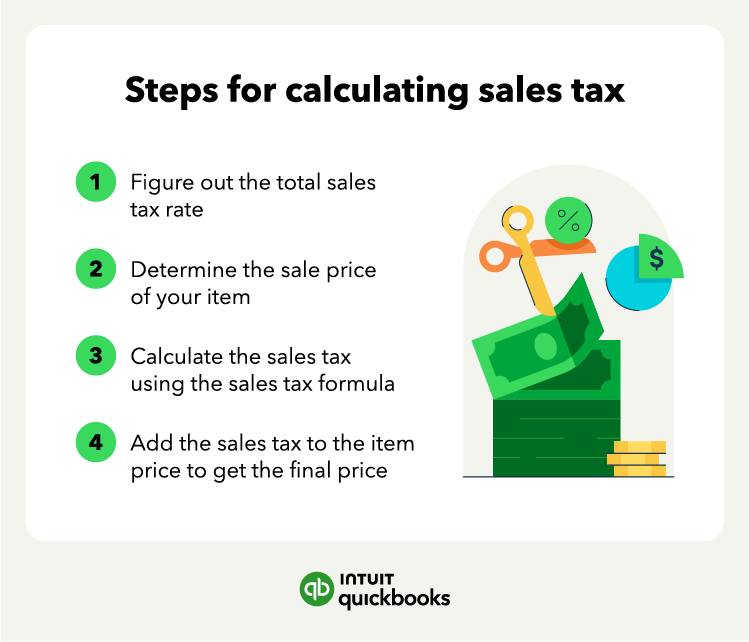
Repairs: the parts are taxable, the labor is not, if you itemize. When a repair to a customer's property involves both parts and labor, you must separately itemize the charge for the parts. Do that and only the parts are taxed. The labor is not. Lump parts and labor into one charge and the entire amount is taxable (Mich. Comp. Laws § 205.51(1)(d)). Clothing alteration works the same way. It is not taxable when the charge is separately stated. A $400 brake job billed as $250 in parts and $150 in labor carries $15 of tax, 6% of the parts. The same job billed as one $400 line carries $24.
Maintenance agreements and warranties. An optional maintenance or extended warranty agreement that is separately stated is not taxable. The provider pays tax on the parts it uses. A maintenance agreement that is mandatory, required as part of buying the product, is part of the taxable sales price. Software maintenance follows the software rules below.
Delivery and installation charges. Since April 26, 2023 (Public Acts 20 and 21 of 2023), separately stated delivery and installation charges are not taxable. That holds when you itemize them on the invoice and keep records showing them separately.
Mixed goods and services: the real object test. When a transaction mixes property and services, Michigan asks whether the true object of the transaction is a taxable good or a nontaxable service (Revenue Administrative Bulletin 2004-3). Two goods-adjacent cases come out taxable. Photography is taxable when the object of the transaction is a tangible product such as prints or discs. A sitting fee bundled with prints is part of the taxable price. A standalone sitting fee with no required product purchase is not taxable. Taxidermy is taxable as predominantly a sale of tangible personal property.
Contractors. Construction contractors are the consumers of the materials they affix to real property. They pay tax on those materials and do not charge the customer sales tax. Materials become exempt only in narrow cases such as work for a qualified nonprofit hospital or housing entity.
Michigan taxes prewritten software that is delivered to the customer, but not software the customer only accesses remotely. It does not tax digital products at all. The controlling guidance is Revenue Administrative Bulletin 2023-10. It reflects the Michigan Court of Appeals decision in Auto-Owners Insurance Co. v. Department of Treasury (2015):
Michigan has one sales tax rate, so its sourcing rules answer a yes-or-no question. Is this a Michigan sale, taxed at 6%, or not a Michigan sale at all? Michigan is a destination-sourced state.
Under Mich. Comp. Laws § 205.69, a sale is sourced to the place where your customer receives the product. That is your business location if they take possession there. Otherwise it is the location where they, or someone they designate, take possession, including the delivery address they give you. Possession by a shipping company on the customer's behalf does not count as receipt. So handing a package to a carrier at your shop does not by itself make the sale a Michigan sale.
For services, the statute generally sources a sale to where the customer makes first use of the service. Michigan taxes very few services to begin with. Find your situation:
If you sell goods in person at your location: the sale is sourced to your business location. A Michigan storefront, shop, or warehouse pickup is a Michigan sale, taxed at 6%, whether it is in Dearborn, Holland, or Sault Ste. Marie.
If you ship or deliver goods to Michigan customers: the sale is sourced to the location where the customer, or someone the customer designates, receives the product. That includes the delivery address in the customer's instructions. A delivery anywhere in Michigan is a Michigan sale at 6%. Because there is no local tax, it does not matter which Michigan address. The flip side follows from the same rule. A product you ship from Michigan to a customer who receives it in another state is not sourced to Michigan.
The Department of Treasury's own example makes the point. A Michigan resident buys from a remote seller and has the product shipped to a friend in a different state. The product is received by the purchaser's designee outside Michigan and is not later brought into Michigan, so the sale is not sourced to Michigan. Whether tax is due in the state where it was received is that state's question.
If you don't know where the customer takes possession (a prewritten software download, for instance): the statute works down a list. First comes the customer's address in your business records. Next is the address the customer gives when the sale is completed, including the billing address of their payment card if that is all you have. Only if none of those is available do you use the address you shipped from or the location from which the software was first available for transmission. Each address has to be used in good faith.
If you sell services: for the few services Michigan taxes, the statute generally sources a service to where the customer makes first use of it. For everyday services, lawn care, cleaning, repair labor, professional work, there is no Michigan sales tax to source in the first place. When a service comes with parts or products that go home with the customer, those goods are a retail sale. They are generally sourced like any other goods: your location if the customer picks the item up, the delivery address if you send it.
If you sell through a marketplace like Amazon or Etsy: a marketplace facilitator with over $100,000 in Michigan sales or 200 or more transactions in the prior year must register and collect Michigan's 6% on the sales it facilitates. So those sales are not yours to collect on. A Michigan seller still registers and collects on its direct sales: its own website, invoices, and in-person sales. Your marketplace sales do still count toward your own nexus threshold, covered next.
If you're out of state selling into Michigan: Michigan's economic nexus rule has been in effect since October 1, 2018. You must register and begin collecting on January 1 of the year after a calendar year in which you crossed either test. The tests: your gross sales into Michigan exceeded $100,000, or you made 200 or more separate transactions into Michigan. Michigan keeps both tests, so either one is enough on its own. Your marketplace sales count toward the threshold even though the marketplace collects on them. Say you have no physical presence in Michigan (no inventory, employees, representatives, or property here) and those sales are your only connection to Michigan. Then until you've crossed one of the tests, you aren't required to collect Michigan tax. Physical presence creates nexus on its own, regardless of sales volume. Once you have crossed a test, you source each sale the same way an in-state seller does. A product received at a Michigan address is a Michigan sale at 6%, and one received outside Michigan is not.
One Michigan detail for remote sellers: you report and pay the 6% as sales tax when ownership of the product transfers in Michigan. You report and pay it as use tax when the product is delivered to a Michigan customer but ownership transfers outside Michigan. The rate is the same either way. Treasury notes that most often ownership transfers in Michigan and sales tax is due.
Sales with their own sourcing rules. Leases and rentals of equipment follow a modified rule. For a lease with recurring payments, the first payment is sourced like a sale. Later payments are sourced to the primary location of the property, as shown by the address the lessee gives you. Intermittent use somewhere else, such as equipment that travels with an employee on service calls, does not change that location. Leases of motor vehicles, trailers, and aircraft source every payment to the primary property location.
Worked example. You build furniture in Traverse City and sell a $900 table.
Same table, same price, and the Michigan tax line is identical at every Michigan address. What changes it is a delivery address outside the state, so keep the ship-to address with every sale.
Michigan writes its food exemption into the state constitution. The lines around it are drawn differently than sellers often assume. The ones that matter most to small sellers:
Groceries: food for human consumption is exempt. Michigan does not carve candy or soft drinks out of the exemption. Candy, carbonated and non-carbonated beverages, and bottled water are all exempt as food. Bakery items are exempt. Vitamins and dietary supplements are exempt as food too.
Prepared food: taxable. That generally means food intended for immediate consumption: food sold heated, food the seller combined into a single item, or food sold with eating utensils (Mich. Comp. Laws § 205.54g(3)(f)). Catering is taxable, since catered food is prepared food and Michigan grants it no exemption. Bakery items sold without eating utensils stay exempt, and so do these (§ 205.54g(3)(g)):
Alcoholic beverages are taxable. An establishment whose prepared-food sales exceed 75 percent of its food sales faces a broader "utensils made available" test. That test pulls more of its food into the taxable category.
Clothing: taxable year-round. Michigan has no clothing exemption and no sales tax holiday. Clothing, footwear, accessories, protective clothing, and sports equipment are all taxable as tangible personal property. Clothing alteration is not taxable when the charge is separately stated.
Software and digital products: covered above. Prewritten software delivered to the customer is taxable, including by download. Custom software, software as a service with no code delivered, and digital products such as streamed or downloaded music, video, and e-books are not.
Prescription drugs and medical items: prescription drugs for human use are exempt. Over-the-counter drugs are exempt only when dispensed under a prescription. Bought off the shelf, they are taxable. Durable medical equipment, mobility enhancing equipment, and prosthetic devices are exempt only when dispensed pursuant to a prescription. Without one, they are taxable. Medical services are not taxable.
Resale and production inputs: anything you buy for resale is exempt with a resale certificate. Containers, packaging, and wrappers are exempt when sold for resale or used to package products for sale. Machinery and equipment used directly in industrial processing, and materials that become part of the finished product, are exempt.
Rentals: leases and rentals of tangible personal property are taxable, just like sales of the same goods.
Lodging: hotel and motel rooms, and other accommodations offered to the public on a commercial basis, are subject to the 6% tax when rented for one month or less. The statute's definition reaches tourist homes, rooming and lodging houses, and resort lodges and cabins. Separately, county and local accommodation taxes apply to lodging and are administered by those local authorities. The state convention facility development tax on larger convention hotels is administered by Treasury. Both are outside the sales tax.
Newspapers and printing: qualifying newspapers and periodicals are exempt. Sales of printed matter by printers are taxable except when sold for resale.
Selling a mix of taxable and exempt items is where receipts get messy. Track the two buckets separately from the start.
Use tax is the companion to the sales tax. The Michigan Department of Treasury's description of it is blunt: almost every business has a use tax liability. It applies to purchases on which Michigan sales tax was not charged. That means taxable items you bring into Michigan, or buy by mail, phone, or online from an out-of-state retailer that does not collect Michigan sales or use tax. It includes purchases from other countries.
The rate is 6%, the same as the sales tax rate. It applies to the total price of the item, excluding shipping and handling charges that are separately itemized. Michigan gives credit for sales or use tax legally due and paid to another state at the time of purchase.
For a business, Treasury names two ways it shows up. The first is when you buy goods from an out-of-state vendor that is not licensed to collect Michigan tax and no exemption applies. The second is when you buy inventory tax-free for resale and then take items out of it for business or personal use, gifts included. Say your Ann Arbor coffee shop orders a $3,000 commercial espresso machine online and the invoice shows no Michigan tax. You owe $180 in Michigan use tax.
There is no local use tax. Michigan does not allow cities or other local units to impose a use tax. So the use tax you owe is 6% everywhere in the state.
How you report it. If your business is registered for sales or withholding tax, you report use tax on your purchases on the same Sales, Use and Withholding Taxes return you already file (Form 5080 for monthly and quarterly filers). It goes on the line for purchases on which no tax was paid and inventory withdrawn for business or personal use. A business that is not required to be registered reports it on Form 5087, the Purchaser's Use Tax Return. Individuals report it on Form 5087 or on their Michigan income tax return, but not both. Either way, the burden of proving that sales or use tax was paid to the seller rests on the purchaser. So keep the receipts that show Michigan tax was charged.
No. Michigan has no sales tax holidays. There is no back-to-school weekend and no other holiday. Clothing, school supplies, and electronics are taxable every day of the year.
Michigan reports sales tax, use tax, and withholding tax on one combined return. So the three share a filing frequency and a calendar:
Treasury assigns your filing frequency. Returns and payments are due monthly, quarterly, or annually. Treasury assigns a new registrant's frequency from its estimated level of activity. After the first tax year, the frequency is determined by your previous year's tax liability, and Treasury sets it each year. File on the frequency you were assigned. Quarterly and annual filers should not file monthly returns.
Monthly and quarterly returns are due on the 20th. Monthly returns are due on the 20th of the following month. Quarterly returns are due on the 20th of the month after the quarter ends: April 20, July 20, October 20, and January 20 of the following year. If a due date falls on a weekend or a state holiday, the return and payment are due the next business day.
Everyone files an annual return by February 28. Whatever your frequency, you must submit an annual return by February 28 of the following year. For annual filers it is the return. For monthly and quarterly filers it reconciles, balances, and closes the tax year. It does not replace the monthly or quarterly returns you were supposed to file. The sales and use tax year is the calendar year.
File every return, including zero returns. If you are registered to pay a tax, you must file a return on your established frequency even if no tax is due. On the return itself, a zero or a blank on a tax line is your certification that no tax is owed for that tax type.
File and pay online. Returns can be filed and paid free on Michigan Treasury Online, or filed through approved tax preparation software. Paper returns mailed to Treasury are still accepted. Businesses with $720,000 or more in Michigan sales tax or use tax liability in the previous calendar year must pay electronically on an accelerated schedule. That schedule means a prepayment by the 20th of the current month, a reconciliation payment by the 20th of the next month, and monthly returns.
No local tax to allocate. Because no local unit imposes a sales or use tax, there is no local schedule or allocation on the Michigan return. The delivery address matters for deciding whether a sale is a Michigan sale, not for splitting the tax.
Tip: if a rate error slips through, fix the rate first, then correct the affected returns. Michigan's amended returns are Form 5092 for a monthly or quarterly period and Form 5082 for the annual return. Undercollect and the difference comes out of your pocket. Overcollect and you owe refunds. Tax you collected as tax is never yours to keep.
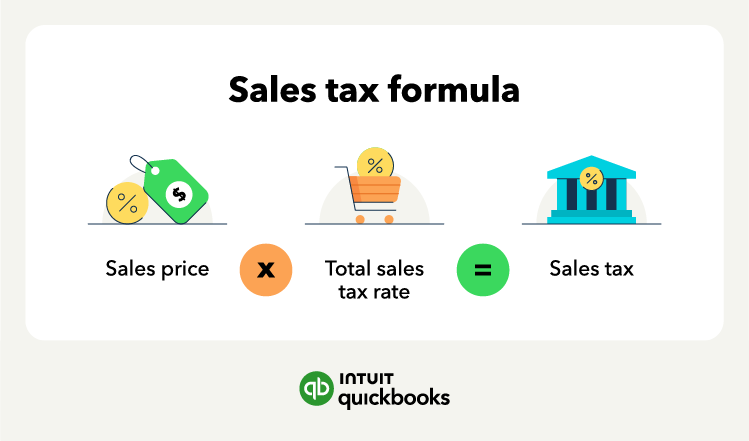
Multiply the pre-tax price by 6%, Michigan's statewide rate. On a $1,200 sale, that's $72 in tax and a $1,272 total, at any Michigan address.
No. Michigan has no city, county, or other local sales tax. The state's 6% is the whole sales tax at every address, and the rate is fixed by the state constitution. The two product-based exceptions, residential energy at 4% and motor fuel exempt since 2026, are covered above. County and local accommodation taxes on lodging do exist, administered locally. The state convention facility development tax on larger convention hotels is administered by Treasury. All are separate from the sales tax.
Generally no. Michigan taxes services only when the law names them, and it names very few: essentially telecommunications and short-term accommodations. Cleaning, lawn care, repair labor, personal care, and professional services are not taxable. Watch the goods that travel with a service. Parts on a repair bill are taxable when you itemize them, and the whole bill is taxable if you don't. Photography is taxable when the customer is buying a tangible product such as prints.
No. Food for human consumption is exempt. In Michigan that includes candy, carbonated and non-carbonated beverages, bottled water, bakery items, and dietary supplements. Prepared food is generally taxable: food sold heated, combined by the seller into a single item, or sold with eating utensils. Bakery items and unheated food sold by weight or volume, each without utensils, stay exempt. Catering and alcoholic beverages are taxable.
It depends on whether code is delivered. Prewritten software delivered to the customer by any means, including download, is taxable. Custom software written to one purchaser's specifications is not. Software as a service and cloud software are not taxable when the customer only accesses software running on the provider's system. That holds as long as no code is delivered. Digital products such as streamed or downloaded music, video, and e-books are not taxable.
Manage sales tax in QuickBooks with automation that helps you save time and stay compliant.
Save time with automated sales tax
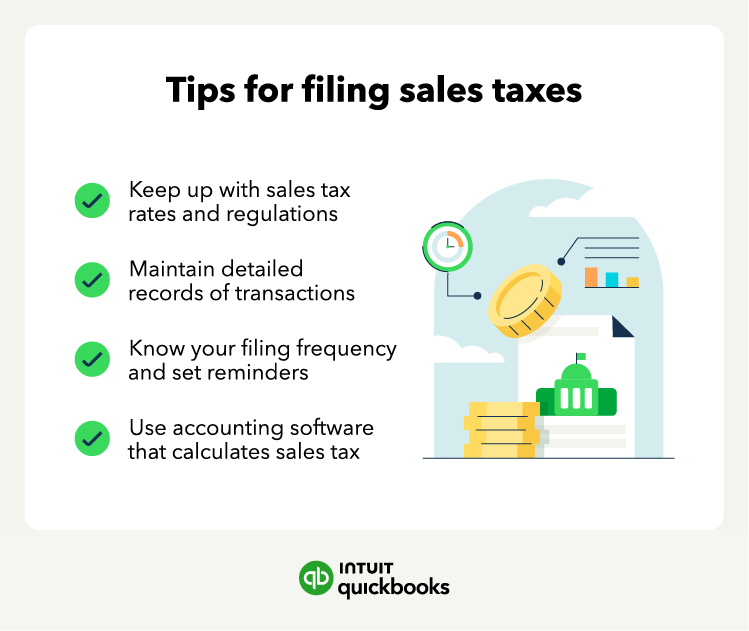
Products are automatically matched to tax categories, so you can charge the right sales tax with less manual work. Michigan returns are automatically prepared and formatted for Treasury, early enough to claim the timely-payer discount, and if you sell into other states, you can automate multi-state filing from one place.
Stay confident and compliant
File with confidence using accurate, automated calculations. Michigan's rate is flat, but taxability rules and exemptions change, and tax rates and rules are updated automatically in QuickBooks, so what you charge keeps up. Get reminders before Treasury deadlines so you can plan ahead, and know your return status with real-time updates.
Your data stays protected
Securely send returns to tax agencies and track every filing in QuickBooks.
Manage your books and sales tax in one place
Automatically calculate, collect, and track applicable sales tax from your customers. One report breaks out taxable and non-taxable sales, so you always know what to pay each agency. Prepare, file, and pay directly from QuickBooks.
Explore QuickBooks sales tax software to spend less time on tax and more time running your business.
*Sales tax filing is available as an add-on service through QuickBooks Online for $40 per filing.
You've got the rates and the rules that apply in Michigan. The harder part is applying them correctly on every sale, every quarter. QuickBooks automated sales tax calculates the right combined rate, tracks what you've collected, and shows what you owe when it's time to file.
Call Sales: 1-800-285-4854


