Nevada sales tax calculator
Know exactly what to charge at any Nevada address. Find the combined rate, the tax on any amount, and the total. Free for your business, no sign-up.
Know exactly what to charge at any Nevada address. Find the combined rate, the tax on any amount, and the total. Free for your business, no sign-up.
Done checking rates one sale at a time? QuickBooks applies the right Nevada rate, state and local included, on every invoice automatically. See how automated sales tax works
Nevada's sales tax is a tax on things, not work. Retail sales and leases of goods, which the law calls tangible personal property, are taxable. A charge for a service generally is not. The rate is layered. The 6.85% state base rate is what the Department of Taxation publishes as Nevada's base State Sales Tax rate. County-level local option sales taxes sit on top of it. The Department administers all of it on one combined state and local return.
More than half of US small businesses (56%) are carrying unpaid invoices, according to the Intuit QuickBooks Late Payments Report. Nevada does not wait for the invoice to clear. Sales tax is due at the time of the sale, regardless of when your customer pays you.
The part that trips up sellers isn't the rate layering. It's where the line between taxable and not falls. Nevada taxes goods and leaves a service alone, unless the property transferred is more than an incidental part of what the customer is paying for. So the same job can be taxable or not, depending on how you bill it.
Whether you run a boutique in Reno, build furniture in Henderson, or run a print shop in Las Vegas, here's how Nevada's rate works. You'll also see which of your sales it reaches and what to know at filing time.
Nevada's rate has two kinds of layers. The first is a 6.85% state base rate, which the Department of Taxation publishes as the base State Sales Tax rate. The second is the county-level local option sales taxes layered on top of it. There is no home-rule system. The Nevada Department of Taxation administers every local rate through one combined state and local return. Sellers do not register separately with counties or cities.
The combined rate at a Nevada address is the 6.85% base plus the local option taxes of the county to which the sale pertains. For goods, that is the county where the property is or will be delivered to your customer. The Department's State Sales Tax Map shows each county's combined rate.
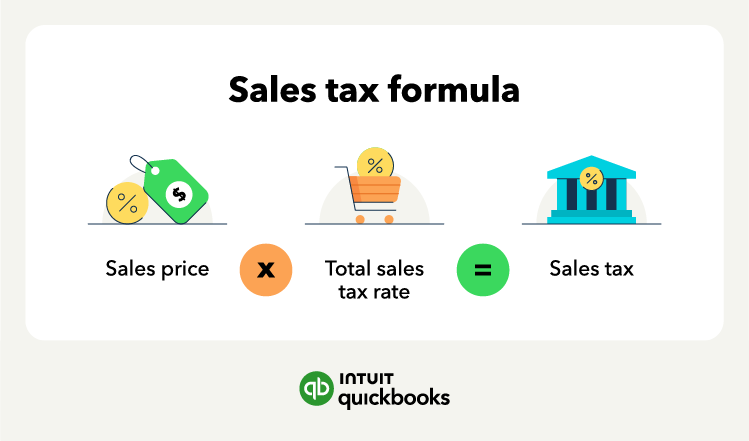
Nevada's sales and use tax reaches retail sales and leases of goods. There is no general sales tax on services and no list of taxable services. A charge for a service is not taxable unless the tangible personal property transferred in the transaction is more than an incidental part of what the customer is paying for.
The Department of Taxation applies a true-object style test to mixed transactions. If your charge is really for labor, expertise, or professional judgment, and any property transferred is incidental, the charge is not taxed. If the job amounts to selling a finished item of property, such as fabricating something new for retail sale, the whole charge is taxed. The same is true if you bill a lump sum that bundles taxable parts with labor.
That makes the invoice the decisive document. Three places where it matters:
Repairs. Repair labor is not taxed as long as the labor charge is separately stated from any taxable parts or materials on the invoice. Bill a repair as a single lump sum that includes both labor and parts, and the entire charge becomes taxable.
Whether you collect tax from the customer on the parts you supply, or instead pay tax when you buy them, turns on the value of the materials. The question is whether that value is a substantial or an insubstantial part of the total repair charge. The Department's regulations give examples on each side of that line. Tire, clothing, watch, jewelry, and shoe repairs are typically on the insubstantial side. Motor vehicle, appliance, machinery, and boat repairs are typically on the substantial side.
Garment and fur alterations follow their own version of the rule. You are treated as the consumer of thread, buttons, lining, and similar incidental supplies. A separately stated charge for additional fabric or material is a taxable sale of that item. If it is not separately stated, tax applies to the entire charge.
Fabrication versus repair. Labor that changes goods into a new or different form for a retail sale is fabrication. It is taxed as part of the sale of the finished item. Labor that restores an item to the use for which it was originally intended is repair or reconditioning. It is not taxed as long as the labor charge is separately stated. Printing is taxable. Nevada's definition of a taxable sale includes producing, fabricating, processing, printing, or imprinting tangible personal property for a customer.
Software and digital products. Nevada taxes software by how it is delivered, not by whether it is custom or off the shelf. Custom software is exempt regardless of the medium used to transfer it, including future updates, upgrades, and related support. Prewritten, or off-the-shelf, software is taxable only when it is transferred on a physical medium such as a disk or flash drive. The same prewritten software delivered electronically, with no exchange of goods, is not taxed. Computer hardware is taxable as ordinary tangible personal property.
Digital audio, video, books, and similar products with no physical carrier are not currently taxed. Bills to extend the sales tax to specified digital products have been introduced in several recent legislative sessions, and none has passed. Watch for the issue to resurface.
Nevada has issued no specific statutory or regulatory guidance on software as a service, infrastructure as a service, or platform as a service. Their non-taxable treatment rests on the general principle that no tangible personal property changes hands. That is an inference from the framework rather than a stated rule. Software maintenance agreements split. An optional contract for prewritten software that only obligates the vendor to provide support is not taxed. A mandatory contract, or an optional one that includes future updates or upgrades, is taxed.
The services Nevada leaves untaxed include accounting, legal, engineering, bookkeeping, consulting, and employment and staffing. Advertising services are untaxed too, though creating reproductions of primary advertising materials is taxable. Building maintenance and janitorial work, cleaning services of all kinds, lawn and tree care, pest control, and security and investigation services are untaxed as well. So are personal care services such as barbering, massage, tanning, and tattooing, pet care services, and most other labor-only arrangements.
Veterinary services are not taxable. But a veterinarian who sells or marks up goods to a client must collect sales tax on that portion of the charge. Medicine and retail products are examples of such goods. General and prime contracting services are not taxable either. Contractors are treated as the consumer of the materials they use. They pay sales or use tax when they buy them, and add no sales tax to the bill for finished construction work.
Leases and rentals of goods are taxable in the same way retail sales are. Lodging and room rentals are exempt from the state sales and use tax. Hotel rooms and similar stays are instead subject to separate transient lodging taxes. The county or city government administers those taxes, not the Department of Taxation.
Nevada is a destination-sourced state for goods. Under NRS 360B.360, a retail sale of tangible personal property takes place where your customer receives the property. That is your place of business if they take possession there, and otherwise the delivery location. Receiving means taking possession. A shipping company holding the goods on your customer's behalf does not count as the customer receiving them.
Nevada's return then reports your sales by the county in which the property is or will be delivered to the buyer. The Department's return form labels its county lines "county of sales/use (or county of delivery)."
Nevada's sourcing statute covers tangible personal property. It does not address services, which Nevada generally does not tax. A service-like charge is taxed when the job amounts to selling a finished item of property or is billed as a lump sum with the parts. In that case the tax rides on the property. The sale is then generally sourced the same way as any other sale of goods. Find your situation:
If you sell goods in person at your location: the sale takes place at your place of business when the customer receives the property there. Charge the combined rate for the county your location is in.
If you ship or deliver goods to Nevada customers: the sale takes place at the location indicated in the customer's delivery instructions. If there are no instructions and you know it, the sale takes place where the customer or the person they designate receives the property.
Where you shipped from does not decide the rate. The statute falls back to the ship-from address only when no delivery location, customer address, or payment address is available. Charge the combined rate for the delivery county. Keep the delivery county with the sale, because that is the county line it belongs on in your return.
If you repair, alter, fabricate, or print for a customer: separately stated repair and alteration labor is not taxed, so there is nothing to source. Tax applies on parts you sell as a retailer, on a lump-sum repair bill, on fabrication for retail sale, or on printing. Where it does, it is tax on goods, and the sale is generally sourced where the customer receives the finished item. That is your shop if they pick it up there, or the delivery location if you ship or deliver it.
If you sell through a marketplace like Amazon or Etsy: a marketplace facilitator that meets Nevada's economic nexus threshold must register and collect Nevada sales tax. That threshold is the same one described below. The facilitator must collect, send in, and report the tax on behalf of the marketplace sellers using its platform. Sales you make outside the platform, through your own website checkout, invoices, or in person, are not covered by the facilitator's collection. They remain yours to collect and report.
If you're out of state selling into Nevada: if you have no physical presence in Nevada, you must register and collect once you cross a threshold. The threshold is more than $100,000 in retail sales into Nevada, or 200 or more separate transactions into Nevada. It is measured over the previous or current calendar year. Both tests are live. Either one brings you in. Sales you make through a marketplace count toward your threshold.
Registration is due by the first day of the calendar month that begins at least 30 calendar days after you hit the threshold. Until your Nevada sales cross the threshold, you aren't required to collect Nevada tax as an out-of-state, or remote, seller. Once they do, the same sourcing rules apply to you as to a seller in Nevada. Each shipment takes place at its Nevada delivery location, and you collect the 6.85% base plus that county's local option taxes.
That threshold is only for sellers with no physical presence in Nevada. A store, office, warehouse, employees, or inventory in the state means you must register and collect on all your Nevada sales, no matter how much you sell. The Department makes one exception. If your only Nevada connection is inventory in a third party's fulfillment center, and you sell only through a marketplace facilitator that collects Nevada tax, you do not need your own permit.
Sales with their own sourcing rules. The general rule does not apply to retail sales of watercraft, modular homes, manufactured homes, or mobile homes. The same goes for retail sales of motor vehicles, trailers, semitrailers, and aircraft other than transportation equipment.
Leases and rentals with recurring payments follow a modified rule. The first periodic payment is sourced like a sale. Later payments are sourced to the property's primary location, the address the lessee gives you for it. Two kinds of lease differ. Leases of motor vehicles, trailers, semitrailers, and aircraft that are not transportation equipment are sourced to the property's primary location for every payment. That includes the first payment. Leases of transportation equipment are sourced like a sale.
Advertising and promotional direct mail is sourced to the jurisdictions where it is delivered to recipients. That applies when the buyer gives you the required documentation or delivery information.
Worked example. You build furniture in Reno and sell a $1,000 table.
Same table, same week, a different rate and a different line on your return. Keep the delivery county with every sale.
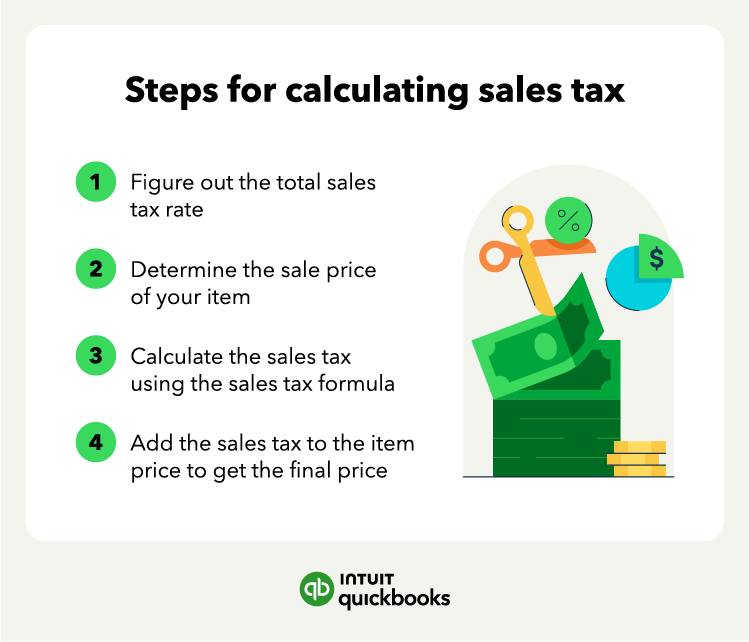
Nevada is a full member of the Streamlined Sales and Use Tax Agreement. So its definitions of food, candy, soft drinks, prepared food, and drugs follow the Agreement's uniform library of definitions rather than Nevada-only wording. The exemptions that matter most to small sellers:
Groceries: food for human consumption is exempt. The exemption carves out several categories that stay fully taxable. They are alcoholic beverages, pet food, tonics and vitamins, and prepared food intended for immediate consumption.
Candy and soft drinks, which Nevada treats as food: unlike many other states, Nevada does not exclude candy or soft drinks from the food exemption. So both are exempt as food. They become taxable only when they independently meet the same prepared-food test as any other grocery item.
Prepared food: taxable. An item is prepared food in three situations:
Bakery items are exempt when sold without utensils for off-premises consumption. Bread, rolls, cakes, pies, donuts, and cookies are examples. That holds even though they would otherwise look like prepared food.
Clothing: taxable. Nevada does not exempt clothing. That covers general clothing, footwear, clothing accessories, protective clothing and equipment, sports and recreational equipment, and special-order clothing. All are taxed the same as any other retail sale of goods. One exception: diapers, child and adult, including disposable diapers, have been exempt since January 1, 2025. The exemption runs through 2050 under current law.
Alteration labor on a garment your customer already owns is exempt. The condition: you separately state the charge for any materials you furnish. Billed with the materials as one lump sum, the whole charge is taxed. When altering a new garment is part of producing the custom item you sell, the Department treats it as taxable fabrication labor.
Prescription drugs and medical equipment: prescription drugs and medicine are exempt in three situations:
Durable medical equipment, mobility enhancing equipment, and oxygen delivery equipment are exempt when prescribed for human use. The prescriber has to be a licensed provider of health care acting within the scope of their practice. Payment by Medicare or Medicaid is a separate and independent basis for exemption. So a prescribed item does not lose the exemption when the purchase is self-pay. The same holds when private insurance covers it. A narrow set of items falls outside the exemption unless Medicare or Medicaid pays for them. That set includes corrective eyeglasses, contact lenses, and hearing aids.
Software and digital products: custom software is exempt however it is delivered. Prewritten software is taxable only when transferred on a physical medium. Electronically delivered software and digital products with no physical carrier are not taxed. The full rules are above.
Newspapers, but not magazines: newspapers are exempt as long as they are issued at average intervals not exceeding one week. Magazines and other periodicals do not qualify for the exemption. They are taxable.
Containers and packaging: containers, labels, packaging, and wrappers are generally exempt when you buy them to fill and sell with the goods you sell. In that case they pass to your customer with the contents. Packaging and supplies you keep and use in your own operations are not covered by the exemption. They are taxable to you.
Selling a mix of taxable and exempt items is where receipts get messy. Track the two buckets separately from the start.
Use tax is the buyer's side of the same tax. Nevada imposes it on the storage, use, or other consumption in Nevada of tangible personal property purchased from a retailer. It reaches property acquired out of state in a transaction that would have been a taxable sale if it had occurred in Nevada.
If sales tax was already paid on the property, use tax does not apply. The person storing, using, or consuming the property is liable for it. That liability is not extinguished until the tax is paid, except that a receipt from a retailer registered to collect Nevada tax relieves the buyer for the tax it covers.
Local taxes apply on the use side as well. The use tax rate is the same as the sales tax rate in the county where the property is used, including any local surcharges. So it is the 6.85% base plus that county's local option taxes.
For a business, this shows up when you buy equipment, supplies, or software on a disk from a vendor that is not registered to collect Nevada tax, and use it in your business. It also shows up when you take an item out of your resale inventory for your own use.
Say your Henderson print shop buys a $3,000 wide-format printer from an out-of-state vendor that doesn't charge Nevada tax. The printer is delivered to the shop. You owe Nevada use tax on the $3,000 at Clark County's combined rate, 8.375% on the Department's map. That is $251.25, reported on the Clark County use tax line of your return.
If you paid another state's tax, Nevada credits sales tax paid to another state against the use tax you owe. If that state's rate was lower than the rate in your Nevada county, you report the difference.
How you report it. A retailer reports use tax on the same combined sales and use tax return, segregated by county. That is the county where the property was delivered to you. If you brought the property into Nevada yourself, it is the county where you first use, store, or consume it.
A business that does not sell and holds no seller's permit registers for a consumer use tax account and files a consumer use tax return. Examples are a contractor or a service-only business. The Department requires all service-based businesses to register for one. That return must be filed even when no tax is due.
Nevada's only sales tax holiday is narrow. It is limited to active-status resident Nevada National Guard members. Their qualifying relatives living at the same address are included too. It does not apply to the general public. It recurs each year around the state's Nevada Day observance, the last Friday in October. It runs for a short window through the Sunday that follows.
The Department announces the exact dates and the claim procedure each year. Nevada has moved from a point-of-sale exemption letter to an after-the-sale refund request. The request is made within a set window of the purchase. So check the Department's Nevada National Guard exemption FAQs for the current-year dates and process. For every other seller and shopper, there is no tax-free weekend in Nevada.
Nevada's filing calendar changed in 2026, so check your dates:
Returns and payment are due on the 20th. Beginning with the January 2026 filing period, sales and use tax returns and payments are due by the 20th day of the month following the end of the reporting period. The Department gives February 20, 2026 as the effective date of the new schedule. If the 20th falls on a weekend or recognized holiday, payment is due the next business day. The change came from Assembly Bill 594 (2025). Before it, many businesses had until the last day of the following month. So a calendar built on the old deadline now runs about ten days late.
Monthly is the default; smaller sellers file quarterly or annually. A seller whose taxable sales do not exceed $10,000 per month reports and pays by calendar quarter. A quarterly filer moves to a 12-month period if it owed no tax for the preceding three quarters, or if its taxable sales did not exceed $1,500 over the preceding four quarters. It stays there unless taxable sales exceed $1,500 for the year or $10,000 in a calendar month. Everyone else files monthly. The Department can also require other reporting periods when it deems that necessary to ensure collection.
One return, broken out by county. Nevada has one combined sales and use tax return for the state tax and every county's local taxes. There is no separate registration with counties or cities. On that return, your gross receipts are segregated and reported separately for each county to which a sale pertains. That is the county where the property is or will be delivered to your customer. The return form's county lines are labeled "county of sales/use (or county of delivery)." Keeping the delivery county with each sale turns that breakout into a sort, not a research project.
File online, and pay electronically at $10,000 and up. Returns can be filed and paid through the Department's My Nevada Tax portal, which performs the calculations for you. If your total payment is $10,000 or more, you must pay electronically.
File every return, including zero returns. The Department's return instructions say it in capitals: a return must be filed even if no tax liability exists.
Tip: if a rate error slips through, fix the rate first, then correct the affected returns. Undercollect and the difference comes out of your pocket. Overcollect and you owe refunds. Tax you collected as tax is never yours to keep.
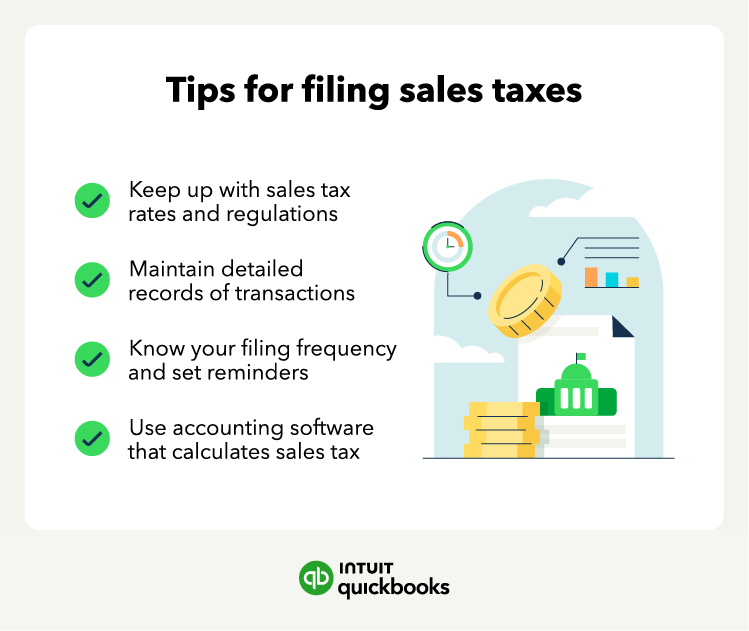
Multiply the pre-tax price by the combined rate for the county where your customer takes delivery. That is the 6.85% state base plus that county's local option taxes. Take a $1,200 sale delivered to a customer in Las Vegas, in Clark County. The Department's map shows 8.375% there, so that's $100.50 in tax and a $1,300.50 total.
No. Every taxable Nevada sale carries the 6.85% state base rate. Counties layer local option sales taxes on top of it. So the combined rate depends on the county to which the sale pertains. For goods, that is the county where the property is or will be delivered to the customer. The Nevada Department of Taxation administers all of those local rates on one combined return. Its State Sales Tax Map shows each county's rate. It also includes an alphabetical list of Nevada cities and the county each one is in.
Generally, no. Nevada taxes retail sales and leases of tangible personal property and has no general sales tax on services. A service charge is not taxable unless the property transferred is more than an incidental part of what the customer is paying for. Accounting, legal, consulting, janitorial, lawn care, pest control, personal care, and pet care services are not taxed. Watch the invoice. Repair labor is exempt only when it is separately stated from the parts. A lump-sum repair bill is taxed in full. Fabrication labor that creates a new item for retail sale is taxable, as is printing.
No. Food for human consumption is exempt. Nevada does not exclude candy or soft drinks from that exemption. Alcoholic beverages, pet food, tonics and vitamins, and prepared food intended for immediate consumption are taxable. Food is prepared food in three situations:
Only one, and it is not for the general public. Nevada's sales tax holiday is limited to active-status resident Nevada National Guard members and their qualifying relatives living at the same address. It recurs each year around the Nevada Day observance, the last Friday in October, through the Sunday that follows. It is now claimed as an after-the-sale refund request within a set window of the purchase. The Department of Taxation publishes each year's dates and procedure.
Manage sales tax in QuickBooks with automation that helps you save time and stay compliant.
Save time with automated sales tax
Products are automatically matched to tax categories, so you can charge the right sales tax with less manual work. Nevada returns are automatically prepared and formatted for the Department of Taxation, with your collections allocated by county, and if you sell into other states, you can automate multi-state filing from one place.
Stay confident and compliant
File with confidence using accurate, automated calculations. Nevada county rates change, and tax rates and rules are updated automatically in QuickBooks, so the rate you charge keeps up. Get reminders before Department of Taxation deadlines so you can plan ahead, and know your return status with real-time updates.
Your data stays protected
Securely send returns to tax agencies and track every filing in QuickBooks.
Manage your books and sales tax in one place
Automatically calculate, collect, and track applicable sales tax from your customers. One report breaks out taxable and non-taxable sales, so you always know what to pay each agency. Prepare, file, and pay directly from QuickBooks.
Explore QuickBooks sales tax software to spend less time on rates and more time running your business.
*Sales tax filing is available as an add-on service through QuickBooks Online for $40 per filing.
You've got the rates and the rules that apply in Nevada. The harder part is applying them correctly on every sale, every quarter. QuickBooks automated sales tax calculates the right combined rate, tracks what you've collected, and shows what you owe when it's time to file.
Call Sales: 1-800-285-4854


