Ohio sales tax calculator
Know exactly what to charge at any Ohio address. Find the combined rate, the tax on any amount, and the total. Free for your business, no sign-up.
Know exactly what to charge at any Ohio address. Find the combined rate, the tax on any amount, and the total. Free for your business, no sign-up.
Done checking rates one sale at a time? QuickBooks applies the right Ohio rate, state and local included, on every invoice automatically. See how automated sales tax works
Ohio's combined rate at any address is the 5.75% state sales tax plus the permissive sales tax of the county. A regional transit authority tax is added where one applies. All 88 counties levy a permissive tax on top of the state rate. Several regional transit authorities levy one of their own. The Ohio Department of Taxation administers all of it.
The average American side hustle brings in about $2,038 a month, according to Intuit QuickBooks entrepreneurship research. At that size, an Ohio seller is squarely in the system. You need a vendor's license, you charge a combined rate that depends on where the sale is sourced, and you file a return with the state that separates taxable sales by county.
What makes Ohio different isn't the layering. It's two signature twists. Food is exempt whenever it is consumed off the premises where it is sold, even hot restaurant food sold to go. Cloud services are taxable only when the customer uses them in business. Add a long list of taxable services, several of which switch on only after $5,000 of sales in a year. Then the question "is this sale taxable?" matters as much as "at what rate?"
Whether you run a boutique in Columbus, detail cars in Cleveland, or repair appliances in Cincinnati, here's how Ohio's rate works. You'll also see which of your sales it reaches and what to know at filing time.
Ohio's state sales tax rate is 5.75%. The combined rate at any address is that state rate plus the local sales taxes imposed there. There are up to three layers:
All 88 counties levy a permissive sales tax on top of the state rate. Several regional transit authorities levy one as well. Local rates change only at the start of a calendar quarter. The Department's rate lookup, the Finder, gives the combined rate for any Ohio address.
There is no county-level filing. You hold a vendor's license from the state. The return you file with the Department (the UST-1) separates taxable sales by county. You never file with a county tax office. A storefront's regular vendor's license is issued through the county auditor, but that is a one-time licensing step. All money and returns run through the state.
Ohio taxes more services than most states. A service is taxable only if it appears on Ohio's list of taxable services. But the list reaches deep into Main Street. When a service is on it, your charge for that service carries the combined rate. Taxable services include:
Services that are not taxable, because Ohio hasn't named them, include professional services such as legal, accounting, and engineering work; hair cutting and styling; veterinary services; pet grooming, boarding, and training; instruction and lessons; trash and garbage removal; moving household goods; travel agency services; and photography as a service, though tangible prints and photo media are taxable goods. One piece of older guidance is out of date. Ohio repealed its tax on employment and employment placement services effective October 1, 2021, so staffing is no longer taxable.
The business-use rule for digital services. Software as a service, cloud services, automatic data processing, and electronic information services are taxable only when provided for use in business. Sales to consumers for personal use are not taxable. The Department instructs providers to ask customers at signup whether the use is business or personal. The Department lets sellers rely on that representation unless it is unreasonable on its face. Nonprofits count as business use. Sales of these services between members of an affiliated group are not taxable sales. That is a group where one member owns or controls the other.
Professional services delivered through computers stay nontaxable under the true object test. Examples are accounting, legal work, consulting, training, and custom software development.
What this means for a seller: before you price a service, check the Department of Taxation's taxability guidance. Check it in both directions, for services you assumed were exempt and for services you assumed were taxable. If you sell janitorial, lawn, or snow services, track your calendar-year sales of each against the $5,000 line.
The county and transit authority taxes are added to the state tax at the sourcing location of the sale. So the combined rate is the rate where the sale is sourced under the rules below. If you are required to collect Ohio sales tax, you collect the county and transit taxes that apply at that location as well. You collect them on the same vendor's license and report them on the same return.
Ohio's sourcing rule depends on what you sell. For goods sold by an Ohio vendor to an Ohio customer, Ohio is an origin-sourced state. Under Ohio Rev. Code § 5739.033 and the Department of Taxation's sourcing release, the sale is sourced to the location where you receive the order. It is not sourced to the location you ship from and, in most cases, not to the delivery address. For services, Ohio is destination-sourced. The sale is sourced to where your customer receives the service. Ohio law defines that as where the customer makes first use of it.
Sales by out-of-state sellers and sales made through a marketplace are sourced to where the customer receives the goods or the service. The county and transit authority taxes follow the same sourcing as the state tax. So the combined rate is always the rate at the sourcing location. Find your situation:
If you sell goods in person at your location: when the customer receives the goods at your place of business, the sale is sourced there. Charge your location's combined rate. A vendor that does not sell from a fixed location sources each sale to the location where the sale takes place.
If you ship or deliver goods to Ohio customers: the sale is sourced to the location where you receive the order, provided:
"Where the order is received" means the physical location where the order first comes in. That can be your business or a third party acting for you, such as a store, an office, or an automated order-receipt system. It is not where the order is later accepted, filled, or shipped from.
For an Ohio retailer, that is generally your own store's or office's combined rate on every Ohio delivery. That holds whichever county the customer lives in. If your system does not capture where orders are received, the Department treats the sale as a sale from outside Ohio. The same holds if an order is received at a location outside Ohio. The sale is then sourced to the location where the customer receives the goods instead.
If you repair, alter, clean, or otherwise work on a customer's property: a service is received where the customer makes first use of it. The Department's own guidance is that repair services are sourced to the location where the customer gets possession of the repaired object. So if the customer picks the item up at your shop, that is your shop's rate. If you deliver it back to them, that is their address's rate. Garment alterations, vehicle detailing, dry cleaning, and other taxable services performed on a customer's goods are generally sourced the same way.
If you perform a service at the customer's location: the service is generally received where it is performed. For building maintenance and janitorial services, the Department says the rate is determined by the county where the customer receives the benefit of the service. That is where the building is located. A provider serving buildings in more than one county must separate the charges and bill tax at each county's rate. Exterminating service is sourced to the location where the eradication takes place. Lawn care, landscaping, and snow removal are generally sourced to the property where the work is done.
If you provide personal care services: skin care, manicures, tanning, massage, and the other taxable personal care services are generally sourced to where you perform them on the customer. That is your salon, or the customer's home if you travel to them.
If you sell software as a service or other business-use digital services: the sale is sourced to the location where your business customer receives the service. If you don't know where it is received, it is sourced to the customer's address in your business records. A business customer that will use the software or service in more than one taxing jurisdiction at once can give you an exemption certificate claiming multiple points of use. That customer then pays the tax directly to the state.
If you sell through a marketplace like Amazon or Etsy: since September 1, 2019, a marketplace facilitator with over $100,000 in aggregate Ohio sales, or 200 or more transactions, is treated as the seller for the sales it facilitates. Aggregate means its own sales plus everything it facilitates. The facilitator collects state and local tax at the destination, the location where the customer receives the goods or service. A seller whose Ohio sales run only through collecting marketplaces does not need its own license. Your own website checkout, invoices, and in-person sales remain your responsibility to collect and report.
If you're out of state selling into Ohio: you must register and collect once you have $100,000 in retail sales into Ohio or 200 or more separate transactions in the previous or current calendar year. Ohio still has its 200-transaction trigger, unlike several neighboring states that repealed theirs. Marketplace sales count toward your threshold even though the marketplace collects on them. Registration and collection start the day after you meet the threshold.
Until you've crossed the threshold, you aren't required to collect Ohio tax, provided you have no physical presence in Ohio. A business with a store, office, warehouse, or inventory here, or with employees or agents working here, must register and collect no matter how much it sells. Once you have crossed the threshold, each sale is sourced to the location where your Ohio customer receives the goods or the service. If you don't know that location, the sale is sourced to the customer's address in your business records. You collect the state tax plus the county and transit taxes at that location.
Sales with their own sourcing rules. Sales of titled motor vehicles, titled watercraft, and titled outboard motors are outside these rules. So are telecommunications services and direct mail. Lodging is sourced to where the lodging is located. A lease or rental with recurring payments follows a modified rule. The first payment is sourced like a sale. Later payments are sourced to the address where the property is kept.
For certain leases longer than 30 days, the tax on the total of all lease payments is collected up front when the lease is signed. Those are leases of a motor vehicle built to carry one ton or less, a watercraft, an outboard motor, or an aircraft. They also include leases of other property the customer will use primarily for business. That up-front tax is sourced to where the property is kept for a vehicle or aircraft, and like a sale for other property.
Taxable services sold with goods on one invoice get one more rule. If the two would otherwise be sourced to different places, the whole transaction is sourced to where you received the order.
Worked example. You build furniture in Akron and sell a $900 table.
Same shop, same week, different lines on your return. Ohio's return separates taxable sales by county, so keep the sourcing location with every sale.
Every sale in Ohio is presumed taxable unless an exemption applies. The exemptions that matter most to small sellers:
Groceries and carryout food: food for human consumption off the premises where sold is exempt. The rule is about where the food is eaten, not how it is prepared. Carryout, drive-thru, and delivered food is exempt, including hot prepared restaurant food, sandwiches, candy, and bakery items. Ohio has no "prepared food" taxable category. The same items sold for consumption on the premises, dine-in, are taxable.
"Food" excludes soft drinks, dietary supplements, alcoholic beverages, and tobacco, so those are taxable everywhere. Soft drinks are sweetened nonalcoholic beverages, unless milk-based or more than 50 percent juice, which stay exempt. Dietary supplements are identified by the Supplement Facts label test. Bottled water is exempt sold to go and taxable consumed on site.
Catering splits by location. Catering at the caterer's own or arranged facility is fully taxable (food, beverages, and equipment). Catering at a location the customer arranges is taxable on beverages and equipment rentals, but the food itself is exempt off-premises food. A restaurant's registers need to distinguish dine-in from carryout. That distinction, not the menu, drives the tax.
Clothing: taxable year-round. Clothing, footwear, accessories, protective clothing, and sports apparel are taxable as tangible personal property. The August sales tax holiday, covered below, is the exception.
Software and digital products: prewritten software is taxable regardless of delivery method, physical or downloaded. Custom software developed to a specific purchaser's specifications is a nontaxable professional service. Reasonable, separately stated customization charges on prewritten software are excluded from tax. Specified digital products are taxable to all buyers, business or consumer. These are digital audio, video, and books, downloaded or streamed, permanent or by subscription. Digital photographs, digital newspapers, and digital magazines are not taxable.
Software maintenance contracts that provide upgrades or updates to prewritten software are taxable. Support-only contracts are exempt. A bundled contract with unseparated taxable and exempt elements is fully taxable. Computer hardware is taxable. Internet access is not.
Prescription drugs and medical items: drugs dispensable only by prescription are exempt, along with insulin, diabetic testing supplies and syringes, and medical oxygen for care facilities. Over-the-counter drugs and medicines are taxable, as are vitamins and supplements. Prosthetic devices, durable medical equipment for home use, and mobility enhancing equipment are exempt only when sold pursuant to a prescription for human use. An unprescribed cane or walker is taxable. Prescription eyeglasses and contact lenses are exempt, and so are feminine hygiene products. Since October 1, 2023, these are exempt as well:
Adult diapers stay taxable except under a narrow Medicaid-prescription rule.
Newspapers and magazines: sales of newspapers are exempt, in print and digital form. Printed magazines and periodicals are generally taxable, with a narrow exemption for controlled-circulation publications distributed by subscription. Printing and producing goods for customers is taxable fabrication.
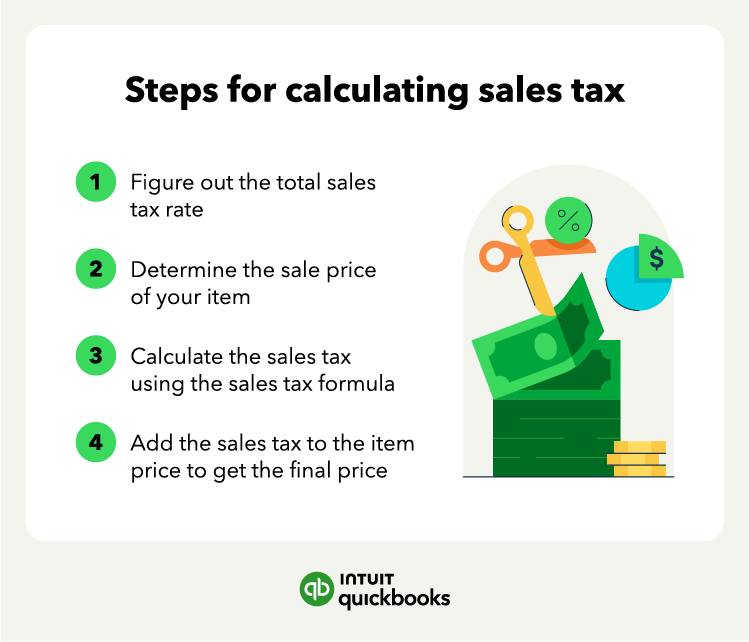
Selling a mix of taxable and exempt items is where receipts get messy. For an Ohio restaurant, that means dine-in and carryout. Track the two buckets separately from the start.
Use tax is the buyer's side of the same tax. It applies to the storage, use, or consumption of tangible personal property and to certain services. If an item that is normally subject to sales tax is purchased without the tax being collected, the buyer must pay the use tax. That is often the case with mail-order or internet transactions. Purchases that are exempt from sales tax stay exempt from use tax as well.
The consumer is liable for the tax until it is paid to the state. The consumer is relieved of that liability once the tax has been paid to a seller.
The state use tax rate is 5.75%, the same as the state sales tax rate. The use tax rates are the same as the sales tax rates. Ohio does have local use tax: every county that levies a permissive sales tax levies a use tax at the same rate. So does every transit authority that levies a sales tax. That means the use tax you owe on an untaxed purchase is the full combined rate for the county where you use the item. You can look it up in the Finder.
Say you buy a $3,000 commercial mixer for your Toledo bakery from an out-of-state seller that doesn't charge Ohio tax. You owe $172.50 in state use tax plus your county's use tax at its sales tax rate. If you paid another state's sales tax on the purchase, Ohio credits that amount against the use tax you owe.
Two things an Ohio buyer should know. Say you paid an Ohio vendor sales tax on goods at the rate where the vendor received your order, or at the rate where you received the goods. Either way, you owe no additional Ohio sales or use tax on that transaction. For services, you owe use tax based on where you use the service. So if the rate there is higher than the rate the provider charged, the difference is still due.
How you report it. A business registers for a consumer's use tax account through OH|TAX eServices or with the paper UT 1008 application. It files returns monthly or quarterly, depending on how much tax it owes per year. It files and pays electronically through OH|TAX eServices. Returns are due on the 23rd day of the month following the end of the period. If your purchases made without paying sales tax are infrequent, use tax may be paid instead with the voluntary payment form, VP USE.
Ohio holds an August holiday every year, but its size flips with state finances. Two formats exist in statute:
Check the Department's sales tax holiday page each June to learn which format and dates apply. Do not assume the $500 version recurs.
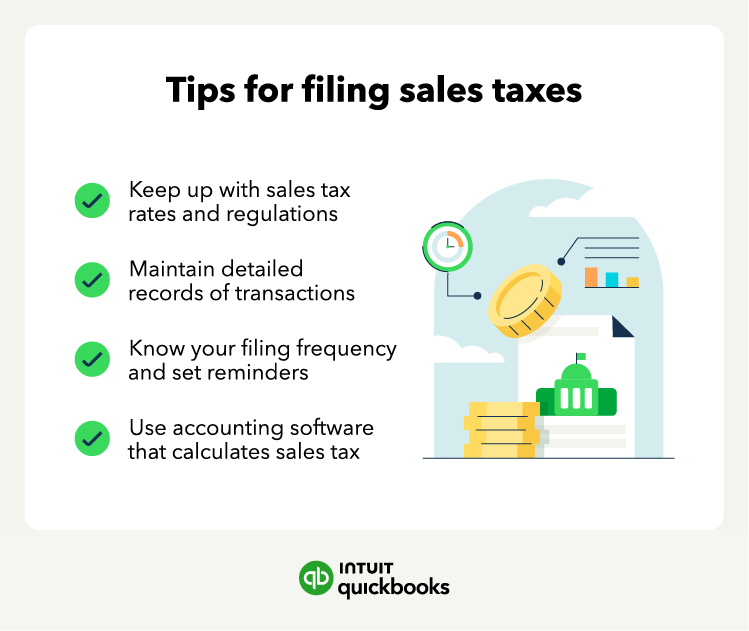
Returns are due the 23rd of the following month. A vendor files a return for the preceding month and pays the tax shown on it by the 23rd day of each month. January's return is due February 23. The Department may authorize semi-annual filing for vendors whose tax liability is less than $1,200 per six-month period. The return for January through June is due July 23. The return for July through December is due January 23. If a due date falls on a weekend or holiday, the due date is the next business day.
Everything is filed electronically. All sales and use taxpayers, regardless of volume, are required to file electronically. Taxpayers with over $75,000 in annual tax liability must pay electronically as well. A vendor whose tax for a calendar year reaches $75,000 is also placed on accelerated payments beginning the second calendar year after. By the 23rd of each month, it sends in 75 percent of that month's anticipated tax. The next month's return settles the balance after the amount already paid.
You can key the UST-1 in its entirety in OH|TAX eServices or upload the return data from a file. Vendors with a regular county vendor's license filing for a single county can use TeleFile by phone.
One return, by county. The UST-1 separates taxable sales by county, and there is no county-level filing. You hold a vendor's license and never file with a county tax office. The county and transit taxes at each sale's sourcing location go on the same return as the state tax. The Finder's upload tool can total your taxable transactions by county for the reporting period. That turns the county breakout into a sort rather than a research project.
File every return, including zero returns. You must file a sales tax return even if you made no sales during the period. A business registered for a vendor's license is required to file a return until the license is closed with the Department. States penalize missing paperwork, not just missing money.
Tip: if a rate error slips through, fix the rate first, then correct the affected returns. Undercollect and the difference comes out of your pocket. Overcollect and you owe refunds. Tax you collected as tax is never yours to keep.
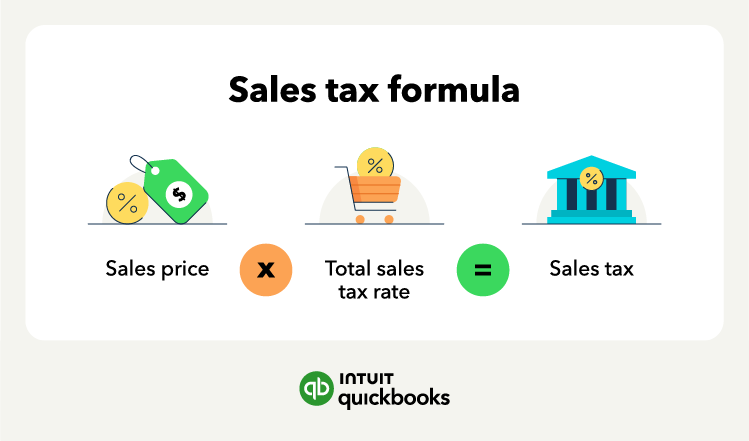
Multiply the pre-tax price by the combined rate at the sourcing location: the 5.75% state rate plus the county permissive tax and any transit authority tax there. For goods you sell from an Ohio location, that is generally the combined rate where you receive the order. For services, it is the combined rate where your customer first uses the service. On a $1,200 sale sourced to Akron, where the combined rate is 6.75%, that's $81 in tax and a $1,281 total.
It depends on what you sell. For goods sold by an Ohio vendor, the sale is sourced to the location where you receive the order. So an Ohio retailer generally charges its own location's combined rate on deliveries anywhere in Ohio, as long as its system records where each order is received.
For services, the sale is sourced to where the customer makes first use of the service. For repairs, that is where they get the repaired item back. For on-site work, it is the property where the work is done. Out-of-state sellers and marketplaces source each sale to where the customer receives the goods or service. The county and transit taxes follow the same rule as the state tax, and the Finder gives the combined rate at any address.
Only if your service is on Ohio's list of taxable services, but that list is long. Repair and installation, laundry and dry cleaning, car washing and detailing, exterminating, personal care services such as manicures, tanning, tattooing, and massage, storage, towing, and business-use software as a service are all on it. Installing something that becomes part of real property is a construction contract rather than a taxable installation. You pay tax on your materials and charge the customer nothing.
Building maintenance and janitorial services, lawn care and landscaping, and snow removal by mechanized means become taxable once your sales of that service reach $5,000 in a calendar year. Hair cutting, coloring, and styling, professional services such as legal and accounting work, veterinary care, pet grooming, and instruction and lessons are not taxable.
Food for consumption off the premises where it is sold is exempt. That includes carryout, drive-thru, and delivered restaurant food, hot or cold, as well as candy and bakery items. The same food sold for consumption on the premises is taxable. Soft drinks, dietary supplements, alcoholic beverages, and tobacco are taxable everywhere. Bottled water is exempt to go but taxable consumed on site.
The first weekend in August, every year, but the format varies. In a default year, clothing priced $75 or less and school supplies and instructional materials priced $20 or less per item are exempt. That holiday runs from the first Friday of August through the following Sunday. In 2026 it ran August 7 through 9 in that format. In a year the state certifies surplus funding, the holiday expands to all tangible personal property priced $500 or less per item, with a few exclusions. It can run longer than three days. The tax commissioner announces the dates by June 1, so check the Department's holiday page each June.
Manage sales tax in QuickBooks with automation that helps you save time and stay compliant.
Save time with automated sales tax
Products are automatically matched to tax categories, so you can charge the right sales tax with less manual work. Returns are automatically prepared and formatted for your state, and if you sell into other states, you can automate multi-state filing from one place.
Stay confident and compliant
File with confidence using accurate, automated calculations. Tax rates and rules change, and they are updated automatically in QuickBooks, so what you charge keeps up. Get reminders before filing deadlines so you can plan ahead, and know your return status with real-time updates.
Your data stays protected
Securely send returns to tax agencies and track every filing in QuickBooks.
Manage your books and sales tax in one place
Automatically calculate, collect, and track applicable sales tax from your customers. One report breaks out taxable and non-taxable sales, so you always know what to pay each agency. Prepare, file, and pay directly from QuickBooks.
Explore QuickBooks sales tax software to spend less time on tax and more time running your business.
*Sales tax filing is available as an add-on service through QuickBooks Online for $40 per filing.
You've got the rates and the rules that apply in Ohio. The harder part is applying them correctly on every sale, every quarter. QuickBooks automated sales tax calculates the right combined rate, tracks what you've collected, and shows what you owe when it's time to file.
Call Sales: 1-800-285-4854


