Oklahoma sales tax calculator
Know exactly what to charge at any Oklahoma address. Find the combined rate, the tax on any amount, and the total. Free for your business, no sign-up.
Know exactly what to charge at any Oklahoma address. Find the combined rate, the tax on any amount, and the total. Free for your business, no sign-up.
Done checking rates one sale at a time? QuickBooks applies the right Oklahoma rate, state, city, and county included, on every invoice automatically. See how automated sales tax works
Oklahoma's sales tax is layered. The state rate is 4.5%, levied by the Legislature. City and county sales taxes stack on top of it wherever a sale is sourced. The Oklahoma Tax Commission administers, collects, and distributes the local taxes along with the state tax. So you register once and file one combined return.
The average American side hustle brings in about $2,038 a month, according to Intuit QuickBooks entrepreneurship research. At that size, an Oklahoma seller is squarely in the system. You need one permit. You charge a combined rate of 4.5% plus whatever city and county tax applies where each sale is sourced. Your state return carries every city and county tax on it.
What makes Oklahoma different isn't the layering. It's what the tax reaches. Oklahoma taxes sales of goods and a closed list of specifically named services. And since August 29, 2024, the state's 4.5% share of the tax no longer applies to groceries, while the city and county share still does. Whether you run a boutique in Oklahoma City, a print shop in Tulsa, or a food truck in Norman, here's how Oklahoma's rate works. You'll also see which of your sales it reaches and what to know at filing time.
Oklahoma's state sales tax rate is 4.5%. The combined rate at an Oklahoma address is 4.5% plus the sales taxes of the city and county where the sale is sourced. Each local layer applies where that city or county imposes a sales tax. There are three possible layers:
Local rates stack on top of the 4.5% state rate, and the local taxes are state-administered. There is no separate local registration and no separate local return for sales tax. You hold one Oklahoma sales tax permit. You collect the state tax plus every city and county tax that applies where the sale is sourced. You report all of it, by city and county, on one combined return to the Oklahoma Tax Commission.
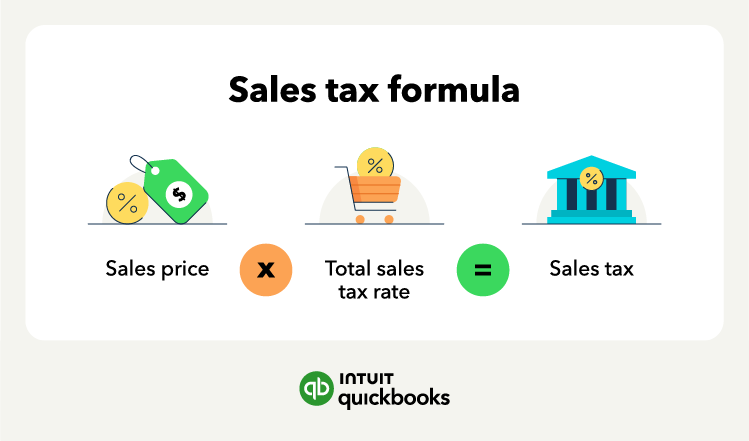
Since August 29, 2024, food and food ingredients are exempt from Oklahoma's state sales tax under HB 1955 (2024). The exemption applies only to the state portion. All local city and county sales and use taxes still apply to groceries. A grocery basket rung up in a city with a city sales tax, in a county with a county sales tax, carries both of those local taxes. It carries none of the 4.5% state tax.
"Food and food ingredients" means grocery-store food items. It includes candy, soft drinks in bottles or cans, non-carbonated bottled beverages, bottled water, milk, and baby food. All of those are exempt from the state tax and still subject to local tax.
The exemption excludes prepared food, alcoholic beverages, dietary supplements and vitamins, self-serve fountain drinks, tobacco, and food prepared by the seller. Those remain subject to the full state tax plus local tax. Sandwiches, sushi, cakes, rotisserie chicken, hot foods, and other food made by the seller are prepared food. Catering and vendor sales of meals are taxable too. The 2024 change did not touch them.
Under the statute, prepared food generally also includes food sold with eating utensils you provide, such as plates, cups, forks, or straws, even if you did not make it. Some food generally stays in the food-and-food-ingredients bucket when you provide no utensils. That covers food sold unheated by weight or volume as a single item, and food that still needs cooking rather than just reheating. Bakery items are generally taxable when prepared, heated, or sold by the seller. Unheated packaged bakery items not made by the seller, such as packaged donuts, pastries, or cupcakes, count as food and food ingredients. That means exempt from state tax, subject to local tax.
What this means for a seller: one receipt can carry two different rates. Grocery items get the local-only rate, and everything else gets the full combined rate. Your point of sale needs to know which bucket each item belongs in.
Cities and counties impose their own sales taxes, but the Oklahoma Tax Commission administers, collects, and distributes them. This is not a home-rule, self-administration model. Local taxes apply where the sale is sourced, under the same rules as the state tax. The Tax Commission's sourcing rule sources every sale "to the location for which city and county sales taxes will be charged." A county's sales tax applies only when the point of sale is within that county.
For goods, that is the place where your customer takes possession: your counter if they pick up in person, the delivery address if you ship. For taxable services, it is generally the place where your customer first uses the service. If you are required to collect Oklahoma sales tax, you collect the applicable city and county tax as well. You collect it under the same permit and on the same return.
Oklahoma is a destination-sourced state. Under 68 O.S. § 1354.27 and the Oklahoma Tax Commission's sourcing rule, a sale is sourced to the place where your customer receives what they bought. For goods, that is where they take possession. For services, it is where they first use the service. Your own location decides the rate when the customer receives the product there. Where you shipped from decides it only as a last resort, when none of the customer-address rules can be applied. City and county taxes follow the same sourcing as the state tax. Find your situation:
If you sell goods in person at your location: when the customer receives the product at your business location, the sale is sourced to that location. The Tax Commission puts it plainly. When a product is sold at your place of business, that location is the "source." You charge the rate for your place of business.
If you ship or deliver goods to Oklahoma customers: when the customer does not receive the product at your location, the sale is sourced to where receipt occurs. That includes the delivery address in the instructions you were given. Possession by a shipping company on behalf of the customer does not count as receipt. So handing a package to a carrier at your dock does not source the sale to your shop. It is sourced to the point of delivery. In the Tax Commission's words, if you ship goods, you collect at the rate in effect at the location where delivery occurs. One exception is written into the statute: all sales by florists are sourced to the florist's business location.
If you sell taxable services: most services aren't taxable in Oklahoma (see below). For the ones that are, such as printing and admissions, "receipt" means making first use of the service. So the sale is generally sourced to where your customer first uses it. A print job the customer picks up at your shop is generally sourced to your shop. One you deliver is generally sourced to the delivery address. Where you did the work matters when the customer first uses the service there. Otherwise it matters only as the last-resort fallback.
If you rent or lease equipment: rentals and leases of goods, which the law calls tangible personal property, are taxable in Oklahoma. They have their own sourcing rule. For a lease with recurring payments, the first payment is sourced like a sale. Each later payment is sourced to the primary property location. That is the address the lessee gives you for where the property is kept, and intermittent use elsewhere does not change it. A lease that does not require recurring payments is sourced like a sale. Leases of motor vehicles, trailers, semitrailers, and aircraft that do not qualify as transportation equipment are sourced to the primary property location for every recurring payment. A lease of transportation equipment is sourced like a sale. Transportation equipment means:
If you sell through a marketplace like Amazon or Etsy: Oklahoma requires marketplace facilitators to collect and pay sales and use tax once they meet the economic nexus threshold. That threshold is aggregate taxable sales of at least $100,000 into Oklahoma in the preceding or current calendar year. A qualifying marketplace facilitator collects and pays the tax on behalf of its third-party marketplace sellers. It does so through a single state-administered registration and return that includes local taxes. The facilitator's collection covers the sales made through its marketplace. Your own website checkout, invoices, and in-person sales remain yours to collect and report.
If you're out of state selling into Oklahoma: you must collect once you have $100,000 in aggregate taxable sales of tangible personal property into Oklahoma in the preceding or current calendar year. There is no transaction-count test, so only dollars matter. Marketplace sales are excluded from the threshold for individual sellers. The duty to collect begins the first calendar month after the month you meet the threshold. This mandatory collect-and-remit standard has applied since November 1, 2019. It replaced an earlier $10,000 collect-or-report election.
Until you've met the threshold, you aren't required to collect Oklahoma tax if you have no physical presence in Oklahoma. The Tax Commission's small-seller exception does not apply to sellers who have a physical presence in the state. So a seller with an Oklahoma office, warehouse, or other physical place of business, or with agents operating in the state, registers and collects from the start regardless of the threshold.
Once you have met the threshold, the same sourcing rules apply to you. You collect Oklahoma and local sales taxes on sales delivered or sourced to an Oklahoma address. For a shipment, that means the state tax plus the city and county tax in effect at the delivery location.
Sales with their own sourcing rules. Telecommunications services and advertising and promotional direct mail are sourced under separate provisions of the statute and the Tax Commission's rules. Florists' sales are sourced to the florist's business location. Leases follow the rule above.
Worked example. You build furniture in Oklahoma City and sell a $900 table.
Same table, same week, the same $40.50 of state tax, and a different local line on your return. Oklahoma's combined return reports city and county tax by jurisdiction, so keep the delivery address with every sale.
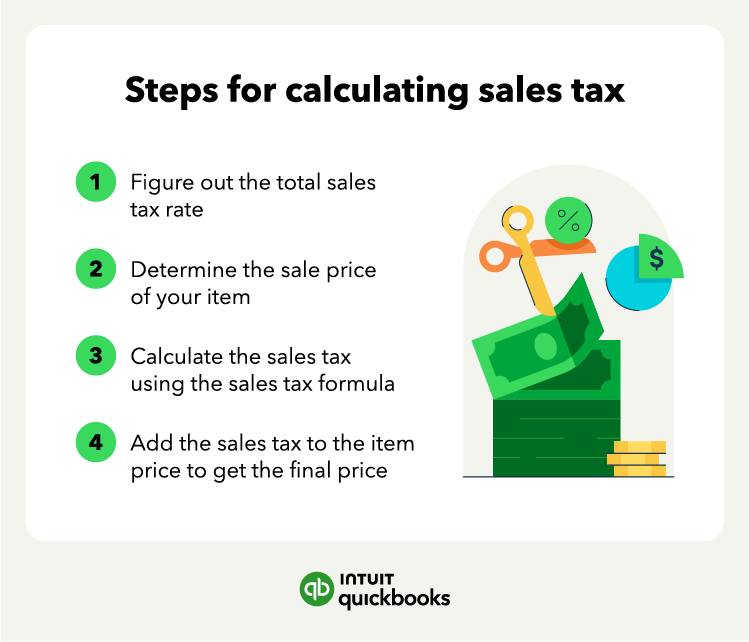
Oklahoma's tax base is goods plus a closed list of named services. So the biggest exemption is structural: a service that isn't on the list isn't taxed. The lines that matter most to small sellers:
Services: not taxable unless specifically enumerated. There is no general tax on services. Accounting, bookkeeping, legal, engineering, management and investment consulting, information services, janitorial, lawn care, personal care, and pet services are not taxable. Enumerated taxable transactions include printing, furnishing hotel and lodging rooms, telephone and telegraph, certain admissions and utilities, and the rental or lease of tangible personal property. The statute's list also reaches, among others, dues and fees to clubs, including fees for the use of a health spa or club facility. It also reaches parking or vehicle-storage charges by parking lots. Newspapers, magazines, and periodicals are not taxable. But printing and printed matter of all types are.
Repairs: repair labor is not taxable, because repair services are not among the listed services. The parts and materials you transfer to the customer are taxable goods. So separately state labor from parts on the invoice.
Contractors: construction and contractor services, including installation and repair of real property, are not taxable. Contractors are treated as the consumers of the materials they incorporate. Tax applies when the contractor buys the materials and machinery. The completed real-property improvement is not resold with tax. Starting November 1, 2026, under SB 44 (2026), that changes for work for exempt entities. It covers purchases a contractor or subcontractor makes to carry out a contract with an entity exempt under 68 O.S. § 1356, such as a government body. Those purchases can be exempt when the contractor gives the vendor a copy of the entity's Tax Commission exemption letter or card and documentation of the contract.
Groceries: food and food ingredients are exempt from the state tax since August 29, 2024. They remain subject to city and county tax. Prepared food, alcoholic beverages, dietary supplements and vitamins, self-serve fountain drinks, and tobacco carry the full state tax plus local tax. Details above.
Clothing: taxable year-round, with no year-round exemption. Clothing accessories, protective and athletic clothing, and sports and recreational equipment are taxable too. The August sales tax holiday is covered below.
Software and digital products: the pivotal Oklahoma distinction is how the software is delivered. Prewritten software delivered on tangible media, or by "load and leave," is taxable. The same prewritten software delivered electronically is exempt. Custom software is exempt. Digital products delivered electronically, such as music, video, ringtones, and ebooks, are exempt. SaaS, PaaS, IaaS, data processing, website design, hosting, and internet advertising space are not taxable. Computer hardware is taxable.
Prescription drugs and medical items: prescription drugs for human use, insulin, and medical oxygen are exempt. Over-the-counter drugs are taxable, with or without a prescription. Durable medical equipment, mobility-enhancing equipment, and prosthetic devices are exempt when prescribed or administered by an authorized practitioner. They are also exempt when purchased or leased under a prescription. Vitamins and dietary supplements are taxable.
Keep taxable and exempt sales in separate buckets from the start. Your return asks for total gross receipts from all sales, taxable and nontaxable. Then it asks for the deductions allowed by law.
Use tax is the buyer's side of the same tax. Oklahoma levies it on goods purchased or brought into the state for storage, use, or other consumption. The rate is 4.5% of the purchase price, the same rate as the state sales tax. In the Tax Commission's words, if you have purchased items for use in Oklahoma from retailers who do not collect Oklahoma sales tax, you owe Oklahoma use tax on those items.
For a business, this shows up when you order equipment, supplies, or fixtures from a vendor that didn't charge Oklahoma tax. Say your Norman café buys a $3,000 commercial espresso machine online from an out-of-state seller. The invoice shows no Oklahoma tax. You owe $135 in Oklahoma state use tax, plus any city and county use tax where the machine is used.
There is local use tax. A county or city that levies a sales tax may levy a use tax at the same rate as its sales tax. It applies to goods stored, used, or consumed within the county or city. The local use tax reaches only property purchased outside Oklahoma. The Tax Commission is direct about it. If the property is brought into a county or municipality that also levies a use tax, the applicable county or municipal use tax must also be paid.
How you report it. If the out-of-state vendor is authorized or required to collect Oklahoma use tax, you pay the tax to the vendor. If it isn't, you accrue, report, and pay the tax yourself, on the Oklahoma Consumer Use Tax Return through OkTAP.
Use tax is due by the 20th of the month following the month of purchase. That applies for each month in which you have a liability. If your use tax liability does not exceed $50 in any one month, you may file semiannually, by January 20 and July 20. If you already paid another state's sales or use tax on the item at a rate equal to or higher than Oklahoma's, no Oklahoma use tax is due. If the other state's rate was lower, you owe the difference.
Oklahoma has a permanent, statutorily established annual sales tax holiday for clothing and footwear. It is not enacted year by year. The holiday runs from 12:01 a.m. on the first Friday in August through midnight the following Sunday, a three-day weekend. It exempts sales of any single article of clothing or footwear with a sales price of less than $100 per article from both state and local sales tax. That applies to items designed to be worn on or about the human body.
Accessories, athletic and protective clothing and footwear, and rentals do not qualify. The $100 limit is per article, not per receipt. A $120 coat does not qualify, while three $40 shirts on one ticket all do. The Oklahoma Tax Commission announces the exact dates each year.
Returns are due the 20th of the following month. Sales tax is due and payable on the first day of each month. Your report and payment covering the previous calendar month must reach the Oklahoma Tax Commission on or before the 20th. If the 20th falls on a Saturday, Sunday, or an observed state holiday, the report is due the next business day. A mailed report counts as filed on the date of the post office cancellation mark.
Small sellers can file twice a year, on application. If your sales tax liability does not exceed $50 in any one month, you may apply to file semiannual returns instead of monthly ones. Those are due by July 20 for January through June, and by January 20 for July through December. Don't start filing semiannually until the Tax Commission tells you in writing that your account has been changed.
Larger sellers file and pay electronically. Sellers owing an average of $2,500 or more a month in sales tax over the previous fiscal year must pay through the Tax Commission's electronic funds transfer and electronic data interchange program. For them, the tax on sales from the 1st through the 15th is due on the 20th of the same month. The tax on the rest of the month is due on the 20th of the following month. New sales tax registrants file their monthly reports electronically too, unless the Tax Commission grants a written exception. Returns can be filed and amended online through OkTAP, the Tax Commission's taxpayer portal.
One return, with the local breakout. Your Oklahoma sales tax permit covers the city and county sales taxes. There is no separate local registration or local return for sales tax. If you furnish lodging, note that a city lodging (occupancy) tax, where one is levied, is generally administered by the city itself, outside this return. The combined return reports your total gross receipts from all sales, taxable and nontaxable, your deductions, and the tax due including any city or county tax. The math works in three parts:
Keeping the address that sets the rate with each sale turns that breakout into a sort, not a research project.
File every period, including months with no sales. Every vendor files a report for the preceding month. The report covers gross receipts from all sales, taxable or nontaxable, so a month with nothing to report still gets a report. Keep your sales records in Oklahoma for three years. The burden of proving that a sale was not taxable is on the seller.
Tip: if a rate error slips through, fix the rate first, then correct the affected returns. Oklahoma asks for an amended return for each reporting period in which errors occurred, and OkTAP filers can amend online. Undercollect and the difference comes out of your pocket. Overcollect and you owe refunds. Tax you collected as tax is never yours to keep.
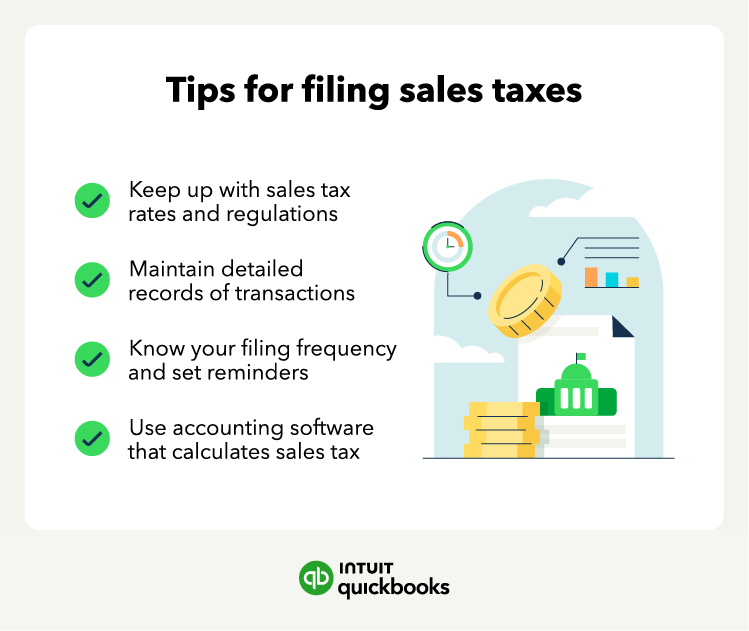
Multiply the pre-tax price by the combined rate where the sale is sourced. That is the 4.5% state rate plus the city and county sales taxes where your customer takes possession: your location if they pick up, the delivery address if you ship. At the state rate alone, a $1,200 sale carries $54 in tax and a $1,254 total. Where city and county taxes apply, add their rates to 4.5% before you multiply.
Yes. Cities and counties impose their own sales taxes, which stack on top of the 4.5% state rate. The Oklahoma Tax Commission administers, collects, and distributes them. You register once. You collect the city and county tax that applies where each sale is sourced, and report it all on one combined return. For goods, the sale is sourced to where the customer takes possession. For taxable services, it is generally sourced to where the customer first uses the service.
Only if your service is on Oklahoma's list of taxable services, and most aren't. Accounting, bookkeeping, legal, engineering, consulting, janitorial, lawn care, personal care, and pet services are not taxable. Printing, furnishing hotel and lodging rooms, telephone and telegraph, certain admissions and utilities, and the rental or lease of tangible personal property are among the taxable ones. So are, among others, dues and fees to clubs, including health spa or club fees, and parking charges. Repair labor is not taxable, but the parts you transfer to the customer are. So separately state them.
Not by the state, since August 29, 2024. Food and food ingredients, including candy, soft drinks in bottles or cans, bottled water, milk, and baby food, are exempt from the 4.5% state sales tax. City and county sales taxes still apply to groceries. Prepared food, alcoholic beverages, dietary supplements and vitamins, self-serve fountain drinks, and tobacco are taxed in full. Prepared food generally includes food sold with eating utensils you provide.
The first Friday in August through the following Sunday, every year. The holiday is permanent and set by statute. Clothing and footwear priced under $100 per article are exempt from both state and local sales tax for those three days. Accessories, athletic and protective clothing and footwear, and rentals don't qualify. The Oklahoma Tax Commission announces the exact dates each year.
Manage sales tax in QuickBooks with automation that helps you save time and stay compliant.
Save time with automated sales tax
Products are automatically matched to tax categories, so you can charge the right sales tax with less manual work. Returns are automatically prepared and formatted for your state, and if you sell into other states, you can automate multi-state filing from one place.
Stay confident and compliant
File with confidence using accurate, automated calculations. Tax rates and rules change, and they are updated automatically in QuickBooks, so what you charge keeps up. Get reminders before filing deadlines so you can plan ahead, and know your return status with real-time updates.
Your data stays protected
Securely send returns to tax agencies and track every filing in QuickBooks.
Manage your books and sales tax in one place
Automatically calculate, collect, and track applicable sales tax from your customers. One report breaks out taxable and non-taxable sales, so you always know what to pay each agency. Prepare, file, and pay directly from QuickBooks.
Explore QuickBooks sales tax software to spend less time on tax and more time running your business.
*Sales tax filing is available as an add-on service through QuickBooks Online for $40 per filing.
You've got the rates and the rules that apply in Oklahoma. The harder part is applying them correctly on every sale, every quarter. QuickBooks automated sales tax calculates the right combined rate, tracks what you've collected, and shows what you owe when it's time to file.
Call Sales: 1-800-285-4854


