Oregon sales tax calculator
Know exactly what to charge at any Oregon address. Find the combined rate, the tax on any amount, and the total. Free for your business, no sign-up.
Know exactly what to charge at any Oregon address. Find the combined rate, the tax on any amount, and the total. Free for your business, no sign-up.
Done checking rates one sale at a time? QuickBooks applies the right Oregon rate on every invoice automatically. See how automated sales tax works
Oregon has no general state sales or use tax, and no general local sales tax either. A retailer selling goods or services in Oregon does not collect sales tax from customers at the point of sale. There is no product-taxability question to answer for clothing, food, software, or any other category. In a sales-tax state there would be.
What Oregon has instead is a Corporate Activity Tax. It is a tax on the seller, based on the seller's Oregon-sourced commercial activity above a threshold. It does not appear as a separate line item collected from the buyer the way a sales tax would.
The average American side hustle brings in about $2,038 a month, according to Intuit QuickBooks entrepreneurship research. At that size, an Oregon seller's question isn't what rate to charge. It's whether the business is one of the specific kinds of sellers that still collect a tax from customers in Oregon.
Among them are a food-service business in one of two cities, a lodging operator or short-term rental host, and a bicycle retailer. The bicycle retailer collects Oregon's flat $15 bicycle excise tax from the buyer. The tax applies to each new bicycle with a retail price of $200 or more, including an electric-assisted bicycle. The retailer sends the tax in to the Department of Revenue quarterly.
Whether you run a boutique in Portland, a bike shop in Eugene, or a consulting practice in Bend, here's what Oregon's no-sales-tax rule means for your invoices. You'll also see how the Corporate Activity Tax differs from a sales tax. And you'll see where the exceptions are and what to know at filing time.
There is no Oregon sales tax rate. Oregon has no general state sales or use tax and no general local sales tax. So for a typical sale of goods or services, the answer is the same at every Oregon address: none.
The exceptions are narrow and specific to the seller. They are a 5% city tax on prepared food and non-alcoholic beverages in Ashland and Yachats, and state and local transient lodging taxes on short-term stays.
A retailer selling goods or services in Oregon does not collect sales tax from customers at the point of sale. The Corporate Activity Tax does not change that. It is a tax on the seller, not a tax collected from the buyer. It is not something to add to an invoice as sales tax. Two levies do work like a sales tax, for food-service businesses in Ashland and Yachats and for lodging. Both are covered below.
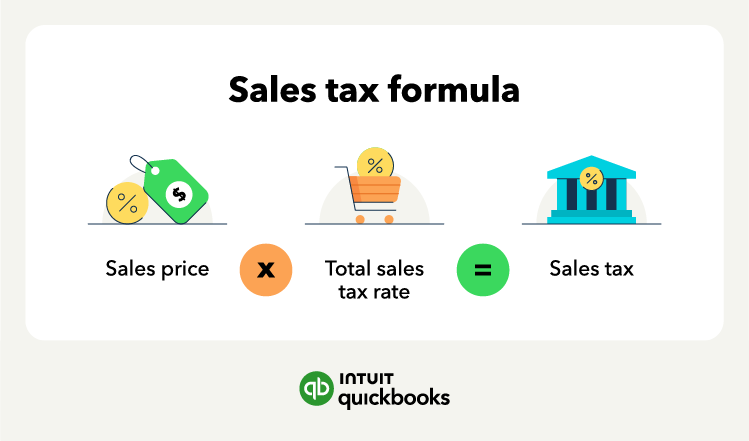
Oregon's Corporate Activity Tax, the CAT, is fundamentally different from a sales tax. The difference is who owes it. The CAT is a tax on the seller, based on the seller's Oregon-sourced commercial activity. It does not create a seller obligation to collect anything from the customer. The statute says so directly. The tax "is not a transactional tax" and "is imposed on the person with the commercial activity and is not a tax imposed directly on a purchaser." The Department of Revenue puts it the same way: "The CAT is not a transactional tax, such as a retail sales tax, nor is it an income tax."
Two thresholds define who is in. Registration is required once Oregon commercial activity exceeds $750,000. The tax itself applies to taxable commercial activity over $1 million. The Department describes commercial activity as the total amount a business realizes from transactions and activity in Oregon. A business with $750,000 or less of Oregon commercial activity is excluded from all CAT requirements.
For a seller, that means two things. First, the CAT does not appear as a separate line item collected from the buyer the way a sales tax would. A seller may choose to build the cost of this tax into its pricing. But that is a business pricing decision, not a tax the seller collects and sends in on behalf of the customer. It is not something to add to an invoice as sales tax. The Department adds one caution for sellers who do price it in. The total price charged, including any amount estimated to be attributable to the CAT, is included in the business's commercial activity.
Second, the CAT is measured on receipts from services as well as goods. The statute sources both the sale of goods, which the law calls tangible personal property, and the sale of a service to Oregon.
Oregon has no state or local general sales tax. But two categories of local and state levies do work like a sales tax for specific kinds of sellers. They should not be overlooked.
The first is local. The cities of Ashland and Yachats each impose a 5% tax on prepared food and non-alcoholic beverages sold by restaurants and similar food-service businesses, including takeout and delivery. The seller collects this from the customer and sends it to the city. Ashland's tax has run since 1993 and is currently authorized through December 31, 2030. Yachats began collecting in 2024. A food-service seller in either city has a real collection obligation despite Oregon's no-sales-tax reputation.
The second is lodging, the significant exception to "nothing to collect" in Oregon. The state imposes a transient lodging tax on short-term stays. The rate is 1.5% of the amount charged for occupancy for stays ending on or before December 31, 2026. It rises to 2.75% for stays ending on or after January 1, 2027.
Many cities and counties impose their own local transient lodging taxes on top, at widely varying rates. Ashland's, for example, is 10%. Lodging operators and short-term rental hosts collect these from guests. Booking platforms often collect on the operator's behalf, but the operator should confirm coverage for each tax layer.
Under the law, whoever collects the payment for the occupancy is the one responsible for collecting and sending in the tax. That can be the lodging provider or a booking intermediary. Transient lodging covers hotels and motels, bed and breakfasts, RV and tent spaces, resorts and inns, cabins, condominiums, apartments, houses, and any other dwelling unit used for temporary stays.
The state tax does not apply to a dwelling unit occupied by the same person for 30 or more consecutive days. The Department says that once a stay reaches 30 consecutive days, the entire stay is not subject to the state lodging tax. Local governments may set their own exemption requirements for their local taxes.
None, for a typical sale. Oregon has no general sales tax to source, so there is no destination or origin rule to apply. It makes no difference whether the customer buys at your counter, orders online, or hires you for a service. There is no general Oregon sales tax on the sale.
Oregon does ask two place-based questions of its own. The Corporate Activity Tax counts a sale as Oregon commercial activity when goods are delivered to a purchaser in Oregon. The same goes for a service delivered to a location in Oregon. That decides whether the sale counts toward the $750,000 and $1 million thresholds. And a food-service business's location decides whether the Ashland or Yachats food and beverage tax applies. Find your situation:
If you sell goods in person at your location: no sales tax. If you are a restaurant or similar food-service business in Ashland or Yachats, you collect the city's 5% tax. It is charged on prepared food and non-alcoholic beverages, including takeout and delivery. If you sell bicycles, you collect the state's flat $15 bicycle excise tax from the buyer at the time of sale. The tax applies to each new bicycle with a retail price of $200 or more. It is shown as a separate line on the receipt.
For the Corporate Activity Tax, what matters is where the goods are delivered to the purchaser. That is covered in the next bullet.
If you ship or deliver goods: no Oregon sales tax at any Oregon delivery address. There is no Oregon sales tax on goods you ship out of state either. Oregon has no sales tax to charge. The destination state is a separate question. Take an Oregon business selling online to buyers in a state that requires online retailers to collect sales tax. The Department of Revenue says it will need to collect and pay those sales taxes if it meets that state's requirements. That is covered in the out-of-state bullet below.
The delivery address does matter for the Corporate Activity Tax. The Department's rule sources a sale of goods to Oregon if the property is delivered to a purchaser within Oregon. That holds regardless of the f.o.b. point or other conditions of sale. It also holds whether the seller, the purchaser, or a common carrier transports it. Goods delivered to a purchaser in Oregon count toward your Oregon commercial activity. Goods delivered to a purchaser in another state do not.
The Department's own example: an Oregon distributor's out-of-state purchaser sends its own truck to pick up merchandise. The truck hauls it to the purchaser's outlet in another state. The distributor must treat the sale as delivered in that other state.
If you perform services: no sales tax on the service, whether you perform it at your location or at the customer's.
For the Corporate Activity Tax, the receipts from a service are Oregon commercial activity if and to the extent the service is delivered to a location in Oregon. The Department's rule reads that, in general, as the location of your market for the service. That is not necessarily where your employees or property are. The Department's list of in-person services includes repair, cleaning, plumbing, carpentry, pest control, landscaping, and hair cutting and salon services. For those services, the service is generally delivered where the customer receives it, meaning in Oregon when it is:
In the Department's examples, a salon's haircuts at its Oregon locations are Oregon receipts, even for out-of-state residents. Landscaping at an Oregon vacation home is an Oregon receipt, even though the owner lives elsewhere. A camera repaired at an out-of-state facility but returned to the customer in Oregon is an Oregon receipt. Legal, accounting, financial, and consulting services follow separate rules in the Department's sourcing rule.
If you sell through a marketplace like Amazon or Etsy: no Oregon sales tax on those sales. That is for the same reason there is none on sales through your own website or at your counter. Renting out lodging through a booking platform is a different matter. Under Oregon's lodging tax law, a transient lodging intermediary that collects the payment for the stay is the one responsible for collecting and sending in the lodging tax. The Department says a provider whose bookings are all handled through an intermediary does not need to file a lodging tax return. Confirm coverage for each tax layer, state and local, with your platform.
If you're out of state selling into Oregon: Oregon has no state-level sales tax, so no economic nexus threshold applies for state sales tax purposes. An out-of-state, or remote, seller has no state-level sales tax collection obligation in Oregon. You should still evaluate other potential tax obligations, such as gross receipts taxes, business license taxes, or excise taxes, where they apply.
In Oregon, the Corporate Activity Tax is one to check. The Department says any person, business, or unitary group of businesses doing business in Oregon may have obligations under the CAT. The tax is imposed on persons with substantial nexus with Oregon. It is measured on commercial activity sourced to Oregon under the delivery rules above. Registration is required once Oregon commercial activity exceeds $750,000.
The Department's guidance runs in the other direction too. Take an Oregon business selling online to buyers in a state that requires online retailers to collect sales tax. South Dakota is one such state. The Department says that business will need to collect and pay those sales taxes if it meets that state's requirements. The Department recommends contacting the state directly or seeking legal advice.
Worked example. You build furniture in Portland and sell a $900 table.
Now put a restaurant on the same street. A $60 bill for prepared food and non-alcoholic drinks at a Portland restaurant is $60. The same bill at a restaurant in Ashland or Yachats carries $3 of city food and beverage tax. The total is $63. The restaurant collects that tax from the customer and sends it to the city.
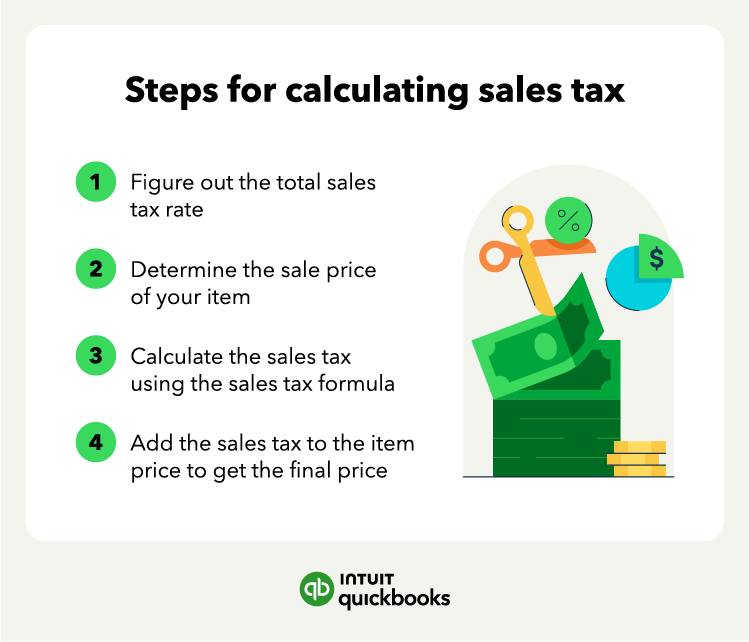
The question doesn't arise. Oregon has no general sales or use tax. So there is no product-taxability question to answer for clothing, food, software, or any other category. In a sales-tax state there would be. There is nothing to sort into taxable and exempt for Oregon sales tax purposes.
The two levies that do work like a sales tax draw their own lines, by seller rather than by product. The Ashland and Yachats taxes reach prepared food and non-alcoholic beverages sold by restaurants and similar food-service businesses, including takeout and delivery. The city that imposes the tax is where to check what it covers.
The state transient lodging tax is computed on the total retail price, including all charges other than taxes, paid for occupancy of the transient lodging. The Department of Revenue's lodging tax page is where to check how it treats fees and services charged with a stay.
Oregon has no general state use tax, just as it has no general state sales tax. It has no local use tax either. The Department of Revenue puts the two together: Oregon "doesn't have a general sales or use/transaction tax."
Say your Oregon business buys a $3,000 commercial espresso machine from an out-of-state vendor that charges no tax. You owe no Oregon use tax on it. The Oregon tax on that purchase is $0, and the total is the price.
What you may meet instead is another state's sales tax, and Oregon gives you no credit for it. Oregon law doesn't allow you to reduce your Oregon taxes because you paid sales tax in another state.
The Department says Oregonians purchasing goods or services online don't generally owe sales tax to another state. But exceptions may exist for other taxes. When you make online travel arrangements, for example, you may be charged state and local taxes on your hotel or rental car.
A business buying goods out of state to resell in Oregon can give the out-of-state seller the Oregon Business Registry Resale Certificate at the time of purchase. The seller may accept it as a substitute resale certificate and exempt the transaction from its state's sales, use, or transaction tax. But the seller is not required to. Some states, including Washington, may require their own form or additional information.
The certificate is not filed with the Department. Oregon does not have a sales tax exempt certificate of its own.
No. Oregon has no sales tax, so there is no tax from which a holiday could provide temporary relief. There is no tax-free weekend to plan around.
There is no Oregon sales tax return, because there is no Oregon sales tax to report. What an Oregon business files instead depends on its size and what it sells:
The Corporate Activity Tax starts with registration. A business must register for the CAT with the Department of Revenue within 30 days of realizing $750,000 in Oregon commercial activity for the year. The penalty for failing to register is $100 per month, up to $1,000 per calendar year. Registration happens once, in the year you first cross the threshold.
A business with more than $1 million of Oregon commercial activity must file an annual return. The return is due on or before the 15th day of the fourth month following the end of its tax year. If that falls on a weekend or holiday, it is due the next business day. Only a business with more than $1 million of taxable Oregon commercial activity has tax to pay.
A taxpayer expecting $5,000 or more of CAT liability must make estimated payments. They are due for the previous quarter on or before the last day of the fourth, seventh, and tenth months of the tax year, and the last day of the first month after the year ends. A taxpayer expecting less than $5,000 is not required to make estimated payments. It must still file the annual return if it meets the filing requirements.
CAT returns cannot be filed through Revenue Online. They go by mail or through an approved e-file vendor, though payments can be made through Revenue Online. A seven-month extension to file is available for tax years beginning on or after January 1, 2024. An extension to file is not an extension to pay.
Lodging taxes are quarterly, to the state and to the locality. New lodging businesses register for the transient lodging tax through Revenue Online. Returns and payments for the state tax are due on or before the last day of the month following the end of each calendar quarter. The same deadline applies to returns and payments for the cities and counties whose local lodging tax the Department administers under an agreement. A return is required even if you collected no tax during the period.
If your city or county has no agreement with the Department, you file the local lodging tax with the city or county directly, on its own deadline. That does not change your state filing.
The law lets lodging providers and intermediaries withhold 5 percent of the state lodging taxes collected to cover the costs of recordkeeping, reporting, and collecting the tax. From January 1, 2027, the 1.25 percent increase must be described on the lodging invoice or receipt as a "nature conservation fee." For stays that begin in 2026 and end on or after January 1, 2027, the increased 2.75 percent rate applies to the retail price of the entire stay. Late payment carries a 5 percent penalty. A return filed more than 30 days late carries a 20 percent penalty.
The Ashland and Yachats food and beverage taxes are remitted to the city. The seller collects the tax from the customer and sends it to the city that imposes it.
Tip: if your invoicing or point-of-sale system is applying a general sales tax rate to Oregon sales, the right rate is zero. And if a rate error slips through, fix the rate first, then correct the affected returns. Undercollect and the difference comes out of your pocket. Overcollect and you owe refunds. Tax you collected as tax is never yours to keep.
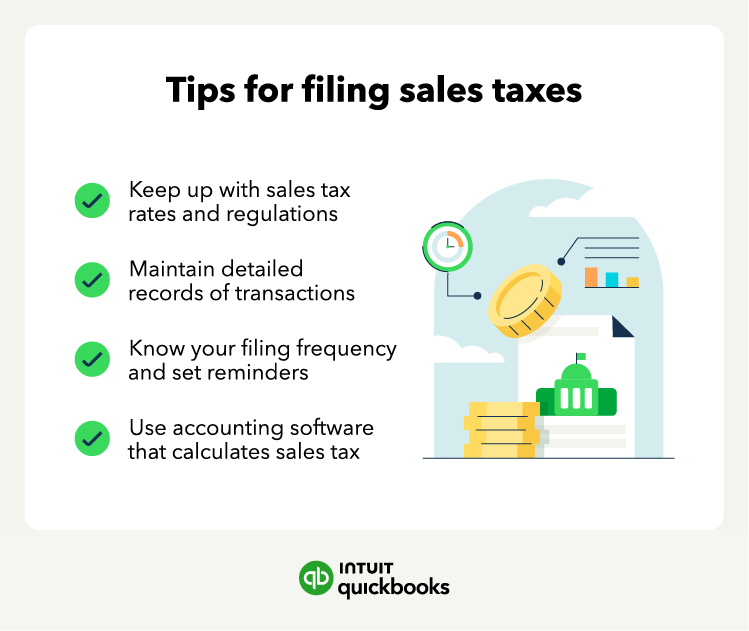
For a typical sale, there is nothing to calculate. Oregon has no general state or local sales tax, so the pre-tax price is the total. A $1,200 sale in Portland, Eugene, or Bend carries $0 in sales tax and totals $1,200.
The exception is a restaurant or similar food-service business in Ashland or Yachats. There, prepared food and non-alcoholic beverages carry the city's 5% tax. A $1,200 bill for prepared food and non-alcoholic beverages there carries $60 of city tax and totals $1,260. If your invoicing tool is adding a general sales tax rate to an Oregon sale, the rate is set wrong.
No general sales tax. Oregon has no general state sales or use tax and no general local sales tax. So a retailer selling goods or services in Oregon does not collect sales tax from customers at the point of sale.
Oregon instead imposes a Corporate Activity Tax on the seller, measured on the seller's Oregon-sourced commercial activity above a threshold. It is not a transactional tax and is not collected from the customer. Two levies do work like a sales tax for specific sellers. One is the 5% food and beverage taxes in Ashland and Yachats. The other is the state and local transient lodging taxes on short-term stays.
No. Oregon has no general state or local sales tax. So there is no general sales tax at any address in Portland, Eugene, Bend, or Salem. The same goes for anywhere else in the state. The local levies that do work like a sales tax are two. The first is the 5% prepared food and non-alcoholic beverage taxes in Ashland and Yachats, collected by restaurants and similar food-service businesses. The second is local transient lodging taxes, which many cities and counties impose on short-term stays at widely varying rates.
No. Oregon has no state-level sales tax, so no economic nexus threshold applies for state sales tax purposes. Out-of-state sellers have no state-level sales tax collection obligation in Oregon. Sellers should still evaluate other potential tax obligations, such as gross receipts taxes, business license taxes, or excise taxes, where applicable. In Oregon that includes the Corporate Activity Tax. It requires registration once Oregon commercial activity exceeds $750,000. It applies to taxable commercial activity over $1 million.
Oregon businesses selling into other states face the reverse question. Take an Oregon business selling online to buyers in a state that requires online retailers to collect sales tax. The Department of Revenue says it will need to collect and pay those sales taxes if it meets that state's requirements.
No. Oregon has no sales tax, so there is no tax from which a holiday could provide temporary relief. There is no tax-free weekend.
Manage sales tax in QuickBooks with automation that helps you save time and stay compliant.
Save time with automated sales tax
Products are automatically matched to tax categories, so you can charge the right sales tax with less manual work. If you sell into states that charge sales tax, returns are automatically prepared and formatted for each state, and you can automate multi-state filing from one place.
Stay confident and compliant
File with confidence using accurate, automated calculations. Tax rates and rules change, and they are updated automatically in QuickBooks, so what you charge keeps up. Get reminders before filing deadlines so you can plan ahead, and know your return status with real-time updates.
Your data stays protected
Securely send returns to tax agencies and track every filing in QuickBooks.
Manage your books and sales tax in one place
Automatically calculate, collect, and track applicable sales tax from your customers. One report breaks out taxable and non-taxable sales, so you always know what to pay each agency. Prepare, file, and pay directly from QuickBooks.
Explore QuickBooks sales tax software to spend less time on tax and more time running your business.
*Sales tax filing is available as an add-on service through QuickBooks Online for $40 per filing.
You've got the rules that apply in Oregon. If you also sell into states that charge sales tax, the harder part is applying their rates correctly on every sale, every quarter. QuickBooks automated sales tax calculates the right combined rate, tracks what you've collected, and shows what you owe when it's time to file.
Call Sales: 1-800-285-4854


