Vermont sales tax calculator
Know exactly what to charge at any Vermont address. Find the combined rate, the tax on any amount, and the total. Free for your business, no sign-up.
Know exactly what to charge at any Vermont address. Find the combined rate, the tax on any amount, and the total. Free for your business, no sign-up.
Done checking rates one sale at a time? QuickBooks applies the right Vermont rate, state and local option included, on every invoice automatically. See how automated sales tax works
Vermont's sales tax has two layers. The state rate is 6% on taxable sales. Municipalities that have voted to adopt it add a 1% local option sales tax, for 7% where it applies. The Department of Taxes administers the local option tax on the same combined return as the state tax.
The average American side hustle brings in about $2,038 a month, according to Intuit QuickBooks entrepreneurship research. At that size, a Vermont seller is squarely in the system. You need a Vermont Business Tax Account and license before you collect. You charge 6% or 7% depending on where the customer takes possession of what they bought. One return carries the local option tax town by town.
What makes Vermont different isn't the local option. It's how little of a service business's work the tax reaches. Vermont taxes retail sales of goods and a short, specifically listed set of other transactions. A service is taxable only when the statute specifically designates it. Whether you build furniture in Burlington, sell software subscriptions from Montpelier, or shoot weddings in Stowe and deliver the prints, here's how Vermont's rate works. You'll also see which of your sales it reaches and what to know at filing time.
Vermont's state sales tax rate is 6%. In a municipality that has adopted the 1% local option sales tax, the combined rate is 7%. There are two layers:
The local option sales tax is 1%, and it is the only local sales tax layer. That makes 7% the highest combined rate at any Vermont address. It applies to the same sales as the state tax. Under 24 V.S.A. § 138, it is collected on each sale that is subject to the Vermont sales tax. So an item exempt from Vermont sales tax carries no local option tax either. There is no separate local registration or return. The Department of Taxes collects the local option sales tax, including Burlington's and Rutland's. You report it on the same return as the state tax, town by town.
Vermont's sales tax reaches retail sales of goods, which the law calls tangible personal property. It also reaches a short list of other transactions the statute specifically names. Those include fabrication, telecommunications, and admissions to places of entertainment. A service is taxable only when the statute specifically designates it. So most personal, professional, and business services fall outside the tax by default. Stand-alone services generally not subject to Vermont sales tax include:
That list is illustrative, not exhaustive. The tax can still reach a transaction that includes any of these:
Four places where the line falls for small sellers:
Repairs. Separately stated repair labor is generally not taxable. Repair parts are taxable unless an exemption applies. A single charge that combines parts and labor may be fully taxable, subject to Vermont's incidental-property rule. So identify the taxable and nontaxable components separately when the rules require it. Review any bundled charge under Vermont's sales-price, incidental-property, and bundling rules.
Fabrication. Fabrication of goods is taxable when the customer furnishes the materials. Vermont taxes taxidermy that way when the customer furnishes the animal to be mounted, rather than as a distinct listed service. It uses the same mechanism for custom drapery and sign making.
Software and digital products. Prewritten software is taxable. It stays taxable even when it is configured or modified for a buyer. Separately stated custom-development or modification charges, though, may require separate analysis. Charges for a customer's remote access to or use of prewritten software are taxable regardless of the payment, delivery, or access method. Genuinely custom software developed to a specific buyer's specifications is generally not taxable. A web-based offering whose substance is the provider's performance of a nontaxable service is not automatically taxable merely because it is marketed as SaaS or uses an online interface. Digital audio-visual works, digital audio works, digital books, and ringtones transferred electronically to an end user are taxable. Internet access service is exempt. If you sell software maintenance agreements, confirm their current treatment directly with the Department of Taxes. Vermont's older guidance on them is not confirmed as still published following the July 2024 law change.
Photography. A photography transaction is taxable when the customer receives printed photographs or other taxable goods. A transaction consisting solely of still photographs delivered electronically is not taxable. Electronically delivered digital video, though, is taxable as a specified digital product.
A lease or rental that transfers possession or control of otherwise taxable goods is generally taxable, unless a specific exemption or exclusion applies.
The 1% local option sales tax is collected on a destination basis. It applies to a taxable sale sourced to a municipality that has adopted it. For goods, that means the place where your customer takes possession: your counter if they pick up in person, or the delivery address if you ship. A vendor located in a local option town collects it on in-store sales. It also collects it on items shipped to local option towns. A vendor located outside any local option town collects it on items shipped into one. If you are required to collect Vermont sales tax, you collect the applicable local option tax as well. It goes on your state return, reported by town.
Vermont is a destination-sourced state. The Department of Taxes puts it plainly. Sales tax is applied based on where the buyer takes possession of the item or where it is delivered. The local option sales tax is based on where the buyer takes possession as well. Under the Department's sourcing rules (Reg. § 1.9701(8)-3), a sale is sourced to where your customer receives what they bought. For goods, that is where they take possession. For services, it is generally where they first use the service. But most of the services Vermont taxes carry their own rule, below. Your own location decides the rate only when the customer receives the goods there. The address you shipped from matters only as a last resort. A last resort means you have no other information about where the customer received the item. Find your situation:
If you sell goods in person at your location: when the customer receives the product at your business location, the sale is sourced to that location. Charge your location's combined rate: 7% if your municipality has adopted the local option sales tax, 6% if it has not. The Department's own example: a customer goes into a retail business in Williston, which has a local option tax on sales. The customer buys a taxable item and leaves the store with it. The customer took possession in Williston, so the local option tax is due.
If you ship or deliver goods to Vermont customers: when the customer does not receive the product at your location, the sale is sourced to where they receive it. That includes the delivery location in the instructions you have for the sale. Possession by a shipping company on the customer's behalf doesn't count as receipt. Charge the delivery address's combined rate. A delivery into a town without the local option tax gets no local penny, even if your shop is in a local option town. A delivery into a local option town gets the penny, even if your shop is not in one. An item delivered to a P.O. Box takes the local option tax of the town the P.O. Box is in. The recipient's home or business address does not decide it.
The Department's examples: a customer in Newport orders a taxable item from a Williston retailer, who mails it to Newport. Newport has no local option tax on sales. The customer did not take possession in Williston, so no local option tax is due. Reverse it, with a Williston customer ordering from a Newport retailer who delivers to Williston. Then the local option tax is due. Municipal boundaries don't follow ZIP codes or postal town names, and two Vermont municipalities can share both. So check the delivery address in the Department's Local Option Tax Finder rather than relying on the ZIP code.
If you don't know where the customer will receive the item, the rules fall back in this order:
If you fabricate an item from materials your customer provides: the finished item is tangible personal property your customer takes possession of. So the sale is generally sourced the same way as a sale of goods. That means your shop's rate if they pick it up there, or the delivery address's rate if you ship it back.
If you sell admissions: charges for admission to a place of entertainment are sourced to the location of the entertainment or recreation facility. If the venue is in a local option town, the local option sales tax is due. That holds regardless of where the ticket seller is located.
If you sell digital products or software accessed online: charges for specified digital products are sourced to the customer's residential street address or primary business street address. So are charges for access to cable television and other programming systems. Charges for remote access to prewritten software are generally sourced to where the customer first uses or takes possession of the software, whichever comes first.
If you sell through a marketplace like Amazon or Etsy: Vermont's marketplace facilitator law took effect June 1, 2019. A marketplace facilitator that has facilitated at least $100,000 in sales, or at least 200 individual sales transactions, into Vermont over the preceding 12-month period must collect and remit Vermont sales tax on the sales it facilitates. Sales you make outside the marketplace are not covered by the facilitator's collection. That means sales through your own website checkout, invoices, or in person. Those sales remain yours to collect and report. Your marketplace sales still count toward your own economic nexus threshold.
If you're out of state selling into Vermont: if you have no physical presence or other connection in Vermont, you must register and collect once you cross a sales threshold. That threshold is $100,000 in gross sales or 200 or more separate transactions into Vermont. It is measured over the prior four calendar quarters. Marketplace sales are included toward that threshold. Collection begins on the first of the month after 30 days from the end of the quarter in which you exceed the threshold. Until you've crossed it, you aren't required to collect Vermont tax. The state cannot require a vendor without sufficient connection to Vermont to collect. Your Vermont customers owe use tax on what they buy from you instead.
If you do have a connection to Vermont, you are a Vermont vendor. You must register and collect regardless of your sales volume. Examples of a connection include a place of business or other physical presence in the state. They also include employees, agents, or other representatives who solicit sales here. Once you are collecting, the same destination rules apply to you. Each shipment is sourced to its Vermont delivery address. You collect the 6% state rate plus the 1% local option tax, 7% in all, on deliveries into local option towns.
Sales with their own sourcing rules. Telecommunications services and advertising and other direct mail follow their own sourcing rules. Leases and rentals of equipment follow a modified rule. For a lease with recurring periodic payments, the first payment is sourced like a sale. Later payments are sourced to the primary location of the property for each period. A lease without recurring payments is sourced like a sale.
Worked example. You build furniture in Williston, which has adopted the 1% local option sales tax, and sell a $900 table.
Same table, same week, a different town on your return. Vermont's return reports the local option tax by town, so keep the delivery address with every sale.
The exemptions that matter most to small sellers, and the edges on each:
Clothing and footwear: exempt. The exemption specifically excludes clothing accessories or equipment, protective equipment, and sport or recreational equipment. All of those are taxable. Steel-toed shoes are exempt because Vermont's statutory definition of exempt clothing includes them by name, alongside shoes, boots, and sneakers. There is no separate safety-standard test.
Groceries: food and food ingredients are generally exempt. But alcoholic beverages, tobacco, cannabis and cannabis products, and soft drinks are excluded from the food exemption. Restaurant, caterer, and other taxable-meal transactions are governed by the meals-tax rules instead.
Soft drinks, with a sweetener test: a soft drink is a nonalcoholic beverage containing a natural or artificial sweetener. The definition excludes any beverage containing milk or a milk substitute. It also excludes any beverage that is more than 50% vegetable or fruit juice by volume. A plain, unsweetened beverage such as club soda or seltzer does not meet the sweetener test. It remains exempt as food.
Candy: exempt. Vermont has no separate statutory definition carving candy out from food. Candy is exempt food unless it independently meets the soft-drink test, which a solid candy item cannot.
Vitamins and dietary supplements: exempt as food and food ingredients when they bear a Supplement Facts label.
Drugs and medical items: drugs intended for human use are exempt, with no prescription-only limitation. Vermont's definition of an exempt drug covers any item recognized in the official pharmacopoeia references. It also covers any item intended for the diagnosis, cure, treatment, or prevention of disease. Both apply whether or not the item requires a prescription. So birth control pills, which meet the definition of a drug, are exempt. A contraceptive device that is not itself a drug, such as a condom or diaphragm, is taxable as ordinary goods. Durable medical equipment, mobility enhancing equipment, and prosthetic devices and supplies used in diagnosis or treatment intended to alleviate human suffering or correct a physical disability are exempt.
Newspapers: a publication is exempt as a newspaper only if it meets a content test. The test: on average for the tax year, at least 10% of its printed material consists of news of general or community interest, community notices, editorial comment, or articles by different authors. A publication that does not meet that test, including most magazines and periodicals, is taxable.
Manufacturing inputs: materials that become an ingredient or component part of goods manufactured for sale are exempt. Machinery and equipment must be analyzed separately under Vermont's manufacturing machinery-and-equipment exemption and its use requirements. A contractor ordinarily pays tax on the taxable materials, supplies, tools, and equipment it uses to improve real property. One exception: building materials and supplies for certain governmental or qualifying exempt-organization projects may be exempt when the statutory and documentation requirements are met.
Selling a mix of taxable and exempt items is where receipts get messy. Track the two buckets separately from the start.
Use tax is the buyer's side of the same tax. When a seller does not charge Vermont sales tax on an item that is taxable in Vermont, the buyer owes Vermont use tax. It has the same 6% rate, rules, and exemptions as the sales tax. Vermont's sales and use tax is destination-based. It applies when the buyer takes possession of the item in Vermont, has it delivered or shipped to Vermont, or buys it elsewhere and brings it into Vermont to use.
For a business, use tax is due in these situations:
Self-employed individuals buying items for their business follow the business rules. Say you buy a $2,500 commercial dough mixer online and the invoice shows no Vermont tax. You owe $150 in Vermont use tax. If the seller charged another state's sales tax at a lower rate, you generally owe Vermont only the difference. If the other state's rate was higher, Vermont does not refund the difference.
There is no local option use tax. The 1% local option tax applies only to sales tax. So use tax is 6% even if your business is in a local option town. Do not add the 1%.
How you report it. A business reports use tax on its regular sales and use tax return, on the use tax line (Line 4b of Form SUT-451, or its equivalent in myVTax). You report it as the tax due on purchases subject to use tax. Those are purchases from vendors not collecting Vermont sales tax, including vendors outside the state, and purchases made under an exemption but converted to a taxable use.
If you serve food or rent rooms, part of your revenue sits outside the sales tax. Restaurant, caterer, and other taxable-meal transactions are governed by Vermont's meals-tax rules rather than the sales tax rules. Room rentals are exempt from sales tax and are instead picked up by Vermont's separate rooms tax.
Since August 1, 2024, a short-term rental surcharge also applies to a furnished house, condominium, or other dwelling unit rented short term. Short term here means fewer than 30 consecutive days and more than 14 days in a calendar year. It is collected alongside the rooms tax and any local option tax. It does not apply to a state-licensed lodging establishment such as a hotel, motel, inn, or bed and breakfast.
Burlington and Rutland self-administer their own meals, entertainment, lodging, and alcoholic beverage taxes under their city charters. Those taxes sit outside the state local-option system. The Department of Taxes, though, still administers each city's 1% local option sales tax on the state return.
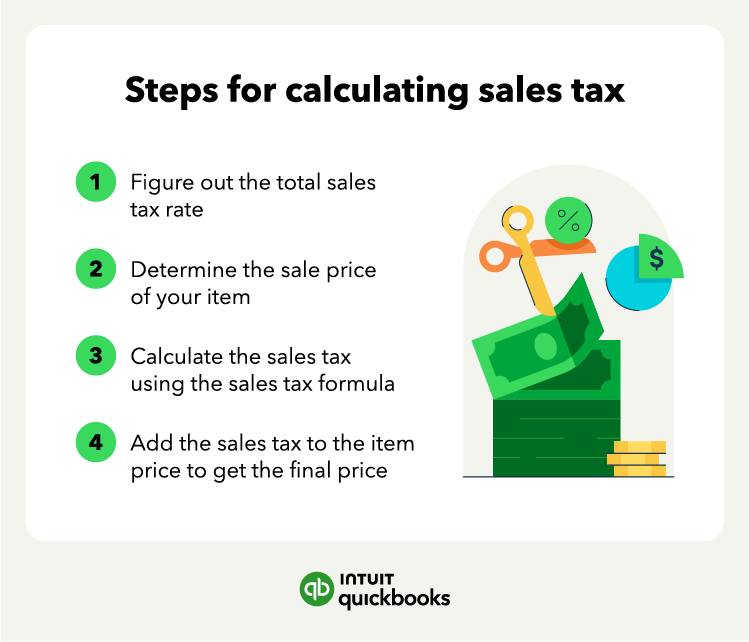
Vermont's filing system has a few features worth knowing before your first return:
Register before you collect. Businesses, including nonprofits, must register for a Vermont Business Tax Account and license before collecting the tax. Registration is free. The license must be displayed where customers can see it. If you operate more than one location in Vermont, you have one Business Tax Account. But each location needs its own license and files its own sales and use tax schedule.
Three filing frequencies, and the Department assigns yours. The Department of Taxes assigns your filing frequency when you register. The statute sets the tiers by your sales and use tax liability in the immediately preceding calendar year:
If a due date falls on a weekend or holiday, the return is due the next business day. Payment is due with the return. Sales tax is reported on the accrual basis. You report the tax for the period of the sale even if the customer hasn't paid you in full.
File in myVTax. Sales and use tax returns are filed and paid electronically through myVTax, the Department's free online filing site. Electronic filing is required if you have sales subject to a local option tax, file for multiple locations, or remitted more than $100,000 in sales and use tax in the prior calendar year. If none of those applies and you cannot file through myVTax, you may use the paper Form SUT-451.
One return covers the state tax and every local option town. Sellers file a single return for Vermont and all local option tax jurisdictions for each period. In myVTax you enter the local option tax you collected town by town. The return asks for your total taxable sales made in a local option tax municipality. The local option tax is 1% of your taxable (net) sales for each town, not 1% of the tax due. Keeping the delivery address with each sale turns that entry into a sort, not a research project.
File every return, including when no tax is due. The Department expects a return for every required filing due date, even when no tax is owed. Only authorized occasional filers file and pay solely when they have tax to remit.
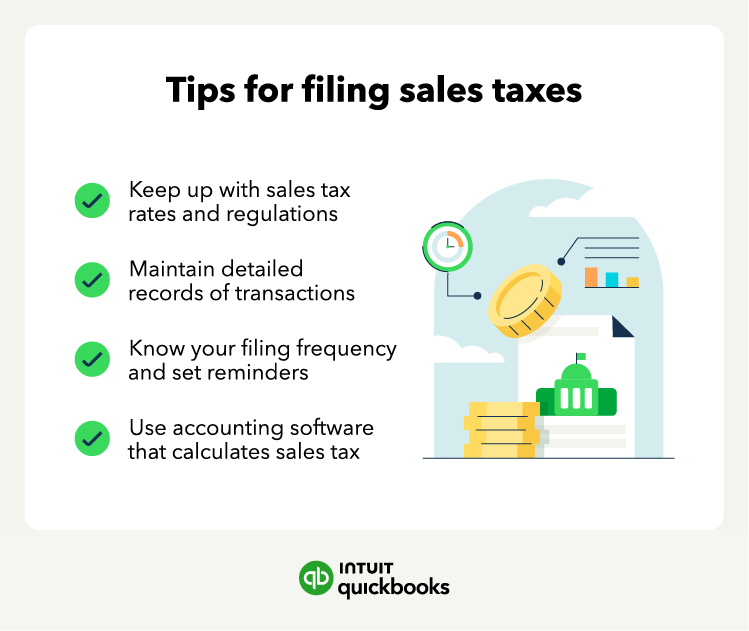
Tip: if a rate error slips through, fix the rate first, then correct the affected returns. Undercollect and the difference comes out of your pocket. Overcollect and you owe refunds. Tax you collected as tax is never yours to keep.
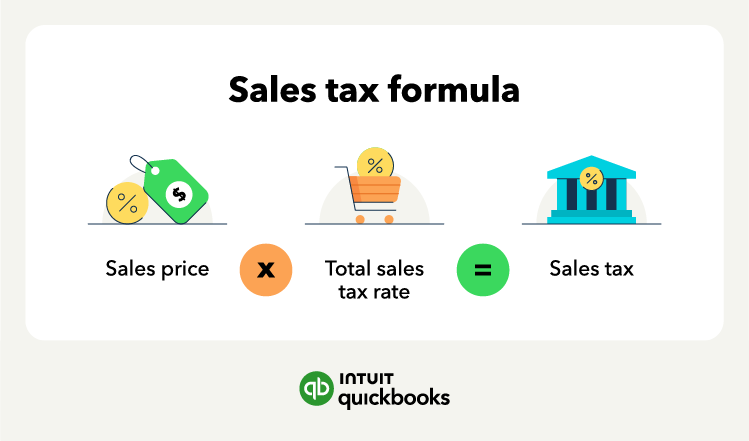
Multiply the pre-tax price by your combined rate. That is 6% state, plus the 1% local option sales tax where the sale is sourced to a municipality that has adopted it, for 7%. On a $1,500 sale delivered into a local option town, that's $105 in tax and a $1,605 total.
The Department's rounding rule: carry the computation to the third decimal place. Round up to the next whole cent whenever the third decimal is greater than four. You may compute the tax per item or per invoice. You may apply the rounding to the state and local taxes together.
Only if the sale is sourced to a municipality that has adopted the local option sales tax. That brings the rate from 6% to 7%. The sale is sourced to where your customer takes possession of the item, or the address it is delivered to. A vendor in a local option town collects it on in-store sales and on items shipped to local option towns. A vendor outside any local option town collects it on items shipped into one.
The Department of Taxes' Local Option Tax Finder checks a specific address. The Department's list of municipalities with a local option sales tax is on the same page. The local option tax goes on your state return, reported by town. If you collect it for any town, you must file through myVTax.
Generally no. Vermont taxes retail sales of goods and a short list of other transactions the statute specifically names. Those include fabrication, telecommunications, and admissions to places of entertainment. A service is taxable only when the statute specifically designates it.
Legal, accounting, consulting, medical, veterinary, and construction and repair services on real property are generally not taxed. Separately stated repair labor on a customer's goods is generally not taxable either, though the repair parts are. Charges for remote access to prewritten software are taxable regardless of the delivery or access method. Genuinely custom software is generally not.
No. Food and food ingredients are generally exempt, including candy and dietary supplements that bear a Supplement Facts label. Alcoholic beverages, tobacco, cannabis products, and soft drinks are excluded from the exemption and taxable. A soft drink is a sweetened nonalcoholic beverage. That does not count beverages containing milk or a milk substitute, or more than 50% fruit or vegetable juice. So plain seltzer stays exempt. Restaurant and other taxable-meal sales fall under the meals-tax rules instead.
No. Clothing is exempt. The statutory definition includes footwear such as shoes, boots, sneakers, and steel-toed shoes by name. Clothing accessories or equipment, protective equipment, and sport or recreational equipment are excluded from the exemption and taxable. Vermont does not hold a sales tax holiday.
Manage sales tax in QuickBooks with automation that helps you save time and stay compliant.
Save time with automated sales tax
Products are automatically matched to tax categories, so you can charge the right sales tax with less manual work. Returns are automatically prepared and formatted for your state, and if you sell into other states, you can automate multi-state filing from one place.
Stay confident and compliant
File with confidence using accurate, automated calculations. Tax rates and rules change, and they are updated automatically in QuickBooks, so what you charge keeps up. Get reminders before filing deadlines so you can plan ahead, and know your return status with real-time updates.
Your data stays protected
Securely send returns to tax agencies and track every filing in QuickBooks.
Manage your books and sales tax in one place
Automatically calculate, collect, and track applicable sales tax from your customers. One report breaks out taxable and non-taxable sales, so you always know what to pay each agency. Prepare, file, and pay directly from QuickBooks.
Explore QuickBooks sales tax software to spend less time on tax and more time running your business.
*Sales tax filing is available as an add-on service through QuickBooks Online for $40 per filing.
You've got the rates and the rules that apply in Vermont. The harder part is applying them correctly on every sale, every quarter. QuickBooks automated sales tax calculates the right combined rate, tracks what you've collected, and shows what you owe when it's time to file.
Call Sales: 1-800-285-4854


