Washington sales tax calculator
Know exactly what to charge at any Washington address. Find the combined rate, the tax on any amount, and the total. Free for your business, no sign-up.
Know exactly what to charge at any Washington address. Find the combined rate, the tax on any amount, and the total. Free for your business, no sign-up.
Done checking rates one sale at a time? QuickBooks applies the right Washington rate, state and local included, on every invoice automatically. See how automated sales tax works
Washington's sales tax has a state layer and a local layer. The state rate is 6.5%. Cities and counties add local rates, and those rates vary by location. The Department of Revenue administers both together, on one return. The rate that applies is the one for the place where your customer receives the goods or service.
The average American side hustle brings in about $2,038 a month, according to Intuit QuickBooks entrepreneurship research. At that size, a Washington seller is squarely in the system. You file one combined excise tax return with the Department of Revenue. The combined rate you charge depends on where each sale is sourced.
What makes Washington different isn't the rate. It's how much of what a small business sells is taxable in the first place. Washington taxes goods and a broad list of services, construction included. It also runs a separate business and occupation (B&O) tax on top, and the sales tax does not replace it. Whether you run a boutique in Seattle, a landscaping crew in Spokane, a contracting business in Vancouver, or an auto repair shop in Tacoma, here's how Washington's rate works. You'll also see which of your sales it reaches and what to know at filing time.
Washington's state sales tax rate is 6.5%. Cities and counties add local rates that vary by location. The combined rate at any address is the state rate plus that location's local rate. The Department of Revenue administers the state and local tax together. You file one combined excise tax return, and you never register with a city or county for the retail sales tax.
The Department publishes the local rate and location code for every taxing location each quarter. The combined figure on its list is the 6.5% state rate plus the local rate. One separate wrinkle: a few cities, Seattle and Tacoma among them, levy their own city B&O taxes administered locally. Those are distinct from the state-administered retail sales tax.
Washington imposes its retail sales tax on "retail sales." Its definition of a retail sale reaches not just tangible goods but a long list of services. If your service is on the list, you charge the full combined rate on the whole charge. That means labor included, not just parts. Taxable retail services include:
Take a $20,000 kitchen remodel of a Spokane home, where the combined rate is 9.1%. It carries $1,820 of tax on the total contract.
Services that are not retail sales carry no sales tax, though the separate B&O tax still applies to the income. That includes professional services such as legal, accounting, engineering, architecture, and medical work. These professionals are consumers of the software and supplies they buy. They pay tax on those. Some everyday services also remain outside the sales tax: routine janitorial cleaning and window cleaning, trash removal, barber and beauty services, massage, pet grooming and kenneling, veterinary services, self-storage, and travel agency services. One caution on cleaning: cleaning a building's exterior walls, furnace, chimney, or septic tank is taxable. So is special clean-up after construction, fires, or floods. Photography follows who buys it. Selling photographs to a consumer, prints or digital and including the sitting fee, is a taxable retail sale. Photography performed for hire for another business is a nontaxable service.
What this means for a seller: before you price a service, check the Washington Department of Revenue's retail sales tax guidance. Check it in both directions, for services you assumed were exempt and for services you assumed were taxable.
The local rate uses the same sourcing as the state tax. For goods, that is the place where your customer takes possession: your counter if they pick up in person, the delivery address if you ship. For services, it is generally the place where your customer first uses the service. For repair-type work, that means wherever they get the item back. For work at the customer's property, it means that property. One address decides the whole combined rate. The local portion goes on your combined excise tax return under that location's code.
Washington is a destination-sourced state, for goods and for services. Under Wash. Rev. Code § 82.32.730 and the Department of Revenue's sourcing rule, a sale is sourced to the place where your customer receives what they bought. For goods, that is where they take possession. For services, it is generally where they first use the service. Your own location decides the rate when the customer receives the goods or service there. Otherwise, the place of receipt decides. The place you shipped from or worked from matters only when none of the other rules can be applied. The local rate follows the same rule, so one location code covers the whole combined rate. Find your situation:
If you sell goods in person at your location: the sale is sourced to your business location when the customer receives the goods there. Charge that location's combined rate. The Department's own example: a customer from Idaho buys a mattress at a Spokane store and takes it home to Idaho. That sale is still sourced to the Spokane store.
If you ship or deliver goods to Washington customers: the sale is sourced to the location where your customer receives the goods. That includes the delivery address in instructions you know about. It holds whether your own truck or a carrier delivers it, and regardless of where you shipped from. Shipping terms such as "FOB shipping point" do not change this. A shipping company holding the goods is not the customer receiving them. Charge the delivery address's combined rate.
The Department's example: furniture bought from a store in Everett and delivered to the customer's home in Seattle is sourced to Seattle. Goods delivered into Washington from outside the state are sourced the same way, to where the customer receives them. Keep the delivery records. The Department requires documents showing where the customer received the goods. Examples include delivery instructions on the invoice, a bill of lading, or a signed trip sheet.
If you repair, alter, clean, or otherwise work on a customer's goods: the sale is generally sourced to where the customer receives the repaired item. If they pick it up at your shop, that is your shop's rate. The Department's example is a mechanic in Centralia whose customer picks up the car there. That sale is sourced to Centralia. If you deliver or ship the item back, the total charge, including shipping and handling, is sourced to where the customer receives it. A clock repaired in Auburn and delivered to the customer's home in Shoreline is sourced to Shoreline.
If you perform a service at the customer's location: sales of labor and services are sourced to where they are performed. So construction, landscaping, pest control, snow removal, and other on-site work are generally sourced to the customer's property. Charge that address's combined rate. The Department's example: an Olympia painting company that paints a customer's home in Tacoma is sourced to Tacoma. If an installation charge is added to the price of an item, the whole charge is sourced to where the item is installed.
If you sell software, digital products, or other remotely delivered services: the sale is generally sourced to where the customer receives it. For remotely accessed software, that means the location where the customer accesses it, when you have that information. The Department's example: a Port Angeles business owner buys prewritten software from a Sequim store and accesses it remotely at her Port Angeles address. That sale is sourced to Port Angeles. If you do not know where the customer will receive it, the rule falls back in order. First comes the customer's address in your business records. Next is an address obtained at the sale, such as a credit card billing address. Only then does the rule use the location from which the software was first made available for transmission.
If you sell through a marketplace like Amazon or Etsy: a marketplace facilitator with more than $100,000 in cumulative gross receipts into Washington must register and collect Washington tax on the sales it facilitates. So sales through a collecting marketplace are not yours to collect on. You still report those sales on your excise tax return as part of your gross Washington sales. Then you take the Department's "Gross Sales Collected by Facilitator" deduction for them. A Washington seller still registers and collects on its direct sales. Your own website checkout, invoices, and in-person sales remain yours to collect and report. An out-of-state seller counts direct sales plus facilitated sales toward the $100,000 threshold.
If you're out of state selling into Washington: you must register and collect once your gross income from Washington exceeds $100,000 in the current or preceding calendar year. There is no transaction-count test. Washington removed its 200-transaction threshold effective March 14, 2019, and the measure became gross income on January 1, 2020. So only dollars matter. Marketplace sales count toward your threshold even though the marketplace collects on them. You must register and begin collecting on the first day of the month that starts at least 30 days after you meet the threshold.
Until you've crossed the threshold, you aren't required to collect Washington tax, provided you have no physical presence in Washington. Physical presence takes very little. An employee working in the state counts. So does property or a stock of goods there, including inventory a marketplace or other third party holds for you. So does an agent or representative soliciting or servicing Washington sales. A seller with a physical presence must register and collect immediately, whatever its Washington receipts.
Once you have crossed the threshold, the same sourcing rules apply to you. The Department collects sales tax based on the location where the sale is sourced or delivered. So each shipment is sourced to its Washington delivery address and carries the 6.5% state rate plus that address's local rate. If you sell both directly and through a collecting marketplace, you collect only on your direct sales.
Sales with their own sourcing rules. Motor vehicles, trailers, semitrailers, and aircraft that do not qualify as transportation equipment are sourced to the location at or from which delivery is made. Interstate-carrier trucks, trailers, aircraft, and railcars follow the general rule. Watercraft and modular, manufactured, and mobile homes are also sourced to the location at or from which delivery is made. The Department describes that location as the seller's location, even if the seller delivers the item to the customer.
Qualifying florists are sourced to the store from which delivery is made. When one florist takes the order and another delivers, the sale is sourced to the florist that took the order. Automobile towing is sourced to the business location. Telecommunications services and direct mail have their own rules.
Leases and rentals of equipment follow a modified rule. A single-payment rental is sourced like a sale. For a lease with recurring payments, the first payment is sourced like a sale, and later payments are sourced to the primary property location where the equipment is kept. Leases of motor vehicles, trailers, semitrailers, and aircraft with recurring payments source every payment to the primary property location. Again, that rule excludes transportation equipment.
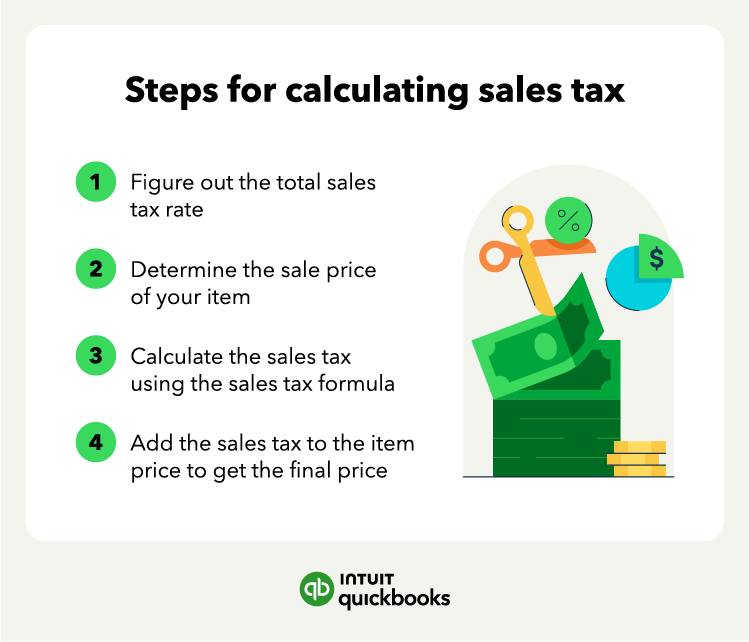
Worked example. You build furniture in Spokane and sell a $900 table.
Same table, same week, a different location code on your return. Washington's return reports local sales tax by location code, so keep the delivery address with every sale.
The lines that matter most to small sellers:
Groceries: food and food ingredients are generally exempt, and in Washington that includes candy. Washington briefly taxed candy in 2010. Voters repealed that tax by initiative effective December 2010. One exception: food sold through a vending machine is taxable, with the taxable selling price set at 57% of the machine's gross receipts. Soft drinks, bottled water, and hot food sold from a machine are taxed on their full receipts, treated as tax-included.
Bottled water and soft drinks: both taxable. Bottled water has been excluded from the food exemption since August 1, 2017. There are narrow exceptions for water dispensed under a prescription and for buyers whose primary source of drinking water is unsafe. In both cases you still collect at the register (unless you deliver the water in a reusable container against the buyer's exemption certificate) and the buyer claims a refund from the Department. The soft drink test is added sweetener, not carbonation. A sweetened beverage is a taxable soft drink unless it contains milk or milk products, soy, rice, or similar milk substitutes, or more than 50% fruit or vegetable juice by volume.
Prepared food: generally taxable. That means food sold heated, food the seller combined into a single item, and food sold with eating utensils. Catering is taxable too. Bakery items, and food sold unheated by weight or volume as a single item, are exempt when sold without utensils. A seller whose prepared-food sales exceed 75% of its food sales must charge tax on nearly all its food.
Alcohol: never exempt. Beer and wine carry the regular retail sales tax. Spirits sold in sealed containers carry a separate spirits sales tax instead of the regular tax. Spirits sold by the drink carry the regular tax.
Vitamins and supplements: taxable, except when dispensed by prescription.
Clothing: taxable year-round. Washington has no clothing exemption and no sales tax holiday. Clothing, footwear, accessories, protective clothing, and sports equipment are all taxable. Garment alteration and repair are taxable services.
Software and digital products: taxable. Prewritten software is taxable regardless of delivery. Software as a service and digital automated services are taxable retail sales. Digital products are taxable however they are delivered. Custom software and the customization of prewritten software became taxable on October 1, 2025. They are scheduled to revert to nontaxable services on January 1, 2029. Computer hardware is taxable. Internet access is not.
Prescription drugs and medical items: prescription drugs for human use are exempt. Over-the-counter drugs are taxable unless actually dispensed under a prescription. Prosthetic devices worn on or in the body, such as braces, slings, and splints, are exempt when they are prescribed, fitted, or furnished for the individual by a person licensed to do so. Under the same condition, their components and repair and replacement parts are exempt too. The same brace sold off the shelf without that is generally taxable. Family planning drugs and devices dispensed under a prescription are exempt. Durable medical equipment is generally taxable in Washington, with specific carve-outs such as prescribed oxygen equipment. Medical services are not taxable.
Newspapers: exempt, whether printed or delivered electronically. Magazines and periodicals have no equivalent exemption and are taxable. Printing sold to customers is taxable, except when sold for resale.
Business purchases: anything bought for resale is exempt with a reseller permit. Containers, packaging, labels, and wrappers used to ship a product are exempt. Non-food returnable containers are taxable. Machinery and equipment used directly in manufacturing, and materials that become part of the product, are exempt. Leases and rentals of equipment and other goods are taxable retail sales, just like selling them. Lodging rented for less than 30 continuous days is taxable, and most areas add a local lodging or convention tax on top. Stays of 30 continuous days or more are not subject to sales tax.
Selling a mix of taxable and exempt items is where receipts get messy. Track the two buckets separately from the start.
Use tax is the buyer's side of the same tax. It applies to the use of goods or certain services in Washington when sales tax was not paid at the time of purchase. An item used in the state is subject to either sales tax or use tax, but not both on the same transaction. Sales tax is collected by the seller at the time of purchase. Use tax is the buyer's responsibility, paid directly to the state. Businesses and individuals both owe it.
For a business, this shows up when:
If you paid another state's legally imposed sales or use tax on the item, Washington credits that tax against the use tax you owe. So you owe only the difference, if any.
The rate is the combined rate where you first use the item. Use tax is the 6.5% state rate plus a local use tax rate. The local rate is the one for the location in Washington where you first use what you bought. So there is a local use tax. The Department's rate list carries a single local rate for sales and use tax alike. The tax is measured by the purchase price, including any freight, delivery, or shipping charges paid to the seller.
Say your Spokane coffee shop buys a $3,000 commercial espresso machine online and the invoice shows no Washington tax. At Spokane's 9.1% combined rate you owe $273 in use tax: $195 at the 6.5% state rate and $78 at the 2.6% local rate.
How you report it. A business reports use tax on its excise tax return, in the period when the goods are first used in Washington. The value of the articles goes on the use tax line of the state sales and use tax section at the 0.065 rate. The local portion is listed by location code in the local sales and use tax section. Individuals report and pay through My DOR or on a paper Consumer Use Tax Return.
Washington's 2025 legislature (ESSB 5814) made a set of services taxable retail sales starting October 1, 2025:
The advertising category carries significant exclusions. It does not reach newspapers, printing and publishing, radio and television broadcasting, or out-of-home advertising such as billboards and transit ads.
The 2026 legislature then rolled most of it back on a delay. ESSB 6346 repeals the service-tax expansion effective January 1, 2029, except advertising services, which remain taxable. Custom software is scheduled to revert to a nontaxable service on that date. SB 6113 (2026) also made retroactive clarifications effective October 1, 2025. It refined the investigation and security definitions and exempted live presentations at preschools, youth camps, and churches. It also gave pre-existing contracts a grace period through March 31, 2026.
Effective July 1, 2026, K-12 schools, school districts, educational service districts, and libraries are exempt from tax on the newly taxable services. The Department of Revenue is offering penalty relief for transactions from October 1, 2025 through December 31, 2026.
If you sell any of these services, you should be collecting on them now. For all but advertising, you are scheduled to stop at the end of 2028. Check the status as that date approaches.
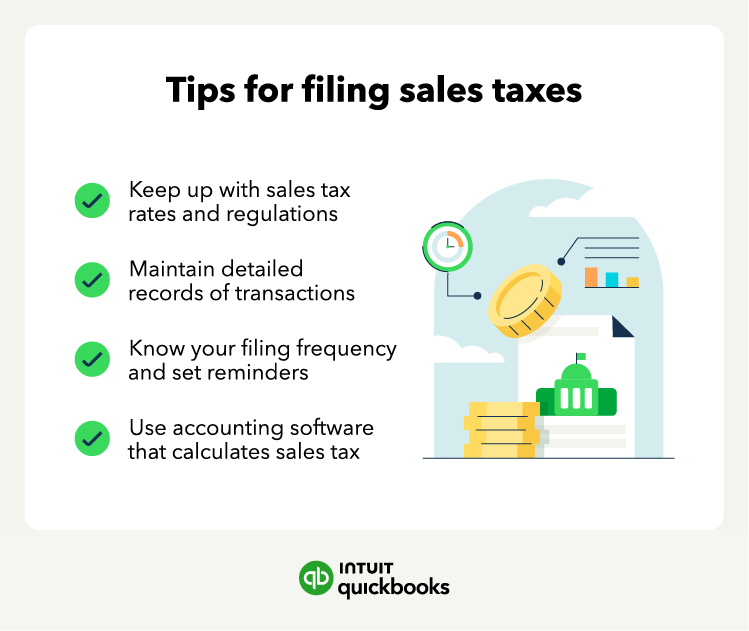
Washington puts the state sales tax, the local sales taxes, and the B&O tax on one return. So the mechanics are mostly about getting the local detail right:
The Department assigns your filing frequency. When you register, the Department of Revenue assigns a filing frequency based on your estimated annual tax liability. The tiers are annual at $1,050 or less, quarterly from $1,051 to $4,800, and monthly at $4,801 and above. You can ask the Department to change it. The Department can also change it, with at least 30 days' notice.
Due dates differ by frequency. Monthly returns are due the 25th of the following month. So June's return is due July 25. Quarterly returns are due the last day of the month after the quarter ends. So the first-quarter return is due April 30. Annual returns are due April 15 of the following year. If a due date falls on a weekend or legal holiday, it moves to the next business day.
Everything is electronic. All businesses must file and pay electronically through My DOR, the Department's online filing system. The Department can waive the requirement for good cause, such as having no computer or internet access.
One return, state and local together, by location code. The combined excise tax return carries the state portion on taxable retail sales at the 0.065 rate. It also has a local section. There you list the location code and rate for each location where your retail sales took place, the taxable amount for each, and the local tax due. The total of the local taxable amounts must equal your taxable retail sales for the period. Location codes and rates come from the Department's quarterly list or its Tax Rate Lookup Tool.
There is no separate city or county registration for the retail sales tax. The same return carries the B&O tax, a gross-receipts tax on the business's own income. The sales tax does not replace it, so a seller can owe both.
File every period, including periods with nothing to report. A registered business must file its returns unless the Department places the account on active nonreporting status. That status is not available to a business required to collect retail sales tax. A period with no activity is reported as a "no business activity" return. You can file it online without logging in, through My DOR, or by phone.
Tip: if a rate error slips through, fix the rate first, then correct the affected returns. Undercollect and the difference comes out of your pocket. Overcollect and you owe refunds. Tax you collected as tax is never yours to keep.
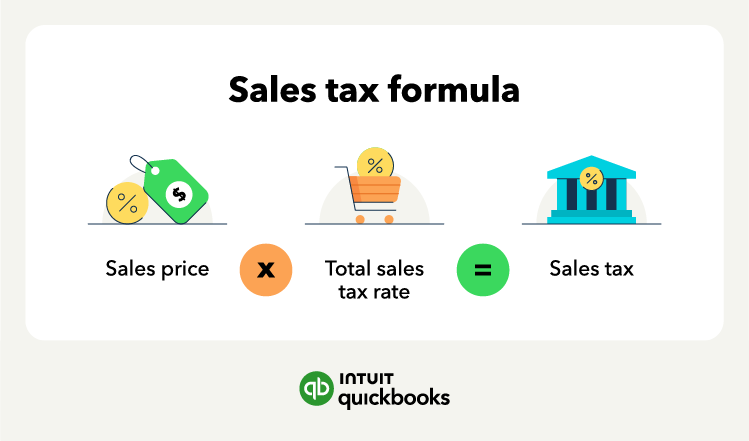
Multiply the pre-tax price by the combined rate for the place where your customer receives the goods or service. That is the 6.5% state rate plus that location's local rate. In Seattle, where the combined rate is 10.55%, a $1,200 sale carries $126.60 in tax for a $1,326.60 total.
No. The 6.5% state rate is the same at every Washington address, but the local rate varies by location. The combined rate is the state rate plus the local rate for the place where your customer receives the goods or service: the delivery address if you ship, your location if they pick up. The Department of Revenue's sales and use tax rates page has the quarterly rate list and an address lookup tool.
If your service is a retail sale under Washington law, yes, on the whole charge, labor included. Repairing, installing, cleaning, or altering customers' goods, construction and other work on real property, landscaping, tanning and tattooing, gym and fitness facility charges, catering, and software as a service are all retail sales. So are IT support, staffing, security, and advertising services, since October 1, 2025. Professional services such as legal, accounting, engineering, architecture, and medical work are not. Neither are barber and beauty services, janitorial work, massage, pet grooming, or veterinary services. Those businesses still owe the separate B&O tax on their income.
No. Food and food ingredients are generally exempt, and so is candy. Food sold through a vending machine is the exception. Bottled water, soft drinks, prepared food, and dietary supplements are taxable. Alcohol is never exempt.
No. Washington has no back-to-school or any other sales tax holiday. Clothing, school supplies, and electronics are taxable every day of the year.
Manage sales tax in QuickBooks with automation that helps you save time and stay compliant.
Save time with automated sales tax
Products are automatically matched to tax categories, so you can charge the right sales tax with less manual work. Returns are automatically prepared and formatted for your state, and if you sell into other states, you can automate multi-state filing from one place.
Stay confident and compliant
File with confidence using accurate, automated calculations. Tax rates and rules change, and they are updated automatically in QuickBooks, so what you charge keeps up. Get reminders before filing deadlines so you can plan ahead, and know your return status with real-time updates.
Your data stays protected
Securely send returns to tax agencies and track every filing in QuickBooks.
Manage your books and sales tax in one place
Automatically calculate, collect, and track applicable sales tax from your customers. One report breaks out taxable and non-taxable sales, so you always know what to pay each agency. Prepare, file, and pay directly from QuickBooks.
Explore QuickBooks sales tax software to spend less time on tax and more time running your business.
*Sales tax filing is available as an add-on service through QuickBooks Online for $40 per filing.
You've got the rates and the rules that apply in Washington. The harder part is applying them correctly on every sale, every quarter. QuickBooks automated sales tax calculates the right combined rate, tracks what you've collected, and shows what you owe when it's time to file.
Call Sales: 1-800-285-4854


