Wyoming sales tax calculator
Know exactly what to charge at any Wyoming address. Find the combined rate, the tax on any amount, and the total. Free for your business, no sign-up.
Know exactly what to charge at any Wyoming address. Find the combined rate, the tax on any amount, and the total. Free for your business, no sign-up.
Done checking rates one sale at a time? QuickBooks applies the right Wyoming rate, state and local included, on every invoice automatically. See how automated sales tax works
Wyoming's sales tax is built in two kinds of layers. The first is a 4% state rate set by the Legislature. The second is optional local taxes that counties add on top after their voters approve them. In some cases, cities, towns, and resort districts add their own, also with their voters' approval.
The average American side hustle brings in about $2,038 a month, according to Intuit QuickBooks entrepreneurship research. At that size, a Wyoming seller is squarely in the system. You need a sales tax license from the Department of Revenue. You charge a combined rate that depends on the county where your customer takes possession. And you file one state return that carries the local tax county by county.
What makes Wyoming different isn't the layering. It's how little of the service economy the tax reaches. Wyoming taxes a service only when the statute names it, and most services aren't named. The big exception is repairing, altering, or improving tangible personal property, labor included. Whether you run a boutique in Cheyenne, repair cars in Casper, or photograph weddings in Jackson, here's how Wyoming's rate works. You'll also see which of your sales it reaches and what to know at filing time.
Wyoming's state sales tax rate is 4%. It applies to retail sales of goods and to the services the statute specifically names. It is the same everywhere in Wyoming.
On top of it, counties may impose their own optional sales taxes once county voters approve them. The statute also lets cities and towns, and resort districts, impose a tax with their voters' approval. The combined rate at any address is the 4% state rate plus whatever local taxes are in effect where your customer takes possession. The layers:
The Department of Revenue administers the county and municipal taxes on one combined state return. There are no home-rule jurisdictions in Wyoming that administer their own sales tax. Your state sales tax license covers the local taxes too. No additional license is required for them. Local rate changes take effect only on the first day of a calendar quarter, after at least 60 days' notice to vendors.
Wyoming does not impose a general tax on services. A service is taxable only if the statute specifically names it, and most service categories are not named. Repair work is not the only thing the statute names, though. Its list of taxable events also reaches:
That means a short-term rental host, an event or recreation venue, or an equipment-rental shop collects even though no repair is involved.
The named service most small businesses run into is repairing, altering, or improving tangible personal property. When you fix, modify, or improve something your customer owns, the whole charge is taxable, labor included. Wyoming does not exempt the labor just because you state it separately on the invoice. Materials, supplies, and fabrication that become part of the repair are a wholesale purchase when you buy them. The tax is collected once, on the repair charge you bill the customer. That charge includes those materials along with the labor. A $400 brake job is taxed on the full $400, parts and labor.
The services Wyoming names include:
Services that are not taxable, because the statute does not name them, include building maintenance, lawn care, pool cleaning, snow removal, window cleaning, interior design, pest control, trash removal, water conditioning and softening, babysitting and daycare, barbering and beauty services, dance instruction, flying instruction, furniture moving, kenneling, massage therapy, pet grooming and training, self-storage, tanning, tattooing, accounting, advertising, bookkeeping, credit reporting, engineering, investment counseling, legal, management consulting, payroll, and veterinary services, among others. Labor to construct, alter, or improve real property is not taxable either, unless it is performed within an oil or gas well site. The line holds only as long as the engagement does not include a sale of tangible personal property, a repair, alteration, or improvement to tangible personal property, or a taxable well-site service. Where it does, that component is taxable. Consulting, inspection, and instruction services in particular can contain taxable elements.
Warranties and service contracts. A standard or mandatory warranty included with a product is part of that product's taxable price. Repairs performed under it are not taxed again. An extended warranty or service contract sold for a separate, separately stated charge works the other way. The agreement itself is not taxable, but the repairs performed under it are. The issuer of the agreement is liable for the tax on charges the agreement covers. The customer is liable for the tax on repairs it does not cover. Software maintenance contracts are the exception. A contract obligating a software vendor to provide future updates or upgrades, support services, or both is taxable.
What this means for a seller: before you price a service, check whether it involves repairing, altering, or improving something your customer owns. If it does, tax the whole invoice. If it doesn't, and the statute doesn't name it, the service isn't taxable.
The county optional taxes apply to retail sales of tangible personal property, admissions, and services made within the county. The municipal tax applies to those made within the city or town. Which county a sale is made within follows the same rule as the state tax. The Department sources taxable sales to the county where the customer takes possession. It sources taxable services to the county where the customer is able to make first use of the service. There is no separate local license, and the local tax goes on your state return, itemized by county.
Wyoming is a destination-sourced state. Under W.S. 39-15-104(f) and the Department of Revenue's sourcing rules, a sale is sourced to the place where your customer receives what they bought. For goods, that is where they take possession. For services, it is generally where they are able to make first use of the service. The Department puts it plainly: regardless of where a sale originates or is shipped from, the point of possession is the determining factor. Shipping terms do not change it. The combined rate you charge is the rate in effect in the county where that happens. Your own location sets the rate when the customer receives the goods or the service there. Shipping from it does not. Find your situation:
If you sell goods in person at your location: the sale is sourced to your business location, and you charge the combined rate in effect there. That holds for an out-of-state customer too. The Department's example is a Montana resident who buys a television in Cody and drives it home. He took possession in Cody, so the sale is sourced to Park County and the vendor collects Park County's rate.
If you ship or deliver goods to Wyoming customers: the sale is sourced to where your customer takes possession, including the delivery address you were given. That holds regardless of where you shipped from. Possession by the shipping company doesn't count as the customer's receipt. The shipping terms on the invoice don't change the answer. Charge the combined rate in effect at the delivery address. If you ship to a customer outside Wyoming, the sale is not a Wyoming sale. The Department's example is a Casper vendor that ships tools to a customer in Illinois and collects no Wyoming tax.
If you repair, alter, or otherwise work on a customer's property: vehicle repair, garment alterations, appliance and computer repair, dry cleaning, and the other taxable services performed on tangible personal property are generally sourced to where the customer is able to make first use of the service. In the Department's examples, that is where they get the item back, not where you did the work. Two Department examples: a customer from Albany County drives a lawn mower to a shop in Natrona County and picks it up there when it's fixed. The repair is taxable in Natrona County. A customer in Laramie County ships a vacuum to a repair shop in Albany County, and the shop ships it back. The repair is taxable in Laramie County, where the customer can first use it. The same logic sends a repair shipped back to a customer in another state out of Wyoming entirely.
If you perform a taxable service at the customer's location: most services performed at a customer's location, such as lawn care, building maintenance, and pest control, are not taxable in Wyoming. When one is taxable, such as an equipment repair done on site or a well-site service, it is generally sourced to where the customer is able to make first use of it. For work done at the customer's premises, that is the customer's address. The Department's own example runs the other way around. An oil change done while the customer waits is taxable where the shop is, in that case Converse County. That is because the customer makes first use of it there.
If you sell through a marketplace like Amazon or Etsy: a marketplace facilitator with a physical presence in Wyoming, or with $100,000 in gross sales into Wyoming in the current or preceding calendar year, must collect and remit Wyoming sales tax on the sales it facilitates. Under the Department's rules, a seller who sells exclusively through a marketplace facilitator that is licensed to collect and report Wyoming tax is not required to hold a Wyoming license. Sales you make outside the marketplace, through your own website, invoices, or in person, make you a vendor in your own right. Those sales are yours to collect and report. If you are an out-of-state, or remote, seller with no physical presence in Wyoming, your marketplace sales do not count toward your own threshold.
If you're out of state selling into Wyoming: if you have no physical presence in Wyoming, you must collect once you have $100,000 in gross sales into Wyoming in the previous or current calendar year. There is no transaction-count test. Wyoming removed its transactions threshold effective July 1, 2024, so only dollars matter. Your sales through a marketplace are excluded from your own threshold. Collection starts with your next transaction after you cross it. Until you've crossed it, and as long as you have no physical presence in Wyoming, you aren't required to collect Wyoming tax. Once you have, the statute requires you to remit sales tax and follow all of Wyoming's procedures like an in-state seller. So each sale is sourced to the Wyoming county where your customer takes possession, and you collect the combined rate in effect there.
The $100,000 test is only for sellers with no physical presence in Wyoming. The Department describes physical presence as any of the following:
If you have one, you are generally required to license and collect regardless of your sales volume. The Department's example is an online retailer that ships a computer monitor to a customer's home in Laramie County. The sale is taxable in Laramie County. If the retailer doesn't collect, the Wyoming buyer owes use tax at Laramie County's rate.
Sales with their own sourcing rules. Motor vehicles, trailers, and semitrailers are outside these rules. So are telecommunications services. Leases and rentals of equipment follow a modified rule. A lease with recurring payments has its first payment sourced like a sale, to where the customer receives the equipment. Later payments are sourced to the address where the equipment is kept. A rental without recurring payments is sourced like a sale. So a jackhammer rented for a week from a Natrona County store and loaded into the customer's truck there is sourced to Natrona County, even if the job site is in Campbell County. Motor vehicle leases with recurring payments are sourced to the vehicle's primary location.
Worked example. You build furniture in Cheyenne, in Laramie County, and sell a $900 table.
On either leg, the state portion is the same: $36, or 4% of $900. The county optional taxes in effect at the address that sets the rate are added on top at their current rate. So the two totals can differ.
Same table, same week, two different county lines on your return. Wyoming's return itemizes tax by the county where the sale or delivery took place, so keep the delivery address with every sale.
The exemptions that matter most to small sellers:
Groceries: food and food ingredients bought for domestic home consumption are exempt. Wyoming defines food broadly, as substances in liquid, concentrated, solid, frozen, dried, or dehydrated form that are sold for ingestion or chewing by humans and consumed for their taste or nutritional value. So the exemption reaches just about anything in the grocery aisle. Alcoholic beverages, tobacco, and prepared food are not food for this purpose.
Candy, soda, and supplements: exempt, along with other groceries. Bakery items, candy, and carbonated and non-carbonated beverages are all exempt when sold for home consumption. Candy from a vending machine is exempt too. That is because taxability turns on whether the item is prepared food, not on how it was sold. Dietary and nutritional supplements count as food and are exempt. A product that would otherwise be a supplement but is consumed to treat a condition, ailment, or illness rather than for taste or nutrition is an over-the-counter drug. Over-the-counter medications and remedies are taxable.
Prepared food: taxable, separately from the grocery exemption. Bakery items combined with other food products lose the exemption and become taxable. When food is sold with taxable goods for one non-itemized price, Wyoming's bundled transaction rules decide the result. If the taxable goods are 50% or less of the total price, the food exemption is preserved. If they are more than 50%, the entire price is taxable.
Clothing: taxable year-round. Wyoming has no clothing exemption. Clothing, clothing accessories, protective clothing and equipment, sports and recreational equipment, and special-order clothing and footwear are all taxable. So is clothing alteration.
Software and digital products: prewritten software is taxable however it is delivered, on media or downloaded. So are repairs, alterations, and improvements to hardware or software, and the installation of a software package. Custom software is exempt. Its creator is treated as the consumer of the inputs used to build it. Digital products are taxable, but Wyoming defines the category narrowly: digital audio-visual works, digital audio works, and digital books. Software as a service, platform as a service, and infrastructure as a service are not taxable as long as the customer receives no tangible personal property or separately enumerated taxable service within the arrangement. But a license fee that is necessary to possess or use the software is part of the taxable price. Internet access is exempt.
Prescription drugs and medical equipment: prescription drugs are exempt. Durable medical equipment and mobility-enhancing equipment are exempt when sold under a prescription, with no Medicare or Medicaid payment condition attached.
Newspapers: not taxable. Magazines and other periodicals are taxable, and so are printing services.
Farm and factory inputs: livestock, feed for livestock or poultry raised for market, seeds and fertilizer applied to land whose products will be sold, and power or fuel consumed directly in agriculture, manufacturing, or processing are exempt. Farm implements are exempt when designed or adapted for and used exclusively in agricultural operations. Titled vehicles, snowmobiles, lawn tractors, all-terrain vehicles, and repair or replacement parts are expressly excluded. The buyer declares the exclusive agricultural use on a fully completed exemption certificate. Machinery used directly and predominantly in manufacturing tangible personal property in Wyoming is exempt through December 31, 2042, with a properly completed exemption certificate. The exemption does not reach the labor to install or repair the machinery or the maintenance over its life.
Wyoming does not hold a sales tax holiday.
Selling a mix of taxable and exempt items is where receipts get messy. Track the two buckets separately from the start.
Use tax is the companion to Wyoming's sales tax. It applies to tangible personal property purchased out of state and brought into Wyoming for storage, use, or consumption when no sales tax was paid at the time of purchase. It also applies when tax was paid at a lower rate than the one in effect in the county where the goods are stored, used, or consumed.
Anything that would be subject to Wyoming sales tax if bought in state is subject to use tax when bought elsewhere and brought in. It doesn't matter whether the purchase happened on a trip to a neighboring state, by mail order, or online. Taxable services work the same way. A repair done out of state on an item you bring back to Wyoming is subject to use tax where you make first use of it.
The rate is the same as the sales tax rate where the goods land. Wyoming's statute levies one excise tax on both retail sales within the state and the purchase price of goods and taxable services stored, used, or consumed here. So the use tax rate is the same as the sales tax rate in effect for the jurisdiction.
The statewide portion is 4%, the same as the state sales tax rate. The county optional taxes apply at the same rate to purchases for storage, use, or consumption as they do to sales. So there is a local use tax wherever there is a local sales tax. The Department's rule of thumb: use tax is equivalent to the sales tax rate in the county where the property is delivered to or received by the end consumer.
For a business, this shows up when you order equipment, supplies, or software from a vendor that didn't charge Wyoming tax. The Department's own example is a business that buys copy paper, toner, and light bulbs from an out-of-state supplier that charges no tax. The goods are delivered to Wyoming. The business owes use tax on the purchase.
Say you buy a $3,000 commercial espresso machine online for your Casper café. The vendor charges no Wyoming tax, and it is delivered to your shop. You owe use tax at the combined rate in effect in Natrona County. That is $120 of state use tax at the 4% statewide rate, plus any county optional tax in effect in Natrona County at its current rate.
Use tax is not due on inventory you buy from out-of-state suppliers to resell. If you legally paid another state's sales tax on the purchase, Wyoming allows a credit up to the Wyoming use tax due. If the other state's rate was higher, nothing more is owed, and nothing is refunded.
How you report it. If you hold a Wyoming sales tax license, you report use tax on the same return as your sales tax. The return itemizes tax by county. Each county line has a column for use tax due. It covers items purchased out of state and brought into Wyoming where no tax or not enough tax was charged. Do not include those purchases in your gross sales.
If you aren't licensed, you report use tax on the Wyoming Consumer Use Tax Return, Form 44, on paper or through WYIFS. It is due on or before the last day of the month following the month of purchase. Either way, the liability is yours until the tax is paid, unless a licensed vendor's receipt shows you paid it to them.
Wyoming treats the two directions of freight differently. Outbound freight is the charge your customer pays to get the product from you to a delivery location of their choosing. It is exempt as long as the charge is separately stated and distinguishable from any taxable charges on the same invoice. That holds whether the shipment stays in Wyoming or crosses state lines. Fold the freight into the price of the goods, or mix it in with taxable charges, and the entire amount is taxable.
Inbound freight is the cost you incur to get the product onto your shelf. It is part of your cost of goods sold, like overhead and markup. It stays in the taxable sales price even when you itemize it separately for the customer. That includes a dealer delivery charge or expedited freight on a special order.
One invoice can carry both. The inbound charge is taxable and the outbound charge is not. The separation has to be evident on the invoice or bill of sale the customer receives, not just in your internal records.
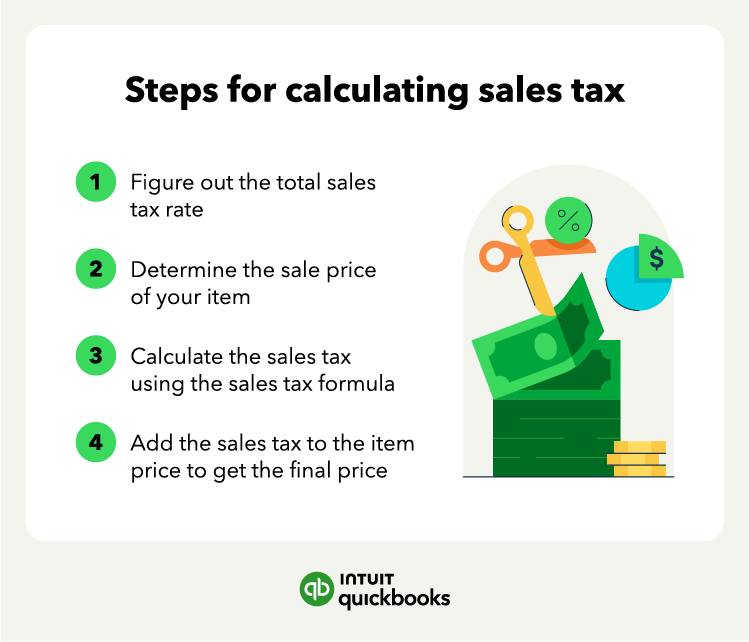
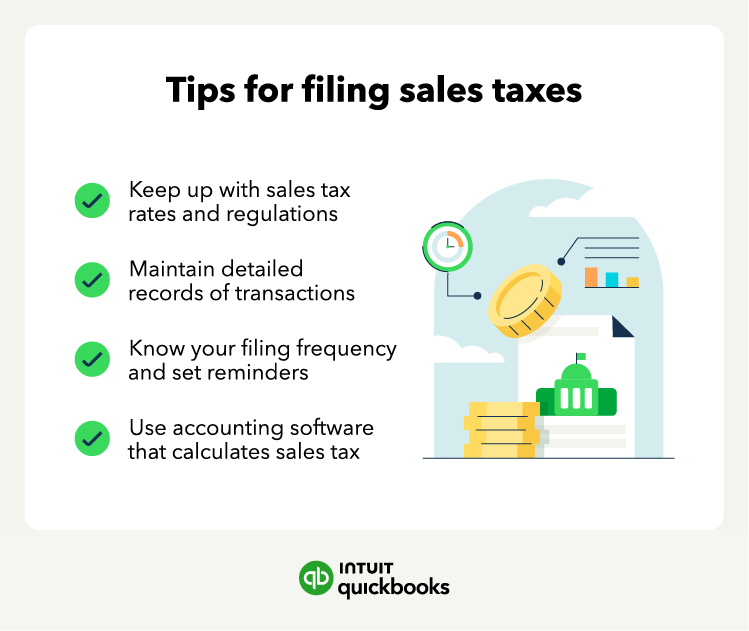
Wyoming's filing system puts the whole state, local tax included, on one return. Things to know:
Your filing frequency is assigned, and returns are due the last day of the following month. The Department assigns a filing frequency when it issues your license: monthly, quarterly, or annually, based on your tax volume. It can change the frequency later. Under the statute, each vendor files monthly, on or before the last day of each month for the preceding month's sales. But a vendor who remits less than $150 in tax a month may be allowed a quarterly or annual return instead. Monthly returns and payment are due on or before the last day of the month following the sales month. Quarterly returns are due January 31, April 30, July 31, and October 31. Annual returns are due January 31. A due date that falls on a weekend or a federal or Wyoming state holiday moves to the next business day.
File by the 15th and take the vendor credit. If your return and payment are postmarked by the 15th of the month the tax is due, you may take a vendor compensation credit of 1.95% of the tax due. The credit is capped at $500 per filing period and is taken against the taxes you remit. An amended return qualifies only if it is also in by the 15th. A vendor with an outstanding balance is ineligible.
File electronically or on paper. You can file and pay through WYIFS, the Wyoming Internet Filing System for Business, or on the paper return the Department mails to manual filers. The postmark date or the date submitted electronically counts as the filing date. The licensed-vendor return is Form 41 for monthly and quarterly filers and Form 42 for annual filers.
One return, itemized by county. State and local tax go on the same return. Part II of the return itemizes sales and use tax to the jurisdiction where the sale or delivery took place. It uses the county's four-letter name code and four-digit jurisdiction code. Laramie County is LARA 0200, and Natrona County is NATR 0100. The Department's instructions say the last two digits, the city code, are always 00 unless you are reporting lodging tax or resort district tax. Enter the rate in effect for the reporting period for each county from the Department's rate chart. The chart is updated as changes occur on a quarterly basis. Keeping the delivery address with each sale turns that schedule into a sort, not a research project.
File every return, including zero returns. As a licensed vendor, you must file a return even if there were no sales or taxes to report. The return has a box to check for no sales or taxes. Failing to file a return on time can cost you your license.
Tip: if a rate error slips through, fix the rate first, then correct the affected returns. Undercollect and the difference comes out of your pocket. Overcollect and you owe refunds. Tax you collected as tax is never yours to keep.
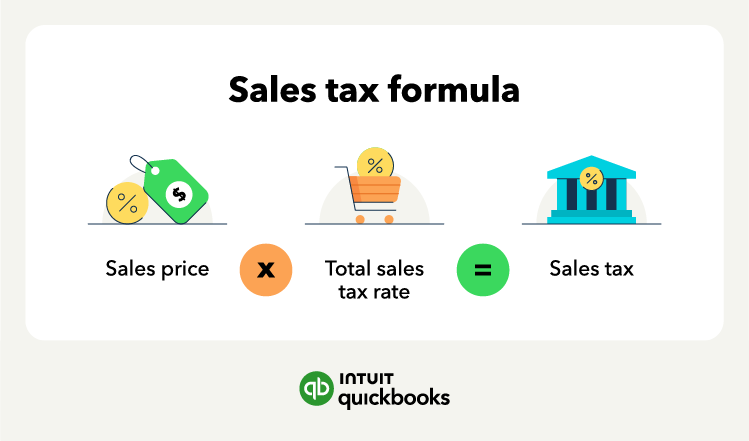
Multiply the pre-tax price by the combined rate in effect in the county where your customer takes possession. That is the state rate plus the county optional taxes, and any municipal or resort district tax, in effect there.
Using the state rate alone to show the method: on a $1,200 sale, the 4% state tax is $48 and the total is $1,248. Where a county tax applies, do the same with the combined rate.
It depends on the county. Wyoming's state rate is 4%, set by the Legislature. Counties add optional sales taxes their voters have approved. A city, town, or resort district can add one too. The Department of Revenue's answer is that the rate varies by county. It is based on where the customer takes possession of the item or service. The Department publishes a rate chart for every jurisdiction, updated as changes occur on a quarterly basis. Local rate changes take effect only on the first day of a calendar quarter.
Only if the statute names your service, and most aren't named. Repairing, altering, or improving tangible personal property is taxable, labor included. So are dry cleaning and linen services, garment alteration, photography, taxidermy, printing, and software installation and repair. Services at an oil or gas well site are taxable from the setting of production casing onward. For an open hole completion, they are taxable from underreaming or total depth onward. The statute also taxes lodging for transient guests (stays of less than 30 continuous days), admissions to any place of amusement, entertainment, recreation, games, or athletic events, leases and rentals of tangible personal property, meals and cover charges where meals are regularly served to the public, intrastate telecommunications, and intrastate passenger transportation. Lawn care, building maintenance, snow removal, pest control, barbering and beauty services, pet grooming, accounting, legal, management consulting, and veterinary services are not taxable. That holds as long as the job doesn't include selling, repairing, altering, or improving tangible personal property.
No. Food and food ingredients bought for home consumption are exempt. In Wyoming, that includes bakery items, candy, carbonated and non-carbonated beverages, and dietary supplements. Prepared food is taxable. Bakery items combined with other food products become taxable. Alcoholic beverages and tobacco are not food for this purpose. Over-the-counter medications are taxable.
Not on outbound freight, as long as you state it separately. The charge your customer pays to have the product delivered to a location of their choosing is exempt when it is separately stated and distinguishable from taxable charges on the invoice. That holds in state or out of state. If it's folded into the price or mixed in with taxable charges, the whole amount is taxable. Inbound freight, the cost of getting the product onto your shelf, stays in the taxable price even when you itemize it.
Manage sales tax in QuickBooks with automation that helps you save time and stay compliant.
Save time with automated sales tax
Products are automatically matched to tax categories, so you can charge the right sales tax with less manual work. Returns are automatically prepared and formatted for your state, and if you sell into other states, you can automate multi-state filing from one place.
Stay confident and compliant
File with confidence using accurate, automated calculations. Tax rates and rules change, and they are updated automatically in QuickBooks, so what you charge keeps up. Get reminders before filing deadlines so you can plan ahead, and know your return status with real-time updates.
Your data stays protected
Securely send returns to tax agencies and track every filing in QuickBooks.
Manage your books and sales tax in one place
Automatically calculate, collect, and track applicable sales tax from your customers. One report breaks out taxable and non-taxable sales, so you always know what to pay each agency. Prepare, file, and pay directly from QuickBooks.
Explore QuickBooks sales tax software to spend less time on tax and more time running your business.
*Sales tax filing is available as an add-on service through QuickBooks Online for $40 per filing.
You've got the rates and the rules that apply in Wyoming. The harder part is applying them correctly on every sale, every quarter. QuickBooks automated sales tax calculates the right combined rate, tracks what you've collected, and shows what you owe when it's time to file.
Call Sales: 1-800-285-4854


