Alabama sales tax calculator
Know exactly what to charge at any Alabama address. Find the combined rate, the tax on any amount, and the total. Free for your business, no sign-up.
Know exactly what to charge at any Alabama address. Find the combined rate, the tax on any amount, and the total. Free for your business, no sign-up.
Done checking rates one sale at a time? QuickBooks applies the right Alabama rate, state and local included, on every invoice automatically. See how automated sales tax works
Alabama's sales tax is built in layers. The state rate depends on what you sell: a 4% general rate, a 2% rate on groceries, and reduced rates for automobiles, farm machinery, manufacturing machines, and vending sales. County and city sales taxes stack on top, and they vary widely from one locality to the next.
The average American side hustle brings in about $2,038 a month, according to Intuit QuickBooks entrepreneurship research. At that size, an Alabama seller is squarely in the system. You need a registration with the Department of Revenue. You charge the state rate plus the local rates where each sale closes. And you file one return in My Alabama Taxes that carries the state-administered local taxes with it.
What makes Alabama different isn't the layering. It's what the tax reaches. Alabama taxes goods and almost no services, and it taxes all software however it is delivered. So how you itemize an invoice can decide how much of it is taxed. Whether you run a boutique in Birmingham, build software in Huntsville, or make furniture in Mobile, here's how Alabama's rate works. You'll also see which of your sales it reaches and what to know at filing time.
Alabama's state sales tax applies to retail sales of goods, which the law calls tangible personal property. The state rate depends on the kind of goods: a 4% general rate, a 2% rate on groceries since September 1, 2025, and reduced state rates for automobiles, farm machinery, manufacturing machines, and vending sales. Counties and cities charge their own sales taxes on top of the state rate. Those rates vary widely. The layers:
Most local sales taxes are administered by the state and filed on one return. The ONE SPOT system, inside My Alabama Taxes, is a single filing point for state-administered local sales, use, rental, and lodgings taxes. So one return covers the state and those localities. Some counties and cities collect their own taxes or use a private administrator. A seller may need to register with those localities separately. Combined rates run high in some cities.
One recent wrinkle on the food rate: under Act 2026-604, the state portion of the sales and use tax on food was suspended for May 1 through June 30, 2026. City and county food taxes were not affected, and the suspension period has ended.
Alabama's sales tax reaches retail sales of tangible personal property. Services are not listed in the law and are generally not taxable. Building maintenance, janitorial work, lawn care and landscaping, pest control, dry cleaning and laundry, barber and beauty services, moving, self-storage, and professional services such as legal, accounting, engineering, consulting, advertising, staffing, and veterinary work are all outside the sales tax. The catches are where a service produces or changes a physical thing, or where a service charge rides on the same invoice as goods:
Say you run a repair shop in Montgomery and a $400 brake job is $250 in parts and $150 in labor. Itemize the two and tax applies to the $250 of parts: $10 of state tax at 4%, plus the local tax. Bill it as one $400 line and the whole $400 is taxable: $16 of state tax, plus the local tax.
Software runs the other direction. Alabama taxes all computer software, canned and custom, on disk or downloaded. Software programming means developing or changing an application for the customer's specific needs. It is not taxable when the charge is separately stated on the invoice. If it is not separately stated, the whole charge is taxable. Software maintenance contracts required with the sale are fully taxable. Optional contracts are taxable on the portion covering upgrades, enhancements, and new operating manuals, while separately stated support and training are exempt. A maintenance contract sold with separately stated software programming, whether required or optional, is not taxable.
Pure software as a service is unsettled in Alabama. There is no published rule exempting remote access. Private rulings have treated pure remote access as not taxable, but they bind only the taxpayer who asked. Any downloaded client component or transferred copy is clearly taxable. A seller of pure SaaS should confirm its position with the Department or seek a ruling. Computer hardware is taxable. Internet access is not.
Contractors are consumers, not sellers. Sales of building materials to contractors are retail sales. The contractor pays the tax when it buys the materials. It does not charge the customer sales tax on the real-property job. Materials that become an ingredient or component of a manufactured product are tax-free wholesale purchases. Anything bought for resale is exempt with a resale certificate.
What this means for a seller: before you price a job, decide what on the invoice is goods and what is labor. Decide whether the labor makes something new or fixes something old. Then state each piece separately.
Alabama sources a sale of goods to the place where title passes to your customer. In practice, that is where the customer takes possession. So for goods, Alabama works as a destination-sourced state. Under Ala. Code § 40-23-1(a)(5) and the Department of Revenue's rules, a sale is not closed until the time and place when and where title is transferred from the seller to the purchaser. Title transfers when the buyer takes possession at your place of business, when you deliver in your own vehicle, or when your agent delivers. A common carrier or the U.S. Postal Service is deemed your agent regardless of any F.O.B. point.
Two things follow. First, the state tax is due on every taxable retail sale closed in Alabama, wherever in the state that is. Second, whether you must collect the local tax where the sale closes depends on whether you have a physical presence in that city or county. A seller collecting Alabama sales tax must also collect the corresponding local tax, except where it lacks a physical presence in that locality. The Department applies the same physical-presence test it applies to out-of-state sellers. Find your situation:
If you sell goods in person at your location: title passes when the customer takes possession at your place of business. So the sale closes there. Charge the state rate plus the local sales taxes that apply at your location, where your store is a physical presence.
If you deliver goods in your own truck: title passes at delivery, so the sale closes at the customer's address. Your trucks and employees are a physical presence there. So you collect that city's and county's sales taxes along with the state tax. The Department's own example: a Montgomery furniture store delivers to customers in Auburn using its own trucks and employees. It is responsible for collecting the Auburn and Lee County sales taxes on those deliveries.
If you ship goods by common carrier: the carrier is your agent. So title still passes at the customer's address, and the sale still closes there. But if you have no other contact with that city or county, you lack a physical presence there. You are not responsible for collecting its sales tax. Your customer is responsible for any applicable use tax to that city and county instead. You still collect the state tax.
The Department's example: a Birmingham sporting goods store ships to Gulf Shores by UPS, with no other contact with Gulf Shores or Baldwin County. The store is not responsible for the Gulf Shores or Baldwin County sales tax. The customer is responsible for paying any applicable use tax to them. Salespeople change the answer. In the Department's third example, a Mobile janitorial supply store has salesmen soliciting in Huntsville and ships there by UPS. It is responsible for the Huntsville and Madison County sales taxes.
If you sell services: Alabama's sales tax reaches tangible personal property, and services are generally not taxable. So for most service businesses there is no rate to source. Some service charges are taxable because they are part of a sale of goods, such as fabrication labor or a repair invoice that does not separate parts from labor. Those charges are generally taxed with the goods, at the rate where the goods change hands.
If you sell through a marketplace like Amazon or Etsy: marketplace facilitators with more than $250,000 in annual Alabama sales must either collect and remit or comply with reporting and customer-notice requirements. Those that collect generally do so through the Simplified Sellers Use Tax program at its flat rate. The major marketplaces collect. Sales through a collecting marketplace are not yours to collect on. They do not count toward the $250,000 threshold that applies to out-of-state sellers with no physical presence in Alabama. Your direct sales, through your own website checkout, invoices, and in-person sales, remain yours to collect and report.
If you're out of state selling into Alabama: you must register and collect once your retail sales into Alabama exceeded $250,000 in the previous calendar year, starting January 1 of the following year. There is no transaction-count test. Sales made through a marketplace are excluded from your threshold. Alabama's threshold is higher than the $100,000 most states use. Until you've crossed it, and as long as you have no physical presence in Alabama, you aren't required to collect Alabama tax.
Once you have crossed it, you have two ways to collect. You can register for sellers use tax and collect the state rate plus the city and county sellers use taxes where each sale is delivered, at rates that vary. Or, as an eligible seller with no physical presence in Alabama, you can join the Simplified Sellers Use Tax program. Under it, you collect one flat rate on all Alabama sales no matter the customer's locality, with a discount for tax paid on time. An Alabama seller with a physical presence registers and collects the actual state and local rates on its direct sales.
Sales with their own rules. Leases and rentals of tangible personal property are not subject to sales tax. They fall under Alabama's separate rental tax on the lessor's receipts, with local rental taxes on top. A lease-purchase is a conditional sale and takes sales tax, not rental tax, if title passes to the customer at the end. The same holds if the customer can buy the item for $1 or a nominal amount with no option to return it.
Lodging is taxed under a separate state lodgings tax plus local lodgings taxes. Sales of automotive vehicles have their own rules and are outside the local collection rule above. And only one municipal and one county sales or use tax is collected on the same sale. If a city's or county's tax was paid as the law requires, the goods are not taxed again when brought into another city or county.
Worked example. You run a furniture store in Montgomery and sell a $900 table.
Same table, same week, three different lines on your return. State-administered local taxes go on your My Alabama Taxes return through ONE SPOT. So keep the delivery address and the delivery method with every sale.
Alabama handles several categories with a reduced state rate rather than an exemption. The ones that matter most to small sellers:
Groceries: taxable, but at a reduced state rate of 2% since September 1, 2025. Local taxes still apply at their own rates. "Food" means anything eligible under the federal SNAP program. So candy and soft drinks get the reduced grocery rate along with other groceries. So do cold prepared items sold to go, like a deli sandwich or a bakery cake.
Hot food ready to eat, food sold to eat on the premises, alcohol, and tobacco are taxed at the general rate. Dietary supplements, meaning anything with a "Supplement Facts" label, are not SNAP food. They are taxed at the general rate unless dispensed on prescription. Local governments now have authority to lower their food rates, and some have.
Clothing: taxable year-round at the general rate plus local tax. Clothing, footwear, accessories, protective clothing, and sports and recreational equipment are all taxable. The exception is the back-to-school sales tax holiday, covered below.
Software and digital products: all software is taxable, canned or custom, on disk or downloaded. Computer hardware is taxable. Separately stated programming services are exempt. Pure SaaS is unsettled. Internet access is not taxable under the federal Internet Tax Freedom Act. There is no general digital-products tax.
Prescription drugs and medical items: prescription medicines for human consumption are exempt. The medical-equipment exemption is narrow. Durable medical equipment, prosthetics, orthotics, and medical supplies are exempt only when purchased with a valid prescription and covered by and billed to Medicare, Medicaid, or a health benefit plan. Providers claiming it must hold a Department certificate of exemption. Equipment sold without meeting those conditions is taxable. Over-the-counter drugs are taxable. Vitamins and supplements are taxable at the general rate unless prescribed. Medical services are not taxable.
Newspapers: qualifying newspapers, published at regular intervals for general distribution with news and editorial content, are not taxed under longstanding Department rule. Company newsletters and similar publications do not qualify. Magazines and periodicals have no exemption and are taxable.
Resale and ingredients: anything bought for resale is exempt with a resale certificate. Materials that become an ingredient or component of a manufactured product are tax-free wholesale purchases.
Selling a mix of 4% goods, 2% groceries, and exempt items on one ticket is where receipts get messy. Track each bucket separately from the start.
Use tax is the buyer's side of the same tax. Alabama imposes it on the storage, use, or other consumption in the state of tangible personal property bought at retail. The consumers use tax comes due when the seller did not collect sellers use tax on the sale. Typically that means property bought outside Alabama and brought in. The state use tax rate on general merchandise is 4%, the same as the state sales tax rate. Manufacturing machines, automotive vehicles, and food (2%) carry matching reduced use tax rates.
Every person storing, using, or consuming the property in Alabama is liable for the tax until it is paid. A receipt from a retailer that collected it relieves you of further liability. Property on which Alabama sales tax was paid to a licensed seller is exempt from use tax.
Local use tax exists. Many cities and counties have use tax requirements patterned after the state law, at rates that vary. Purchases from in-state vendors located outside those cities and counties for use within them can be subject to their use tax. That is the other half of the common-carrier rule above. When a seller with no physical presence in your city ships to you and collects only the state tax, the local use tax is yours to pay. If a local sales or use tax was paid as the law requires, no additional local tax is due for the subsequent use in another city or county.
How you report it. A buyer who did not pay the tax to a seller files a consumers use tax return with the Department through My Alabama Taxes. It is due on or before the 20th of the month following the month of the purchase.
If you paid another state's sales or use tax on the purchase, Alabama generally credits that tax against the use tax you owe, up to the Alabama tax due. So you pay only the difference when the other state's tax was lower. The return carries a line for the credit. The same quarterly, semi-annual, and annual elections that apply to sales tax apply here. No discount applies for timely filing.
Say your bakery in Birmingham buys $3,000 of stainless steel work tables from an out-of-state vendor. The invoice shows no Alabama tax. You owe $120 in state use tax at the 4% general rate, plus any Birmingham and Jefferson County consumers use tax at their rates. A production machine such as a commercial mixer would instead take the reduced 1.5% machine rate.
Alabama holds two recurring sales tax holidays. The back-to-school holiday begins at 12:01 a.m. on the third Friday in July and runs through midnight Sunday. The severe weather preparedness holiday begins at 12:01 a.m. on the Friday of the last full weekend in February and runs through midnight Sunday.
Each covered item type has a price cap. The caps adjust for inflation every five years starting in 2026. The Department of Revenue publishes the current caps each year on its sales tax holidays page. Clothing and footwear, otherwise taxable year-round, come off the state sales tax during the back-to-school holiday, within the published price cap. Counties and cities may opt in to each holiday by adopting an ordinance or resolution at least 90 days before it. The Department of Revenue publishes the list of participating localities each year. Check it before assuming local tax also comes off.
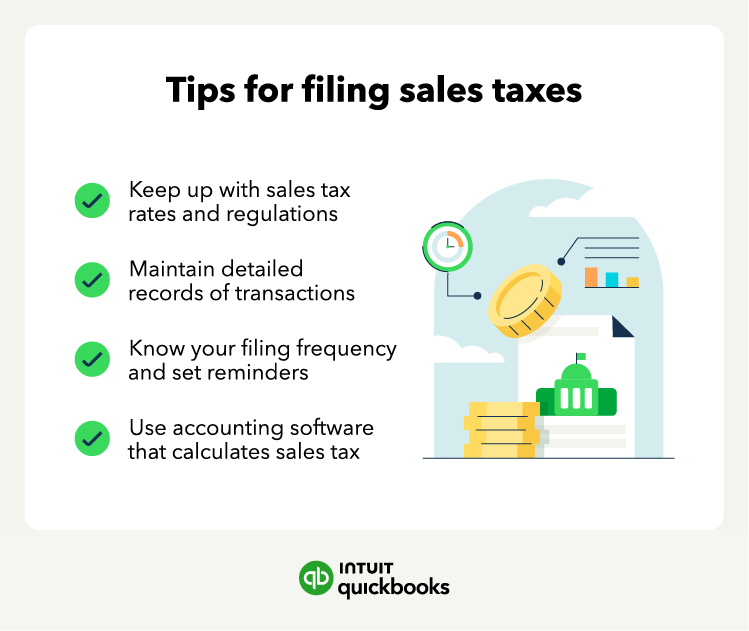
Alabama's filing calendar runs on the 20th. The parts to know are the elections, the discount, and the local returns:
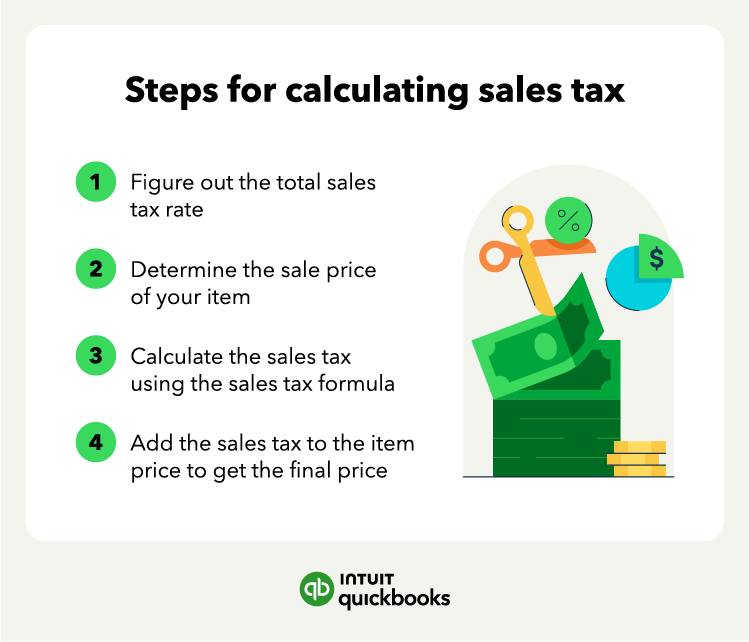
Returns are due the 20th of the following month. Sales tax is due monthly. The return and payment are due on or before the 20th day of the month for the previous month's sales. Business taxpayers must file electronically through My Alabama Taxes. Payments of $750 or more must be made electronically by EFT. EFT payment information must be transmitted by 4 p.m. Central on or before the due date to count as timely paid.
You can elect a slower calendar if your liability is small. If your state sales tax liability for the preceding calendar year was less than $2,400, you may elect to file quarterly. Quarterly returns are due the 20th of the month after the quarter ends. If it was less than $1,200, or you made retail sales during no more than two 30-consecutive-day periods in the preceding year, you may file semi-annually, due July 20 and January 20. If it was less than $600, or you made retail sales during no more than one 30-consecutive-day period, you may file annually, due January 20.
The election must be made in writing by February 20 each year. To qualify, you must have been in business for the entire preceding calendar year and filed its returns. The same election governs your state-administered county and city taxes.
Timely payment earns a discount on sales tax. Pay on time and you keep 5% of the first $100 of sales tax due and 2% of the tax over $100. The cap is $400 per return period, regardless of how many locations you have. The same discount applies to state-administered county and city sales taxes. Non-state-administered local taxes filed through ONE SPOT may have a different discount rate. There is no discount on sellers use tax, and none on anything paid late.
One return carries the state-administered local taxes. ONE SPOT, inside My Alabama Taxes, is the single point of filing for all state-administered local sales, use, rental, and lodgings taxes. It is the filing point for non-state-administered local taxes too, which are sent on to the locality or its administrator with an electronic payment. The state administers over 200 city and county sales taxes, but not all of them. So contact each county and municipality where you do business to find out whether you must register with it to collect its tax.
File every return, including zero returns. Once your account is established, a return must be filed for each period even though no tax is due.
Fix errors by amending. If you discover an error on a sales tax return you already filed, the Department says to amend the return. You can do that in My Alabama Taxes from the period's "View or Amend Return" link.
Tip: if a rate error slips through, fix the rate first, then correct the affected returns. Undercollect and the difference comes out of your pocket. Overcollect and you owe refunds. Tax you collected as tax is never yours to keep.
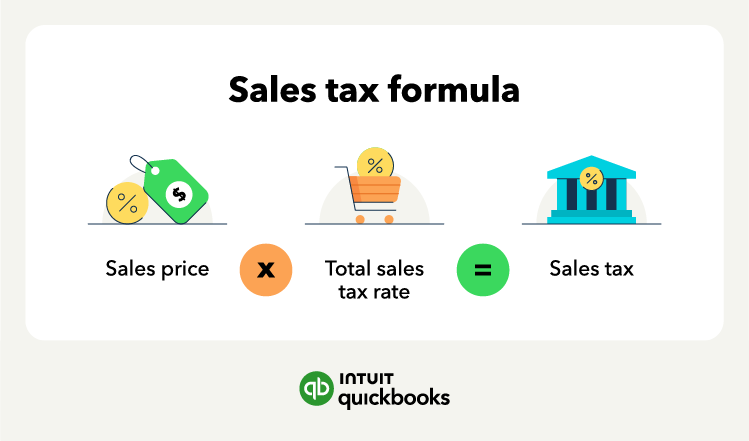
Multiply the pre-tax price by the combined rate where the sale closes: the 4% state rate for general goods plus the county and city rates that apply. On a $1,200 sale, the state tax alone is $48, for $1,248 before any local tax. Where county and city taxes apply, add their rates to the 4% and multiply once.
It depends on what you sell and where the sale closes. The general state rate is 4%. Groceries are taxed at a 2% state rate since September 1, 2025. Automobiles, farm machinery, manufacturing machines, and vending sales have their own reduced state rates. Counties and cities add their own sales taxes on top, which vary widely. So the combined rate depends on where the sale closes. Most local taxes are state-administered and filed on the same return. Some localities collect their own. The Department of Revenue's local tax rate lookup is the place to check a specific city or county.
Generally, no. Alabama's sales tax reaches tangible personal property. Services such as cleaning, lawn care, repairs, personal care, and professional services are outside it. The catches: fabrication labor, which makes a new or different item, is taxable even when separately stated. Admissions to places of amusement are taxed. Photographs are taxable goods even when delivered digitally. And repair labor stays untaxed only when it is separately stated from the parts, so an unitemized repair invoice is taxable in full.
Yes, at a 2% state rate since September 1, 2025, plus local taxes at their own rates. "Food" is anything SNAP-eligible. So candy, soft drinks, and cold prepared items sold to go get the reduced rate. Hot food ready to eat, food sold to eat on the premises, alcohol, tobacco, and dietary supplements are taxed at the general rate.
Twice a year. The back-to-school holiday begins at 12:01 a.m. on the third Friday in July and runs through midnight Sunday. The severe weather preparedness holiday begins at 12:01 a.m. on the Friday of the last full weekend in February and runs through midnight Sunday. Each covered item type has a price cap. The Department of Revenue publishes the current caps each year.
Manage sales tax in QuickBooks with automation that helps you save time and stay compliant.
Save time with automated sales tax
Products are automatically matched to tax categories, so you can charge the right sales tax with less manual work. Returns are automatically prepared and formatted for your state, and if you sell into other states, you can automate multi-state filing from one place.
Stay confident and compliant
File with confidence using accurate, automated calculations. Tax rates and rules change, and they are updated automatically in QuickBooks, so what you charge keeps up. Get reminders before filing deadlines so you can plan ahead, and know your return status with real-time updates.
Your data stays protected
Securely send returns to tax agencies and track every filing in QuickBooks.
Manage your books and sales tax in one place
Automatically calculate, collect, and track applicable sales tax from your customers. One report breaks out taxable and non-taxable sales, so you always know what to pay each agency. Prepare, file, and pay directly from QuickBooks.
Explore QuickBooks sales tax software to spend less time on tax and more time running your business.
*Sales tax filing is available as an add-on service through QuickBooks Online for $40 per filing.
You've got the rates and the rules that apply in Alabama. The harder part is applying them correctly on every sale, every quarter. QuickBooks automated sales tax calculates the right combined rate, tracks what you've collected, and shows what you owe when it's time to file.
Call Sales: 1-800-285-4854


