Louisiana sales tax calculator
Know exactly what to charge at any Louisiana address. Find the combined rate, the tax on any amount, and the total. Free for your business, no sign-up.
Know exactly what to charge at any Louisiana address. Find the combined rate, the tax on any amount, and the total. Free for your business, no sign-up.
Done checking rates one sale at a time? QuickBooks applies the right Louisiana rate, state and local included, on every invoice automatically. See how automated sales tax works
Louisiana runs two sales tax systems side by side. The state taxes retail sales of goods, which the law calls tangible personal property. It also taxes digital products and a list of named services. Parishes and many municipalities levy and self-administer their own sales and use taxes on top of it. Their rates are frequently equal to or greater than the state rate. There is no statutory cap on the combined local rate.
The average American side hustle brings in about $2,038 a month, according to Intuit QuickBooks entrepreneurship research. At that size, a Louisiana seller is squarely in the system. You file a state return with the Department of Revenue. You also register and file separately with the parish collector. The state rate is 5%, and a local rate sits on top that depends on where each sale is sourced.
What makes Louisiana different isn't only the second return. The state and the parishes don't always tax the same things. Groceries, for example, are exempt from the state sales tax, but many local jurisdictions still tax them. Whether you run a boutique in New Orleans, repair boats in Lafayette, sell software subscriptions from Baton Rouge, or run a food truck in Shreveport, here's how Louisiana's rate works. You'll also see which of your sales it reaches and what to know at filing time.
Louisiana's state sales tax rate is 5%. The combined rate at any address adds a second layer: the sales and use taxes levied by the parish and, in many places, the municipality. The Department of Revenue administers the state layer. The local layer is collected by a single collector per parish, separate from the state.
The 5% is the sum of four levies stacked in the statute:
From January 1, 2030, R.S. 47:321.1 levies 0.75% instead, which would take the state rate to 4.75%. The Department's rate table lists the sales tax rate as 5.00% as of January 1, 2025.
Local rates are substantial and are frequently equal to or greater than the state rate. There are no statutory caps limiting the combined local rate. The Department points sellers to the Louisiana Association of Tax Administrators for local rate information. It also notes that while the state and local taxes have many similarities, they differ significantly in their exemptions. Which parish and city a sale belongs to is the sourcing question, covered below.
Louisiana is a home-rule state. Parishes and many municipalities levy and self-administer their own local sales and use taxes. A seller must register for them and pay them separately from the state tax. For a dealer with a physical presence in Louisiana, the Department does not collect the local tax. The dealer registers with and pays the local collector. Under the state constitution and statute, the taxes of all political subdivisions within a parish are collected by a single collector (or central collection commission) per parish. But that collector is the local parish collector, separate from the Department of Revenue. The only centralized state-and-local collection channel is the Louisiana Sales and Use Tax Commission for Remote Sellers. It applies solely to out-of-state, or remote, sellers and marketplace facilitators without physical presence in the state.
The second thing to know is that the state and the local taxes don't share one set of exemptions. Food sold for preparation and consumption in the home is exempt from the state sales tax. But that exemption does not automatically apply to parish and municipal sales taxes, and many local jurisdictions still tax groceries. Telecommunications services are taxable under the state sales tax only. So are cable television, direct-to-home satellite, video programming, and satellite digital audio radio services.
Digital products, prewritten computer software access services (software as a service), and information services are taxable at both the state and local levels. Property sold under Medicare is exempt at both, along with prescribed orthotic and prosthetic devices, wheelchairs, and wheelchair lifts. What this means for a seller: the same grocery sale can be exempt on your state return and taxable on your parish return. So set up state and local taxability separately for every product you sell.
Louisiana taxes only the services named in the statute. Everything not on the list is non-taxable. The Department identifies ten listed categories:
Repairs reach a long way. The Department applies "repairs and maintenance of tangible personal property" broadly. It covers repairs to and maintenance of vehicles, boats and vessels, appliances and equipment, machinery, motors, tires, batteries, tools, shop equipment, furniture, rugs, flooring, watches, clocks, jewelry, shoes, and computer software. Service call, trip, and travel charges are part of the taxable price of the repair, even when separately stated. Parts transferred in a repair are taxable goods. Labor to construct or repair immovable (real) property is not subject to state sales tax. Fabrication of goods for a customer, including where the customer furnishes the materials, is a taxable sale.
Cleaning cuts both ways. "Cleaning" in the laundry category and "repairs and maintenance of tangible personal property" reach the cleaning or repair of goods. The cleaning of real property or premises remains non-taxable. Cleaning furniture, carpets, and rugs is taxable, even though janitorial cleaning of the building itself is not.
Services that are not taxable, because Louisiana hasn't named them, include janitorial services, building maintenance, lawn care, pest control and extermination, snow removal, trash and garbage removal, tree care, window cleaning, accounting, bookkeeping, legal, engineering, management consulting, advertising, veterinary, barber and beauty shop, massage therapy, and photography. General and prime contracting and excavating and grading services are not taxable services either. But contractors are treated as the consumers of the materials they use. So sales of materials and machinery to contractors are taxable.
Before you price a service, check the Department's sales tax reform FAQ on taxable services. Check it in both directions, for services you assumed were exempt and for services you assumed were taxable.
Louisiana is a destination-sourced state: for goods, for digital products, and generally for services. Under La. R.S. 47:301.4, a sale is sourced to the place where your customer receives what they bought. For goods, that means where they take possession. For a service or a digital product, it means where they first use it. Your own location decides the rate when the customer receives the goods or the service there. It also decides the rate in one important exception: repairs to goods are sourced to where the repair is performed. The statute sources sales "to the appropriate taxing jurisdictions," so the same rules decide which parish's and city's tax applies. The Uniform Local Sales Tax Code gives the words in a local ordinance the same meaning they have in the state sales tax law. Find your situation:
If you sell goods in person at your location: the sale is sourced to your business location when your customer receives the goods there. That includes someone picking up on their behalf. Charge the combined state and local rate for that address.
If you ship or deliver goods to Louisiana customers: the sale is sourced to the place where your customer or their designee receives the goods. That includes the location in your delivery instructions, if you know it. Charge the combined rate for the delivery address, whatever parish your shop is in. If you don't know where the customer will receive the goods, the statute falls back, in order, to:
The chain applies so long as using the address isn't bad faith. Drop shipments are sales where a third party ships directly to your customer. They are sourced to the location where title or possession transfers, whichever comes first.
If you repair customers' property: repairs to goods are sourced to where the repairs are performed. The Department says "always." A boat repaired in your Lafayette shop carries your shop's combined rate. That holds whether the owner picks it up or you deliver it back to another parish. The same rule covers the other taxable repairs: vehicles, appliances and equipment, machinery, jewelry, shoes, and computer software among them.
If you clean, alter, or launder customers' goods: laundry, dry cleaning, alteration, and dyeing services are taxable but are not repairs. So the general rule applies: the sale is generally sourced to where your customer first uses the result. For work on garments, furs, or rugs, that is where they get the item back. If they pick it up at your shop, that is your shop's rate. If you deliver it, it is the delivery address's rate.
If you sell software as a service, digital products, or information services: the sale is generally sourced to where your customer first uses what they bought. For a digital product, that is the location of the first act by which they view, access, download, store, or otherwise use it. For a service, it is where they first use, enjoy, or receive the benefit of it. For local tax, there is one more step when a customer uses computer software, software access services, information services, or digital products in more than one political subdivision in Louisiana. You source the sale by the number of users or licensees in each subdivision, if you know it at the time of the transaction. You allocate the sales price accordingly. If you don't have enough information to allocate, the statute's fallback rules apply.
If you sell admissions, parking, or sleeping rooms: these services are generally received where your customer first uses them. That is generally the venue, the lot, or the room itself, so they carry that location's combined rate. Sleeping rooms come with more than that combined rate. A business that meets the statute's definition of a hotel reports the state tax on room rentals on the Statewide Hotel/Motel Sales Tax Return, rather than the general sales tax return. Many local taxing authorities impose separate hotel occupancy taxes on top of their sales tax. Short-term rentals booked through home-sharing platforms are inside this base.
If you sell through a marketplace like Amazon or Etsy: marketplace facilitators with economic nexus must register, collect, and pay Louisiana state and local sales tax on the sales they facilitate. They do it through the Louisiana Sales and Use Tax Commission for Remote Sellers, on a single combined return. That return covers the state tax plus all applicable local taxes at actual local rates.
If you're out of state selling into Louisiana: a remote seller must register with the Louisiana Sales and Use Tax Commission for Remote Sellers once it exceeds the threshold. The threshold is $100,000 in gross sales for delivery into Louisiana in the previous or current calendar year. There is no transaction-count test. Louisiana removed its 200-transaction threshold effective August 1, 2023. Louisiana's Remote Sellers Commission says a remote seller may exclude sales made through a marketplace facilitator when measuring its own $100,000 threshold. Those sales count toward the facilitator's threshold instead.
Until a remote seller's sales for delivery into Louisiana exceed that threshold, it doesn't need to register with the Commission or collect on them. But that holds only if you have no physical presence in Louisiana. The Commission says a seller with physical presence is a dealer under R.S. 47:301(4) with no minimum threshold. Physical presence includes an office, warehouse, or other place of business in the state; an employee, representative, or agent operating in Louisiana; or property stored in a third-party facility. Such a dealer is subject to the regular state and local collection and payment requirements described above.
Once a remote seller exceeds the threshold, it must apply to the Commission within 30 days. It must begin collecting state and local sales and use tax on sales for delivery into Louisiana within 60 days, based on the actual applicable bases and rates. The Commission is the single return for both layers. A remote seller files one combined return covering the state tax plus all applicable local taxes at actual local rates. It does not register with the state and each parish. Each remote sale is sourced like any other delivery: to the address where the Louisiana customer receives it, at that address's combined rate.
Sales with their own sourcing rules. Vehicles subject to the vehicle registration license tax follow their own rule. So do telecommunications services. Abstracts of title created by a person with a place of business in Louisiana are sourced to that person's principal place of business in the state. Purchases of multiple listing services by real estate licensees and brokers are sourced to the licensee's or broker's Louisiana regional real estate association office. Leases and rentals of equipment (other than motor vehicles) that require recurring payments are sourced to the primary location of the property for each period. A lease with no periodic payments is sourced like a retail sale. For local tax, the first lease period is due to the jurisdiction where possession of the property transfers. Later periods are due to the jurisdiction where the property is primarily located.
Worked example. You build furniture in Baton Rouge and sell a $900 table.
Same table, same week, the same $45 to the state, and two different local collectors for the rest. Keep the delivery address with every sale, and keep the records that show where each sale was sourced. They count as records of your taxable sales. If you can't produce them, the state or the local collector determines where the sale was sourced. That determination is presumed correct.
Louisiana's exemptions come with a twist. Several apply to the state tax and not automatically to the parish and municipal taxes. The ones that matter most to small sellers:
Groceries: food sold for preparation and consumption in the home is exempt from the state sales tax. That covers meat, fish, dairy, bread, produce, canned goods, bakery products, candy, and soft drinks, when sold for home consumption. Soft drinks here include colas, lemon-lime sodas, and fruit-flavored sodas, whether carbonated or not. The exemption does not automatically apply to parish and municipal sales taxes. Many local jurisdictions still tax groceries.
Bottled water, alcohol, and supplements: all taxable. Bottled water is not food for home consumption and is taxable whether still or carbonated. Soda water, mineral water, and ice are likewise outside the food definition. Alcoholic beverages are excluded from the food exemption. The line is drawn at more than 0.5% alcohol by volume. So non-alcoholic beverages below that threshold, cooking wine, and bitters are treated as food. Vitamins and dietary supplements are taxable and are not treated as exempt food.
Prepared food: taxable. That generally means items:
Bakery products sold for preparation and consumption in the home stay inside the state grocery exemption. Candy and soft drinks become taxable when sold by snack bars, candy or nut counters, or other establishments that provide facilities for on-premises consumption. They also become taxable when sold prepared, such as fountain drinks or soft drinks served with a cup, glass, or straw. For catering, charges to prepare, furnish, or serve food consumed on the caterer's premises are taxable, even if billed separately from the food. If the food is served and consumed somewhere other than the caterer's premises, a separately billed preparing-and-serving charge is not taxed. The food itself remains taxed.
Clothing: taxable at the general rate, year-round, with one narrow exception. The exception is apparel and boots made and marketed for hunting, bought by consumers during the September Second Amendment Weekend holiday (below). Louisiana provides no general clothing or footwear exemption and no clothing price cap. It has no clothing sales tax holiday. Ordinary clothing, footwear, accessories, protective clothing and equipment, sports and recreational equipment, and special-order items are all taxable. Garment alteration and repair, and dry cleaning and laundry, are taxable services.
Software and digital products: taxable, and treated the same whether the software is prewritten, custom, or downloaded. There is no exclusion for custom software. Digital products transferred electronically are taxable. That includes digital audiovisual works, digital audio works, digital books, digital codes, digital applications and games, and digital periodicals and discussion forums. It holds whether they are downloaded, streamed, or accessed, and whether bought singly or by subscription. Software as a service is taxable as a prewritten computer software access service. The Department's examples include Microsoft/Office 365, Google Workspace, Zoom, Salesforce, DocuSign, Dropbox, Adobe, and Slack. Software maintenance contracts, optional and required, are taxable. Internet access service charges are excluded from tax. A business-to-business exemption under R.S. 47:305.12 covers software, digital products, prewritten software access services, and information services. They qualify when purchased for exclusive commercial use and used directly in producing taxable goods or services. A healthcare-provider exemption sits alongside it.
Prescription drugs and medical items: drugs prescribed by a physician or dentist are exempt from the state sales and use tax. Prescribed contraceptives are exempt as prescribed drugs. Over-the-counter drugs are taxable, as are over-the-counter items such as condoms. Property sold, leased, or rented under Medicare, including Medicare-paid durable medical equipment, is exempt at both the state and local levels. So are orthotic devices (including prescription eyeglasses and contact lenses), prosthetic devices, wheelchairs, and wheelchair lifts prescribed for personal use. Feminine hygiene products and diapers for personal use are exempt from the state sales and use tax. Medical services are not a listed taxable service.
Business purchases: property purchased for resale is not taxed at purchase. Manufacturing machinery and equipment directly used in manufacturing or processing is exempt, but only for a business the statute defines as a manufacturer. That is one whose principal activity is manufacturing, under the NAICS codes the statute lists, generally Sectors 11 and 31–33. The exemption also applies only after the business obtains a manufacturer's exemption certificate from the Department. Parishes and municipalities apply this exemption only if they adopt it by ordinance. Materials and raw materials that become ingredients or component parts of the manufactured product for sale are exempt. Contractors are the taxable consumers of the materials and machinery they use.
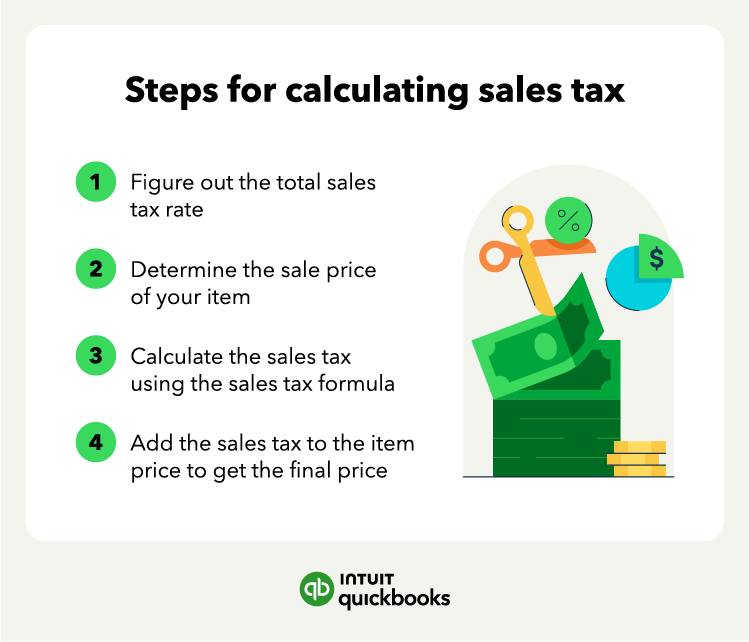
Selling a mix of taxable and exempt items is where receipts get messy. In Louisiana, track taxability for the state and for the parish separately from the start.
Use tax is the buyer's side of the same tax. Louisiana levies its tax not only on the sale at retail. It also taxes the use, consumption, distribution, and storage for use or consumption in the state of goods and digital products. Use tax is due on all taxable transactions when the selling vendor did not collect the sales tax.
If you purchase an item for use within Louisiana, use tax is owed on that item. The vendor acts as the state's agent in collecting the sales tax. When it doesn't collect, the Department may seek the tax from the vendor or from you, the buyer.
The rate matches the state sales tax rate: 5%. Each of the four statutes that levy the state sales tax also levies use tax at the same rate. It applies to the cost price of property used, consumed, distributed, or stored in Louisiana. The sales tax applies the same way to the sales price of property sold at retail. The Department's return instructions compute the tax on your taxable purchases and sales together at 5%.
If you already paid another state's sales or use tax on the same item, Louisiana generally credits that tax against the state use tax you owe. The credit applies provided the other state grants Louisiana buyers a similar credit. It is never for more than the Louisiana tax on the item.
Local use tax exists too. Parishes and municipalities levy local use taxes alongside their sales taxes. The sourcing statute states that its rules do not affect a buyer's obligation to pay use tax. Local use tax is paid to the local collector rather than to the state.
How a business reports it. If you are registered to collect and pay sales tax, you pay the state use tax directly to the state. You report the purchase amount on Line 2 of Form R-1029, the Louisiana Sales Tax Return. That amount is the total cost or value of the property on which tax was not paid to vendors. Individuals can report use tax on their Louisiana individual income tax return or on Form R-1035, the Louisiana Consumer Use Tax Return.
Say your café in Lake Charles buys a $3,000 commercial espresso machine from an out-of-state seller that charges no sales tax at all. You owe $150 in state use tax (5%), reported on Line 2 of your next R-1029. You also owe any local use tax due at your Lake Charles address. That goes to the parish collector rather than the state.
Louisiana has one recurring sales tax holiday: the Annual Louisiana Second Amendment Weekend Sales Tax Holiday under R.S. 47:305.62. It is a permanent annual holiday held on the first consecutive Friday through Sunday of September each year. It exempts consumer purchases of firearms, ammunition, and hunting supplies from both state and local sales tax. That includes archery equipment, hunting apparel, boots, optics, holsters, tree stands, and related gear.
There is no general merchandise, back-to-school, or hurricane preparedness sales tax holiday in Louisiana. The Department announces the exact dates each year on its Second Amendment Weekend Holiday page.
Louisiana's filing calendar turns on one date. The number of returns is where the work is:
Two sets of returns. The state sales tax goes to the Department of Revenue on Form R-1029, the Louisiana Sales Tax Return. Local sales and use taxes go to the collector for each parish, on the collector's forms. A dealer must register for them separately from the state tax. Parish E-File, a free online tool, lets you file state and parish/city sales and use tax returns for multiple parishes from one site. Its registration application lets you apply for a local account number in the parish where you are located and in any parish you deliver into.
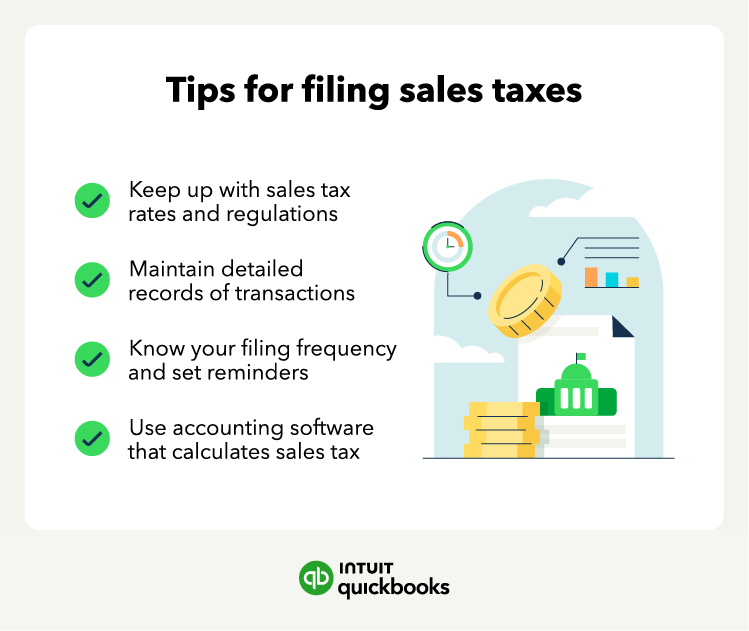
Monthly by default, due the 20th. State sales tax is due and payable monthly. The return and payment are due on or before the 20th day of the month following the close of the reporting period. If the 20th falls on a weekend or holiday, the return is due the next business day. Dealers whose sales tax liability averages less than $500 per month, after filing six returns, may apply to file quarterly. A quarterly return is due on or before the 20th of the first month of the following quarter. Local returns under the Uniform Local Sales Tax Code are likewise due on or before the 20th of the month following the month of the sales. If you need more time for the state return, a written request made on or before the due date can bring an extension of up to 30 days. But interest runs on anything filed and paid after the normal deadline.
Electronic filing is mandatory from January 1, 2026. All Forms R-1029, and all sales tax payments, must be submitted electronically for filings and payments made on or after that date, regardless of the period being reported. The exceptions are the Consumer Use Tax Return, the Fairs, Festivals, and Other Special Events Sales Tax Return, and the Watercraft Sales Tax Payment Certifications. Returns can be filed and paid through the Louisiana Taxpayer Access Point (LaTAP), Parish E-File, Sales Tax Online, or approved third-party software. Payments can also be made by credit card or through your financial institution. Filing on paper without an approved hardship exemption brings a penalty of $100 or 5% of the tax, whichever is greater.
File every return, including zero returns. If you have no sales or purchases for a month, you still file. The Department bills an assessment for any period without a return. Interest and penalties are assessed on delinquent returns and payments.
Tip: if a rate error slips through, fix the rate first, then correct the affected returns. Undercollect and the difference comes out of your pocket. Overcollect and you owe refunds. Tax you collected as tax is never yours to keep.
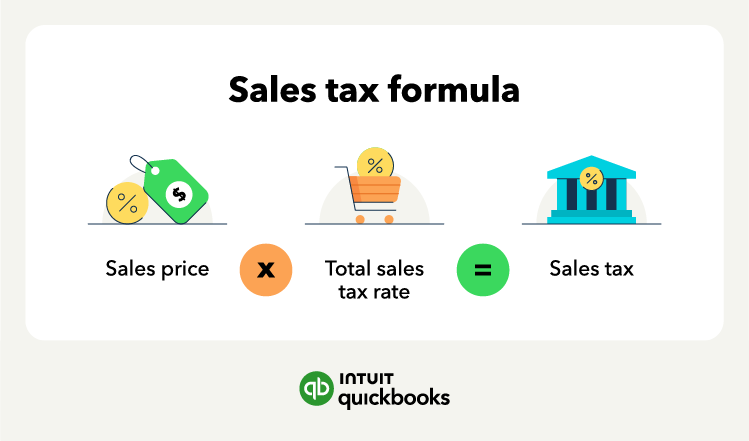
Multiply the pre-tax price by the combined rate for the location the sale is sourced to. That is the 5% state rate plus the parish and municipal taxes that apply at that address. Taking the state portion alone, a $1,200 sale carries $60 of state tax and comes to $1,260. The local tax at the address is added at the same step.
If you have a physical presence in Louisiana, yes. Parishes and many municipalities levy and self-administer their own sales and use taxes. The Department does not collect them. You register with and pay the local collector, one per parish, separately from your state return. Parish E-File lets you file those local returns from one site. Remote sellers and marketplace facilitators without a physical presence in Louisiana instead register once with the Louisiana Sales and Use Tax Commission for Remote Sellers. They file a single combined return covering the state tax and all applicable local taxes.
Only if your service is one of the ten listed categories: furnishing of sleeping rooms, admissions, parking, printing and copying, laundry/cleaning/pressing/alteration/repair/dyeing, cold storage, repairs and maintenance of tangible personal property and digital products, telecommunications, prewritten computer software access services (software as a service), and information services. Repairs to goods reach vehicles, boats, appliances, equipment, jewelry, shoes, and computer software. Service call and trip charges are part of the taxable price. Janitorial work, lawn care, pest control, accounting, legal, consulting, advertising, veterinary, barber and beauty, massage therapy, and photography are not taxable. Neither is labor to construct or repair real property.
Not by the state, but often locally. Food sold for preparation and consumption in the home is exempt from the state sales tax. That includes candy and soft drinks sold for home consumption. But that exemption does not automatically apply to parish and municipal taxes, and many local jurisdictions still tax groceries. Prepared food, food sold by restaurants, food trucks, and concession stands, bottled water, alcoholic beverages, and dietary supplements are taxable.
One: the Second Amendment Weekend Sales Tax Holiday, held on the first consecutive Friday through Sunday of September each year. It covers consumer purchases of firearms, ammunition, and hunting supplies. There is no back-to-school, general merchandise, or hurricane preparedness holiday. Ordinary clothing is taxable year-round. Only apparel and boots made and marketed for hunting fall under the September holiday.
Manage sales tax in QuickBooks with automation that helps you save time and stay compliant.
Save time with automated sales tax
Products are automatically matched to tax categories, so you can charge the right sales tax with less manual work. Returns are automatically prepared and formatted for your state, and if you sell into other states, you can automate multi-state filing from one place.
Stay confident and compliant
File with confidence using accurate, automated calculations. Tax rates and rules change, and they are updated automatically in QuickBooks, so what you charge keeps up. Get reminders before filing deadlines so you can plan ahead, and know your return status with real-time updates.
Your data stays protected
Securely send returns to tax agencies and track every filing in QuickBooks.
Manage your books and sales tax in one place
Automatically calculate, collect, and track applicable sales tax from your customers. One report breaks out taxable and non-taxable sales, so you always know what to pay each agency. Prepare, file, and pay directly from QuickBooks.
Explore QuickBooks sales tax software to spend less time on tax and more time running your business.
*Sales tax filing is available as an add-on service through QuickBooks Online for $40 per filing.
You've got the rates and the rules that apply in Louisiana. The harder part is applying them correctly on every sale, every quarter. QuickBooks automated sales tax calculates the right combined rate, tracks what you've collected, and shows what you owe when it's time to file.
Call Sales: 1-800-285-4854


