Massachusetts sales tax calculator
Know exactly what to charge at any Massachusetts address. Find the combined rate, the tax on any amount, and the total. Free for your business, no sign-up.
Know exactly what to charge at any Massachusetts address. Find the combined rate, the tax on any amount, and the total. Free for your business, no sign-up.
Done checking rates one sale at a time? QuickBooks applies the right Massachusetts rate on every invoice automatically. See how automated sales tax works
Massachusetts sales tax math has one number in it. The state rate is 6.25%, charged at every address in the state. There is no city or town sales tax to add on.
The average American side hustle brings in about $2,038 a month, according to Intuit QuickBooks entrepreneurship research. At that size, a Massachusetts seller is squarely in the system. You register with the Department of Revenue, you charge 6.25% on every taxable sale, and you file a single state return with nothing local layered on it.
What makes Massachusetts different isn't the rate. It's what the tax does and doesn't reach. Massachusetts taxes tangible goods but almost no services. It also exempts a long list of everyday essentials, including clothing up to $175 an item, groceries, candy, soft drinks, and store-bought alcohol. Whether you sell furniture in Worcester, computers in Boston, or software subscriptions from Cambridge, here's how the Massachusetts rate works. You'll also see which of your sales it reaches and what to know at filing time.
The Massachusetts state sales tax rate is 6.25%, and it is the only sales tax layer. No city or town adds a general local sales tax. So the rate is the same at every Massachusetts address.
There is no local layer to add and nothing local to register for. One thing to watch if you serve food or rent rooms: many cities and towns levy a separate local-option meals tax of 0.75% on restaurant meals. That brings the tax on a meal to 7% where it applies. Many cities and towns also levy a separate local room occupancy excise on lodging. Both are distinct from the general sales tax, and they matter only to food-service and lodging sellers.
Massachusetts imposes its sales tax on retail sales of goods, which the law calls tangible personal property. It also taxes telecommunications and a few utilities. It does not tax services. A service is taxed only when the real object of the transaction is tangible property and any service is incidental. That puts nearly every stand-alone service outside the tax.
Services that are not taxable include building maintenance, janitorial work, landscaping and lawn care, pest control, dry cleaning, barber and beauty services, and repair labor. The list also covers the professional and business services: legal, accounting, engineering, consulting, advertising, public relations, and employment and staffing. Medical services are not taxable either, and neither is clothing alteration on its own.
The real-object test. For a transaction that mixes goods and services, the question is what the customer is really buying. A service is not taxable when the real object is the service and any transfer of goods is inconsequential. The Department of Revenue sets that guideline at less than 10% of the total charge, not separately stated.
Photography is the classic mixed case. When the customer is obligated to buy photographs, the whole charge is taxable. That includes a sitting fee, even if it is separately stated. A separately stated sitting fee is not taxable when the customer is not obligated to buy any photographs.
Repairs. Repair labor is not taxable when the real object is the service and the parts are inconsequential and not separately stated. The Department's guideline for inconsequential is under 10% of the total charge. In that case you pay the sales tax on the parts when you buy them and collect nothing from the customer.
When you separately state the parts on the bill, you collect tax on the parts, whatever their value. When the parts are not inconsequential and you bill one lump sum, the Department presumes the entire charge is the taxable price of the parts. So the whole bill is taxed. Say a $400 brake job in Springfield breaks down as $240 in parts, separately stated, and $160 in labor. The tax is 6.25% of $240, or $15, for a $415 total.
Ordinary service and maintenance contracts on tangible property are not taxable, with no optional-versus-mandatory distinction. Computer maintenance is the exception:
Software is the one digital exception. Off-the-shelf, or prewritten, software is taxable however it is delivered: on media, downloaded, load-and-leave, or accessed remotely. Software as a service is generally taxable. Paying for the right to use prewritten software running on the seller's servers is treated as a taxable use of that software. That holds whatever it is called.
The real-object test applies here too. Under the Department's regulation, the charge is not taxable where there is no charge for the use of the software and the object of the transaction is acquiring a good or service other than the use of the software. Examples include processing your data or access to a database.
Custom software is exempt as a professional service, and the exemption is narrow. Off-the-shelf software with light modifications is still taxable prewritten software. Infrastructure and platform services (IaaS and PaaS) are not taxable when the real object is raw computing or storage capacity rather than the use of prewritten software. Other digital products, downloaded music, video, and e-books, are not taxable. Computer hardware is taxable. Internet access is not.
Contractors. A contractor working on real property is the consumer of the materials it installs. It pays sales or use tax when it buys them. It does not charge the customer sales tax on the real-property job. Materials and tools sold to a contractor are taxable. A narrow exemption exists for materials used on projects for governmental or tax-exempt entities.
If you provide services and aren't sure how a transaction is treated, the Department of Revenue points service providers to its Service Enterprises regulation, 830 CMR 64H.1.1.
Inside Massachusetts, the general sales tax rate is 6.25% at every address. So where in the state your customer takes possession, where you shipped from, and where you did the work do not change the rate. The question that matters sits at the state line: whether a sale is a Massachusetts sale at all.
For goods, Massachusetts follows the delivery. Under Mass. Gen. Laws ch. 64H, § 6(b) and the Department of Revenue's out-of-state delivery regulation, a sale is taxable when your customer takes possession in Massachusetts. It is not taxed in Massachusetts when you are obligated to deliver the item to your customer outside the state. In that sense Massachusetts is a destination-based state.
For services, there is generally no rate to source, because Massachusetts generally does not tax services. The exception is telecommunications services, which the statute sources under rules of their own. Find your situation:
If you sell goods in person at your location: the sale is taxable at 6.25%. Under the Department's regulation, the sale is taxable if the purchaser or the purchaser's agent takes possession of the property in Massachusetts. That holds whether or not the item is headed out of state for use. The Department's own example: a customer buys a personal computer at a Massachusetts store and takes it home to Maine. The sale is complete when she takes possession in Massachusetts. The sales tax applies even though she uses the computer in Maine.
If you ship or deliver goods to Massachusetts customers: charge 6.25%. Massachusetts has no local sales tax, so the delivery address within the state does not change the rate. A delivery to Pittsfield and a delivery to Provincetown carry the same 6.25%.
If you ship or deliver goods out of state: when you are obligated by the agreement to deliver the item to your customer outside Massachusetts, the sale is not subject to Massachusetts sales tax. That holds whether you deliver by interstate carrier or in your own truck. The Department's examples: a Massachusetts furniture dealer delivers a couch from the store to the buyer's summer home in Maine. The sale is exempt regardless of the delivery method. A Massachusetts seller delivers washers and dryers to the buyer's new laundromats in New Jersey. The sale is exempt from Massachusetts tax, with the parties left to consider New Jersey's tax.
Keep records that show you were obligated to deliver out of state, the purchaser's name and address, and the place and manner of delivery. Those records can be invoices, bills of lading or freight manifests, delivery receipts signed by the customer, or delivery logs. The burden of proving that a sale is exempt is on you as the vendor. Without adequate records you generally won't carry it.
One wrinkle: say a customer who is in Massachusetts when ordering has you ship an item to someone else outside the state. That sale is generally taxable unless both title and possession pass outside Massachusetts. The regulation walks through those cases. They turn on what the contract says about title and whether you or a carrier make the delivery.
If you perform services: Massachusetts generally does not tax services. So for most service businesses there is no sales tax rate to source. Landscaping in Newton, janitorial work in Lowell, legal or accounting work anywhere in the state, repair labor, and the other stand-alone services covered above generally carry no Massachusetts sales tax. When the goods you hand over are the real object of the sale, the transaction is a sale of goods and follows the goods rules above. One example is a photographer whose customer is obligated to buy the photographs. The rate is 6.25% when the customer takes possession in Massachusetts.
If you sell through a marketplace like Amazon or Etsy: a marketplace facilitator with more than $100,000 in Massachusetts sales in the current or prior calendar year must register, collect, and send in Massachusetts sales tax on the sales it facilitates. That rule has been in effect since October 1, 2019, and it has no transaction-count test. Sales through a collecting marketplace are not yours to collect on. A Massachusetts seller still registers and collects on its own direct sales. Your own website checkout, invoices, and in-person sales remain yours to collect and report.
If you're out of state selling into Massachusetts: you must register and collect once your gross sales into Massachusetts exceed $100,000 in the previous or current calendar year. There is no transaction-count test. Massachusetts dropped its 100-transaction test on October 1, 2019, when it lowered the dollar threshold from $500,000 to $100,000. So only dollars matter. Sales you make through a marketplace that collects for you are excluded from your own threshold. Collection begins on the first day of the first month that starts two months after the month in which you first exceeded the threshold. That timing applies in the first year you exceed it.
Below that threshold, the economic nexus rule does not require you to collect Massachusetts tax if you have no physical presence in Massachusetts. The $100,000 test is for out-of-state, or remote, retailers. A seller with in-state contacts is a vendor that must register and collect regardless of its sales volume. In-state contacts include a store or other business location, employees, inventory, or representatives in the state.
An out-of-state retailer that isn't required to register may register voluntarily to collect use tax. Once you are registered, you generally have the same responsibilities as a Massachusetts vendor: 6.25% on each taxable delivery into the state, wherever in Massachusetts it lands. If you sell both directly and through a collecting marketplace, you collect only on the sales the marketplace does not collect for.
Sales with their own rules. Telecommunications services are the one category of services the statute taxes. The statute sources them under rules of their own. A mobile service, for example, is a Massachusetts sale when the customer's place of primary use is in Massachusetts. Leases and rentals of goods are taxable sales. The lessor collects and pays tax on each lease or rental payment as it comes due.
Worked example. You build furniture in Worcester and sell a $900 table.
Same table, same week. What decides the tax is which side of the state line your customer takes possession on.
The exemptions that matter most to small sellers:
Clothing and footwear: exempt up to $175 per item. When an item costs more than $175, only the portion above $175 is taxable. A $200 coat carries tax on $25, which is $1.56, not on the full $200. The threshold is per item, not per receipt. Three $100 shirts on one ticket are all exempt. Accessories are taxable. So are clothing and footwear designed for athletic or protective use and not normally worn otherwise. Clothing alteration by itself is a nontaxable service.
Groceries: food for human consumption sold in a store is exempt. Massachusetts does not carve candy or soft drinks out of the exemption. So groceries, candy, and carbonated and non-carbonated beverages are all exempt when sold by a store. The line is generally store versus restaurant. The statute's definition of a restaurant includes a vending machine. So food and drinks sold through a vending machine are taxed as meals unless the machine sells only snacks or candy priced under $3.50.
Meals: prepared and restaurant meals are taxable at 6.25% as the meals tax. Many cities and towns add the 0.75% local meals tax on top. When candy, soda, or a snack is sold by a restaurant, or by a store's prepared-food operation, it is generally taxed as a meal. So a cafe or a convenience store with a food counter has to watch the distinction. The statute does exclude a few takeout sales from the meals definition:
The exclusion does not reach prepared meals, snacks, and sandwiches sold by a restaurant whose principal business is selling them ready to eat.
Alcohol: alcoholic beverages sold in stores are exempt from sales tax. They carry a separate volume-based excise instead. Alcohol served as part of a meal is taxable.
Vitamins and dietary supplements: taxable.
Software and digital products: prewritten software and software as a service are generally taxable. Custom software is not. Neither are digital products other than software, such as downloaded music, video, and e-books. The details are in the services section above.
Prescription drugs and medical items: medicine sold on a physician's prescription is exempt, along with insulin, oxygen, and blood. Prescribed and custom-fitted medical devices are exempt: artificial limbs and eyes, hearing aids, braces and supports designed for a particular person, wheelchairs, home hospital beds, and kidney dialysis machines. Contraceptives are exempt when dispensed by prescription. Over-the-counter drugs are generally taxable unless prescribed.
Newspapers and magazines: exempt, as are books required for instruction. Printing sold at retail as a product is taxable, except when sold for resale.
Resale and manufacturing: anything bought for resale is exempt with a resale certificate. Machinery used directly and exclusively in manufacturing is exempt. So are materials that become an ingredient or component of the product to be sold.
Selling a mix of taxable and exempt items, a $190 jacket next to a $60 pair of jeans, is where receipts get messy. Track the two buckets separately from the start.
Use tax is the buyer's side of the same tax. Massachusetts imposes it at 6.25% of the sales price, the same rate as the sales tax. It applies to goods that are used, stored, or consumed in Massachusetts and on which no Massachusetts sales tax, or a sales tax at a rate lower than 6.25%, was paid. The same goes for the telecommunications services the sales tax reaches. Where the sales tax is collected by the seller, the use tax is generally paid directly to the state by the buyer.
The Department of Revenue's own example is furniture bought for a Massachusetts business or home. The buyer got it from an out-of-state firm that charged no sales tax. The use tax applies because the furniture wasn't taxed in the other state and because it is for use in Massachusetts.
For a business, this shows up when you order office supplies, software, furniture, fixtures, or equipment from a vendor that didn't charge Massachusetts tax. Say your Worcester shop buys a $3,000 table saw online from an out-of-state vendor. The invoice shows no Massachusetts tax. You owe $187.50 in Massachusetts use tax. Say you had instead paid another state's 5% sales tax on the saw, and that tax was legally due there with no right to a refund. You would generally owe Massachusetts the difference, 1.25%, or $37.50.
The credit for tax paid to another state applies only where the tax was legally due to that state without any right to a refund or credit and that state has a reciprocal agreement with Massachusetts. Tax that wasn't legally due there, such as tax a vendor charged you in error, doesn't qualify. In that case the full 6.25% is owed here. No credit is allowed for a sales tax or VAT paid to another country, or for a local tax paid to a city, town, or county, except where that jurisdiction gives a corresponding credit.
There is no local use tax. Massachusetts has no local sales tax, and the use tax is imposed at the single 6.25% state rate. So the use tax you owe is 6.25% wherever in the state you use the item.
The six-month presumption. Massachusetts presumes that property bought outside the state and brought in within six months of purchase was bought for use, storage, or consumption here. That property is subject to the use tax. The buyer can challenge the presumption. After six months the Department may still assert use tax if the purchase was intended for use in Massachusetts.
How you report it. If your business is registered to collect sales tax, you report use tax on your purchases on your sales and use tax return. You pay it with that return. That is the same schedule as your sales tax. If your business isn't required to register, you report and pay it on Form ST-10, the Business Use Tax Return. You do that online through MassTaxConnect. It is due on or before April 15 for purchases made in the prior calendar year.
A sole proprietor filing a Schedule C may not fold business use tax into the individual use tax return or the personal income tax return. Use tax on your purchases isn't counted toward the advance-payment threshold described below.
Massachusetts holds one sales tax holiday each year. It is a two-day weekend, generally in August. The Legislature designates the weekend annually. During the holiday, single items of tangible personal property priced $2,500 or less, bought by an individual for personal use, are exempt.
The cap is per item. It works differently from the clothing threshold. If a single item costs more than $2,500, the entire price is taxable, not just the excess. So a $2,600 sofa is taxed in full while a $2,400 one is exempt. The holiday applies only to personal, non-business purchases. Excluded from the holiday are motor vehicles, motorboats, meals, telecommunications, gas, steam, electricity, tobacco, marijuana, and alcoholic beverages.
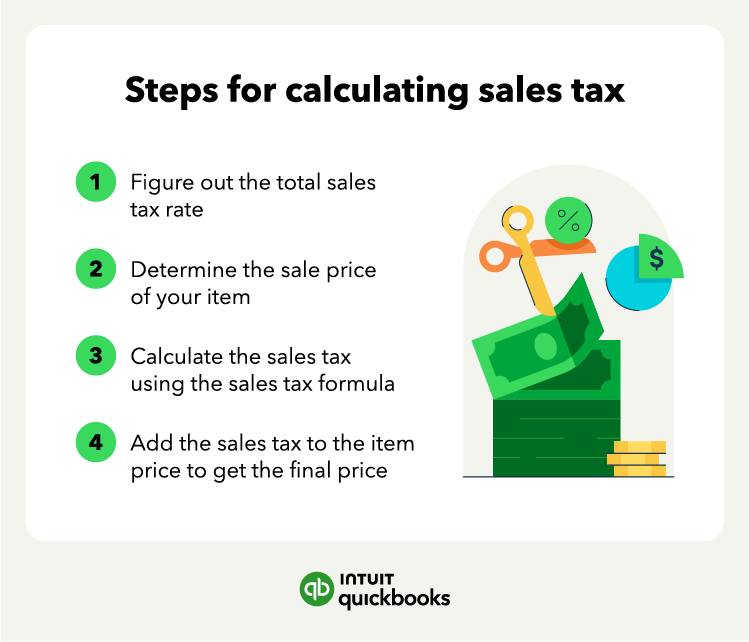
Massachusetts sets your filing frequency by how much sales and use tax you collect in a year. Every tier is due on the 30th day after the period ends:
Monthly, quarterly, or annual, all due on the 30th. If you collect $1,201 or more a year, you file monthly. The return is due on or before the 30th day following the month. From $101 to $1,200, you file quarterly, due on or before the 30th day following the quarter. The quarters are January through March, April through June, July through September, and October through December. At $100 or less, you file one annual return, due on or before the 30th day following the year.
The 30-day rule is in the statute. It requires every sales and use tax return to be filed within 30 days after the end of the period it covers. A provision in the FY2021 state budget changed the due date to this schedule.
Big filers prepay on the 25th. If your cumulative sales tax liability in the prior calendar year was more than $150,000, you make an advance payment by the 25th of each month. The payment is either the tax collected from the 1st through the 21st of the month, or at least 80% of the prior month's total liability. The remaining balance is due with the return on the 30th.
Underpay it, and a 5% penalty applies to the shortfall unless the amount you paid by the 25th was at least 70% of the tax collected for the period. The $150,000 threshold is tested separately for each return type. Use tax on your purchases isn't counted.
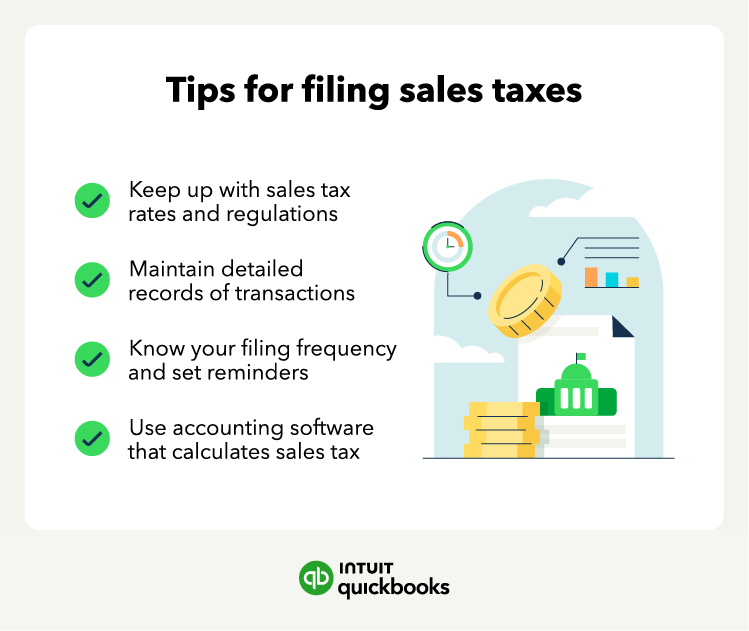
Everything is electronic. For tax periods beginning on or after January 1, 2022, all vendors paying sales and use taxes must file every return and make every payment electronically through MassTaxConnect. That holds regardless of tax liability or when they registered.
File every return, including zero returns. You must file a return for all periods, even when no tax is due, entering 0 in the appropriate places. Zero returns must be filed electronically too.
Nothing local to report, unless you sell meals. Because there is no local sales tax, your sales and use tax return has no local breakout. Restaurants and other meals vendors file a separate monthly Meals, Food & Beverage return. It is due on the 30th day following the month regardless of the amount collected. That return is where the state meals tax and the local-option meals tax are reported. A meals vendor that also sells other taxable goods files the regular sales and use tax return for those sales as well.
Tip: if a rate error slips through, fix the rate first, then correct the affected returns. In Massachusetts, the amend feature in MassTaxConnect changes a previously filed sales and use tax return. Undercollect and the difference comes out of your pocket. Overcollect and you owe refunds. Tax you collected as tax is never yours to keep.
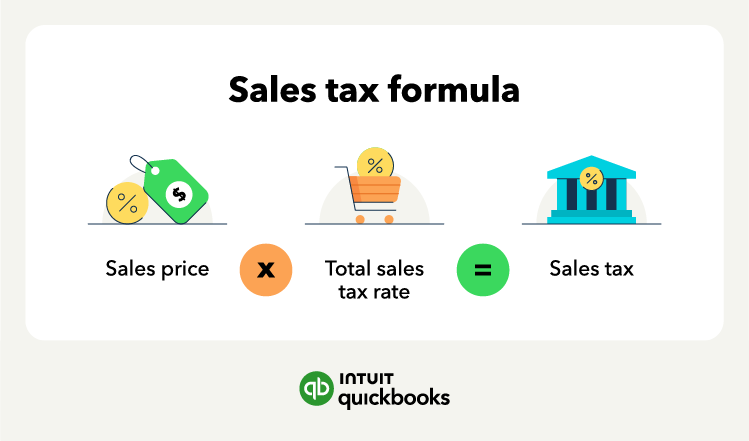
Multiply the pre-tax price by 6.25%. On a $1,200 sale, that's $75 in tax and a $1,275 total.
No. The 6.25% state rate is the only general sales tax. Cities and towns do not add a local sales tax. So a sale in Boston, Worcester, Springfield, or Pittsfield carries the same 6.25%. The one local tax a seller may meet is the local-option meals tax of 0.75% that many cities and towns add to restaurant meals. It brings the tax on a meal to 7% where it applies. It is a separate tax from the general sales tax and matters only to food-service sellers. Lodging carries a separate room occupancy excise.
Generally, no. Massachusetts taxes tangible goods, not services. So stand-alone services such as landscaping, janitorial work, repair labor, barber and beauty services, and legal, accounting, and consulting work are not taxable. A service is taxed only when the real object of the transaction is tangible property and the service is incidental. When the parts in a repair are separately stated, the parts are taxed. When parts that are not inconsequential are billed in one lump sum with the labor, the whole charge is generally taxable. Software is the exception. Prewritten software and software as a service are generally taxable however they are delivered, while custom software is not.
Not up to $175 per item. Clothing and footwear priced at $175 or less are exempt. On a more expensive item, only the amount over $175 is taxed. A $200 coat is taxed on $25, for $1.56 of tax. The threshold is per item, not per receipt. Accessories, and clothing or footwear designed for athletic or protective use and not normally worn otherwise, are taxable.
One weekend each year, generally in August. The Legislature designates the specific weekend annually. Single items priced $2,500 or less, bought by an individual for personal use, are exempt for those two days. An item priced over $2,500 is taxed in full. Business purchases don't qualify. Motor vehicles, motorboats, meals, telecommunications, gas, steam, electricity, tobacco, marijuana, and alcoholic beverages are excluded.
Manage sales tax in QuickBooks with automation that helps you save time and stay compliant.
Save time with automated sales tax
Products are automatically matched to tax categories, so you can charge the right sales tax with less manual work. Returns are automatically prepared and formatted for your state, and if you sell into other states, you can automate multi-state filing from one place.
Stay confident and compliant
File with confidence using accurate, automated calculations. Tax rates and rules change, and they are updated automatically in QuickBooks, so what you charge keeps up. Get reminders before filing deadlines so you can plan ahead, and know your return status with real-time updates.
Your data stays protected
Securely send returns to tax agencies and track every filing in QuickBooks.
Manage your books and sales tax in one place
Automatically calculate, collect, and track applicable sales tax from your customers. One report breaks out taxable and non-taxable sales, so you always know what to pay each agency. Prepare, file, and pay directly from QuickBooks.
Explore QuickBooks sales tax software to spend less time on tax and more time running your business.
*Sales tax filing is available as an add-on service through QuickBooks Online for $40 per filing.
You've got the rates and the rules that apply in Massachusetts. The harder part is applying them correctly on every sale, every quarter. QuickBooks automated sales tax calculates the right combined rate, tracks what you've collected, and shows what you owe when it's time to file.
Call Sales: 1-800-285-4854


