Minnesota sales tax calculator
Know exactly what to charge at any Minnesota address. Find the combined rate, the tax on any amount, and the total. Free for your business, no sign-up.
Know exactly what to charge at any Minnesota address. Find the combined rate, the tax on any amount, and the total. Free for your business, no sign-up.
Done checking rates one sale at a time? QuickBooks applies the right Minnesota rate, state and local included, on every invoice automatically. See how automated sales tax works
Minnesota's sales tax is a 6.875% state rate with local sales taxes added in many areas. The Department of Revenue administers those local taxes on the same return as the state tax.
The average US small business brought in about $52,440 in revenue in July 2026, according to the Intuit QuickBooks Small Business Index. At that size, a Minnesota seller is squarely in the system. You register once with the Department of Revenue. You charge a combined rate that depends on where the customer receives what they bought. Your state return carries each local tax on it.
What makes Minnesota different isn't the rate. It's what the rate doesn't reach. Clothing is exempt, and so are groceries and both prescription and over-the-counter drugs. A specific list of services, on the other hand, is taxable. Whether you run a coffee shop in Minneapolis, clean offices in Duluth, or groom dogs in Rochester, here's how Minnesota's rate works. You'll also see which of your sales it reaches and what to know at filing time.
Minnesota's state sales tax rate is 6.875%. Many cities and counties impose local sales taxes on top of it. The seven-county Twin Cities metro area adds two metro-wide taxes on top of any city and county taxes. The layers:
Local taxes apply to the same items as the state tax. The Department of Revenue administers the local general sales taxes. You register once, file one return, and report each local tax on it. There is no separate local registration. A few special local taxes are administered by the local government itself rather than on the state return. Examples are certain city lodging, food, and entertainment taxes. Rates change often. Use the Department's Sales Tax Rate Calculator for a current combined rate at a specific address rather than memorizing figures.
One more Minnesota-specific charge, separate from sales tax: the Retail Delivery Fee. It is a flat 50 cents on deliveries of $100 or more of taxable goods and clothing, effective July 1, 2024, with small-seller exclusions. Since July 1, 2025, fuel products and road construction materials don't count toward the $100.
Clothing is exempt in Minnesota. That rule sets it apart from almost every state. General clothing and footwear, meaning apparel suitable for general use, are exempt under Minn. Stat. § 297A.67, subd. 8. The exemption runs year-round. The statutory carve-outs matter, because each one is taxable:
A $60 pair of boots and a $60 handbag on one ticket get different treatment. The boots are exempt footwear. The handbag is a taxable accessory.
Local taxes apply to the same items and services as the state tax. Sales are sourced to where the customer receives the product. That is your business location if they pick it up there, or the delivery address if you ship. Since October 1, 2023, the seven-county metro area adds a 0.75% transportation tax and a 0.25% housing tax on top of any city and county taxes. The metro area means Anoka, Carver, Dakota, Hennepin, Ramsey, Scott, and Washington counties. The Department of Revenue describes both as general local sales and use taxes that follow the same rules as all local sales taxes. The statute applies them to taxable sales made in the metro area or to a destination in it.
If you source sales by ZIP code, use the nine-digit ZIP. Where a ZIP code area includes more than one rate, the statute applies the lowest combined rate in that area. You may fall back to the five-digit ZIP area's rate only when a nine-digit ZIP is unavailable for the address or you cannot determine it after due diligence. The Department's calculator identifies the nine-digit ZIP from a street address. That ZIP rule does not apply when the customer picks up at your business location. Rates change often. St. Paul's city tax, for example, rose to 1.5% in April 2024. So check the current combined rate for the specific address rather than memorizing figures.
Minnesota is a destination-sourced state. Under Minn. Stat. § 297A.668 and the Department of Revenue's sourcing rules, a sale is sourced to the place where your customer receives what they bought. That holds whether it is goods, a digital good, or a service. For goods, that means where the customer takes possession. For services, it generally means where the customer first uses the service. Your own location matters when the customer receives the product or service there. Where you shipped from or where you provided the service decides the rate only when no customer address is available. Local taxes follow the same rule. The Department requires every seller, regardless of location, to collect local tax based on where the customer receives the taxable product or service. Find your situation:
If you sell goods in person at your location: when the customer picks up the product at your business location, the sale is sourced to that location. Charge that location's combined rate: the state rate plus the local taxes that apply at your address.
If you ship or deliver goods to Minnesota customers: the sale is sourced to the location where the customer receives the goods. That includes the delivery address the customer gives you. Charge the delivery address's combined rate. Include the metro taxes when the delivery address is in one of the seven metro counties. Possession by a carrier on the customer's behalf doesn't count as receipt. So the rate follows the destination, not the hand-off to the carrier. The Department's own example: a Duluth company sells and delivers items to a business in Hermantown. Because the items are delivered in Hermantown, the Duluth company collects the tax where the items are delivered. That means the Minnesota general rate, the Hermantown sales tax, and the St. Louis County transit sales tax.
If you perform a service at the customer's location: building cleaning, lawn care, pest control, and other taxable services performed at the customer's property are generally sourced to that address. That is because receipt of a service means making first use of it. The customer first uses the service where it is performed. Charge that address's combined rate.
If you clean, alter, or otherwise work on a customer's goods at your shop: laundry and dry cleaning, garment alteration and repair, pet grooming, and other taxable services performed on something the customer leaves with you are generally sourced to where the customer gets it back and can first use the result. That means your shop's rate if they pick up there. It means their address's rate if you deliver it back to them.
If you provide services on the customer in person: massage and the use of tanning equipment, where taxable, are generally sourced to where you perform them. That is your location, or the customer's if you travel to them.
If you sell through a marketplace like Amazon or Etsy: marketplace providers that meet Minnesota's threshold must collect Minnesota tax on the sales they facilitate. That rule has been in effect since October 1, 2018. Sales through a collecting marketplace are not yours to collect on. A Minnesota seller still registers and collects on its own direct sales. Your own website checkout, invoices, and in-person sales remain yours to collect and report.
If you're out of state selling into Minnesota: you must register and collect once you have more than $100,000 in retail sales or 200 or more retail sales into Minnesota during the prior 12-month period. Minnesota still has both tests, so either the dollar figure or the transaction count can put you over. It moved to this either/or rule on October 1, 2019. Marketplace sales count toward your threshold even though the marketplace collects on them. You must be registered and collecting by the first day of the calendar month occurring no later than 60 days after you meet or exceed the threshold. Until you've crossed it, you aren't required to collect Minnesota tax, provided you have no physical presence in Minnesota. Physical presence means an office, warehouse, inventory, or other place of business, or an employee, agent, salesperson, or other representative operating in the state. A seller with any of those must register and collect regardless of the threshold. Once you have crossed it, the same sourcing rules apply to you. Each shipment is sourced to its Minnesota delivery address. You collect the 6.875% state rate plus that address's local taxes. Sales you make through a collecting marketplace are not yours to collect on, but your direct sales are.
Sales with their own sourcing rules. The general rule does not apply to telecommunications services or to sales of motor vehicles. Advertising and promotional direct mail, manufactured and modular homes, and florist orders relayed through a floral network have their own rules. Manufactured and modular homes are sourced to the site where the home is first set up. Florist orders relayed through a floral network are sourced to the retailer that took the order. Leases and rentals of equipment follow a modified rule. The first periodic payment is sourced like a sale. Later payments are sourced to the address where the property is kept.
Worked example. You build furniture in Rochester and sell an $800 table.
Same table, same week, different lines on your return. Minnesota's return reports taxable sales for each local area separately, so keep the delivery address with every sale.
Minnesota taxes goods and a specific list of services. The exemptions that matter most to small sellers:
Clothing: exempt, as covered above. Clothing accessories and equipment, sports and recreational equipment, protective equipment, and fur clothing are taxable.
Groceries: food and food ingredients are exempt. The carve-outs: candy is taxable. But the definition excludes anything with flour on the ingredient label or requiring refrigeration. So flour-based items like many cookies and bars stay exempt. Soft drinks are taxable. That means sweetened beverages, excluding those containing milk or milk substitutes or more than 50% juice. Dietary supplements are taxable.
Prepared food: taxable. That generally means food sold heated, combined by the seller, or sold with utensils provided. The statute's heated-or-combined test does not reach:
Bakery items are exempt unless sold heated or with eating utensils the seller provides. Catering is taxable, including delivery and preparation charges and rentals of tables, chairs, and tableware.
Software and digital products: prewritten software is taxable however it is delivered, on disk, by download, or load-and-leave. Custom software is exempt. Separately stated charges to modify prewritten software are exempt, while the prewritten portion stays taxable. Software as a service is not taxable. If the customer receives a copy of the software, even electronically, it is a taxable sale of prewritten software. If the software stays on the provider's server and the customer merely accesses it remotely, that access is not taxed. Neither are maintenance and upgrades to hosted software. Digital audio and audiovisual works and e-books are taxable. Digital periodicals, magazines, newspapers, and blogs are not.
Prescription and over-the-counter drugs: both exempt for human use. For an over-the-counter drug, the label must carry a "Drug Facts" panel or a statement of active ingredients. Grooming and hygiene products such as soap, shampoo, toothpaste, and sunscreen are taxable even if labeled as drugs. Durable medical equipment is exempt only when for home use. Mobility-enhancing equipment and prosthetic devices are exempt. Vitamins and dietary supplements are taxable.
Newspapers and subscription periodicals: publications regularly issued at average intervals not exceeding three months are exempt. But the exemption excludes magazines and periodicals sold over the counter. So a subscription magazine is exempt while the identical newsstand copy is taxable.
Resale and manufacturing: anything bought for resale is exempt with a completed Form ST3. Capital equipment used primarily in manufacturing is exempt upfront with an exemption certificate.
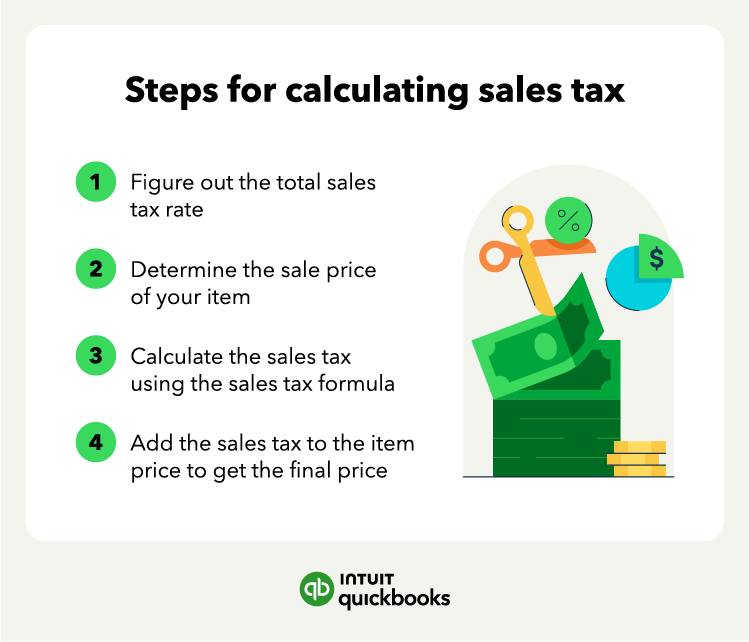
Selling a mix of taxable and exempt items is where receipts get messy. Track the two buckets separately from the start.
Use tax is the buyer's side of the same tax. Minnesota use tax applies when you buy, lease, or rent taxable items or services for your business and the seller does not charge Minnesota sales tax. It is based on your cost of the taxable purchase. The use tax and sales tax rates are identical, so the state use tax rate is 6.875%. You may also owe it when you bring items into Minnesota or take them out of inventory for a taxable use.
If you paid another state's sales tax on the purchase, Minnesota generally credits that tax against the use tax you owe. So you owe only the difference when Minnesota's rate is higher.
For a business, this shows up when you order equipment, supplies, or software from a vendor that didn't charge Minnesota tax. The Department's own examples of taxable online purchases are computer hardware and software, office supplies and equipment, and business furniture, fixtures, and accessories. If the seller ships items to you in Minnesota and does not collect Minnesota sales tax, you owe Minnesota use tax.
Local use tax exists. Local use tax applies when you buy items or services in a local area without paying local sales tax to the seller. It is based on where the item is used, at the same rate as that area's local sales tax. It also applies when you buy taxable items in another Minnesota city or county with a lower or no local sales tax and use them in an area with a higher rate. In that case you get a credit for the local sales tax you already paid.
Say your Rochester shop buys a $3,000 commercial espresso machine online and the invoice shows no Minnesota tax. You owe $206.25 in state use tax at 6.875%. You also owe Rochester's local use taxes at the same rates as its local sales taxes. Those are 0.75% for the city and 0.50% for Olmsted County transit, another $37.50. That is $243.75 in all.
How you report it. Report state and local use tax when you file your Minnesota Sales and Use Tax return. The return has lines for use tax purchases at the state rate and for local use taxes. The Department expects businesses to set up a system to record and pay use tax. That means reviewing each invoice as it is approved for payment. It also means reporting use tax wherever the seller did not charge sales tax on a taxable item or service. If you sell only nontaxable items and have no sales tax account, you may still need to register to pay use tax on your purchases.
Minnesota taxes a specific list of services. A service that is not on the list is not taxable. If your service is on it, the full combined rate applies, local taxes included. This page details the categories under "Taxable services include" below. The statutory list also reaches:
Taxable services include:
Not taxable: snow removal, trash hauling (a separate solid waste management tax applies instead), babysitting and daycare, barber and beauty services, tattooing, self-storage, advertising, employment and staffing, and all professional services, such as legal, accounting, engineering, and consulting. Medical services are not taxable either. Renting out equipment or other goods, on the other hand, is taxable just like selling it.
Repair labor. Repair labor that restores an item to its original use is not taxable as long as it is separately stated from parts. When labor and parts are billed as one price, the charge is taxable only if the parts are a significant portion of the total. If the parts are insignificant (a small spring in a watch repair), the customer is not taxed. In that case the repairer pays tax on its cost of the parts. Parts billed to the customer are taxable. Garment repair and alteration are the exception. They fall in the taxable laundry category. Real-property repairs such as furnaces, water heaters, and central air are not taxable to the customer. A contractor improving real property pays sales or use tax on the materials, supplies, and equipment it uses. It does not charge the customer sales tax on the construction contract, unless the installed item stays tangible personal property rather than becoming part of the building (bleachers, lockers). In that case the sale plus installation is taxable.
Maintenance agreements and warranties on equipment are split by content, not by whether they are optional. An extended warranty covering unexpected repairs is not taxable (tax applies to parts used in the repairs). An optional maintenance contract that provides repair parts or consumables at no extra cost is taxable, unless the parts are insignificant. Prewritten software is different. A maintenance agreement the vendor requires as a condition of the sale is taxable in full. An optional one is taxable on separately stated upgrades but not on separately stated support. A single combined charge for an optional agreement is taxed on 20% of its price.
Before you price a service, check the Department of Revenue's taxable services guidance. Check it in both directions, for services you assumed were exempt and for services you assumed were taxable.
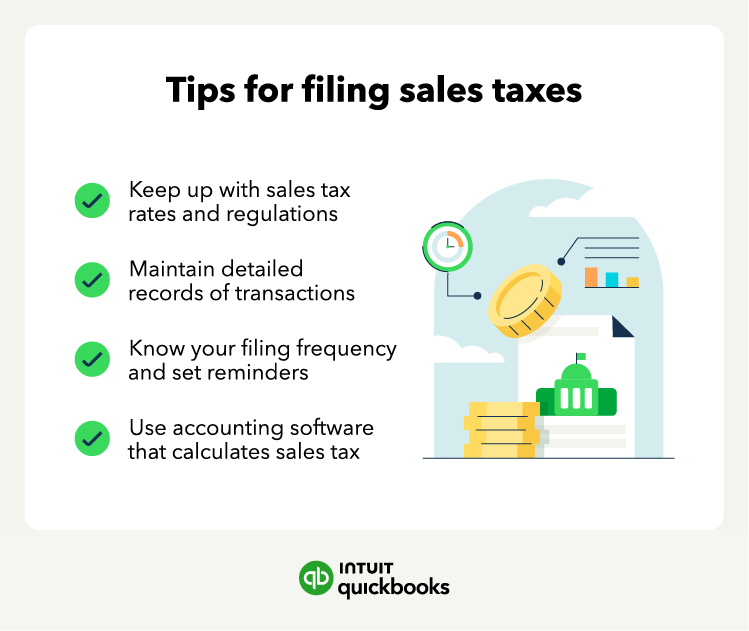
Your filing frequency follows your monthly liability, local taxes included. The Department of Revenue sets your schedule by your average monthly sales and use tax liability, including the local sales and use taxes it administers:
You may not receive a notice reminding you to file or pay, so track the due date yourself.
Returns are filed online. You must file your Sales and Use Tax return through the Department's e-Services system. Once you have paid more than $10,000 of any one Minnesota business tax during the state's previous fiscal year, you generally must pay electronically. The state's fiscal year runs July 1 to June 30. A check sent when electronic payment is required can draw a 5% penalty even if it arrives by the due date.
One return, with each local area on its own line. The Department of Revenue collects all general local sales and use taxes. So there is no separate return for your city or county. You add the local taxes you collect to your account in e-Services. You report taxable sales for each local area separately. e-Services then calculates the local tax due for each area from the taxable amount you enter. Shipping into an area with a local tax means collecting that local tax. The Department notes this may require you to register for, collect, and remit additional local taxes. Keeping the delivery address with each sale turns the local lines into a sort, not a research project.
Exempt sales still go on the return. Gross receipts on the return include all taxable and exempt sales, leases, and rentals. So a clothing or grocery seller reports exempt sales as gross receipts even though no tax rides along. Don't include sales tax in those figures. And don't include sales made through a marketplace that is required to collect and remit the tax on the General Rate Sales Tax line.
File every return, including zero returns. If you did not make any taxable sales for a filing period, you must still file a zero return. The Department says penalties and interest can apply when you don't file or pay on time.
Tip: if a rate error slips through, fix the rate first, then correct the affected returns. Undercollect and the difference comes out of your pocket. Overcollect and you owe refunds. Tax you collected as tax is never yours to keep. In Minnesota, a filed return is corrected with an amended return in e-Services. Having incorrectly charged sales tax and refunded it to the customer is one of the Department's listed reasons to amend.
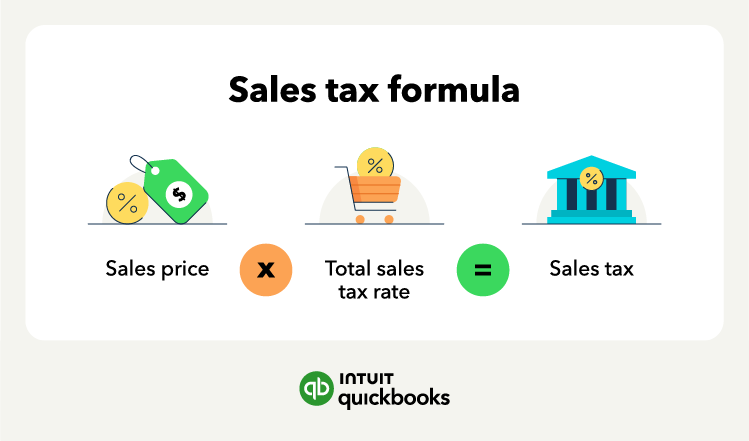
Multiply the pre-tax price by the combined rate at the address where the sale is sourced. That is the 6.875% state rate plus any local taxes that apply there. Where no local tax applies, a $1,200 sale carries $82.50 in tax and a $1,282.50 total.
Yes. General clothing and footwear, meaning apparel suitable for general use, are exempt year-round. The carve-outs are taxable: clothing accessories and equipment such as handbags, jewelry, sunglasses, umbrellas, wallets, watches, wigs, and cosmetics; sports and recreational equipment such as cleated shoes, athletic gloves, and goggles; protective equipment such as hard hats, helmets, and safety glasses; and fur clothing. Clothing alteration is a taxable service.
No. Food and food ingredients are exempt. Candy, soft drinks, dietary supplements, and prepared food are taxable. Minnesota's candy definition excludes anything with flour on the ingredient label or requiring refrigeration. So many cookies and bars stay exempt as food. Bakery items are exempt unless sold heated or with eating utensils the seller provides.
Only if your service is on Minnesota's list of taxable services. Building and residential cleaning, laundry and dry cleaning (including garment alteration and repair), lawn care and garden maintenance, detective and security services, massage (with an exception for treatment by or on written referral from a licensed health care provider), pet grooming, boarding, and kenneling, the use of tanning equipment, and fabrication labor are on it. So are short-term lodging, admissions and health-club and athletic-facility memberships, nonresidential parking, motor vehicle washing and towing, and telecommunications services. Those categories are not detailed on this page. So check the Department's taxable services guidance before you assume a service is exempt. Barber and beauty services, snow removal, babysitting and daycare, self-storage, advertising, and professional services such as legal, accounting, engineering, and consulting are not. Separately stated repair labor is not taxable, except garment repair. Software as a service is not taxable either, though prewritten software delivered to the customer is.
No. Minnesota has no back-to-school or any other sales tax holiday. With clothing exempt year-round, the most common holiday category is already untaxed every day.
Manage sales tax in QuickBooks with automation that helps you save time and stay compliant.
Save time with automated sales tax
Products are automatically matched to tax categories, so clothing and groceries stay exempt while the rest of the order is taxed. Minnesota returns are automatically prepared and formatted for the Department of Revenue, broken out by state, county, city, and metro line, and if you sell into other states, you can automate multi-state filing from one place.
Stay confident and compliant
File with confidence using accurate, automated calculations. Minnesota local taxes take effect on the first day of a quarter, and tax rates and rules are updated automatically in QuickBooks, so the rate you charge keeps up. Get reminders before Department of Revenue deadlines so you can plan ahead, and know your return status with real-time updates.
Your data stays protected
Securely send returns to tax agencies and track every filing in QuickBooks.
Manage your books and sales tax in one place
Automatically calculate, collect, and track applicable sales tax from your customers. One report breaks out taxable and non-taxable sales, so you always know what to pay each agency. Prepare, file, and pay directly from QuickBooks.
Explore QuickBooks sales tax software to spend less time on rates and more time running your business.
*Sales tax filing is available as an add-on service through QuickBooks Online for $40 per filing.
You've got the rates and the rules that apply in Minnesota. The harder part is applying them correctly on every sale, every quarter. QuickBooks automated sales tax calculates the right combined rate, tracks what you've collected, and shows what you owe when it's time to file.
Call Sales: 1-800-285-4854


