Mississippi sales tax calculator
Know exactly what to charge at any Mississippi address. Find the combined rate, the tax on any amount, and the total. Free for your business, no sign-up.
Know exactly what to charge at any Mississippi address. Find the combined rate, the tax on any amount, and the total. Free for your business, no sign-up.
Done checking rates one sale at a time? QuickBooks applies the right Mississippi rate on every invoice automatically. See how automated sales tax works
Mississippi runs its sales tax from one place. The state rate is 7%, and the Department of Revenue administers it statewide. There is generally no local option general sales tax layered on top.
The average American side hustle brings in about $2,038 a month, according to Intuit QuickBooks entrepreneurship research. At that size, a Mississippi seller is squarely in the system. You need a sales tax permit for each business location. You charge the 7% rate on taxable sales made from that location. And you file a return with the Department of Revenue by the 20th of the month after the reporting period.
The state rate is the same at every Mississippi address. So the rate story here is mostly about what you sell, not where you sell it. Groceries are taxed, at their own 5% rate. A non-residential construction contract over $10,000 carries its own 3.5% contractor's tax instead of the retail rate. And services are generally taxed only if Mississippi names them. The list runs from plumbing and air conditioning work to photography and computer software services.
Whether you run a boutique in Oxford, install air conditioners in Hattiesburg, or stock a corner grocery in Jackson, here's how Mississippi's rate works. You'll also see which of your sales it reaches and what to know at filing time.
Mississippi's state sales tax rate is 7%. That is the general retail rate at every address in the state. Mississippi generally has no local option general sales tax. The state administers a single statewide rate. A small number of cities and counties layer their own separate tourism and economic development taxes on top of the state tax. Those taxes fall most often on hotels, motels, and restaurants.
These local levies often carry their own sunset or repeal dates. The Department of Revenue publishes the current list with rates and effective dates. The 7% is the general rate, not the only one. Mississippi applies reduced state rates to some categories, covered next.
Mississippi is unusual in that it taxes groceries. The rate, though, is now lower than the general rate. Since July 1, 2025, groceries are taxed at a reduced state rate of 5%, down from the prior 7%. Groceries here means food or drink for human consumption that is eligible to be purchased with SNAP benefits. Food actually purchased with SNAP or food-stamp benefits stays fully exempt, whatever the item.
Hot or heated food items, restaurant meals, and food and drink that is not SNAP-eligible stay at the full 7%. That means candy, soft drinks, prepared food, and bakery items don't all fall under one rule. SNAP-eligible, unheated items take the 5% rate, including many candies and bakery goods bought at a grocery store. Prepared or heated food, fountain drinks, and hot coffee are taxed at 7%.
A $60 basket of SNAP-eligible groceries carries $3.00 in tax at 5%. The $4 hot coffee rung up with it carries $0.28 at 7%. Your point of sale needs to know which is which.
Two more state rates sit below the general rate:
Mississippi taxes retail sales of goods, which the law calls tangible personal property. It also taxes a list of specifically enumerated services and businesses. A service that does not appear on that list is generally not taxable. A listed service is taxed at the regular retail rate unless a special rate or exemption applies to it. Taxable services include:
A $1,200 air conditioning repair in Hattiesburg carries $84 of tax at 7%, labor included.
Services that are not on Mississippi's list, and therefore not taxable, include janitorial cleaning (as distinct from the mechanical trades above). They also include routine lawn and yard maintenance such as mowing grass, weeding, and trimming shrubs, bushes, and trees. Planting, laying sod, and other landscaping work is taxable, as noted above.
Also not taxable: pool cleaning, snow removal, trash removal, water conditioning and softening, and window cleaning. The same goes for home health care and medical services generally, babysitting and daycare, barbering and beauty services, massage therapy, and pet grooming and training. Self-storage units the customer alone locks and controls are not taxable. A public storage warehouse, or shared storage space that several customers can access, is taxable. Tanning and tattoo services and taxidermy are not taxable either. Neither are most professional and business services, such as accounting, advertising, bookkeeping, credit and collection, engineering, interior design, investment counseling, legal, management consulting, payroll, public relations, title search, travel agency, and veterinary services.
The "billed with a sale" rule. Design, engineering, and other professional services are exempt when they are not related to a taxable sale of goods, an enumerated taxable service, or a taxable contracting activity. They become taxable when the seller bills them as part of the sale, manufacture, or installation of goods. That holds regardless of how the charge is structured on the invoice. Clothing alteration follows a similar split. It is taxable when performed as part of a laundering or cleaning activity. It is not taxable as a standalone garment alteration or repair.
Mississippi is an origin-based state for sales of goods. Its sales tax is a privilege tax on the business of selling within the state (Miss. Code Ann. §§ 27-65-13 and 27-65-17). The statute places the situs of a sale at the location of the business from which the sale is made. The Department of Revenue's rule presumes that all sales made and taxable services performed from a business location within the state are taxable Mississippi sales. That presumption holds unless the seller can substantiate an exemption, such as required delivery to a customer outside the state.
For goods sold from a Mississippi location and delivered within the state, the rate follows your location rather than your customer's address. The state rate is the same at every Mississippi address. Because of that, the sale carries the 7% state rate whether the customer is in Gulfport or Greenville.
For services, the question is generally where the work is performed. Mississippi taxes its listed services when they are performed in the state. Where a city levies its own tax, the Department describes it as attaching to retail sales made from businesses within the city limits. It describes the tax as attaching to services provided within them as well. Find your situation:
If you sell goods in person at your location: the sale is made from your Mississippi business location. So it is a Mississippi sale. Charge the 7% state rate, plus any levy your city imposes on retail sales made from businesses within its limits. Goods a customer picks up or otherwise receives in Mississippi are subject to Mississippi sales tax. That holds even if the customer lives in another state.
If you ship or deliver goods to Mississippi customers: a sale made from your Mississippi location and delivered to a Mississippi address is a Mississippi sale at the 7% state rate. The state rate does not change with the delivery address. Merchandise shipped from a point in Mississippi that passes through another state before reaching its Mississippi destination is still a Mississippi sale.
If you ship goods out of state: export sales are sales to customers located outside Mississippi. They are not subject to Mississippi sales tax when you are required, as a condition of the sale, to ship or deliver the goods to a location outside the state, and the delivery actually takes place. That holds whether you deliver in your own vehicle, by common carrier or the U.S. Postal Service, or by an independent trucker.
Keep a copy of the sales slip and shipping invoice showing the out-of-state delivery. If your records do not clearly show that the item was delivered out of state, the Department treats the sale as taxable at 7%. Interest and penalty apply as well.
If you perform taxable services: Mississippi's services tax falls on the business performing a listed service in the state. Computer software services, for example, are taxable when actually performed within Mississippi. Generally, charge the 7% rate on a taxable service you perform in Mississippi, plus any city levy on services provided within that city's limits.
The statute gives two relief valves. First, charges for custom processing and repair services may be excluded from taxable income when the property you worked on is delivered to the customer in another state by common carrier or in your own equipment. Second, a business performing listed services both inside and outside Mississippi may use any reasonable formula to apportion to Mississippi the portion performed in the state. Software or software services transmitted by the internet to a destination outside Mississippi are exempt where the buyer's first use occurs outside the state.
If you sell through a marketplace like Amazon or Etsy: Mississippi's Marketplace Facilitator Act took effect July 1, 2020. Marketplace facilitators must register with the Department of Revenue. They must collect and remit sales and use tax on facilitated sales of tangible personal property, services, and specified digital products. Sales you make through a marketplace are excluded from your own economic nexus threshold. That threshold is a test that applies only to out-of-state sellers. A seller located in Mississippi collects on its own taxable sales regardless of volume. Your own website checkout, invoices, and in-person sales remain yours to collect and report.
If you're out of state selling into Mississippi: you must register with the Department of Revenue and collect once your gross sales into Mississippi exceed $250,000 over the prior twelve months. There is no transaction-count test. Marketplace sales are excluded from your threshold. The obligation starts with your next transaction after you cross it.
Below the threshold, if you have no physical presence in Mississippi, the economic nexus rule alone does not require you to collect Mississippi tax on your sales into the state. Owning business property in Mississippi creates nexus and a collection duty regardless of your sales volume. So does being represented in the state by employees or agents who service customers or solicit or accept orders. Once you are over the threshold, what you collect on each sale delivered into Mississippi is Mississippi use tax. It is collected at the same rate the sales tax would be. It is added to the sales price and stated separately on the invoice.
Sales with their own rules. The statute's situs rule has one exception. Retail sales along a route from a vehicle, or otherwise by a transient vendor, take the location of delivery to the customer. They do not take the seller's business location. Drop shipments work in two steps. If you hold a Mississippi sales tax permit and have a supplier ship directly to your Mississippi customer, furnish a copy of your permit to the supplier. That way its sale to you is not taxed. Then collect Mississippi sales tax yourself on the sale to your customer.
Worked example. You build furniture in Hattiesburg and sell a $900 table.
Same table, one state rate. What changes is whether the sale is a Mississippi sale at all, and whether your own city adds a levy.
The lines that matter most to small sellers:
Groceries: not exempt, but reduced. SNAP-eligible food and drink for human consumption is taxed at 5% since July 1, 2025. Food actually purchased with SNAP benefits is exempt regardless of the item. Hot or heated food, restaurant meals, and non-SNAP-eligible food and drink stay at 7%. Two narrow food exemptions apply. One is food sold to schools as regular student meals. The other is food sold through vending machines operated by full-line vendors located apart from and not connected with other taxable businesses. In that case the operator instead pays a wholesale-level tax on its purchases of that food.
Vitamins and supplements: taxable at retail for ordinary human consumption, with no general consumer exemption. The only vitamins-related exemption is a narrow agricultural-input carve-out. It covers vitamins, minerals, and other nutrients used in the production and growing of fish, livestock, honey bees, and poultry.
Clothing: taxable year-round. Mississippi has no general clothing exemption. Clothing, clothing accessories, protective clothing and equipment, sports and recreational equipment, and special-order clothing and footwear are all taxable like any other retail sale, except during the July sales tax holiday covered below. Clothing alteration is taxable when performed as part of a laundering or cleaning activity. Standalone garment alteration and repair is not.
Software and digital products: computer software, whether custom, downloaded, or prewritten, is generally taxable regardless of delivery method. The one significant exception turns on hosting. Software maintained on a server located outside Mississippi and accessible for use only via the internet is not treated as a taxable retail sale. So the question for a given product is where it is hosted and how the customer accesses it, not whether it is custom-built.
Computer hardware is taxable. Computer software services (design, programming, installation, configuration, debugging, testing, and troubleshooting) performed within Mississippi are taxable. Digital audio-visual works, digital audio works including ringtones, and digital books sold, rented, or leased to an end user are taxable. That holds whether the right of use is permanent or limited and whether or not payment continues over time. Digital codes that unlock them are taxed the same way.
Infrastructure as a Service and Platform as a Service are explicitly excluded from tax. Software as a Service is not covered by that exclusion. It is presumptively taxable as computer software unless the specific product meets the out-of-state-server hosting exemption. Hardware and software maintenance agreements are taxable, whether optional or required. Internet access charges are excluded from the tax base.
Prescription drugs and medical items: prescription drugs and medicines for the treatment of a human being are exempt when they are:
Over-the-counter drugs sold off the shelf without a prescription are taxable. Durable medical equipment and home medical supplies are exempt when ordered in writing or prescribed by a licensed physician for a patient's medical purposes. The exemption includes repair and replacement parts. It covers items listed under Titles XVIII and XIX of the Social Security Act. It also covers prosthetics, orthotics, hearing aids, prescription eyeglasses, and oxygen and oxygen equipment. Equipment sold without a prescription or written order is taxable. Medical services are not taxable.
Newspapers and periodicals: newspapers are broadly exempt. The periodical exemption is narrower than a blanket rule for magazines. It covers subscription sales of magazines and periodicals published by tax-exempt scientific, literary, or educational organizations. It does not cover single-copy or newsstand magazine sales generally. Printing services are taxable, subject to the resale and other exemptions noted above.
Packaging: containers, packaging, and wrappers sold to a manufacturer, processor, or retailer for resale purposes are exempt. The same items sold to other retailers, such as a grocery or restaurant, are taxable at the regular retail rate. So are the same items sold directly to a consumer for their own use. Separately, non-reusable packaging that a restaurant or food-service business provides along with a food or beverage sale (napkins, plates, cups, utensils, wrapping) is exempt as part of that sale.
Lodging: taxable. A long-term stay is excluded from the state tax when the guest enters into a written contract or lease in advance. To qualify, the contract or lease needs to cover a period of at least three consecutive complete months or a minimum of ninety consecutive days. A stay that happens to run that long without an advance written agreement specifying the qualifying duration remains a taxable transient stay. Separate, locally administered lodging and tourism taxes may apply on top of the state tax. They are unaffected by the state-level long-term exclusion.
Selling a mix of 7% items, 5% groceries, and exempt items is where receipts get messy. Track the buckets separately from the start.
Use tax is a tax on goods purchased for use, storage, or other consumption in Mississippi. It applies to items shipped or delivered into Mississippi from an out-of-state location. It also applies to items purchased inside the state if sales tax was not paid at the time of purchase. Suppose you buy an item from an out-of-state vendor for use in Mississippi, and the vendor does not collect Mississippi sales or use tax. You must pay the use tax directly to the Department of Revenue.
The use tax is calculated at the same rate the sales tax would be if the item were subject to sales tax. For most goods that is 7%. It is measured on the purchase price, including any shipping, handling, transportation, and delivery charges connected with the sale.
Say your Oxford shop orders a $2,500 commercial embroidery machine from an out-of-state seller that doesn't collect Mississippi tax. Your shop pays $100 for shipping. Use tax is due on $2,600: $182. Inventory you bought tax-free for resale and then pull from stock for your own business or personal use owes use tax on its cost as well.
Credit for tax paid elsewhere. Credit is allowed for sales tax paid to another state if you took possession of the property in the other state before bringing it into Mississippi. If that state's rate was lower than Mississippi's, you pay the difference. No credit is allowed for another state's sales tax if the out-of-state seller shipped or delivered the item to a Mississippi location. To claim any credit, you need an invoice showing the other state's tax as a separate item.
No local use tax layer. Mississippi's use tax law sets the use tax at the state sales tax rates and provides no local layer. The city levies described above are sales taxes on sales made from businesses within those cities.
How you report it. A business registers for a use tax account through TAP, the Department's Taxpayer Access Point. It files a use tax return for every period, even one with no liability. Returns are due the 20th day of the month following the reporting period. When the 20th falls on a weekend or legal holiday, they are due the next business day. The annual, quarterly, or monthly filing frequency follows the same annual-remittance tiers as sales tax.
One use tax account can cover all of your Mississippi locations. Individuals who are not registered may pay use tax at the county tax collector's office or a Department district office. They may also report their purchases on their Mississippi individual income tax return. The Department identifies unpaid use tax through audits, complaints, and purchase lists shared by vendors and other states' taxing authorities. It bills for it with penalty and interest.
Mississippi holds two separate annual sales tax holidays.
Clothing, footwear, and school supplies, in July. The holiday runs from 12:01 a.m. the second Friday in July through midnight the following Sunday (July 10–12 in 2026). An article of clothing, footwear, or a school supply item is exempt if its sales price is less than $100. The limit is per item. A $120 pair of boots does not qualify, while two $60 pairs on one receipt both do.
Firearms, ammunition, and hunting supplies, in late August. The Second Amendment holiday runs from 12:01 a.m. the last Friday in August through midnight the following Sunday (August 28–30 in 2026). Hunting supplies include archery equipment, related cases and accessories, hearing protection, holsters, and belts and slings. They exclude animals used in hunting.
Since July 1, 2026, firearm safes (locking containers designed for the secure storage of firearms, other than glass-faced ones) are covered as well. Unlike the July holiday, there is no price cap on covered items. Check the Department of Revenue's current-year sales tax holiday announcement for the exact qualifying item list. The scope of "hunting supplies" is set by statute, and specific additions can occur.
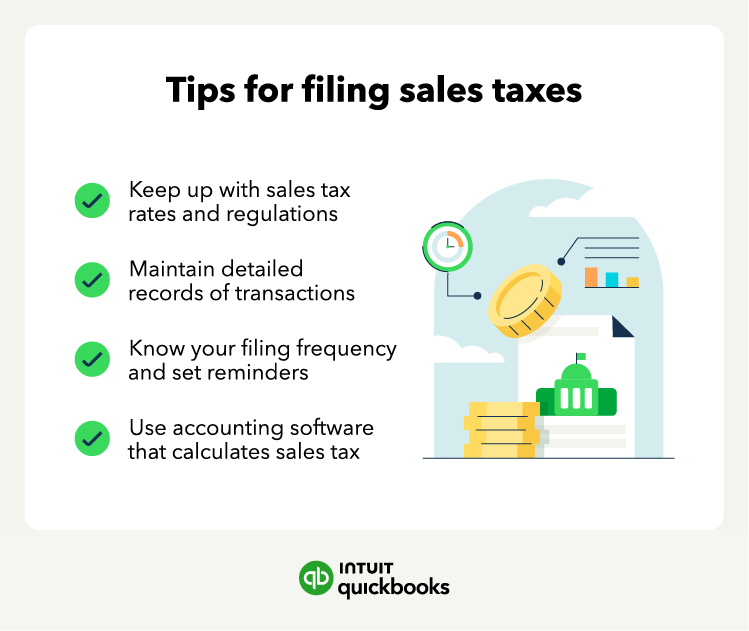
Mississippi's filing calendar is built around one date, with a few mechanics worth knowing:
Returns are due the 20th of the month after the reporting period. If the due date falls on a weekend or holiday, it becomes the next business day. Returns must be filed and the tax paid by the due date to avoid penalty and interest. Interest begins the month after the due date, and penalty applies immediately.
Your filing frequency follows how much you remit in a year. Annual returns if your annual total payment is less than $600. Quarterly if it is between $600 and $3,599. Monthly if it is more than $3,599. The Department reviews the tax liabilities of all active accounts each year. It adjusts filing frequencies as necessary and notifies taxpayers of the change.
File through TAP, and remember that paying is a separate step. Online filing for sales and use tax is available through TAP, the Department's Taxpayer Access Point, free of charge. You need to file online if you:
Otherwise the Department requests electronic filing and mails a pre-addressed paper return to taxpayers who are unable to file online. When filing online, completing a return and paying the tax are two separate steps. You must do both.
File every return, including zero returns. A return must be filed for each reporting period even though no tax is due. If you had no sales, enter a zero on the total tax due line. A seasonal business files for every period, not just the months it operates.
Take the discount while it's there. For filing and paying on time, certain taxpayers may keep a 2% discount of the tax liability. The discount is limited to $50 per reporting period and $600 per calendar year. It does not apply to tax on contracting or utility services, among other categories. A late or underpaid return recalculates the discount to zero for all locations.
One permit per location, and local levies ride along. A separate permit is required for each business location. The permit does not expire or need renewal as long as you continue the same business at the same location. Taxes imposed under local and private laws are collected and paid to the Department of Revenue in the same or similar manner as the state sales tax. The Department's listing of tourism and economic development taxes is the place to check whether your business is subject to one.
If you find an error, amend. If you discover an error on a previously filed sales tax return, file an amended return. An amended return must attest to the entire tax amount for the period. One that increases your liability loses the discount previously allowed and is subject to penalty and interest. If you collected too much tax and cannot refund it directly to the customer who paid it, Mississippi law requires the over-collection to be paid to the state.
Tip: if a rate error slips through, fix the rate first, then correct the affected returns. Undercollect and the difference comes out of your pocket. Overcollect and you owe refunds. Tax you collected as tax is never yours to keep.
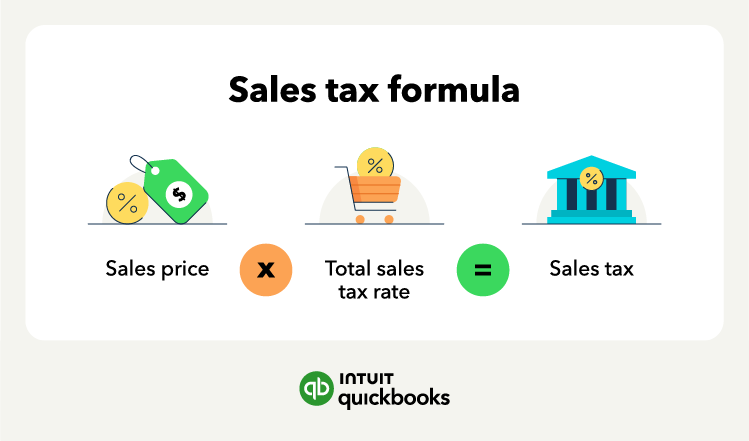
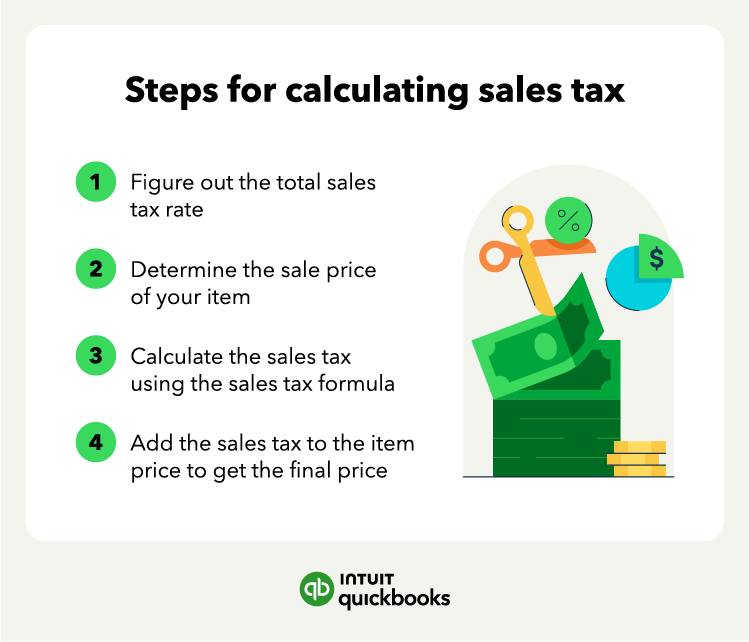
Multiply the pre-tax price by the rate: 7% for most taxable sales. On a $1,500 sale, that's $105 in tax and a $1,605 total.
Generally no local option general sales tax. The state administers a single statewide rate of 7%. A small number of cities and counties layer their own separate tourism and economic development taxes on top of the state tax. Those taxes fall most often on hotels, motels, and restaurants. These levies are imposed under individual local and private legislation that often carries its own sunset date.
The Department of Revenue collects these levies alongside the state tax. It publishes the current list with rates and effective dates. Jackson, for example, has several. One is a special infrastructure tax. It applies to sales of goods and services taxed at 7% made by businesses located in the city, not only to hotels and restaurants.
Yes, at a reduced rate. Since July 1, 2025, groceries are taxed at 5% instead of 7%. Groceries here means food or drink for human consumption that is eligible to be purchased with SNAP benefits. Food actually purchased with SNAP benefits is fully exempt regardless of the item. Hot or heated food items, restaurant meals, and food and drink that is not SNAP-eligible stay at the full 7%.
Generally only if your service is on Mississippi's list of taxable services. Air conditioning, plumbing, electrical, insulating, and alarm system installation and repair, dry cleaning and laundering, pest control, computer software services performed in Mississippi, photography, printing, catering, and the other listed services are taxable at the regular retail rate.
Janitorial cleaning and lawn mowing and trimming are not on the list and are not taxable. Landscaping work such as planting or laying sod, however, is taxable. Barbering and beauty services, pet grooming, self-storage units the customer alone controls, and professional services such as accounting, legal, and management consulting are not on the list and are not taxable either. One catch: design, engineering, and other professional services become taxable when the seller bills them as part of the sale, manufacture, or installation of goods. That holds however the charge is structured on the invoice.
Twice a year. Clothing, footwear, and school supplies priced under $100 per item are exempt from 12:01 a.m. the second Friday in July through midnight the following Sunday (July 10–12 in 2026). Firearms, ammunition, hunting supplies, and, since July 1, 2026, firearm safes are exempt from 12:01 a.m. the last Friday in August through midnight the following Sunday (August 28–30 in 2026). There is no price cap on those items. Check the Department of Revenue's current-year announcement for the exact list of qualifying hunting supplies.
Manage sales tax in QuickBooks with automation that helps you save time and stay compliant.
Save time with automated sales tax
Products are automatically matched to tax categories, so you can charge the right sales tax with less manual work. Returns are automatically prepared and formatted for your state, and if you sell into other states, you can automate multi-state filing from one place.
Stay confident and compliant
File with confidence using accurate, automated calculations. Tax rates and rules change, and they are updated automatically in QuickBooks, so what you charge keeps up. Get reminders before filing deadlines so you can plan ahead, and know your return status with real-time updates.
Your data stays protected
Securely send returns to tax agencies and track every filing in QuickBooks.
Manage your books and sales tax in one place
Automatically calculate, collect, and track applicable sales tax from your customers. One report breaks out taxable and non-taxable sales, so you always know what to pay each agency. Prepare, file, and pay directly from QuickBooks.
Explore QuickBooks sales tax software to spend less time on tax and more time running your business.
*Sales tax filing is available as an add-on service through QuickBooks Online for $40 per filing.
You've got the rates and the rules that apply in Mississippi. The harder part is applying them correctly on every sale, every quarter. QuickBooks automated sales tax calculates the right combined rate, tracks what you've collected, and shows what you owe when it's time to file.
Call Sales: 1-800-285-4854


