Montana sales tax calculator
Know exactly what to charge at any Montana address. Find the combined rate, the tax on any amount, and the total. Free for your business, no sign-up.
Know exactly what to charge at any Montana address. Find the combined rate, the tax on any amount, and the total. Free for your business, no sign-up.
Done checking rates one sale at a time? QuickBooks applies the right Montana rate on every invoice automatically. See how automated sales tax works
Montana has no general state sales or use tax, and no general local sales tax either. A retailer selling goods or services in Montana does not collect sales tax from customers at the point of sale. There is no product-taxability question to answer for clothing, food, software, or any other category. In a sales-tax state, there would be.
The exceptions are narrow. One is a local resort tax, generally capped at 3%. A short, specifically qualifying list of resort communities and areas may adopt it. It applies to lodging, restaurants and bars, destination recreation, and luxuries. The other is the state's selective taxes on particular transactions. The lodging facility sales and use taxes covered below are one example.
The average American side hustle brings in about $2,038 a month, according to Intuit QuickBooks entrepreneurship research. At that size, a Montana seller's question isn't what rate to charge. It's whether the business sits inside one of the designated resort areas. And it's whether what it sells is something a resort tax reaches.
Whether you run a boutique in Missoula, a restaurant in Bozeman, or a consulting practice in Helena, here's what Montana's lack of a general sales tax means for your invoices. You'll also see where the resort tax does apply and what to know at filing time.
There is no general Montana sales tax rate. Montana has no general state sales or use tax and no general local sales tax. So at a typical Montana address, the answer is none. The only local sales tax in the state is the resort tax. It applies exclusively within designated resort communities and areas. It applies only to the specific categories of goods and services that a community's ordinance covers.
The resort tax is a local option available only to a short, specifically qualifying list of communities. It is not a statewide sales tax. It does not apply to a typical Montana retailer outside one of these designated resort areas. Even inside one, it reaches only the goods and services the law and the local ordinance cover:
The resort tax is the only local sales tax in Montana, and it is built to be narrow. A "resort area" is an unincorporated area with a population under 2,500. A "resort community" is an incorporated town with a population under 5,500. Either one may adopt a local resort tax. The condition is that it derives more than half its economic well-being from recreational businesses serving travelers. The Montana Department of Commerce decides whether a town or area qualifies. The local voters must approve the tax.
The Department of Revenue describes the idea behind it as allowing places with high numbers of visitors but relatively few residents to manage the wear and tear on local infrastructure without overburdening local citizens.
The rate. The tax is generally capped at 3%. The statute says the rate "may not exceed 3%." A community may also add an additional infrastructure levy of up to 1% on top of the base tax. The revenue is dedicated to infrastructure. So the total resort tax in some districts can reach up to 4%, not a flat 3% everywhere. One statutory limit applies to the levy. A resort community whose population has grown past the 5,500 limit may add the levy only if it was established before January 1, 2025.
What it applies to. The resort tax is a tax on the retail value of all goods and services sold within the resort community or area. It applies to sales by these establishments:
Goods and services sold for resale are excepted. Establishments that sell luxuries collect the tax on those luxuries. The community's administrative ordinance may add further clarification and specificity to those categories. So the ordinance is where a business inside a resort community checks what it collects on.
Who is in. The Department of Revenue does not administer the resort tax. But it publishes an informational list of current resort areas and communities and their rates. The Department adds the caveat that the information may be inconsistent with local laws and regulations. Whitefish, Red Lodge, West Yellowstone, and Big Sky are among the communities on that list. If your business is outside every designated resort community and area, you have no resort tax to collect. The same is true if it is not one of the establishments the tax covers. You have no general Montana sales tax to collect either.
None, at a typical Montana address. Montana has no general sales tax to source, so there is no destination or origin rule to apply. It makes no difference whether the customer buys at your counter, orders online, or hires you for a service. There is no general Montana sales tax on the sale. The one place-based question is the resort tax. It is a tax on goods and services sold within a designated resort community or area. It applies to sales by the establishments it covers. Find your situation:
If you sell goods in person at your location: no general sales tax. Suppose your location is inside a designated resort community or area. Suppose, too, that you are one of the establishments the resort tax covers:
Then you collect the resort tax at the rate that community adopted. You collect it on the retail value of everything you sell, except goods sold for resale. Any other establishment there that sells luxuries collects the tax only on the luxuries it sells. It does not collect on everything in the store. See the necessities carve-out under exemptions below.
If you ship or deliver goods to Montana customers: no general sales tax at any Montana delivery address. There is no local rate to look up. The resort tax is a tax on goods and services sold within a resort community or area. It applies to sales by the establishments it covers. The community's ordinance governs the details. So a business that delivers into a resort community and is unsure whether it is covered should check that ordinance.
If you perform services: no general sales tax on the service. That holds whether you perform it at your location or at the customer's. The resort tax reaches services only when they are sold within a resort community or area by one of the establishments it covers. Examples are a lodging facility, a food service establishment, and a destination ski resort. A service business that is not one of those establishments generally has no resort tax to collect.
If you sell through a marketplace like Amazon or Etsy: no general Montana sales tax on those sales. The reason is the same as for sales through your own website or at your counter, where there is none either. Renting out lodging through an online platform is a different matter. See the lodging facility taxes below.
If you're out of state selling into Montana: Montana has no state-level sales tax. So no economic nexus threshold applies for state sales tax purposes. An out-of-state, or remote, seller has no state-level sales tax collection obligation in Montana. You should still evaluate other potential tax obligations where they apply. Those include gross receipts taxes, business license taxes, and excise taxes.
The Department of Revenue's guidance runs in the other direction too. Take a Montana business selling online to buyers in a state that requires online retailers to collect sales tax, such as South Dakota. It will need to collect and pay those sales taxes. The Department suggests seeking competent legal advice on how to proceed.
Worked example. You run a restaurant in Billings and serve a $60 dinner.
Restaurants and other food service establishments are on the statute's list, which is why the dinner is in. A hardware store on the same street in that resort community has a different answer. It is not one of the listed establishments. And hardware supplies and tools are excluded from the "luxuries" the tax reaches. So it collects nothing on those. If it also sells gift items or other luxuries, it collects the resort tax on those items only.
For a general sales tax, the question doesn't arise. Montana has none. So there is no product-taxability question to answer for clothing, food, software, or any other category. In a sales-tax state, there would be. There is nothing to sort into taxable and exempt for Montana sales tax purposes.
Inside a designated resort community or area, the resort tax draws a few lines of its own:
Goods and services sold for resale: excepted from the resort tax, which is a tax on retail value.
Luxuries, with a necessities carve-out: the tax reaches "luxuries." The term means any gift item, luxury item, or other item normally sold to the public or to transient visitors or tourists. The term does not include:
Here "medicine" covers both prescription and over-the-counter medications. A gift shop in a resort community collects the tax on its gift items, not on groceries or over-the-counter medicine.
The ordinance fills in the categories: the community's administrative ordinance may include further clarification and specificity in the categories of goods and services subject to the tax, consistent with the statute. If you sell in a resort community, read the ordinance before you decide what to collect on.
Montana has no general state use tax, just as it has no general state sales tax. It has no local use tax either. The resort tax is a tax on sales within the resort community or area, with no use-tax counterpart. Say your Montana business buys a $3,000 commercial espresso machine from an out-of-state vendor that charges no tax. You owe no Montana use tax on it. The Montana tax on that purchase is $0, and the total is the price.
What you may meet instead is another state's sales tax. For online purchases, the Department of Revenue says Montanans do not generally owe sales tax to another state. But exceptions may exist for other taxes. Take online travel arrangements, for example. You may be charged state and local taxes on your hotel or rental car. Say you shop in person in a state that has a sales tax. The Department refers you to that state's Department of Revenue for its rules on exempting nonresidents.
A Montana business buying goods for resale can give an out-of-state vendor the Montana Business Registry Resale Certificate. The vendor may accept it as a substitute resale certificate and exempt the transaction from its state's sales, use, or transaction tax. But the vendor is not required to. Some states, including Washington, may require their own form or additional information.
The certificate is not filed with the Department of Revenue. Montana has no sales tax exemption certificate of its own. Suppose a vendor refuses to sell to you without a Montana sales tax permit or exemption number. The Department asks that the vendor contact it for clarification.
Montana does impose a lodging facility use tax. Under Montana Code Annotated Title 15, chapter 65, a tax of 4% of the sales price is imposed on the user of accommodations. The seller of accommodations collects it. It travels with a separate 4% lodging facility sales tax under chapter 68. That tax is imposed on the purchaser and collected by the seller, who holds it in trust for the state. So the Department of Revenue describes a combined 8% lodging facility sales and use tax on the total amount paid for accommodations.
Accommodations means sleeping rooms, suites, camping spaces, short-term rentals, and other units offered for overnight lodging periods of less than 30 days. That includes units in hotels, motels, campgrounds, resorts, dude ranches, bed and breakfasts, vacation rentals, and similar property. Units rented 30 continuous days or more to the same purchaser are exempt. Separately stated charges for meals, transportation, or entertainment are not part of the taxable amount.
On a $200 hotel night, that is $8 of use tax and $8 of sales tax. That's $16 in all, for a $216 total. A short-term rental marketplace or online hosting platform that facilitates the sale collects, reports, and pays the taxes on it. The owner remains responsible for the taxes on sales made outside such a platform.
No. Montana has no general sales tax, so there is no tax from which a holiday could provide temporary relief. There is no tax-free weekend to plan around.
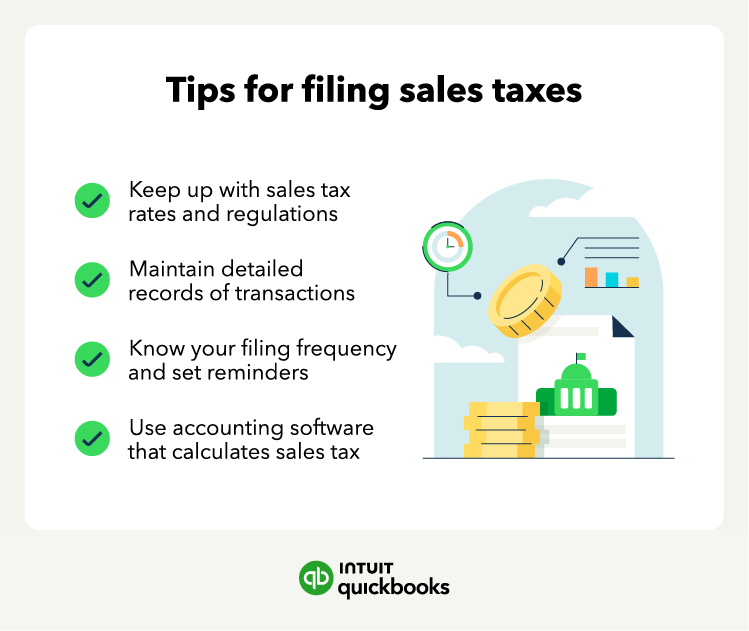
There is no Montana sales tax return, because there is no general Montana sales tax to report. What a Montana business files instead depends on where it is and what it sells:
Resort tax is reported to the community, not the state. The Department of Revenue does not administer the local resort tax. The governing body of the resort community, resort area, or resort area district enacts an administrative ordinance governing collection and reporting. The ordinance specifies:
The ordinance may also allow a business to withhold up to 5% of the resort taxes it collects. That withholding defrays its costs of administering the collection.
Lodging facility sales and use taxes are reported to the Department of Revenue quarterly. A seller of accommodations must obtain a seller's permit before engaging in business. Reports and payments are due on the last day of the month following each calendar quarter. Those dates are April 30, July 31, October 31, and January 31.
A seller who files and pays on time is allowed a 5% vendor allowance against the 4% lodging sales tax. There is no allowance against the 4% lodging facility use tax. Under the Department's rules, returns may be computer-generated and filed electronically. A seller making retail sales at two or more places of business files a separate return for each.
Tip: if your invoicing or point-of-sale system is applying a general sales tax rate to Montana sales, the right rate is zero. And if a rate error slips through, fix the rate first, then correct the affected returns. Undercollect and the difference comes out of your pocket. Overcollect and you owe refunds. Tax you collected as tax is never yours to keep.
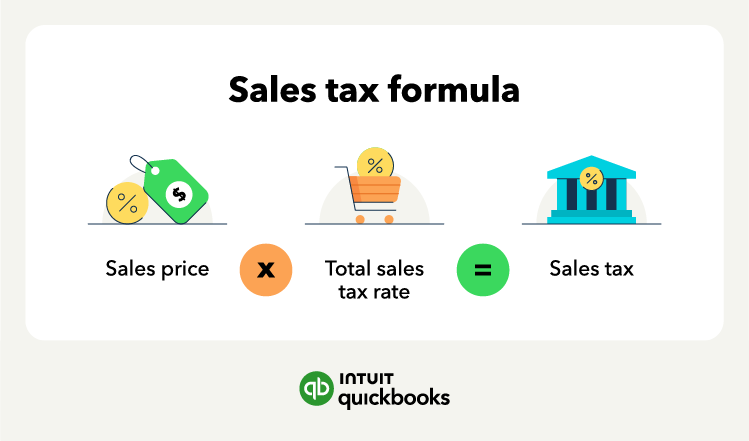
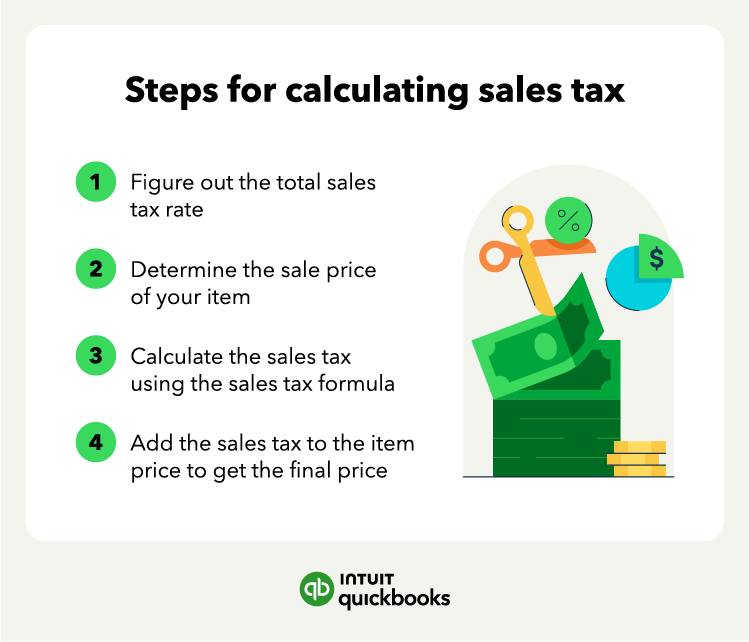
At a typical Montana address, there is nothing to calculate. Montana has no general state or local sales tax, so the pre-tax price is the total. A $1,200 sale in Billings, Missoula, or Great Falls carries $0 in sales tax and totals $1,200. The exception is a sale inside a designated resort community or area by one of the establishments the resort tax covers. At a 3% resort tax, a $1,200 restaurant bill carries $36 of resort tax and totals $1,236. If your invoicing tool is adding a general sales tax rate to a Montana sale, the rate is set wrong.
No general sales tax. Montana has no general state sales or use tax and no general local sales tax. So a retailer selling goods or services in Montana does not collect sales tax from customers at the point of sale. The exception is the local resort tax, generally capped at 3%, or up to 4% with the additional infrastructure levy. Designated resort communities and areas may adopt it. It applies to lodging and camping, restaurants and food service, bars, destination ski resorts and other recreational facilities, and luxuries. Separately, lodging in Montana carries the state's lodging facility sales and use taxes, described above.
No general sales tax. None of them is on the Department of Revenue's list of designated resort communities and areas. And Montana has no general state or local sales tax. So there is no general sales tax at any address in Billings, Missoula, Bozeman, Great Falls, or Helena. The resort tax applies only inside the designated resort communities and areas. Whitefish, Red Lodge, West Yellowstone, and Big Sky are examples. It applies only to the categories of goods and services the law and the local ordinance cover.
No. Montana has no state-level sales tax, so no economic nexus threshold applies for state sales tax purposes. Out-of-state sellers have no state-level sales tax collection obligation in Montana. The lodging facility sales and use taxes work differently. They are imposed on the purchaser or user of the accommodations and collected by the seller. So if you own Montana lodging or a short-term rental, you collect them on bookings made outside a marketplace or hosting platform. That holds even if you are based out of state. Sellers should still evaluate other potential tax obligations where applicable. Those include gross receipts taxes, business license taxes, and excise taxes.
Montana businesses selling into other states face the reverse question. Suppose a Montana business sells online to buyers in a state that requires online retailers to collect sales tax. The Department of Revenue notes that it will need to collect and pay those sales taxes.
No. Montana has no general sales tax, so there is no tax from which a holiday could provide temporary relief. There is no tax-free weekend.
Manage sales tax in QuickBooks with automation that helps you save time and stay compliant.
Save time with automated sales tax
Products are automatically matched to tax categories, so you can charge the right sales tax with less manual work. If you sell into states that charge sales tax, returns are automatically prepared and formatted for each state, and you can automate multi-state filing from one place.
Stay confident and compliant
File with confidence using accurate, automated calculations. Tax rates and rules change, and they are updated automatically in QuickBooks, so what you charge keeps up. Get reminders before filing deadlines so you can plan ahead, and know your return status with real-time updates.
Your data stays protected
Securely send returns to tax agencies and track every filing in QuickBooks.
Manage your books and sales tax in one place
Automatically calculate, collect, and track applicable sales tax from your customers. One report breaks out taxable and non-taxable sales, so you always know what to pay each agency. Prepare, file, and pay directly from QuickBooks.
Explore QuickBooks sales tax software to spend less time on tax and more time running your business.
*Sales tax filing is available as an add-on service through QuickBooks Online for $40 per filing.
You've got the rules that apply in Montana. If you also sell into states that charge sales tax, the harder part is applying their rates correctly on every sale, every quarter. QuickBooks automated sales tax calculates the right combined rate, tracks what you've collected, and shows what you owe when it's time to file.
Call Sales: 1-800-285-4854


