New Mexico sales tax calculator
Know exactly what to charge at any New Mexico address. Find the combined rate, the tax on any amount, and the total. Free for your business, no sign-up.
Know exactly what to charge at any New Mexico address. Find the combined rate, the tax on any amount, and the total. Free for your business, no sign-up.
Done checking rates one sale at a time? QuickBooks applies the right New Mexico rate, state and local included, on every invoice automatically. See how automated sales tax works
New Mexico does not have a traditional sales tax. It imposes a gross receipts tax, or GRT, on the seller's total receipts from selling property or performing services in New Mexico. The legal duty to pay falls on the seller, not the buyer. But sellers typically pass the cost through to customers the way a sales tax would work. That is how this page treats it.
The state portion of the rate is 4.875%. Counties and municipalities add local option increments on top, and the layers are combined into one rate. You collect the combined rate for the location a sale is reported to. You pay it on a single state return, and the state distributes the local portion to the county or municipality.
The average American side hustle brings in about $2,038 a month, according to Intuit QuickBooks entrepreneurship research. At that size, a New Mexico seller is squarely in the system. You charge a combined rate that depends on where each sale is sourced. You file one return, due the 25th of the following month. It carries the state and local portions by location code.
What makes New Mexico different isn't the local layer. It's how much of what small businesses sell is taxable in the first place. Receipts from performing any service in New Mexico are taxable unless a specific exemption or deduction applies. That is the opposite default from a state that taxes only the services it names. Whether you run a gallery in Santa Fe, a hair salon in Roswell, or a landscaping crew in Las Cruces, here's how New Mexico's rate works. You'll also see which of your sales it reaches and what to know at filing time.
New Mexico's gross receipts tax rate is a combination of the rates imposed by the state, the county, and the municipality. The rates that apply are those for the location a sale is reported to. So the combined rate varies from one reporting location to another. There are up to three layers:
The state portion is 4.875%, set by state law and in effect since July 1, 2023. The county and municipal portions are local option increments that vary by reporting location. So the combined rate at any New Mexico address is 4.875% plus whatever the county and the municipality have imposed there.
Whatever the combined rate at a given location, the whole amount is paid to the state on one return. The state keeps its portion and distributes the counties' and municipalities' portions to them. There is no separate local return. Your gross receipts tax return lists each reporting location by location code. The Taxation and Revenue Department's rate schedule and address lookup give you the combined rate for that code.
New Mexico's GRT reaches services far more broadly than most other states. Receipts from performing any service in New Mexico are taxable unless a specific statutory exemption or deduction applies. So the general expectation for any service is taxable, not exempt. The combined rate at the reporting location applies to your receipts from the service, labor included. Taxable services include:
A handful of narrow, named deductions pull specific receipts out of this base. Since July 1, 2022, receipts from selling accounting, architectural, engineering, information technology, or legal services can be deducted when two things are true. First, the buyer is engaged in the business of manufacturing. Second, the services relate to the product being manufactured.
Management or investment advisory fees for a mutual fund, hedge fund, or real estate investment trust are deductible. That holds even though investment counseling and management consulting generally remain taxable. Travel agency receipts are deductible only to the extent they are commissions paid by maritime transportation companies, interstate airlines, railroads, or passenger buses for booking, referral, reservation, or ticket services. Fees for trip planning or package bookings generally remain taxable.
"Exempt" and "deductible" are different words in New Mexico, and the difference is paperwork. An exemption removes a receipt from the tax base entirely. It generally does not need to be separately claimed. A deduction must be claimed against otherwise-taxable gross receipts. It often requires a nontaxable transaction certificate (NTTC) from the buyer. And it generally carries its own reporting requirements.
Several of the rules on this page (food, resale of services, contractor materials) work through deductions, not exemptions. The receipts are still reportable, and they become excludable once the required paperwork is in place. For your customer the outcome is the same either way. A deductible receipt, like an exempt one, carries no tax to the buyer.
Services sold for resale. A service sold for resale can be deducted when three things line up:
This is the mechanism behind an HVAC installation resold by a contractor. The deduction defers the tax to the next point in the chain rather than eliminating it. So confirm that the buyer's resale will in fact be taxed before relying on it. The same reciprocal logic runs through repairs. Repair labor is taxable, and materials sold to a repairer are taxable. Suppose a sale to a contractor or repairer is deductible because an NTTC was provided. Then the repairer's own later sale of the repaired item or service becomes taxable.
What this means for a seller: treat every service as taxable unless you can name the exemption or deduction that covers it. Have the NTTC in hand before you treat a receipt as deductible. The Taxation and Revenue Department's FYI-105 overview lists the exemptions and deductions.
The county and municipal local option gross receipts taxes use the same reporting-location rules as the state tax. The reporting location decides the local jurisdiction the tax is reported to. It also decides the combined rate that applies. For goods, that is where your customer receives the property. That means your location if they take it there, or the delivery address if you ship or deliver. For services, it depends on the kind of service. The next section walks through them. Whatever the location, the state and local portions go on the same return, reported by location code.
New Mexico has been a destination-sourced state since July 1, 2021. Before that date it used origin sourcing. Under NMSA 1978, § 7-1-14 and the Taxation and Revenue Department's reporting-location rules, a sale of goods is reported to the place where your customer receives the property. That is your location if they receive it there, otherwise the location you were instructed to deliver to.
Services are split by type. Most services, including every in-person service, are reported to the place where the product of the service is delivered. For in-person work, that is where you perform it. Professional services are the exception. A professional service is one that requires an advanced degree or a state license to perform and is not an in-person or construction-related service. It is reported to the location where you perform it, even when the client is somewhere else. The county and municipal local option taxes follow the same rules. Find your situation:
If you sell goods in person at your location: the sale is reported to your location, because your customer receives the property there. Charge your location's combined rate. The Department's example: a retail store in Carlsbad sells a couch to a customer inside the store. The customer takes it home to Alamogordo. The location of the sale is Carlsbad, because the buyer received the couch in the store.
If you ship or deliver goods to New Mexico customers: the sale is reported to the location indicated by the delivery instructions, when you know it. You charge that location's combined rate. Without delivery instructions, the rule falls back in order:
The Department adds that you are not "without sufficient information" just because you had the address and failed to keep it. The Department's example: an art gallery in Santa Fe sells a painting to a buyer inside the gallery. The gallery ships it to the buyer's home in Albuquerque. The sale takes Albuquerque's rate, because the buyer receives delivery there.
If you perform a service on your customer, or on your customer's property, in person: New Mexico calls these in-person services. The customer, or the customer's real or tangible property that you are working on, is in the same location as you while you perform the service. The Department's examples of in-person services include barbers and cosmetologists, healthcare workers, physical therapists, and home healthcare.
These services are reported to the location where the product of the service is delivered. For in-person work, that is the place you perform it. That means your salon or shop when the customer comes to you, or the customer's address when you go to them.
The Department's example: a hair salon in Roswell styles a customer's hair inside the salon. The rate is the salon's location, because that is where the product of the service was delivered. Lawn care, janitorial work, pest control, pool cleaning, and on-site repair are generally in-person services performed on the customer's property. So those sales are generally reported to the customer's address. A repair your customer brings to your shop is generally reported to your shop.
If you provide a professional service: accounting, legal, architectural, and engineering services are reported to the location where you perform the service, not to the client's location. So are other services that require an advanced degree or a state license to perform and are not in-person or construction-related. The Department's example: a certified public accountant in Las Cruces performs accounting services for a client in Ruidoso. Because the CPA is licensed by the state, the services are professional services. The reporting location is the CPA's office in Las Cruces. That holds even if the CPA occasionally travels to the client's location to perform some of the work.
Holding an advanced degree is not enough on its own. The degree or license has to be required to perform the service. And "advanced degree" means a master's degree or better. Architectural and engineering services performed as part of a construction project are construction-related services instead. They are reported to the construction site.
If you provide any other service: services that are neither professional nor in-person are reported to the location where the product of the service is delivered to the customer. That includes services performed online. They use the same delivery rules as goods.
The Department's examples: a life coach in Albuquerque coaches a client in Santa Fe over the internet. Neither a degree nor a license is required to perform the service, so it is not a professional service. The location and rate are the client's in Santa Fe, where the product of the service is delivered. A photographer shoots in many locations around New Mexico for a travel magazine in Santa Fe. The photographer reports to Santa Fe, where the photographs are delivered. Services performed over the internet follow the same rules as the same services performed offline. The type of service decides the reporting location.
If you sell through a marketplace like Amazon or Etsy: a marketplace provider with $100,000 or more in the previous calendar year's taxable gross receipts sourced to New Mexico must collect and pay GRT on the sales it facilitates. You may then deduct those same receipts from your own gross receipts. To do so, you need documentation that the marketplace provider is registered and has paid or will pay the tax. Both the marketplace and the seller report those receipts to the customer's location. Your own website checkout, invoices, and in-person sales remain yours to report.
If you're out of state selling into New Mexico: if you have no physical presence in New Mexico, you have economic nexus once you have $100,000 in taxable sales into New Mexico in the previous calendar year. At that point you must register and report. There is no transaction-count test. Marketplace sales are excluded from the threshold for individual sellers. The obligation starts January 1 following the year in which you exceed the threshold.
Below that threshold, the economic nexus rule alone does not make you a New Mexico taxpayer. But physical presence does, at any sales level. The Department's list of what establishes physical nexus includes:
So, for example, an out-of-state installer or service provider who performs services in New Mexico generally has nexus regardless of the $100,000 test. Once you've crossed the threshold, you report under the same reporting-location rules as a seller with a physical presence in the state. Each shipment is reported to its New Mexico delivery location, at that location's combined rate.
Sales with their own reporting rules. Sales, leases, and licenses of real property are reported to the location of the property. Leases of tangible personal property are reported to the property's location of primary use. That location is shown by the address the lessee gives you. Intermittent use elsewhere, such as equipment that travels with employees on service calls, does not change it. Construction services and construction-related services are reported to the construction site.
Transportation of people or property is reported to where the person or property enters the vehicle. The Department's example is an Albuquerque shuttle service that picks up a customer in Rio Rancho and drives to the Albuquerque airport. That sale is reported to Rio Rancho. Franchises are reported to where the franchise is used. Advertising services are reported to where the ad can be seen or heard by its intended audience. When the audience is spread across the state, they are reported to the location the ad was transmitted from. Sales on tribal land covered by a cooperative agreement with the state are reported to the tribal location.
Worked example. You run a gallery in Santa Fe and sell an $800 painting.
Same painting, same week, the same state portion, but a different location code and a different local portion on your return. New Mexico's return reports gross receipts, deductions, and tax by reporting location. So keep the delivery address with every sale.
New Mexico has no standing clothing exemption. It taxes software broadly however it is delivered. One open question, for data storage on out-of-state servers, is noted below. It handles food and prescription drugs through deductions the seller claims rather than point-of-sale exemptions. The categories that matter most to small sellers:
Groceries: handled through a deduction, not a classic exemption. A qualifying retail food store's receipts from selling SNAP-eligible food can be deducted. The seller must claim and substantiate the deduction, with its own reporting form. New Mexico has no "candy and soda are taxable even though food is exempt" rule.
Coffee, tea, cocoa, carbonated and non-carbonated drinks, candy, condiments, and spices matter only for the staple-food stocking or sales thresholds. Those are the thresholds a store must meet to qualify as a retail food store in the first place. Once a store qualifies, its candy and soda sales can ride along in the deduction as ordinary food. Bakery items fall under the "breads and cereals" staple-food category and qualify like other groceries.
Prepared food: generally taxable. Hot foods and hot food products prepared for immediate consumption, food eaten in the store, and restaurant food are excluded from the food deduction. So are alcoholic beverages. The deduction follows the federal SNAP definition of food. So cold prepared foods packaged for home consumption generally count as food when sold by a qualifying retail food store. They ride along in the deduction. The Department's examples of excluded hot food are delicatessen items and in-store snack bar items that are hot at the point of sale.
Clothing: taxable year-round. Clothing, clothing accessories, protective clothing and equipment, sports and recreational equipment, special-order clothing and footwear, and clothing alteration are all taxable under the general rule. The one break is the annual back-to-school tax holiday covered below. Even then, special athletic or protective clothing and footwear stay taxable. So do accessories such as jewelry, handbags, luggage, umbrellas, wallets, and watches.
Software and digital products: taxable. Prewritten (packaged) software is taxable as a sale of tangible personal property or a digital good when three things are true:
Custom software is taxable too, but as a service. Receipts from developing it are receipts from performing a service. Digital products transmitted electronically are taxable so long as the seller has nexus in New Mexico. Receipts from data or information access are taxable when the information is used in New Mexico.
Software as a service has been treated in past Department rulings as a taxable license of an intangible. A separate past ruling found receipts from providing data storage capacity on a server located outside New Mexico not subject to the tax. Treat the exact scope of that out-of-state-server treatment as an open question. Whether it extends beyond storage to SaaS access more broadly needs direct confirmation from the Department before relying on it.
Those rulings are old enough that the Department's own rulings page notes older rulings are archived and not updated. So re-check this area with the Department rather than assuming it is unchanged. Optional and required computer hardware and software maintenance agreements are all taxable.
Charges for internet access are a different matter. New Mexico taxed them under the GRT for years as a state grandfathered under the federal Internet Tax Freedom Act. That grandfather protection ended June 30, 2020. Since July 1, 2020 the federal bar on taxing internet access has applied to New Mexico. The Department lists internet access fees among the receipts New Mexico is preempted from taxing. It does not list them as a deduction you claim. So there is no NTTC or deduction line involved.
Prescription drugs: not taxed, through a deduction the seller claims. The deduction covers insulin and substances that meet three tests:
Medical cannabis products sold in accordance with the Lynn and Erin Compassionate Use Act are deductible under the same provision. Items that may be sold without a prescription do not qualify. So contraceptive devices such as condoms, IUDs, and diaphragms generally do not.
Durable medical equipment gets relief only in narrow circumstances. One is oxygen and oxygen services provided by a licensed Medicare durable medical equipment provider. The other, through June 30, 2030, is sales or rentals of durable medical equipment and medical supplies by a qualifying seller. A qualifying seller participates in New Mexico Medicaid. It also derives at least 90% of its receipts from such equipment and supplies or from infusion therapy services. Mobility enhancing equipment is taxable as ordinary tangible personal property.
Newspapers and magazines: receipts from selling newspapers are deductible, except receipts from selling advertising space. Retail sales of magazines are taxable. Printing services generally are taxable under the general service rule.
Selling a mix of taxable and deductible items is where receipts get messy. Track the two buckets separately from the start.
New Mexico's use tax is the compensating tax, which the Taxation and Revenue Department describes as "sometimes called a 'use tax,' or 'buyer pays.'" It is an excise tax on a person who uses tangible property, services, licenses, or franchises in New Mexico. It applies when those items were acquired in a transaction on which the seller's receipts were not subject to the gross receipts tax. Most often that is because the seller lacked nexus in New Mexico.
Unlike the gross receipts tax, liability for the compensating tax rests with the buyer or user rather than the seller. That liability is discharged if you paid the compensating tax to the seller for payment over to the Department. The tax must be separately stated on the invoice to verify the payment.
It applies to purchases made by mail, over the phone, online, or by any other means. There is no exemption because a purchase happened online. Suppose a purchase would have been exempt or deductible from the gross receipts tax had it happened in New Mexico. Then it is generally not subject to compensating tax either.
The tax does reach property you bought tax-free and then put to a taxable use. The Department's example is inventory bought for resale on a nontaxable transaction certificate. The buyer later used it in its own business instead of reselling it. The value is measured when the property is converted to taxable use. The tax is reported to the location where you use it.
The rate matches the gross receipts tax. The compensating tax is imposed at a rate generally determined by the location where the property, service, license, or franchise is used. It is the same as the gross receipts tax rate for that location. That means a state rate of 4.875%, plus any local option compensating tax imposed at that reporting location.
So there is a local use tax layer in New Mexico. The local option rates imposed by county and municipal governments apply to the compensating tax as well as the gross receipts tax.
The value you report goes to the reporting location where the gross receipts would have been reported had the sale been taxed. It goes to the location of first use instead if you can show that first use happened at a different time and place than the purchase.
For a business, this shows up when you order equipment, supplies, or software from a vendor that didn't charge New Mexico tax. The Department's own example: a New Mexico pizza parlor buys pizza ovens from a Michigan supplier that has no nexus with New Mexico. When the ovens enter New Mexico for use in the pizza parlor, compensating tax is due on their value. It is also due on any freight, delivery, and handling charges on the seller's bill.
Say the ovens and freight come to $3,000 and the invoice shows no New Mexico tax. The state portion of the compensating tax is $146.25, plus the local option compensating tax for your reporting location. If you paid another state's sales, compensating, or similar tax on the purchase, New Mexico generally credits that tax against the compensating tax you owe (NMSA 1978, § 7-9-79, with a parallel credit in § 7-9-79.1 for services). The credit runs up to the amount of New Mexico compensating tax due on the item. So you pay only any difference.
How you report it. Compensating tax goes on its own return, Form TRD-41412, Compensating Tax Return. You can file it through the Taxpayer Access Point (TAP) or on paper. It is due on or before the 25th of the month following the end of the reporting period in which the taxable transaction occurs. The Department says the return only needs to be filed for periods when you have compensating tax due. Businesses and individuals both owe it. The Department is authorized to enforce it against both.
New Mexico holds one annual back-to-school gross receipts tax holiday. It runs from 12:01 a.m. on the last Friday in July through midnight the following Sunday. So it is not always the first weekend of August. The dates shift from year to year with where the last Friday in July falls. In 2026 the holiday runs July 31 through August 2.
During the holiday, these items are deductible:
Special athletic or protective clothing and footwear are excluded from the holiday and remain taxable. So are accessories such as jewelry, handbags, luggage, umbrellas, wallets, and watches.
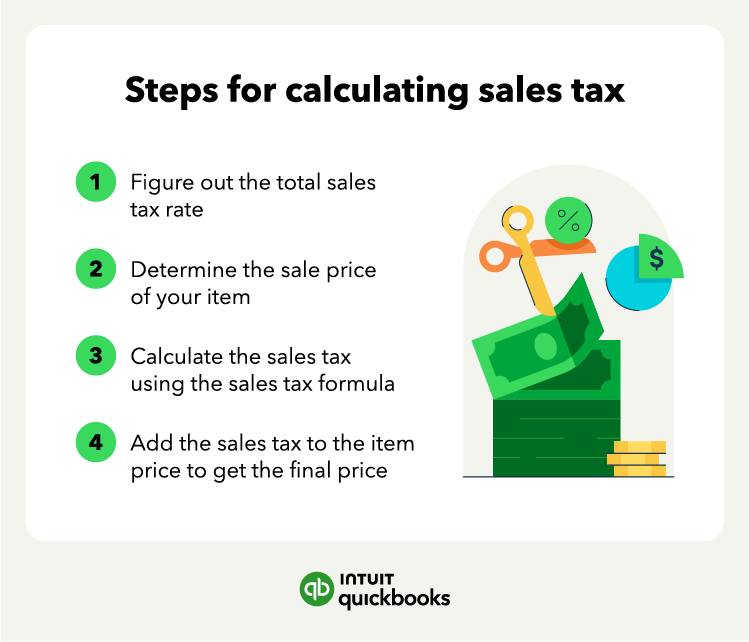
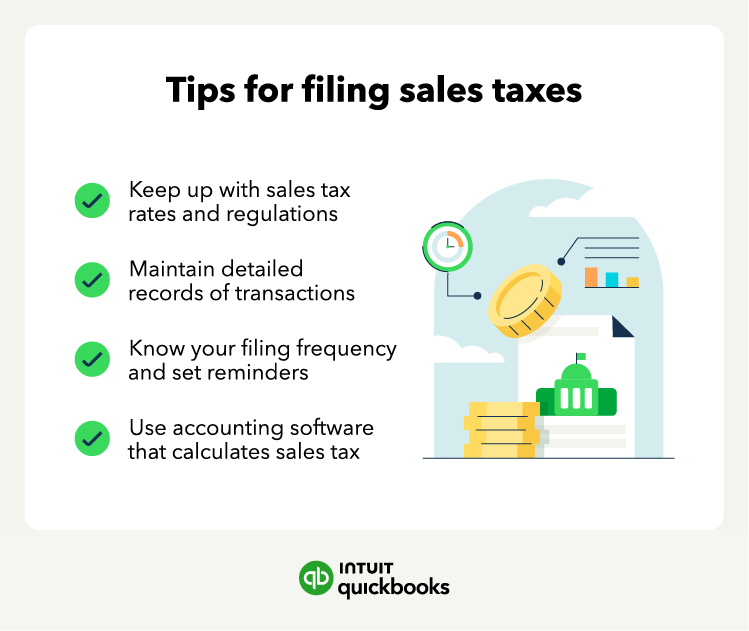
New Mexico's filing system has a few features worth knowing before your first return is due:
Returns are due the 25th of the following month. Gross receipts tax is paid on or before the 25th day of the month following the end of your reporting period. If the 25th falls on a Saturday, Sunday, or legal holiday, the return and payment are due the next business day. July's return is due August 25.
Monthly is the default; smaller filers can apply for quarterly or semiannual. A monthly filing period is assigned when you register unless you qualify for and request a quarterly or semiannual period. The statute lets the Department allow taxpayers with an anticipated tax liability of less than $500 a month to report at longer intervals. The Department's guidance says that if your combined total tax due averages $500 a month or less, you may apply (Form ACD-31015) to file quarterly or semiannually.
Keep filing monthly until you are approved. Approval takes effect at the beginning of the next quarterly or semiannual period. If your liability later exceeds the $500-a-month average over any 12-month period, you must convert back to monthly. Quarterly periods are the calendar quarters. Semiannual periods are January through June and July through December.
File online, and you may be required to. The Department recommends filing and paying through the Taxpayer Access Point (TAP). If your combined tax liability for gross receipts, compensating, withholding, and related taxes averaged $1,000 or more per month for the previous calendar year, you need to file electronically. If it averaged $25,000 or more per month, your payment must be in usable funds by the due date.
One return, by location code. The state gross receipts tax and the county and municipal local option taxes are reported and paid together on Form TRD-41413. The form has a line for each reporting location. Each line carries the location code, gross receipts, deductions, taxable gross receipts, the rate in effect at that location, and the tax due. The Department publishes the rate schedule and an address lookup for location codes. A seller who properly relies on the Department's location-rate database is not liable for additional tax caused by using an incorrect rate.
Since July 1, 2025, rates change only on July 1, apart from special situations such as a declared emergency. The Department issues a new rate schedule each year without sending separate notices of rate changes. So check the schedule for your reporting locations every July.
File every return, including zero returns. Returns must be filed whether or not any tax is due. If no tax is due, file a "zero" report. A taxpayer with an active New Mexico Business Tax Identification Number must file for each reporting period whether or not it has any receipts. A return filed late carries a minimum penalty even when the liability is zero.
Fixing a return. If you find that a return you filed was incorrect, file an amended return. If you underpaid, pay the difference. The Department's guidance says a return you amend voluntarily within 12 months of the original filing, with the additional tax paid, is not subject to penalty. Interest is due, though.
Tip: if a rate error slips through, fix the rate first, then correct the affected returns. Undercollect and the difference comes out of your pocket. Overcollect and you owe refunds. Tax you collected as tax is never yours to keep.
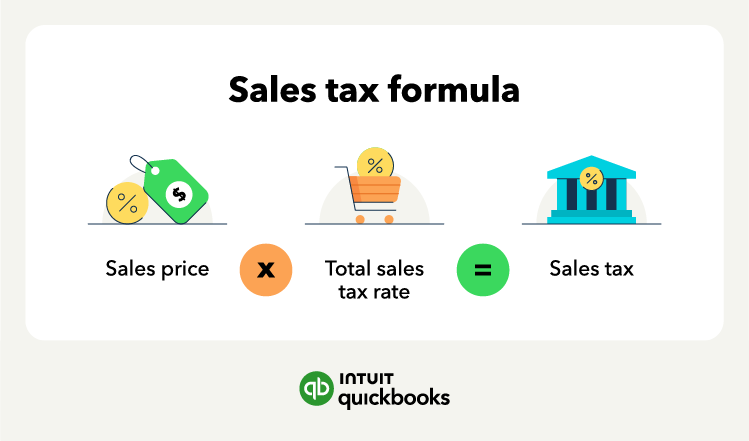
Multiply the pre-tax price by the combined gross receipts tax rate for the sale's reporting location. That is the 4.875% state rate plus the county and municipal local option rates for that location code. On a $1,200 sale, the state portion alone is $58.50, for a $1,258.50 total before the local option portion. At your reporting location, use the combined rate in place of 4.875%.
Strictly, no. New Mexico imposes a gross receipts tax, or GRT, on the seller's total receipts from selling property or performing services in New Mexico. The legal duty to pay falls on the seller, not the buyer. But sellers typically pass the cost through to customers the way a sales tax would work.
The state and local option portions are combined into one rate that you collect and pay on a single return. The state distributes the local portion to the county or municipality.
Generally, yes. Receipts from performing any service in New Mexico are taxable unless a specific statutory exemption or deduction applies. So the default for any service is taxable. That reaches lawn care, cleaning, barbering and beauty services, pet grooming, photography, repair labor, and professional work such as accounting, legal, and management consulting.
The exceptions are narrow and named. Accounting, architectural, engineering, information technology, and legal services sold to a manufacturer for the product it manufactures can be deducted. A service sold for resale can be deducted when the buyer gives you a nontaxable transaction certificate and the resale is itself subject to GRT.
Groceries sold by a qualifying retail food store generally carry no tax to the shopper. But the relief is a deduction the store claims and substantiates, not a point-of-sale exemption. The store's receipts from selling SNAP-eligible food are deductible. Candy and soda ride along as ordinary food once the store qualifies.
Hot food prepared for immediate consumption, food eaten in the store, restaurant food, and alcoholic beverages are excluded from the deduction and stay fully taxable. Cold prepared foods packaged for home consumption generally follow the grocery rule.
The last Friday in July through the following Sunday, every year. In 2026 that is July 31 through August 2. Don't assume an August date. The weekend shifts with the calendar.
Clothing and footwear under $100 per item, computers at $1,000 or less, related hardware at $500 or less, school supplies under $30 per unit, book bags and backpacks under $100, and handheld calculators under $200 are deductible for those three days. Athletic and protective clothing and accessories are not.
Manage sales tax in QuickBooks with automation that helps you save time and stay compliant.
Save time with automated sales tax
Products are automatically matched to tax categories, so you can charge the right sales tax with less manual work. Returns are automatically prepared and formatted for your state, and if you sell into other states, you can automate multi-state filing from one place.
Stay confident and compliant
File with confidence using accurate, automated calculations. Tax rates and rules change, and they are updated automatically in QuickBooks, so what you charge keeps up. Get reminders before filing deadlines so you can plan ahead, and know your return status with real-time updates.
Your data stays protected
Securely send returns to tax agencies and track every filing in QuickBooks.
Manage your books and sales tax in one place
Automatically calculate, collect, and track applicable sales tax from your customers. One report breaks out taxable and non-taxable sales, so you always know what to pay each agency. Prepare, file, and pay directly from QuickBooks.
Explore QuickBooks sales tax software to spend less time on tax and more time running your business.
*Sales tax filing is available as an add-on service through QuickBooks Online for $40 per filing.
You've got the rates and the rules that apply in New Mexico. The harder part is applying them correctly on every sale, every quarter. QuickBooks automated sales tax calculates the right combined rate, tracks what you've collected, and shows what you owe when it's time to file.
Call Sales: 1-800-285-4854


