South Dakota sales tax calculator
Know exactly what to charge at any South Dakota address. Find the combined rate, the tax on any amount, and the total. Free for your business, no sign-up.
Know exactly what to charge at any South Dakota address. Find the combined rate, the tax on any amount, and the total. Free for your business, no sign-up.
Done checking rates one sale at a time? QuickBooks applies the right South Dakota rate, state and municipal included, on every invoice automatically. See how automated sales tax works
South Dakota's sales tax has two layers. The first is a 4.2% state rate set in statute. The second is a municipal rate inside the cities that impose one. The South Dakota Department of Revenue administers the municipal tax on the same combined return as the state tax. No city administers its own.
A majority of aspiring business owners (57%) say they would launch even if economic conditions aren't ideal, according to Intuit QuickBooks entrepreneurship research. A new South Dakota seller is in the system from the first sale. You need a sales tax license. You charge a rate that depends on where each sale is sourced. One state return carries the municipal tax on it.
What makes South Dakota different isn't the rate. It's the base. South Dakota taxes services by default. The tax applies to any service rendered in the state unless the law specifically exempts it. The list of taxable services runs from lawn care to legal work. Whether you keep books in Sioux Falls, mow lawns in Rapid City, or ship orders from Aberdeen, here's how South Dakota's rate works. You'll also see which of your sales it reaches and what to know at filing time.
South Dakota's state sales tax rate is 4.2%. It applies to retail sales of goods. It also applies to services rendered in the state, unless a specific exemption applies. The same 4.2% applies to services as to goods. Inside a city that has imposed a municipal sales tax, that city's rate is added on top. The two are reported together on one return. There are two layers:
Outside any city that imposes a municipal sales tax, the rate is the 4.2% state rate alone. Inside one, it is 4.2% plus that city's rate. The 4.2% rate took effect July 1, 2023. The statute's text effective July 1, 2027 returns it to 4.5% unless the Legislature acts before then. A 2026 law (SDCL ch. 10-52B) also lets a county impose its own sales tax for property tax relief. Such a tax conforms to the state tax and is administered by the Department on the same return. The Department says the earliest a county tax can take effect is January 2027. From then on, check the Rate Lookup for a county layer as well.
There is no separate municipal permit. A retailer holding a South Dakota sales tax license is registered for the municipal tax as well. The retailer reports it on the same state return. The Department of Revenue's Sales Tax Rate Lookup returns the state and municipal rate for any South Dakota address.
Two other taxes sit beside the sales tax rather than inside it. Prime contractors on construction and realty-improvement projects pay South Dakota's separate contractor's excise tax on those receipts instead of sales tax. A separate tourism tax applies on top of the general sales tax to:
Both are covered below.
Some cities also impose a 1% municipal gross receipts tax, on top of the sales tax. It applies to lodging for stays of less than 28 consecutive days, alcoholic beverages, eating establishments, and admissions to amusement, athletic, and cultural events (SDCL § 10-52A-2).
South Dakota imposes its sales tax on the gross receipts from any service rendered in the state unless that service is specifically exempted. The working rule for a South Dakota seller: generally assume a service is taxable unless a specific exemption applies to it. South Dakota's services tax reaches most categories that many other states leave untaxed. Taxable services include:
Repair labor charges are taxable. So are the parts and service you bill for the finished repair. The parts and materials you bought that become part of the repaired item are generally exempt to you as purchases for resale, made with an exemption certificate. That is because you charge tax on the whole repair bill. Equipment and shop supplies you use or consume and do not hand over to the customer are taxable to you when you buy them. If you bought them untaxed, they carry use tax.
Services that are not taxable, because South Dakota has specifically exempted them, include:
The statute's exempt list also includes:
Check SDCL § 10-45-12.1 before you assume a service is taxable. The lines cut in specific places. Travel agency services are not taxable. But a retailer that provides reservation services to a travel agency is taxable on those services. Advertising is exempt only when the agency both prepares the advertisement and places it directly with the media. If the agency prepares the ad but hands it to the client rather than placing it, the charge is taxable. Credit and collection services are taxable unless the debt was incurred outside South Dakota and the client does not live in the state.
The construction line. Construction and realty-improvement work is not a sales tax transaction. Prime contractors pay South Dakota's separate contractor's excise tax on those gross receipts. That includes repair or remodeling of existing real property and the installation or repair of a fixture to real property. The Department's own example draws the line at a furnace. Cleaning it and replacing the filter is a sales-taxable service. Replacing the furnace motor is subject to contractor's excise tax. Under the regular sales and use tax, machinery and materials sold to contractors are taxable. Tree care and trimming is a taxable service when it is performed apart from a realty-improvement contract.
The municipal sales tax applies when your customer purchases or receives the product or service inside a city that imposes it. It uses the same sourcing rules as the state tax. For goods, that is where the customer takes possession: your counter if they pick up in person, the delivery address if you ship. For services, it is generally where your customer first uses the result. For repair-type work, that is where the repaired item is delivered back to the customer. If you hold a South Dakota sales tax license, you are registered for the municipal tax too. It goes on your state return.
South Dakota is a destination-sourced state. Under SDCL § 10-45-108 and the Department of Revenue's sourcing rules, a sale is sourced to the location where your customer receives what they bought. For goods, that is where they take possession. For services, it is generally where they first use the result. Your own location matters when the customer receives the goods or the service there. Where you shipped from is only the fallback the rules use when no other address is available. The municipal tax follows the same rule. It applies when the sale is sourced to a city that imposes it, and any retailer holding a state license collects it. Find your situation:
If you sell goods in person at your location: the sale is sourced to the business location where your customer takes possession. Charge that location's combined rate. That is the 4.2% state rate, plus the municipal rate if your location is inside a city that imposes one.
If you ship or deliver goods to South Dakota customers: the sale is sourced to where the goods are delivered. That holds whether your own truck or a transportation company delivers them, and regardless of where you shipped from. Charge the delivery address's combined rate. A delivery to an address outside any city that imposes a municipal tax carries the 4.2% state rate only, even if your shop is inside one. A delivery into a city that imposes the tax carries that city's rate too, even if your shop is outside it. If you deliver but the delivery address is unknown, the Department sources the sale to the customer's address. Goods delivered to a location outside South Dakota are not subject to South Dakota sales tax.
If you repair, alter, clean, or otherwise work on a customer's property: services performed on products are taxed where the product is delivered back to the customer, not where you did the work. If the customer picks the item up at your shop, that is your shop's rate. If you deliver or ship it back, that is their address's rate.
If you perform a service at the customer's location: the Department's guidance for lawn, garden, and tree services, including snow removal, is that state tax plus any municipal tax applies where the service is performed. So the sale is sourced to the customer's address. Janitorial work, pest control, and other services you perform on site generally follow the same rule.
If you provide personal care services: haircuts, massage, tanning, tattooing, and any other service performed on the physical human body are sourced to where you perform the service. That is where the customer receives it: your salon, or the customer's home if you travel to them. The Department's own example: a massage therapist who travels to a client's South Dakota residence to perform the massage sources the sale to that residence.
If you deliver a service remotely, by mail, phone, or email: bookkeeping, payroll, tax preparation, consulting, and similar services are sourced to where your client first uses the result. The Department says that is generally where the client receives the report or results. For accountants, the Department's rule is explicit. If the client receives the service at your office, charge your office's rate. Otherwise, charge the rate at the client's address. Its example: an accountant in Pierre takes a call from a Sioux Falls client. The accountant explains the tax consequences of a land sale and mails the client a letter. The service is received at the client's location in Sioux Falls, so the accountant owes state tax plus Sioux Falls municipal tax. Other remote services generally follow the same first-use rule.
If you are an attorney: the Department sources legal services to the attorney's office. If your office is in South Dakota, sales tax is due based on your office location.
If you sell through a marketplace like Amazon or Etsy: a marketplace provider must collect South Dakota sales tax on the sales it facilitates for you once its gross revenue from sales into the state reaches $100,000 in the current or preceding calendar year. That obligation has been in effect since March 1, 2019. Sales you make outside the marketplace, through your own website, invoices, or in person, are not covered by the marketplace's collection. They remain yours to collect and report.
If you're out of state selling into South Dakota: you must collect once you have $100,000 in gross revenue from sales into South Dakota in the previous or current calendar year. There is no transaction-count test. South Dakota removed its 200-transaction threshold effective July 1, 2023, so only dollars matter. Marketplace sales count toward your threshold even though the marketplace collects on them. Collection begins the first full month that begins at least 30 days after you meet the threshold. If you have no physical presence in South Dakota, you aren't required to collect South Dakota tax until you've met it. A business with a physical presence in the state must be licensed and collect regardless of the threshold. Once you have met the threshold, you follow the same rules as a seller located in the state. Each sale is sourced to where your South Dakota customer receives it. You collect the 4.2% state rate plus that address's municipal tax, reported on one return.
Sales with their own sourcing rules. Leases and rentals with recurring payments follow a modified rule. The first payment is sourced like a sale. Later payments are sourced to the address where the property is kept. The Department puts it plainly: a lease or rental is taxed where the customer receives the product. If the product is moved to another location, tax on future payments applies at that location. Telecommunications services and direct mail have their own rules. Watercraft, modular, manufactured, and mobile homes, and retail sales (other than leases or rentals) of motor vehicles, trailers, semitrailers, and aircraft that don't qualify as transportation equipment are outside these rules entirely.
Worked example. You build furniture in Sioux Falls and sell a $900 table.
Same table, same week, a different line on your return. South Dakota's return reports municipal tax by city code, so keep the delivery address with every sale.
The categories that matter most to small sellers:
Groceries: taxable. South Dakota has no grocery exemption. All of these are taxable at the general sales tax rate, the same as any other retail sale:
The one carve-out is at the register: purchases made with SNAP or WIC benefits are exempt at the point of sale.
Clothing: taxable year-round. South Dakota has no clothing exemption and no sales tax holiday. All of these are taxable:
Software and digital products: taxable. Custom, downloaded, and prewritten software are all taxed the same way. They are taxed as products transferred electronically or as ordinary tangible personal property. Computer hardware is taxable. Digital products downloaded or transmitted over the internet are taxable if the same product would be taxable in tangible form.
Software as a Service, Platform as a Service, and Infrastructure as a Service are taxable. South Dakota has no statute or rule defining these cloud models by name. The Department of Revenue treats fees for access to software, databases, or networks as taxable. That holds regardless of how the arrangement is described. Computer hardware and software maintenance agreements, optional or required, are taxable. That includes a mandatory maintenance contract on custom software. Internet access service has been exempt since July 1, 2020.
Prescription drugs and medical items: drugs are exempt when prescribed and dispensed or administered by a physician, chiropractor, optometrist, dentist, podiatrist, or audiologist. A drug sold without a prescription is taxable. Birth control is exempt only when sold with a prescription. Over-the-counter contraceptives sold without one are taxable. Durable medical equipment and mobility-enhancing equipment are exempt when prescribed by one of those same practitioners. There is no Medicare or Medicaid payment condition. Home health care and other medical services are not taxable.
Leases, rentals, and lodging: taxable. Leases and rentals of tangible personal property are taxable. Lodging is taxable, with the separate tourism tax on top.
Business inputs: materials that become a component part of a product you manufacture for retail sale are exempt when you provide an exemption certificate. Containers, labels, packaging, and wrapping materials are exempt. That includes packing material used or consumed by a manufacturer. It also includes packing material a retailer uses that becomes part of the product's packaging. Confirm the current treatment of any narrower category before assuming a blanket exemption covers every packaging-related purchase.
Machinery, tools, and equipment sold to a manufacturer are taxable. South Dakota has no general manufacturing machinery exemption. Parts and materials sold to a repairer that become part of the repaired item are generally exempt as sales for resale. That is because the repairer bills tax on the whole repair. Equipment and supplies the repairer uses or consumes are taxable to the repairer.
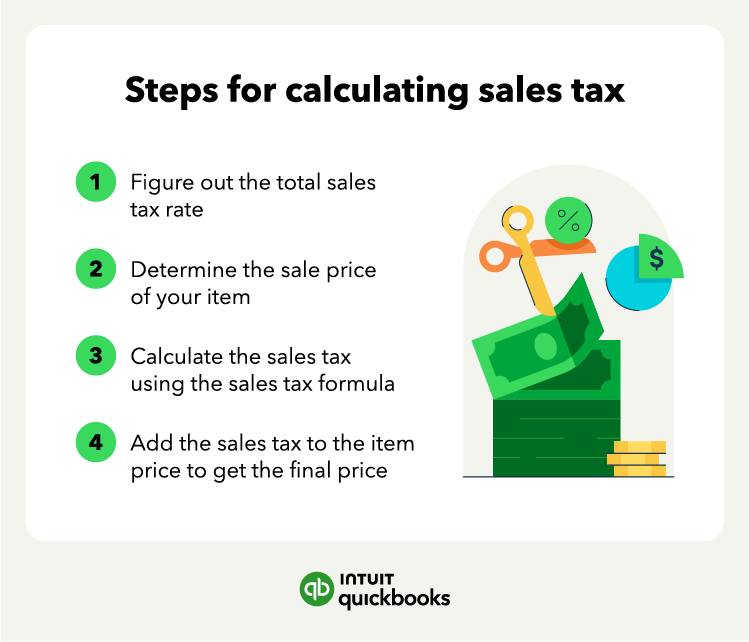
Track exempt sales separately from the start.
Use tax is the counterpart of the sales tax. The two taxes apply to the same products and services, at the same rates. The difference is in how they are applied. Use tax is due when state and applicable municipal sales tax was not paid on a product or service that is used, stored, or consumed in South Dakota. That happens most often when:
The use tax rate is the same as the sales tax rate. At the state level, that is 4.2% of the purchase price, including freight and handling charges. It is due in the filing period in which you receive the product or service. The rate is based on the location where you use it.
Say you buy a $3,000 commercial espresso machine online for your coffee shop. The invoice shows no South Dakota tax. You owe $126 in state use tax. You also owe municipal use tax at the rate of the city where you use the machine, if that city imposes one.
There is a municipal use tax. Municipal use tax applies to products and services on which the applicable sales tax was not collected, when they are used inside a city that imposes a tax. The rate is that of the place where the product or service is used. If you already paid municipal tax somewhere else, additional municipal use tax may be due when the item is used in a city with a higher rate.
Credit for tax paid elsewhere. If an out-of-state seller legally charged its own state's sales tax, you generally receive credit for it when you bring the product or service into South Dakota. If that tax was the same as or more than South Dakota's, no South Dakota use tax is owed. If it was less, you owe the difference. The state and applicable municipal taxes are added together to decide whether anything more is due.
How you report it. If you hold a South Dakota tax license, you report use tax on your regular sales tax return. The return is a combined sales and use tax report. Purchases for your own use are reported at cost as a use tax item. If you don't hold a license, the Department takes a one-time use tax payment online or on its Use Tax Form. The Department expects businesses to review their purchases to confirm the vendor charged the proper tax. Use tax that isn't reported on time carries the tax plus penalty and interest.
Contractor's excise tax. Prime contracting is taxed under South Dakota's separate contractor's excise tax rather than the general sales tax. The excise tax applies to the gross receipts of prime contractors on construction and realty-improvement projects. Certain utility contractors have their own alternative excise tax option. The sales tax still reaches a contractor's purchases. Under the regular sales and use tax, sales of both machinery and materials to contractors are taxable. The line between the two taxes decides how a lawn or tree job is taxed, too. Tree care and trimming is a taxable service when performed apart from a realty-improvement contract.
Tourism tax. Lodging is taxable. A separate tourism tax applies on top of the general sales tax to:
If you rent rooms or cabins, run a campground, or sell tickets, your receipts carry more than the general sales tax.
Returns are monthly unless the Department puts you on another schedule. By statute, a licensed seller files a return and pays the tax by the 20th of the month following each monthly period. The Secretary of Revenue may require or allow filing on a basis other than monthly. The Department's rule requires monthly filing once your monthly tax is more than $83.33. A monthly filer stays on monthly filing for at least two years.
Electronic payments are due five days after electronic returns. File on paper and both the return and the payment are due by the 20th of the month. File electronically through the Department's EPath system and the return is due the 20th. But the payment is due the 25th. If a due date falls on a Saturday, Sunday, or legal holiday, the next business day is the due date. Electronic filing is optional for sales and use tax filers.
One return, with the municipal tax broken out by city. State and municipal tax go on the same return. Municipal taxes are reported in the City and Special Jurisdiction section using the code designated for each city and tax. Each tax must be reported separately under its own code. There is no separate municipal permit. Your state license covers it. Keeping the delivery address with each sale turns that section into a sort, not a research project.
File every return, including zero returns. You must file a return for each reporting period even if you did no business and received no income. A late return is subject to a minimum $10 penalty even when no tax is due.
You can amend once through EPath. If you have an EPath account, you may amend a return one time through EPath. Otherwise, call the Department. South Dakota's rule on overcollection is explicit. If more tax is collected than is due, the additional tax must be remitted to the Department or refunded to the customer.
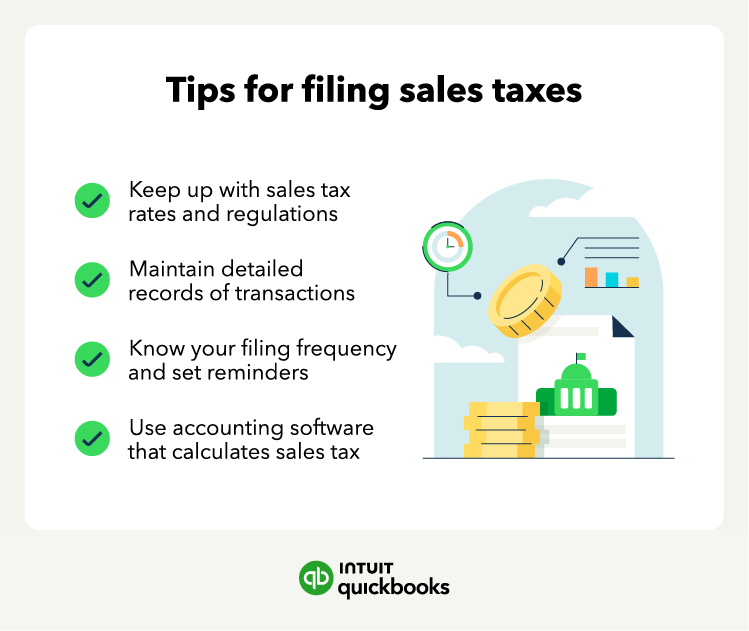
Tip: if a rate error slips through, fix the rate first, then correct the affected returns. Undercollect and the difference comes out of your pocket. Overcollect and you owe refunds. Tax you collected as tax is never yours to keep.
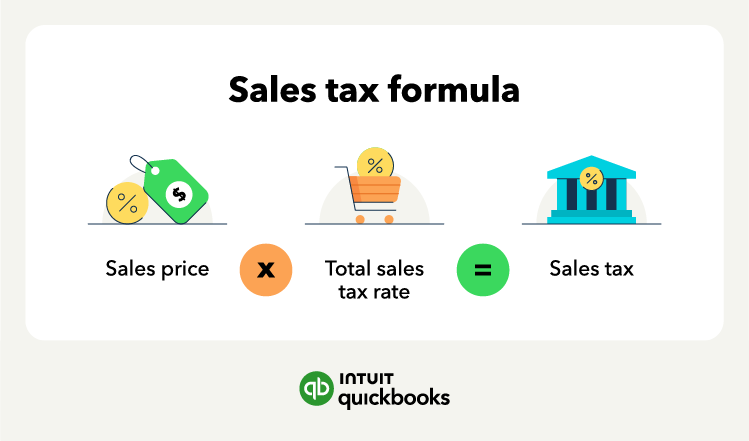
Multiply the pre-tax price by your combined rate. That is the 4.2% state rate plus, inside a city that imposes one, that city's municipal rate. On a $1,200 sale delivered to an address outside any city that imposes a municipal tax, the rate is 4.2%. That's $50.40 in tax and a $1,250.40 total. Inside a city, add its municipal rate to 4.2% before you multiply.
Generally, yes. South Dakota taxes the gross receipts from any service rendered in the state unless the service is specifically exempted. So assume a service is taxable unless a specific exemption applies to it. Accounting, bookkeeping, legal services, management consulting, lawn care, janitorial work, repair labor, barbering and beauty services, and pet grooming are all taxable. Home health care and other medical services are not. The statute exempts a short list of others, including agricultural, trucking, educational, and social services. Construction and realty-improvement work falls under the separate contractor's excise tax instead.
Yes. South Dakota has no grocery exemption. Food and groceries, candy, carbonated and non-carbonated beverages, bakery items, prepared food, and vitamins and supplements are taxable at the general sales tax rate. That is the same as any other retail sale. Purchases made with SNAP or WIC benefits are exempt at the point of sale.
No. South Dakota does not hold a sales tax holiday. It has no clothing exemption, so clothing and footwear are taxable year-round.
If you have no physical presence in South Dakota, yes, once you have $100,000 in gross revenue from sales into South Dakota in the previous or current calendar year. A business with a physical presence in the state must be licensed and collect regardless of that threshold. There is no transaction-count test. The 200-transaction threshold was removed effective July 1, 2023. Collection begins the first full month that begins at least 30 days after you meet the threshold. From then on you follow the same rules as a seller located in the state. Each sale is sourced to where your South Dakota customer receives it, state and municipal tax included, on one return. If you sell through a marketplace provider that collects for you, those sales still count toward your threshold.
Manage sales tax in QuickBooks with automation that helps you save time and stay compliant.
Save time with automated sales tax
Products are automatically matched to tax categories, so you can charge the right sales tax with less manual work. South Dakota returns are automatically prepared and formatted for the DOR, with municipal and MGRT lines kept separate, and if you sell into other states, you can automate multi-state filing from one place.
Stay confident and compliant
File with confidence using accurate, automated calculations. South Dakota's state rate is scheduled to change in 2027, and tax rates and rules are updated automatically in QuickBooks, so what you charge keeps up. Get reminders before DOR deadlines so you can plan ahead, and know your return status with real-time updates.
Your data stays protected
Securely send returns to tax agencies and track every filing in QuickBooks.
Manage your books and sales tax in one place
Automatically calculate, collect, and track applicable sales tax from your customers. One report breaks out taxable and non-taxable sales, so you always know what to pay each agency. Prepare, file, and pay directly from QuickBooks.
Explore QuickBooks sales tax software to spend less time on tax and more time running your business.
*Sales tax filing is available as an add-on service through QuickBooks Online for $40 per filing.
You've got the rates and the rules that apply in South Dakota. The harder part is applying them correctly on every sale, every quarter. QuickBooks automated sales tax calculates the right combined rate, tracks what you've collected, and shows what you owe when it's time to file.
Call Sales: 1-800-285-4854


