Tennessee sales tax calculator
Know exactly what to charge at any Tennessee address. Find the combined rate, the tax on any amount, and the total. Free for your business, no sign-up.
Know exactly what to charge at any Tennessee address. Find the combined rate, the tax on any amount, and the total. Free for your business, no sign-up.
Done checking rates one sale at a time? QuickBooks applies the right Tennessee rate, state and local included, on every invoice automatically. See how automated sales tax works
Tennessee's sales tax is built in layers. The state rate is 7% on goods and on a specific list of named services. Counties and cities add a local option tax on top. All of it is collected by the Department of Revenue on one return.
The average American side hustle brings in about $2,038 a month, according to Intuit QuickBooks entrepreneurship research. At that size, a Tennessee seller is squarely in the system. You register with the Department of Revenue. You charge a combined rate set by your own business location for sales made within the state. You file one return on TNTAP that carries state and local tax together.
What makes Tennessee different isn't the layering. It's what the tax reaches and where it stops. Groceries are taxed, at a reduced 4% state rate rather than exempt. Software of every kind is taxable, custom software included. The local tax on a single item generally applies only to the first $1,600 of its price. The portion from $1,600.01 to $3,200 carries a separate 2.75% state single-article tax. Whether you run a boutique in Nashville, repair equipment in Memphis, or build software in Chattanooga, here's how Tennessee's rate works. You'll also see which of your sales it reaches and what to know at filing time.
Tennessee's combined rate is the 7% state sales tax plus the local option sales tax of the county or city the sale is sourced to. For a sale made from a Tennessee business location to a Tennessee customer, that is generally the seller's own location. The layers:
Local and state tax travel together. The Department of Revenue administers them on one return, and a seller never registers separately with a county or city for sales tax. Food and food ingredients carry a reduced 4% state rate instead of the 7%, plus the local tax. What counts as food is covered in the exemptions section. The local layer also comes with Tennessee's signature rule, covered next. It generally applies only to the first $1,600 of the price of a single item.
Tennessee's signature rule is the single-article limitation. In most local jurisdictions, the local option tax applies only to the first $1,600 of the price of a single article of tangible personal property. The portion of the price from $1,600.01 to $3,200 then carries a separate 2.75% state single-article tax. Above $3,200, no single-article tax applies. The general 7% state sales tax applies to the full price. A single article is one item that is commonly understood to be a separate unit, apart from accessories or extra parts.
Three bases, one receipt. On a single article priced at $2,000, only the first $1,600 carries the local tax. The 2.75% state single-article tax reaches the $400 from $1,600.01 to $2,000 ($11). The 7% general state tax reaches all $2,000 ($140). On a $5,000 article, the local tax still stops at $1,600. The state single-article tax covers the $1,600 from $1,600.01 to $3,200 ($44, the maximum it can reach). Nothing above $3,200 carries either single-article layer. The general state tax on the full $5,000 is $350.
The Department's own example puts the three together: a $2,800 portable generator sold in Nashville, where the local rate is 2.25%. It carries $196 in general state tax (7% of $2,800). It carries $33 in state single-article tax (2.75% of the $1,200 from $1,600.01 to $2,800). It carries $36 in local tax (2.25% of the first $1,600). That's $265 in all.
What the cap covers. The single-article treatment applies to tangible personal property, including prewritten computer software. It does not apply to taxable services, amusements, custom software, or warranty contracts. Those carry the local tax on their full price, with no cap. Leases follow the same logic. On a lease of a qualifying single article, only the first $1,600 in lease payments is subject to the local tax. The payments from $1,600.01 to $3,200 carry the state single-article tax.
What this means at the register. The local tax on a $1,600 item and on a $16,000 item is the same dollar amount. What changes above $1,600 is the state side. For a single item priced over $1,600, figure the tiered breakdown using the Department of Revenue's guidelines. On your return, the portion of single-article sales above the local cap is subtracted on Schedule B before the local tax is computed. The state single-article tax is figured on Schedule C.
Tennessee is an origin-sourced state for sales made within Tennessee. Destination rules apply to sales that come into the state from outside it.
The origin rule comes from Tenn. Code Ann. § 67-6-903, added by the Tennessee Works Tax Act effective July 1, 2024. Under it, a sale made from a place of business in Tennessee and delivered to a customer in Tennessee is sourced to the place of business the sale was made from. That holds whether the sale is over the counter, by your own delivery, or through a carrier or the postal service to a Tennessee address. Where the customer may take or use the product does not change that.
A sale made from a Tennessee place of business and delivered to a customer outside Tennessee is not sourced to Tennessee at all. Sales from out of state into Tennessee follow § 67-6-902 instead. They are sourced to the location where the customer receives the product. For shipped goods, that is the delivery address. These rules apply whether the product is tangible personal property, a digital good, or a service. In general, the local tax is sourced under the same guidelines as the state tax, so the local rate follows the same location. Find your situation:
If you sell goods in person at your location: the sale is sourced to your place of business. Charge your location's combined rate: the 7% state tax plus your county or city's local rate. The local tax applies to the first $1,600 of any single article. Mobile vendors follow the same rule. The Department tells food trucks and other mobile vendors to:
If you ship or deliver goods to Tennessee customers from your Tennessee location: the sale is still sourced to the place of business you made it from. That holds whether you deliver it yourself or hand it to a carrier or the postal service for delivery to a Tennessee address. Charge your location's combined rate, not your customer's.
The Department puts it plainly. When a Tennessee dealer accepts an order through the internet and delivers a product to a Tennessee customer, the dealer charges local sales tax at the rate applicable to its business location. Deliver that product to a customer in another state, or hand it to a carrier for delivery outside Tennessee, and the sale is not sourced to Tennessee. That holds regardless of which party booked the carrier or whether the terms are FOB origin.
If you repair, install, clean, or otherwise work on a customer's goods or software: Tennessee's taxable services to property are repairing tangible personal property or software, laundering and dry cleaning, installing tangible personal property that stays tangible personal property, and installing software. The sourcing statute treats a service as a product like any other.
When you do the work at your Tennessee location and return the item to a customer in Tennessee, the sale is generally sourced to your place of business. So you charge your location's combined rate on the whole charge, parts and labor. No single-article cap applies to the local tax on that charge. When the serviced item is delivered outside the state, the sale is not sourced to Tennessee.
The Department's own example: an Arkansas contractor ships a backhoe to a repair facility in Memphis. Once the repairs are done, the facility delivers the backhoe to the contractor's place of business in Arkansas. Since July 1, 2024, that repair is no longer sourced to Tennessee. The seller reports it as an exempt interstate sale.
The reverse also holds. A repair, cleaning, or installation performed outside Tennessee on property delivered back into Tennessee is sourced to the Tennessee location where the customer receives it. The out-of-state seller collects Tennessee use tax at that location's state and local rate. If it doesn't, the Tennessee customer owes the use tax.
If you perform a taxable service at the customer's location: installing equipment that stays movable at a customer's site in Tennessee is taxable. The sale is generally sourced the same way as everything else you sell from your Tennessee place of business. That means to your place of business, not to the job site. Where the customer takes or uses the product is not what decides the sourcing.
Installing an item that becomes part of the real estate is a different transaction. It is a nontaxable real-property improvement. On that job you, as the contractor, pay tax on the materials instead of charging your customer. Tennessee's other taxable services, such as lodging for less than 90 days, parking of motor vehicles, and admissions, generally follow the same sourcing statute.
If you sell through a marketplace like Amazon or Etsy: a marketplace facilitator with more than $100,000 in total Tennessee sales in the previous 12 months must register, collect, and remit Tennessee tax on the sales it facilitates. So sales through a collecting marketplace are not yours to collect on. A Tennessee seller still registers and collects on its own direct sales: your website checkout, invoices, and in-person sales.
Marketplace sales are sourced under the into-Tennessee rule. A marketplace facilitator with no physical location in Tennessee collects based on the address the goods are shipped to. The Department's own example: a Rocky Top resident orders merchandise through an online marketplace and has it shipped to her home. The Campbell County rate around Rocky Top is 2.25%, but Rocky Top has raised its local rate to 2.75%. So the marketplace collects 9.75%: 7% state plus Rocky Top's 2.75%. A marketplace with a physical Tennessee location that it facilitates sales from, such as a brick-and-mortar market with booths, sources those sales to its own location instead.
If you're out of state selling into Tennessee: if you have no physical presence in Tennessee, you must register and collect once your retail sales into Tennessee exceed $100,000 in the previous 12-month period. A physical presence in Tennessee makes you a Tennessee dealer that must register from the first sale, whatever your sales volume. That includes a storefront, employees, representatives or agents, or a warehouse or other place of business.
There is no transaction-count test. Your sales through a marketplace do not count toward your threshold. Tennessee excluded them for individual sellers effective October 1, 2020. Tennessee lowered the threshold from $500,000 to $100,000 on the same date. Collection begins on the first day of the third month following the month in which you met the threshold. Until your sales into Tennessee exceed that threshold, and as long as you have no physical presence in Tennessee, the economic nexus rule does not require you to collect Tennessee tax.
Once you collect, the origin rule does not apply to you, because your sales are not made from a Tennessee place of business. Each sale into Tennessee is sourced to where your customer receives it, the delivery address for shipped goods. You collect the 7% state tax plus the local rate of the jurisdiction the sale is shipped or delivered to. You report it by the city or unincorporated county area, even where the city and county rates are the same.
That sourcing rule holds even when you fill the order from a warehouse inside Tennessee, as long as the sale is made from your out-of-state location. The warehouse itself, though, is a physical presence that requires you to register regardless of the threshold. If you sell both directly and through a collecting marketplace, you collect only on the sales the marketplace does not collect for.
Sales with their own sourcing rules. Florists keep their existing rule. An order taken at a Tennessee florist's place of business and wired to another florist for delivery is sourced to the order-taking florist's location, wherever the flowers go. Direct mail sold from a Tennessee place of business is sourced to the seller's location for pieces delivered to Tennessee recipients. The share going to recipients in other states is not sourced to Tennessee once the buyer supplies delivery information.
Telecommunications services and water have their own rules. Water is sourced to where it is delivered to the customer. Leases made from a Tennessee place of business are sourced to the lessor's place of business. One exception: recurring payments covering periods after the leased property's primary location moves out of Tennessee are no longer sourced to Tennessee. A lease that comes into Tennessee from out of state sources its first payment like a sale. Later payments are sourced to the property's primary location. Transportation equipment is excepted from the move rules.
Worked example. You build furniture at a shop in Nashville, where the local rate is 2.25%, and sell a $900 table.
Same table, same Rocky Top doorstep, $83.25 or $87.75 depending on where the sale was made from. For sales from your own location, your location decides the rate. For sales shipped in from outside Tennessee, the delivery address does. The return reports those by the jurisdiction they're shipped into, so keep the delivery address with every one.
Tennessee taxes goods and a specific list of named services. A service that is not on the list is not taxable unless it is part of the price of a taxable good or service. Two of the state's most distinctive features sit in this section. Groceries are taxed at a reduced rate rather than exempt. All software is taxable, custom software included. The categories that matter most to small sellers:
Groceries: taxed, not exempt. Food and food ingredients are taxed at a reduced 4% state rate, plus the local tax. That covers ordinary groceries. Beverages count as reduced-rate food when the seller does not prepare them: bottled water, including carbonated, flavored, or sweetened water, soft drinks, and fruit and vegetable juices are all reduced-rate food, not candy or prepared food.
Candy, supplements, alcohol, and tobacco: excluded from the reduced rate and taxed at the full rate. Candy here means a preparation of sugar, honey, or other natural or artificial sweeteners combined with chocolate, fruits, nuts, or other ingredients or flavorings in the form of bars, drops, or pieces. A preparation that contains flour, or one that requires refrigeration, is generally not candy and stays at the reduced food rate. Vitamins and dietary supplements are not food.
Prepared food and catering: taxed at the full 7% state rate plus local. Food is generally prepared if the seller heats it, combines two or more ingredients into a single item, or sells it with eating utensils it provides. The combining test has statutory exclusions. Food that is only cut, repackaged, or pasteurized by the seller is not prepared food on that basis. It stays at the reduced rate. The same goes for eggs, fish, meat, poultry, and foods containing these raw animal foods that the customer must cook.
Catering is taxable. But separately stated and itemized optional service charges for servers, setup, and bartenders are not part of the taxable price. Neither are voluntary gratuities distributed to employees.
Clothing: taxable year-round. Clothing, footwear, accessories, protective clothing, and sports equipment are all taxable as tangible personal property. They carry the general 7% state rate plus local tax. The one exception, for clothing priced $100 or less, is the back-to-school sales tax holiday, covered below.
Software and digital products: all taxable. Tennessee taxes both prewritten and custom software, however it is delivered. That means on media, downloaded, loaded onto the customer's machine, or created on the customer's premises. Software as a service and remotely accessed software are taxable too. That's because accessing and using software that stays on the seller's servers from a Tennessee location is a taxable use of software. Taxing custom software sets Tennessee apart from most states.
There are narrow exceptions. One is software a person fabricates for its own use and consumption. The other is software developed by an affiliated company. Specified digital products are taxable at the general state rate plus local. They are digital audiovisual works, digital audio, and digital books. Computer hardware is taxable. Internet access is not.
Prescription drugs and medical items: prescription drugs for human use are exempt. Over-the-counter drugs are taxable unless dispensed under a prescription for human use. Durable medical equipment is exempt when dispensed under a prescription for home use. Mobility-enhancing equipment is exempt when sold under a prescription for human use. Prosthetic devices for human use are exempt with no prescription required. Medical services are not taxable.
Services: only the ones Tennessee names. Taxable services include:
Services not on the list are not taxable, which covers most everyday work:
Repair labor on real property is not taxable. Repair labor on tangible personal property is. Short-term lodging also generally carries a local occupancy (hotel) tax on top of the sales tax. It is separate from the sales tax. In most jurisdictions, it is administered by the county or city rather than on your TNTAP return.
Warranty and service or maintenance contracts covering the repair or maintenance of tangible personal property are taxable when the contract is sold. So are computer software maintenance contracts (contracts for future updates or upgrades to software, support services for it, or both). Parts supplied under a taxed contract are not taxed again. A pure support agreement with no updates, upgrades, repairs, or installation, optional and sold and invoiced separately, is not taxable.
Contractors, manufacturers, and resale: a contractor improving real property is the user and consumer of the materials it installs. It pays sales or use tax when it buys them. It does not charge the customer sales tax on the real-property job.
Industrial machinery used directly in manufacturing, and materials that become part of the finished product, are exempt. But a seller must obtain a copy of the manufacturer's Department-issued industrial machinery exemption certificate, or a fully completed Streamlined exemption certificate carrying its authorization number. The seller must keep it on file like a resale certificate. A seller that does not is liable for the tax. Anything bought for resale is exempt with a resale certificate. So are packaging and containers that go with the product to the customer.
Newspapers and periodicals: exempt when distributed no less frequently than monthly and printed on newsprint or bond paper. Advertising supplements distributed with them are exempt too. Magazines and periodicals that miss the frequency or paper test are taxable. So is job printing sold to customers.
Selling groceries at the reduced rate alongside full-rate items puts two tax rates on one receipt. Track the two buckets separately from the start.
Use tax is the counterpart to the sales tax. Individuals and businesses operating in Tennessee must pay it when the seller did not collect sales tax on otherwise taxable products brought or shipped into Tennessee. That covers mail-order purchases, online purchases, phone orders, and purchases made from a store in another state.
It is not a tax added on top of the sales tax. It is owed only when Tennessee sales tax was not paid. When you buy goods, software, or digital products without paying sales tax to a dealer and use them in Tennessee, you become personally liable for the use tax.
The rate is the same as the sales tax rate at both the state and the local level. The state use tax rate is 7%, the same as the state sales tax rate. Local use tax applies at your local sales tax rate. Like the local sales tax, the local use tax applies only to the first $1,600 of the price of a single article. As with the sales tax, the portion of a single article's price from $1,600.01 to $3,200 carries the 2.75% state single-article tax. So the most it adds is $44.
Since July 1, 2024, use tax also reaches four services when the work is done at a place of business outside Tennessee and the serviced item is delivered to you in Tennessee. The four are repairing tangible personal property or software, laundering or dry cleaning, installing tangible personal property that stays tangible personal property, and installing software. Use tax does not apply to certain other services, such as telecommunications and amusements.
For a business, this shows up when you order equipment, supplies, or software from an out-of-state vendor that didn't charge Tennessee tax. It also shows up when you take an item you bought tax-free on a resale certificate out of inventory and use it in the business. Say your Knoxville café buys a $1,200 commercial espresso machine online and the invoice shows no Tennessee tax. You owe 7% of $1,200, or $84, in state use tax. You also owe local use tax at Knoxville's local rate on the full $1,200, since the machine is under the $1,600 single-article cap.
How you report it. A business that imports goods, software, or digital products without paying tax to the out-of-state dealer registers to pay use tax. It reports those purchases on its sales and use tax return. The cost of items bought from a dealer without tax and then used in the business goes on Line 2. The cost of out-of-state and online purchases for use in Tennessee on which no Tennessee sales tax was paid goes on Line 3.
An individual who is not otherwise required to register can file the consumer use tax return in TNTAP. No TNTAP logon is required to do it. Tennessee gives a credit for sales or use tax properly paid to another state on the same purchase. So property brought in from another state is not taxed twice.
Tennessee holds one recurring sales tax holiday each year, on the last full weekend of July. It runs from 12:01 a.m. on the last Friday in July through 11:59 p.m. the following Sunday. During the holiday these items are exempt:
Tennessee has sometimes enacted one-time holidays, such as past grocery-tax holidays, but those are one-off measures. Only the back-to-school holiday recurs each year.
Tennessee files state and local tax on one electronic return. The details:
Returns and payments are electronic, through TNTAP. All sales and use tax returns and associated payments must be submitted electronically through the Tennessee Taxpayer Access Point. Remote sellers with no business location in Tennessee that registered through the Streamlined central registration system may file the Streamlined simplified electronic return instead. Sellers with Tennessee business locations cannot.
Most sellers file monthly, due the 20th. Tennessee law requires monthly sales and use tax returns, and the Department says monthly filing applies to most Tennessee taxpayers. The return and payment are due on the 20th day of the month following the end of the reporting period.
If your sales and use tax liability has averaged $1,000 or less per month for 12 consecutive months, you are authorized to file quarterly instead. Quarterly returns are due the 20th of the month after the quarter ends: January 20, April 20, July 20, and October 20. Annual returns, due January 20, generally apply only to manufacturers, wholesalers, and marketplace sellers whose only sales run through a marketplace facilitator that is collecting Tennessee tax. When a due date falls on a weekend or holiday, the return is due the next business day.
There is a registration threshold. A seller of products or taxable services files monthly once it meets a filing threshold. The threshold is $400 in gross sales per month or $4,800 in gross sales per year. A seller below the threshold should pay sales tax to its suppliers instead of registering to collect it. A business with more than one location must hold a certificate of registration for each business location.
File every return, including zero returns. Sales and use tax returns must be filed for every required period regardless of whether there are sales to report.
One return carries the local tax. Local sales and use taxes are filed and paid to the Department of Revenue in the same manner as the state tax. There is no separate county or city registration for sales and use tax. For a Tennessee business, the local tax follows the business location the sale was made from. That is the location it is reported under.
Out-of-state sellers report their Tennessee sales by destination instead, on Schedule E of the return, at the rate for the delivery destination. They identify the city or unincorporated county area each sale is shipped or delivered into, even where the city and county rates are the same. Single-article sales get their own schedules. The portion above the local cap is subtracted on Schedule B before the local tax is computed. The state single-article tax is figured on Schedule C.
Tip: if a rate error slips through, fix the rate first, then correct the affected returns. Undercollect and the difference comes out of your pocket. Overcollect and you owe refunds. Tax you collected as tax is never yours to keep.
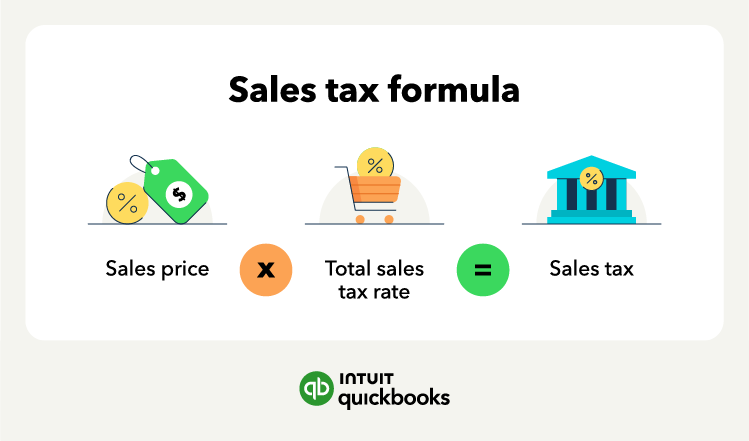
Multiply the pre-tax price by the combined rate for the place the sale is sourced to. For a sale made from your Tennessee location to a Tennessee customer, that is your own location's rate: the 7% state rate plus your county or city's local rate. At a Nashville shop, where the local rate is 2.25%, the combined rate is 9.25%. A $1,200 sale there carries $111 in tax and a $1,311 total.
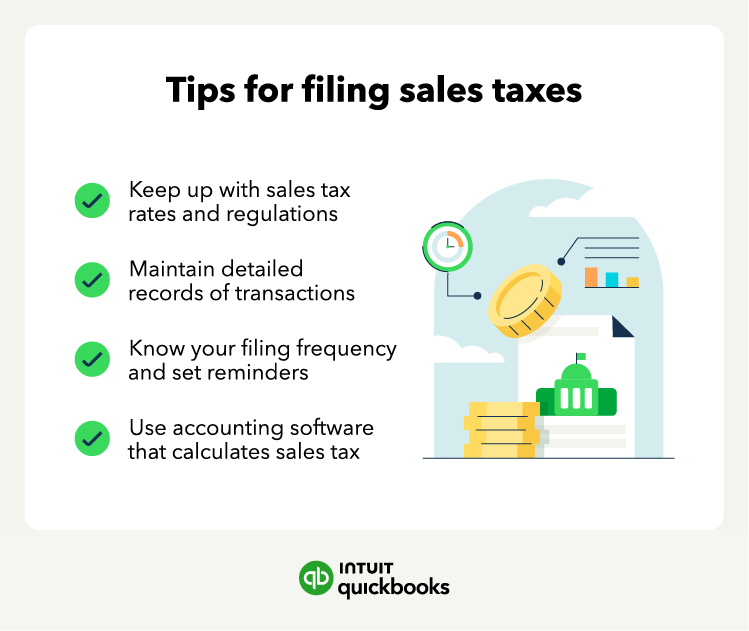
Yours, for sales made from your Tennessee place of business and delivered within Tennessee. Tennessee sources those sales to the seller's place of business, whether the customer picks up at your counter or you ship to a Tennessee address. So your location's combined rate applies. Sales that come into Tennessee from out of state are sourced to where the customer receives the goods. So an out-of-state seller collects the local rate of the delivery address. A marketplace facilitator with no Tennessee location collects based on the ship-to address. The Department of Revenue's local sales tax rate map and jurisdiction database list the rate for each jurisdiction.
Yes. Tennessee does not exempt groceries. Food and food ingredients are taxed at a reduced 4% state rate, plus the local tax. Candy, dietary supplements, alcoholic beverages, tobacco, and prepared food are excluded from the reduced rate and taxed at the full rate. Bottled water, soft drinks, and fruit and vegetable juices the seller does not prepare count as reduced-rate food.
Only if your service is on Tennessee's list. Repairing goods or software, installing goods that stay movable, laundering and dry cleaning, lodging under 90 days, vehicle parking, telecommunications and television programming, and admissions and amusements are taxable, labor included. Professional services, janitorial work, landscaping and lawn care, pest control, moving, barber and beauty services, pet grooming, and repair of real property are not. Taxable services carry the local tax on their full price. The $1,600 single-article cap does not apply to them.
The last full weekend of July, every year. It runs from 12:01 a.m. on the last Friday in July through 11:59 p.m. the following Sunday. Clothing priced $100 or less per item, school supplies and school art supplies priced $100 or less per item, and computers priced $1,500 or less per item are exempt for those three days.
Manage sales tax in QuickBooks with automation that helps you save time and stay compliant.
Save time with automated sales tax
Products are automatically matched to tax categories, so you can charge the right sales tax with less manual work. Returns are automatically prepared and formatted for your state, and if you sell into other states, you can automate multi-state filing from one place.
Stay confident and compliant
File with confidence using accurate, automated calculations. Tax rates and rules change, and they are updated automatically in QuickBooks, so what you charge keeps up. Get reminders before filing deadlines so you can plan ahead, and know your return status with real-time updates.
Your data stays protected
Securely send returns to tax agencies and track every filing in QuickBooks.
Manage your books and sales tax in one place
Automatically calculate, collect, and track applicable sales tax from your customers. One report breaks out taxable and non-taxable sales, so you always know what to pay each agency. Prepare, file, and pay directly from QuickBooks.
Explore QuickBooks sales tax software to spend less time on tax and more time running your business.
*Sales tax filing is available as an add-on service through QuickBooks Online for $40 per filing.
You've got the rates and the rules that apply in Tennessee. The harder part is applying them correctly on every sale, every quarter. QuickBooks automated sales tax calculates the right combined rate, tracks what you've collected, and shows what you owe when it's time to file.
Call Sales: 1-800-285-4854


