








You could save up to 25% on transaction costs².
Speak with us now to see if you qualify.
Talk to sales 1-800-515-8366
Monday - Friday, 6 AM to 4 PM PT

Table of contents
Table of contents
Hiring is one of the most significant decisions a small business owner makes. But with the rise of AI-generated resumes and shifting state regulations, vetting candidates and conducting thorough background checks of employees has become increasingly complex to manage alone.
According to the QuickBooks Small Business Index, small business employment fell by more than 433,500 jobs in the first quarter of 2025. Beyond months of lost productivity, a poor hiring decision can trigger negligent hiring claims, legal costs and settlements.
Whether you're comparing background check providers or building a hiring process from scratch, this guide covers everything from screening candidates to completing onboarding paperwork and first-day setup.

The true cost of a bad hire goes well beyond a wasted salary. When the wrong person gets access to your business, the security risk alone can be serious. According to IBM's 2025 Cost of a Data Breach Report, the average cost of a data breach for U.S. companies reached a record high of $10.22 million. Even a fraction of that figure could be enough to set a small business back significantly.
That risk is harder to manage when you're hiring remotely. If you've never met a candidate in person, fraud tactics have gotten sophisticated enough that verifying their identity before moving forward is the most important step you can take before your employee onboarding process ever begins.
Background checks also protect your existing team and your legal standing as an employer. Federal law expects employers to avoid putting employees, customers, or third parties at unreasonable risk through their hiring choices.
If something goes wrong and a lawsuit follows, one of the first things a court looks at is whether you took reasonable steps before bringing that person on. Businesses with a consistent, documented screening process are in a much stronger position because they have a clear record of how and why they made their hiring decisions.
When you weigh that risk against the actual cost of running a background check, the decision becomes straightforward:
Not every business faces the same hiring risks, and these requirements can shift significantly if you are primarily working with 1099 employees rather than traditional W-2 staff. Retail and hospitality owners should prioritize criminal history checks, while professional services and tech firms need to focus on education and identity verification to catch inflated or AI-generated credentials.
Finance roles require credit and sanctions screening to stay on the right side of industry regulations. Healthcare and childcare businesses have some of the strictest requirements. Candidates must be screened against multiple state and federal exclusion lists before they can legally work with patients or children.
Understanding your risk profile also means understanding the full cost of hiring the wrong person. A few dollars spent on screening upfront is far less than what a bad hire can cost you down the road.
Here's a quick reference for which checks matter most by business type:
Background checks have expanded well beyond a basic criminal search. Here's what a thorough screening covers today:
Criminal background check: A criminal background check helps you assess whether a candidate's history poses a risk to your business, customers, or team. This typically includes felony and misdemeanor convictions, and depending on the state, may also surface pending charges or dismissed cases.
Education and employment verification: Resume fraud is more common than most employers expect. Verifying what candidates claim protects you from costly mis-hires and legal exposure down the line.
Driving records (MVRs): Motor vehicle records aren't just for commercial drivers. Any role involving a company vehicle, client travel, or heavy equipment warrants an MVR check.
Credit reports: Credit checks are most relevant for roles involving financial oversight, cash handling, or access to sensitive accounts. They're not appropriate for every hire, and several states restrict their use entirely.
A credit report may reveal:
Professional licenses and certifications: For roles in healthcare, law, education, finance, or the trades, an active license isn't optional, it's a legal requirement. Verifying credentials means confirming they're current and in good standing, not just that they once existed.
Drug and alcohol testing: For safety-sensitive positions, drug and alcohol testing may be legally required. Even when it isn't, many employers include it as part of a formal drug-free workplace policy. State laws vary significantly here so review local requirements before building testing into your process.
Civil records: Civil searches surface legal disputes that aren't criminal but may still be relevant to the role. These records can point to patterns worth understanding before you make an offer.
You might see:
If a check raises a red flag, give the candidate a chance to explain before you make a call. Inconsistent dates or a lapsed license don't automatically point to dishonesty, and skipping that conversation puts you at legal risk, too.

Several states have passed Clean Slate laws that automatically seal certain criminal records, meaning even if that information surfaces during a search, you cannot legally factor it into your decision. For example, New York's approach to background checks is designed to balance employer needs with worker protections.

Medical history, religious affiliations, and genetic information are protected characteristics that should never influence a hire, regardless of how they come up. Credit history is another area to watch. Many states prohibit running a credit check for roles where financial history isn't directly relevant to the job.
Good employee background check software flags these restrictions automatically. Working with a reputable employee background check company that builds compliance into their process can help you stay on the right side of the law without having to track every state regulation yourself.
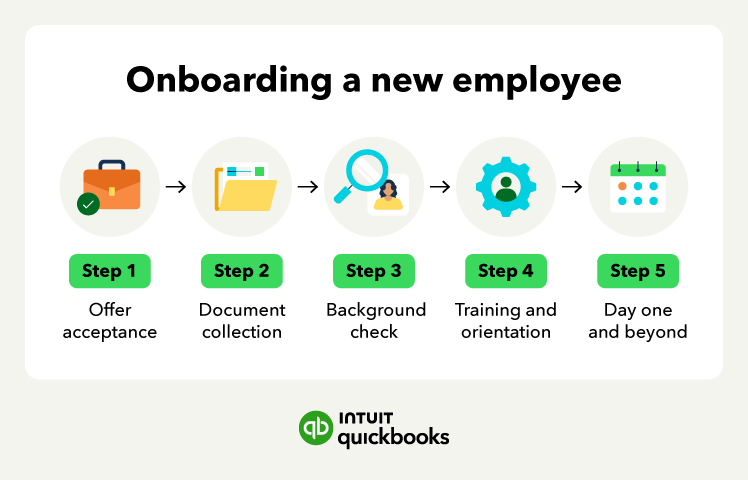
There's a lot to consider when wading through background check strategies and service providers. But if you break your approach into five steps, you'll have a clear roadmap from screening to new hire onboarding. Background screening is just one part of full cycle recruiting.
A background check policy is essential for complying with state and federal laws. A policy can ensure that your company requests background checks and uses the results in accordance with the Fair Credit Reporting Act (FCRA) and various anti-discrimination laws. A policy can also direct managers and human resources specialists to give proper notice to job applicants and use background checks consistently.

The policy should include a sample authorization form that candidates must fill out to consent to a background check. It can exist as a standalone policy or be included in your employee handbook.
When collecting candidate information, gather what’s necessary for the background check service provider. Typically, that includes basic contact information such as name, address, and phone number.
It may also include other data to verify a candidate’s identity, such as their Social Security number and date of birth. Avoid gathering any information that could lead to discrimination (i.e., race, color, religion, sex, gender, national origin, disability).
Note that certain states require employers to provide candidates with an offer letter before they can start a background check.
Additionally, certain states have passed “ban the box” legislation, which prohibits employers from asking about a candidate’s criminal history during the interviewing process. Knowing this, it’s important to partner or consult with a consumer reporting agency (CRA) or attorney when creating your background check policy.
You have a few options for background check service providers.
First, make sure your provider promotes its compliance with the FCRA and your state's laws, too.
Second, pick a provider whose services can meet your background check needs. For example, you might want criminal background checks for all of your employees as well as credit reports for candidates applying for finance-related positions.
Next, use a provider that meets your delivery expectations. If you need reports turned around in 48 hours, you might have fewer options. If you prefer results through an online portal, that can impact your decision.
Finally, cost is always important.
There’s no standard rate in the background check industry. Shop for a balance of service and cost to find a provider that meets your needs.

Before committing to a background check provider, ask for a sample report. It’ll give you a clear picture of the information you’ll receive—and whether it’s worth the cost.
In the digital age, more information about candidates is readily available. You might find more potential red flags when running these checks. These red flags don’t necessarily mean a candidate is unemployable.
Under the FCRA, if you are considering taking adverse action based on a report, you must first send the candidate a pre-adverse action notice. This includes a copy of the report and the CRA's summary of rights.
You must then allow a reasonable waiting period, typically five business days, before making a final decision. This gives candidates a chance to review the findings and dispute any inaccuracies.
Unless the problematic background is directly related to the job someone applied for, you might not be able to deny them employment. Remember that everybody makes mistakes. Hear candidates out and let them explain their history before making a final call.
When you make a hiring decision based on background check results, you’re answering one question: Does this person’s background disqualify them from working for my company?
Then consider the legal implications of your answer. Rejecting a job applicant based on background check findings is an “adverse” action under the law. If you take an adverse action based on a background check, that action must be lawful.
To comply with the law, the action must not be discriminatory. And the background-related issue must directly relate to the position the candidate applied for.
Background checks are one of the most widely adopted business tools in the modern hiring process. Understand your options, choose a strategy, create a policy, and start using background checks to hire the best candidates.
Not all background check platforms work the same way. Criminal records are stored separately at the county, state, and federal level, so look for a provider that searches all three and has a human reviewer confirm flagged results before they reach you.
Checkr's background check technology is built directly into QuickBooks Online Payroll, so once a candidate clears, their information moves straight into onboarding with no duplicate data entry. For small business owners without a dedicated HR team, that's one less step between a background check and a first paycheck.
Avoid running your own checks through social media or public records. You'll likely surface protected information you're not allowed to factor into your hiring decision. A licensed Consumer Reporting Agency keeps that risk off your plate.
Every hire shapes your business. A thorough background check isn't about distrust, it's about confirming who you're bringing on and doing your due diligence as an employer.
Once your screening is complete and you're ready to bring someone on board, QuickBooks Payroll makes it easy to go from cleared candidate to paid employee without the paperwork pile-up. Beyond just the paycheck, ensure your new hire is supported with a competitive employee compensation and benefits guide to aid in long-term retention.
*QuickBooks Online Payroll & Contractor Payments: Money movement services are provided by Intuit Payments Inc., licensed as a Money Transmitter by the New York State Department of Financial Services, subject to eligibility criteria, credit and application approval. For more information about Intuit Payments Inc.’s money transmission licenses, please visit https://www.intuit.com/legal/licenses/payment-licenses/*

Call Sales: 1-800-285-4854