









This article originally appeared on America's SBDC Blog.

How to manage employees during the holidays:
- Set clear schedules, respect time off, and communicate early so everyone knows what to expect.
- Balance workloads, recognize contributions, and offer meaningful appreciation to keep morale high.
- Support well-being, celebrate diverse holiday traditions, and use tools to simplify scheduling and PTO tracking.
The holiday season can bring a welcome boost in demand. A recent Intuit survey found that consumers plan to spend 25% more this holiday season—an estimated $263 billion. It also brings a surge in staff stress and scheduling chaos.
As a small business leader, you’re balancing higher volumes, tighter timelines, and supply‑chain hiccups. All while your team juggles personal commitments, year‑end fatigue, and shifting schedules. These pressures impact how you’re managing employees during the holidays and can lead to disengagement or turnover.
Luckily, managing employees during the holidays doesn’t have to mean chaos. This guide gives you eight practical, inclusive, high‑impact tips to keep your team engaged, valued, and well‑aligned during the busiest stretch of the year.
Jump to:
- 1. Set clear expectations and respect boundaries
- 2. Strive for fairness in workload and rewards
- 3. Prioritize employee health and well-being
- 4. Lead with empathy and compassion
- 5. Know your team and their holiday preferences
- 6. Set the right atmosphere without overdoing it
- 7. Show genuine appreciation
- 8. Manage productivity without sacrificing morale
- Keep people at the heart of holiday management
1. Set clear expectations and respect boundaries
When the holiday season picks up momentum, it’s easy for schedules and workflows to shift, creating friction if your team doesn’t know what’s coming. You can prevent confusion and build trust by clearly communicating changes and protecting your employees’ time off.
Communicate schedule changes early
Let your team know about holiday hours, adjusted workflows or temporarily altered priorities well in advance. For example: “We’ll be open 10 a.m.–6 p.m. the week of December 20, and remote check-ins are optional unless you’re scheduled onsite.”
To make sure everyone sees the update, share it in the channels your team checks most, such as your company’s chat tool, a pinned announcement in your project management platform, and a follow-up email for anyone who may have missed it. This keeps expectations clear and reduces last-minute confusion.
3 Ways to clearly share schedule updates with your team:
- Pin important changes in your project management tool
- Post reminders in your team chat
- Send a quick follow-up email to reach anyone who may have missed the announcement
Honor personal time
Even during the busiest stretch of the year, your team still needs genuine breaks, and they’ll appreciate you modeling that yourself. Make it clear that paid time off and sick days aren’t optional: They’re part of your culture.
When someone takes time to recuperate, prepare backup plans so they don’t feel guilty or leave others scrambling. And make sure you, as the leader, also step away when you need to: showing you value boundaries gives your team permission to do the same.
 Create a “time-off request” window for the holiday season to avoid last-minute scramble.
2. Strive for fairness in workload
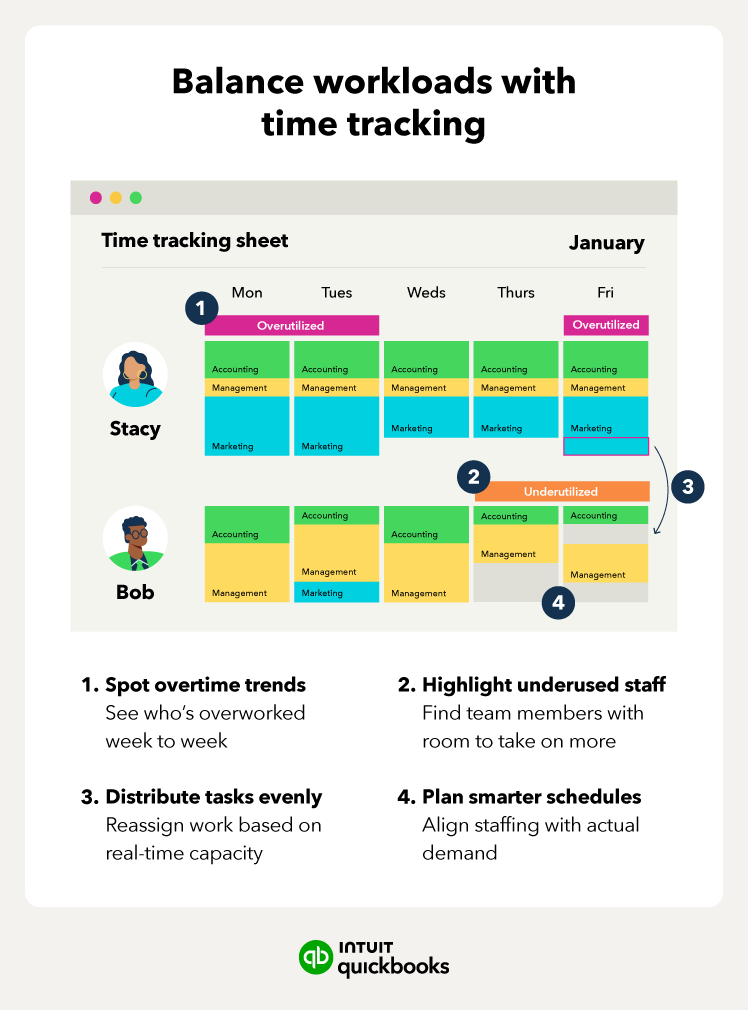
Fairness can make or break morale during the holidays. When one employee feels overworked while another has lighter shifts, resentment builds fast—and productivity drops just as quickly. Striving for balance shows your team that everyone’s time and effort matter equally, even when business is booming.
Keep schedules balanced
Busy days like Black Friday or the weekend before Christmas shouldn’t always fall on the same shoulders. Rotate shifts so the workload—and stress—is shared across the team. If your business runs extended hours, consider splitting long days into shorter shifts or alternating coverage for peak times.
To take guesswork out of the process, create a clear holiday scheduling policy that spells out how shifts are assigned, traded, or prioritized. Transparency builds trust—especially when everyone understands the system in advance.
3. Prioritize employee health and well-being
The holidays often bring long hours, higher stress, and more exposure to seasonal illnesses. Supporting your team’s physical and mental health isn’t just compassionate—it’s good business. When employees feel cared for, they’re more engaged, loyal, and productive, even during peak season.
Encourage sick days
Make it clear that staying home when sick isn’t just allowed, it’s expected. A no-guilt sick policy protects the entire team and keeps your business running smoothly.
3 Signs your sick-day policy needs reinforcement:
- Employees feel pressure to work while unwell
- Managers ask for justification before approving sick time
- Team members apologize or work extra to “make up for” being sick
Staff come in sick during busy periods to avoid falling behind
Encourage employees to take the time they need to recover fully, and reassure them that their absence won’t be held against them. A healthy, rested employee will contribute more in the long run than one who powers through an illness.
Remind your team that their health is part of your company’s success. According to QuickBooks research, employees who feel supported by their employer are significantly more likely to stay engaged and satisfied at work.
Prepare backup plans
Plan ahead so one sick day doesn’t throw your schedule into chaos. Create an on-call rotation or hire a few seasonal helpers to cover unexpected absences.
If possible, cross-train employees so others can step in when needed. Having clear backup systems ensures continuity—and shows your team you value their well-being over short-term output.
Offer remote or flexible options when possible for mild illnesses or caregiving needs.
4. Lead with empathy and compassion
The holiday season can be a high-stress time for your team, and a little empathy goes a long way in keeping morale and productivity up. Leading with compassion means paying attention to your employees’ needs, offering support, and creating an environment where people feel safe sharing challenges.
Recognize stress signals
Keep an eye out for signs of fatigue, frustration, or burnout, and check in with employees regularly. Simple gestures, like asking, “How’s your workload this week?” or providing a quiet space to take a break, signal that you care.
4 Common stress signals in employees to watch for:
- Sudden drops in engagement or energy
- Irritability or emotional reactions that seem out of character
- Missed deadlines or difficulty focusing on tasks
- Withdrawing from team conversations or meetings
Encourage open communication, and make it clear that personal concerns are welcome without judgment. You might also implement broader initiatives, such as more frequent short breaks or flexible start and end times, to help employees manage stress during the busy season.
Encourage employees to practice self-regulation
Help your team stay centered by encouraging techniques that reduce stress and improve focus. Deep breathing exercises, brief meditations, or reflection pauses can make a noticeable difference.
Model emotional intelligence yourself by responding thoughtfully rather than reacting impulsively, especially when deadlines or holiday pressures mount. Leaders who demonstrate calm, empathy, and patience set the tone for the entire team.
Offer a quiet room or space for employees to recharge when needed.
5. Know your team and their holiday preferences
The holidays look different for everyone, and a one-size-fits-all approach can leave employees feeling overlooked or excluded. Being inclusive and respectful means taking the time to understand your team’s diverse needs and preferences—and planning celebrations and work expectations accordingly.
Celebrate cultural diversity
Recognize a variety of cultural and religious holidays when planning events, time off, or decorations. Offer multiple ways to participate, like in-person parties, virtual gatherings, or gift exchanges, so everyone can join comfortably.
Celebrating diversity signals that your workplace values each employee as an individual, not just as a worker.
Respect personal preferences
Even beyond cultural or religious considerations, people have different ways they want to experience the season. Some may prefer quieter, low-key celebrations, while others thrive on social events.
Consider dietary restrictions, work style differences, and whether employees are remote or in-person when planning. Small accommodations, like providing vegetarian or allergen-free snacks, or letting introverts opt out of large gatherings, show respect and help your team feel seen.
Highlight diverse holidays in internal communications or newsletters.
6. Set the right atmosphere without overdoing it
A festive workplace can boost morale—but too much decoration, overly loud music, or constant holiday chatter can create stress instead of cheer. Setting the right atmosphere means striking a balance: keep it cheerful and inclusive, but don’t let holiday celebrations overshadow work or overwhelm your team.

Manage holiday music
Music can set a festive tone, but repeated playlists or early-season tunes can wear on employees. Rotate songs regularly, or let your team create shared playlists to ensure everyone has some control over the soundtrack. Avoid blasting the same songs day after day, and consider lower volume levels in shared spaces to keep the environment comfortable for all.
Decorate thoughtfully
Decorations should be inclusive, visually appealing, and not disruptive. Seek input from employees on decorating common areas, and avoid overloading spaces with lights, signage, or holiday props. Thoughtful décor sends a message of celebration without creating sensory overload or excluding anyone.
Include subtle, neutral décor that anyone can enjoy, in addition to traditional seasonal items.
7. Show genuine appreciation
When employees feel recognized and valued, they’re more engaged, motivated, and loyal—especially during the hectic holiday season. Appreciation doesn’t have to be extravagant; thoughtful gestures, fair rewards, and public recognition go a long way in showing your team that their efforts matter.

Align bonuses and recognition
Make sure holiday bonuses or incentives are fair and transparent. If certain employees are covering peak shifts or taking on extra responsibilities, recognize that with equitable rewards. Clear criteria for bonus allocation or incentive programs reduce confusion and help everyone feel valued.
Offer small, meaningful gifts
Even modest gestures, like gift cards, handwritten notes, or supporting a local business, can have a big impact. Small, thoughtful gifts show employees that you care about them as people, not just as workers. Consider charitable donations in their name for a meaningful way to give back while celebrating the season.
Here are a few ideas to make gifting easy:
- Gift cards to their favorite spots
- Handwritten thank-you notes
- Small treats from local businesses
- A charitable donation in their name
Recognize efforts publicly
Celebrate accomplishments in team meetings, newsletters, or on internal channels. Highlight exceptional teamwork, creativity, or extra effort during busy periods. Public recognition reinforces a culture of appreciation and encourages ongoing engagement.
8. Manage productivity without sacrificing morale
The holidays bring extra demands, but keeping your team productive doesn’t have to come at the cost of their well-being. By setting realistic goals, communicating clearly, and using tools to streamline management, you can maintain momentum without adding unnecessary stress.
Set realistic goals
Adjust deadlines and workloads to reflect the holiday season. Peak days may require more flexibility, while quieter periods can be used for catching up or planning ahead. Clearly communicate priorities so employees know which tasks are critical and which can wait. Setting achievable goals reduces frustration and keeps morale high, even when demands fluctuate.
Use software to manage employees
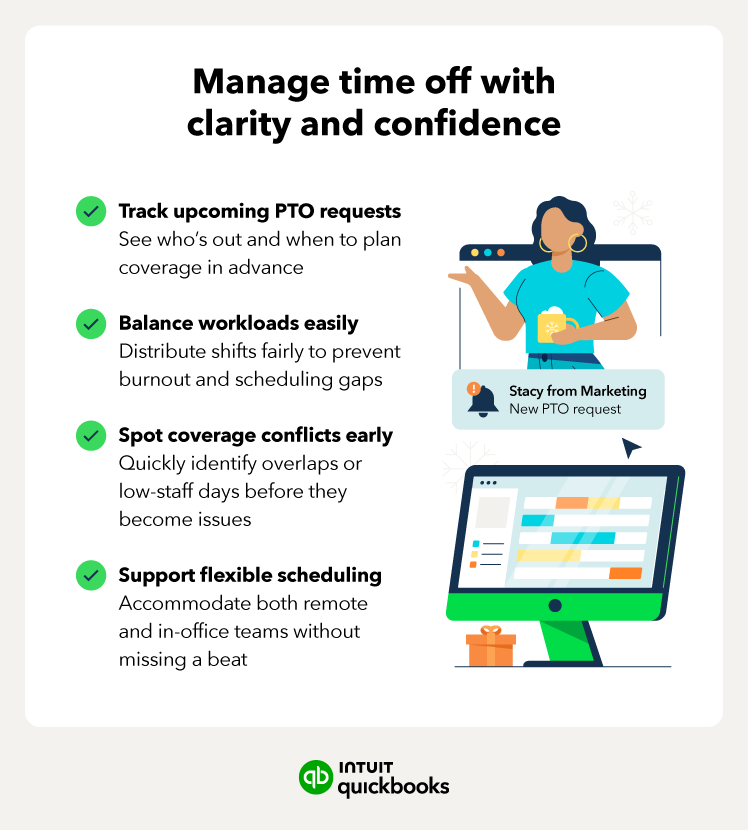
Leverage tools like QuickBooks Time or QuickBooks Payroll to track schedules, PTO, and shift coverage. Automating repetitive tasks, like calculating overtime, tracking absences, or managing holiday shifts, frees up leaders and staff to focus on high-value work. Digital tools also make it easier to communicate expectations, spot conflicts, and ensure fair coverage.
Use dashboards to visualize coverage gaps and prevent last-minute stress. Real-time views of schedules, workloads and open tasks help you spot issues before they become urgent. This gives you time to reassign work, adjust priorities or bring in extra support as needed.
Keep people at the heart of holiday staff management
Managing employees during the holidays doesn’t have to be stressful. By setting clear expectations, fostering fairness, supporting well-being, and leading with empathy, you create a workplace where your team feels valued and motivated.
Your employees are your greatest asset, and investing in their satisfaction pays off in productivity, morale, and loyalty. QuickBooks tools can help simplify scheduling, track PTO, and manage holiday shifts so you can focus on leading rather than juggling logistics. Start keeping your team happy and organized this season with QuickBooks Time today.
Recommended for you




Get the latest to your inbox
No ThanksLooking for something else?
Call Sales: 1-800-285-4854




