Invest in payroll software
Using payroll software like QuickBooks Payroll can automate the complex parts of imputed income reporting. You can assign fair market values, track taxable benefits, and ensure accurate withholding—all in one place. At year-end, the software will automatically include imputed income on W-2s, saving you time and reducing the chance of mistakes.
Automating compliance and reporting also keeps your records audit-ready, which is key if the IRS ever comes knocking.
Regularly review your fringe benefits
Fringe benefits can change from year to year, so it’s important to review your offerings regularly and stay up to date with IRS rules. The IRS may update limits, exclusions, or valuation methods, which can affect your reporting obligations.
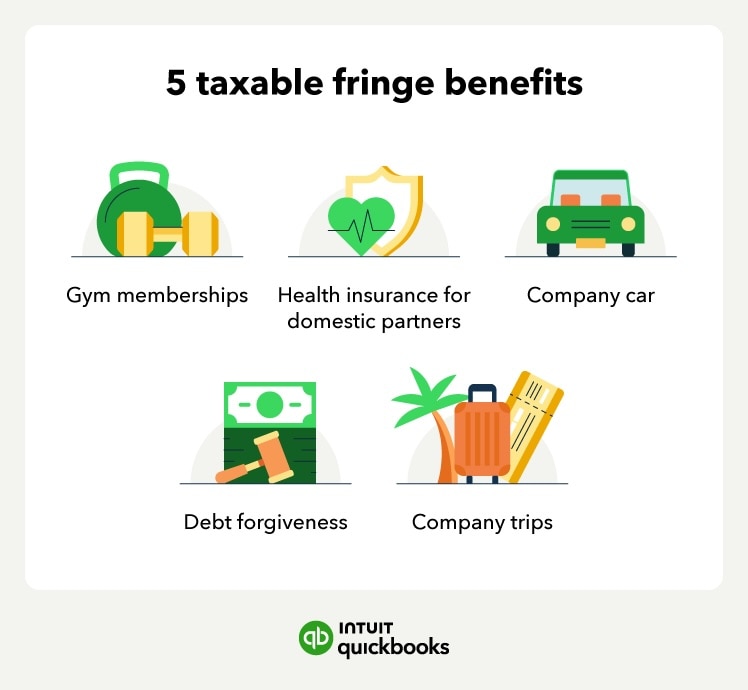
Recalculate the fair market value (FMV) of each benefit annually, especially for perks like company cars, housing, or memberships. If your benefits are undervalued, you could underreport income, raising red flags with the IRS.
Train HR and payroll teams
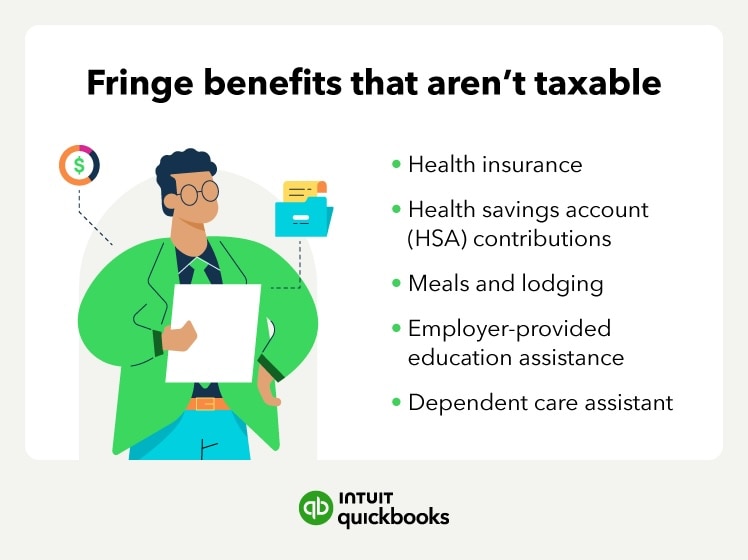
Make sure your human resources and payroll staff understand which benefits are taxable and how to properly document and report them. Even small oversights—like forgetting to include personal mileage on a company car—can lead to underreporting.
Regular training ensures your team knows how to:
- Classify fringe benefits correctly
- Apply IRS valuation methods
- Keep accurate records for audits and tax filing
A little upfront education can prevent compliance headaches later on.