





You could save up to 25% on transaction costs².
Speak with us now to see if you qualify.
Talk to sales 1-800-515-8366
Monday - Friday, 6 AM to 4 PM PT

Table of contents
Table of contents
You may have seen crowdfunding success stories and wondered if it could work for your business too. Choosing the right way to fund your next move—whether it’s launching something new or scaling what you’ve already built—can shape everything from your cash flow to how much control you keep.
Despite the need for capital, many business owners stop before they even apply for traditional funding. A QuickBooks study, Business ownership in 2026: Freedom over fortune, found that 35% skip seeking funding because they expect to be denied.That hesitation is one reason many business owners start exploring alternatives, such as crowdfunding. When traditional loans feel out of reach, exploring different ways to raise capital can feel more accessible.
Crowdfunding and traditional loans follow very different paths, and the right fit depends on your requirements, timeline, and growth plans. This guide breaks down what to consider so you can choose the approach that supports your goals.
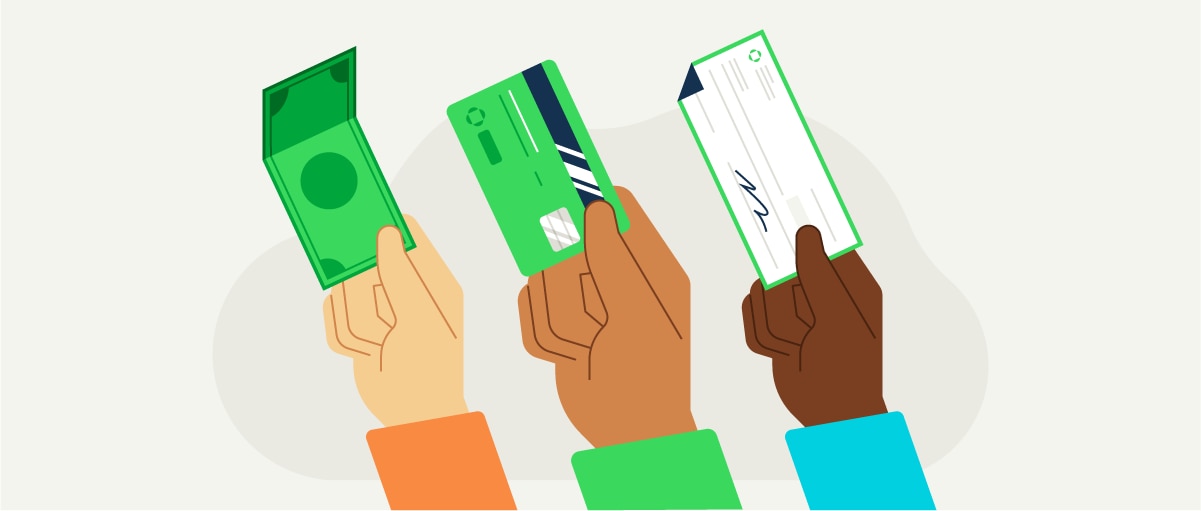
Both crowdfunding and loans put money in your bank account, but how they work, as well as the costs and long-term commitment, vary significantly.
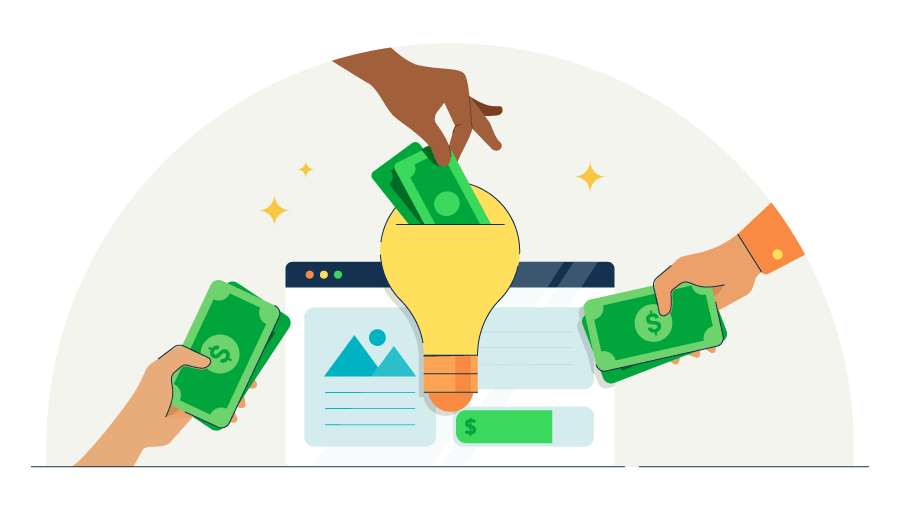
Crowdfunding involves raising small amounts of money from a large number of people, typically through online platforms. You present your business idea, product, or service to potential backers who contribute funds in exchange for rewards, equity, or simply to support your vision. It leverages the power of the internet and social media to reach a wide audience.
The main types of crowdfunding include:
A business loan is a lump sum of money borrowed from a financial institution, online lender, or alternative financing company. You receive the full amount upfront and repay it over time with interest according to predetermined terms. You incur debt until the loan is repaid, but it does not require you to give up a piece of your company.
Common types of business loans include:
Crowdfunding and loans differ in important ways, including repayment terms, ownership, timelines, and risk. The chart below breaks down how the two compare across these key factors.

Crowdfunding excels in specific scenarios where its unique advantages align with your business needs. It is often less about just getting the money and more about building a community around your brand.
If you're introducing a physical product directly to consumers, reward-based crowdfunding platforms can serve as both a funding source and a market validation tool. Successful campaigns demonstrate demand before you invest in large-scale production.
Benefits for product launches include:
Crowdfunding campaigns thrive on emotional connection and storytelling. If your business has a mission-driven component, solves a relatable problem, or represents an innovative breakthrough, you can leverage that narrative to attract backers. People often back projects because they believe in the person or the mission, not just the product.
Reward-based crowdfunding works well for product-driven or creative businesses that want to raise funds without giving up equity. Unlike equity crowdfunding, where backers receive ownership stakes, this model lets you offer products or perks instead while keeping full control of your business.
For example, a startup developing a new smart home device might use reward-based crowdfunding to fund manufacturing by offering backers early access to the product.
A successful crowdfunding campaign proves people are willing to pay for your product or service. This validation can be invaluable when approaching investors, partners, or lenders later. It demonstrates real-world demand and can reduce perceived risk for future stakeholders.
Crowdfunding generally doesn't require a credit check or established business history. If you're a first-time entrepreneur or have limited credit, this removes a significant barrier to funding. The "crowd" cares more about your idea and your video pitch than your FICO score.
A business loan may be the right fit if several of the following apply.
If you have an immediate need, like repairing equipment or stocking up for the holidays, a loan offers a guaranteed timeline. They provide certainty. Once approved, you receive the full amount and can deploy it immediately.
If your crowdfunding campaign falls short of its goals, you'll be without funding after weeks of effort.
Strong revenue and solid credit can open the door to competitive loan terms. For many businesses, borrowing ends up costing less than fulfilling crowdfunding rewards or giving up equity.
When you know exactly how much capital you need for expansion, equipment, inventory, or other purposes, a loan provides that precise amount. Crowdfunding results can be unpredictable; you might overshoot your target, which is great, or you might fall drastically short, which can stall your plans.
Loans are private transactions between you and the lender. Crowdfunding requires publicly sharing your business idea, strategy, and sometimes financial goals. This transparency may not be ideal if you're concerned about competitors stealing your concept or if you prefer to operate discreetly.
For example, a beverage company finalizing a new seasonal flavor might choose a loan to keep the recipe and launch plans private, rather than sharing details publicly through a crowdfunding campaign.
Successfully repaying a business loan helps establish and improve your business credit profile. A strong business credit score makes it easier to access larger amounts of capital, lower interest rates, and better vendor terms in the future. Crowdfunding generally does not impact your credit score.
It is crucial to look beyond the dollar sign and understand the total cost of funding to make an informed financial decision. Neither option is "free money."
While you don't repay the principal on reward-based crowdfunding, there are significant costs that eat into your margins:
Loan costs are generally more straightforward but vary based on your creditworthiness and the lender. Here are some cost considerations:
You don't have to choose just one funding method. Many successful businesses combine multiple approaches to optimize their capital structure.
A common tactic is to start with crowdfunding to validate your concept and generate initial capital without debt. Once you have successfully delivered the product and generated revenue, you can use that success story and financial history to qualify for a traditional bank loan or SBA loan to scale operations.
You might use a small business loan to cover operational expenses or buy equipment while running a crowdfunding campaign focused solely on marketing and product development. This diversifies your capital sources and reduces reliance on a single channel.
If neither a traditional loan nor crowdfunding aligns with your business or goals, consider these alternatives:
Follow this five-step decision-making process to determine which option aligns with your situation.
Early-stage or pre-revenue businesses typically benefit more from crowdfunding because they lack the financial history lenders require. Established companies with revenue can access loans more easily and may find them more efficient than the work needed to run a crowdfunding campaign.
Ask yourself:
If you need a guaranteed amount by next week, a loan is the answer. If you have flexibility and want to test the market, crowdfunding is a potential contender.
Consumer-facing products with strong visual appeal (gadgets, fashion, games) tend to perform well in crowdfunding.
B2B services, professional consulting, or less tangible offerings may struggle to attract crowdfunding backers but may still qualify for loans based on cash flow.
Think about the level of risk you are willing to take.
Do you have:
If you answered "no" to most of these questions, a loan or line of credit may be more practical and less resource-intensive.
Regardless of which path you choose, avoiding these frequent pitfalls can help increase your chances of success.
Many successful entrepreneurs use both methods at different stages of their business journey. Start by honestly assessing your current situation, clearly defining your needs, and choosing the funding method that positions your business for long-term success.
Funding is just one piece of building a successful business. Regardless of which option you choose, focus on creating value for customers, managing your finances wisely, and building a sustainable operation that can thrive with or without external capital.

Call Sales: 1-800-285-4854