QuickBooks Blog
A woman sitting at a table with a laptop.
Alabama

How to start an LLC in Alabama: Your 2025 step-by-step guide

Starting a business in Alabama? With the state’s steady economic growth, expanding industries, and support for entrepreneurs, it’s a great time to bring your business idea to life. One of your first decisions as a new business owner should be choosing a legal structure that fits your goals. 

Business structure options include sole proprietorships, partnerships, corporations, and limited liability companies (LLCs), each with its own advantages. Your business structure affects your legal liability, tax obligations, ownership setup, and daily operations, making it a key decision for long-term success. Many small business owners find that the LLC structure fits their needs and objectives. 

Jump to:

Why choose an LLC in Alabama?

The LLC structure is a popular choice for entrepreneurs. The structure offers the legal protection of a corporation—separating your personal assets from business liabilities—while maintaining the simplicity and flexibility of a sole proprietorship or partnership. Your personal property, like your home or savings, is generally protected if your business faces debts or lawsuits.

Alabama LLCs also benefit from pass-through taxation, meaning the company itself doesn’t pay income tax. Instead, profits or losses are passed to members and reported on their personal state and federal tax returns, avoiding the double taxation that can apply to C corporations. The registration process through the Alabama Secretary of State is straightforward and can be completed online, making it easy to get started.

Whether you’re opening a small shop in Birmingham or launching a consulting firm in Huntsville, forming an LLC can give your business the legal structure and flexibility it needs to grow. This guide will walk you through how to start an LLC in Alabama, covering everything from filing requirements and fees to tax obligations and helpful tools like accounting software to support your launch and long-term success.

New business data in Alabama in 2025

Alabama’s business climate in 2025 reflects steady momentum across traditional sectors and growing investment in emerging industries. Manufacturing remains a cornerstone, highlighted by ArcelorMittal’s planned $1.2 billion steel facility in Calvert to meet increasing demand in the automotive sector.

The state continues to gain traction in aerospace, electric vehicles, and cybersecurity. For example, Huntsville is a thriving hub for advanced technology and defense-related innovation. Decatur is home to a new $30 million EV Technology Center designed to prepare the workforce for the shift to electric vehicles and emerging technology. And in rural areas, the $36 billion forestry industry is driving sustainable growth through bioenergy.

Small business development is also strong. Tuscaloosa and Huntsville both project notable growth in entrepreneurship, thanks to population increases, tech sector expansion, and supportive local infrastructure. While the outlook is positive, challenges such as labor force participation and skill shortages persist. However, initiatives like Alabama Launchpad offer startups mentoring and seed funding, while the Alabama Technology Network supports manufacturers with training and technical assistance.

5 steps for creating an LLC in Alabama

Starting an LLC is an important move toward building and protecting your Alabama business. The process involves a few key steps, including selecting a unique business name, filing your formation documents, and applying for an EIN. The following sections break down each step to help you set up your Alabama LLC with confidence and clarity.

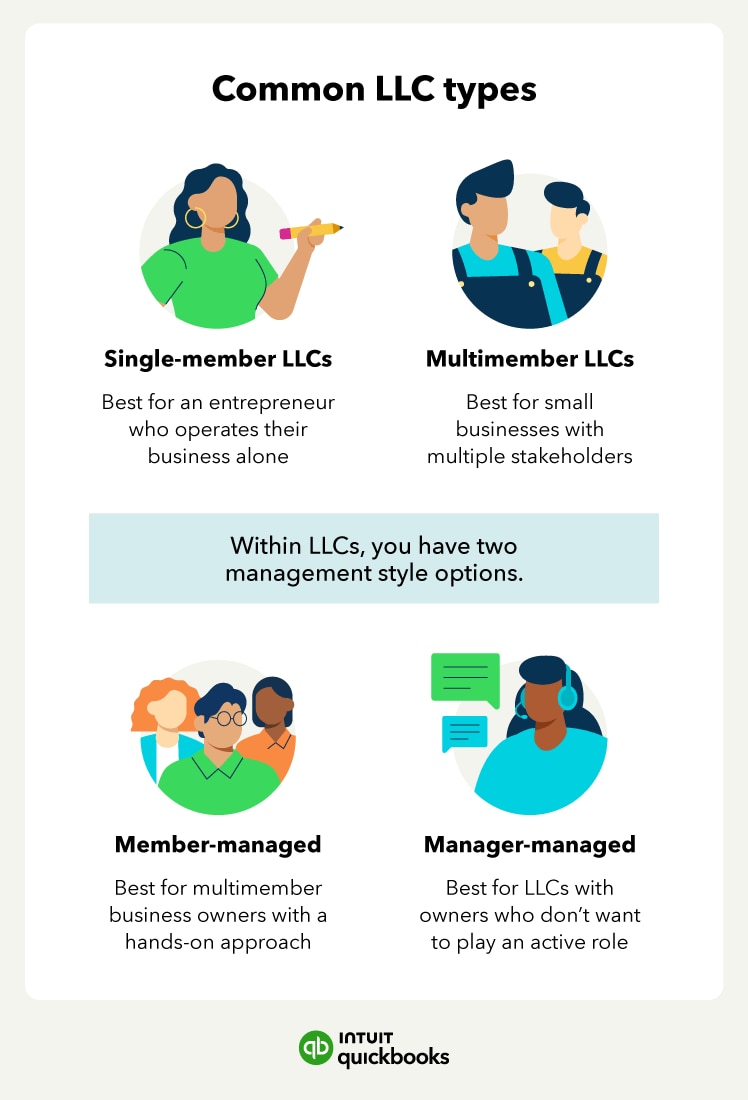
A graphic breaks down the four common LLC types to help answer the question, "What is an LLC?"

Step 1: Choose a name for your Alabama LLC

Selecting a unique and compliant name is the first step in forming your Alabama LLC. This name will serve as your business's legal identifier and must adhere to Alabama's specific naming regulations.

Alabama LLC naming rules

When naming your LLC, you must consider the following Alabama state guidelines:

Uniqueness requirement

Your LLC's name must be distinguishable from existing business entities registered in Alabama. 

LLC designation 

The name must include one of the following designations:

  • Limited Liability Company
  • L.L.C.
  • LLC 

Restricted words

Certain terms require additional approval or licensing to be included in your LLC's name. For example:

  • "Bank" or "Trust"
  • "Insurance"
  • "Architect" or "Engineer"

Accurate representation

The chosen name should accurately reflect the nature of your business and must not be misleading to the public.

Check for name availability

After selecting a name for your new business, it's essential to ensure that no other entity in Alabama is already using it. The Alabama Secretary of State provides an online Business Entity Records search tool to facilitate this process.

In Alabama, business names must be clearly distinguishable from existing ones. If you’re filing by paper, running a name search ahead of time can help prevent delays or rejections. If you’re filing online, the system will check name availability as part of the process.

According to the Alabama Business and Nonprofit Entities Code, the following differences do not make names distinguishable:

  • Suffixes, (e.g., Inc., LLC), for example, "ABC Solutions, Inc." and "ABC Solutions, LLC" are considered the same.
  • Articles (e.g., the, a, an)
  • Interchanging "and" with "&"
  • Singular, plural, or possessive forms of a word: "Builder" and "Builders" are viewed as identical.
  • Variations in punctuation or spacing.

When searching for name availability, focus on the core elements of your desired name, excluding these variations, to ensure it is truly unique and compliant with Alabama's naming regulations.

Reserve your LLC name

In Alabama, reserving your business name is mandatory when filing your LLC. Submit a Name Reservation Request Form for Domestic Entities to the Alabama Secretary of State, along with the required filing fee of $25. This can be done online or by mailing in a paper Name Reservation form.

Upon approval, you will receive a Name Reservation Certificate, which must be included when filing your LLC's Certificate of Formation. The name reservation will last for one year after it’s approved or until you send a written notice to the Secretary of State saying you no longer want to reserve the name, whichever comes first.


Step 2: Choose a registered agent in Alabama

Every Alabama LLC must designate a registered agent. This individual or entity is responsible for receiving legal documents, tax notices, and official correspondence on behalf of your LLC. The registered agent ensures that your business complies with state regulations by maintaining a reliable point of contact within Alabama.

Who can be a registered agent?

  • You (if you're an Alabama resident): You can act as your own registered agent if you meet the following requirements:
  • You are at least 18 years old.
  • You have a physical street address in Alabama; P.O. Boxes are not acceptable.
  • You are available to receive legal documents during standard business hours.
  • Individual: An Alabama resident who is at least 18 years old, has a physical street address in the state, and is available during standard business hours to receive legal documents.
  • Business Entity: A company authorized to conduct business in Alabama that maintains a physical office within the state and is available during standard business hours.
  • Registered agent service: If you prefer not to receive legal documents at your personal address, consider hiring a professional registered agent service. These companies provide a physical street address in Alabama for your LLC to receive documents.

Choosing a registered agent service

There are many registered agent services available in Alabama. If you’re thinking about hiring a professional provider, here are some tips for finding the right one.

Research and compare

Be sure to research different providers and compare factors such as:

  • Cost: Fees typically start around $50 per year.
  • Reputation: Choose a reputable company with a proven track record.
  • Customer support: Ensure they provide excellent customer service and support.
  • Knowledge. Select a provider with a strong understanding of Alabama-specific compliance requirements to ensure your business stays in good standing.
  • Coverage. For businesses operating in multiple states, choose a provider that offers services across all the states where you plan to operate.

The Alabama Secretary of State provides a list of registered agents for your reference.

Consider bundled services

If you're using a company formation service or an attorney to set up your LLC, they may offer registered agent services as part of a package.

Step 3: File the Certificate of Formation for your Alabama LLC

After securing a unique business name and appointing a registered agent, the next step in establishing your Alabama LLC is to file the Certificate of Formation. This document officially registers your LLC with the state, granting it legal recognition.

What Is the Certificate of Formation?

The Certificate of Formation is a legal document that outlines key details about your LLC. Submitting this form to the Alabama Secretary of State formalizes the creation of your LLC.

You have two options for filing your Certificate of Formation:

Option 1: File online

Visit the Alabama Secretary of State's Business Services page to access the online filing system. The fee is $200.

Option 2: Mail-in filing

Download and complete the Domestic LLC Certificate of Formation form. Mail two copies of the completed form, along with the $200 filing fee (payable by check or money order), to: 

Secretary of State

Business Services

P.O. Box 5616

Montgomery, Alabama 36103

You must include your Name Reservation Certificate.

How long does it take for an LLC to get approved in Alabama?

Online filings are typically approved immediately upon submission. Mailed in filings are usually processed within 1-2 business days, plus additional time for mailing. 

What to include in your LLC's Certificate of Formation form

Completing the Certificate of Formation for your Alabama LLC is a straightforward process. You’ll be required to provide:

  • The name of your LLC
  • A copy of the Name Reservation Certificate
  • The name and street address of your registered agent in Alabama
  • The mailing address of the registered office, if different from the physical street address
  • The type of LLC, such as a standard LLC, Series LLC, or Professional LLC
  • The name and address of the organizer preparing the Certificate of Formation
  • Your signature and the date
  • You may also choose to list an effective date for your LLC. If entered, this date cannot be before the filing date and must be no more than 90 days after the date you sign the form.

If you are not an Alabama resident:

To operate a business in Alabama with an LLC formed in another state, you must register as a foreign LLC by filing the Foreign Limited Liability Company Application for Registration with the Alabama Secretary of State.

You must also:

  • Reserve your business name through the Alabama Secretary of State prior to registration.
  • Follow Alabama’s LLC naming rules.
  • Submit a Certificate of Existence (also called a Certificate of Good Standing) issued within the last 90 days from the state where your LLC was originally formed.
  • Appoint a registered agent with a physical street address in Alabama (P.O. Boxes are not accepted).
  • Pay a $150 filing fee by check, money order, or online payment. You can file the application online via the Alabama Secretary of State’s website or by mail to:

Secretary of State

Business Services

P.O. Box 5616

Montgomery, AL 36103

Step 4: Get an Employer Identification Number (EIN)

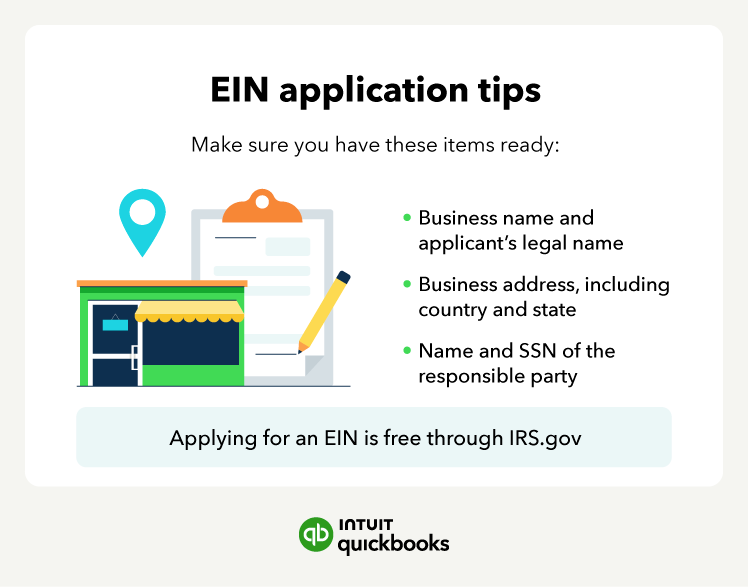
You’ll likely need an Employer Identification Number (EIN) from the Internal Revenue Service to form an LLC in Alabama. An EIN is a nine-digit number that identifies a business for tax purposes, similar to a Social Security Number for your company.

According to the IRS, you need an EIN if any of the following apply:

  1. You have employees.
  2. Your business operates as a corporation or partnership.
  3. You file employment, excise, or alcohol, tobacco, and firearms tax returns.
  4. You withhold taxes on income, other than wages, paid to a non-resident alien.
  5. You have a Keogh plan (a tax-deferred pension plan).
  6. You are involved with certain types of organizations, including trusts, estates, real estate mortgage investment conduits, non-profit organizations, farmers' cooperatives, or plan administrators.

Single-member LLC considerations

If you are a single-member LLC, you may not be required to obtain an EIN. However, getting one is still a smart idea, as your business needs might change over time, and obtaining an EIN is free.

An EIN becomes mandatory if your LLC elects to be taxed as a corporation, hires employees, or files excise or employment tax returns.

Having an EIN also simplifies opening a business bank account and protects your personal Social Security Number, reducing the risk of identity theft.

Requesting an EIN

You can request an EIN by mail or phone, but the fastest method is completing the process online on the IRS website. After obtaining an EIN, use accounting software to track business expenses and ensure your company’s finances remain separate from your personal finances. 

A sign that says "HSE fees apply".

Step 5: Ongoing compliance and required filings for Alabama LLCs

Maintaining your LLC's good standing in Alabama involves adhering to several ongoing compliance obligations:

  • Business Privilege Tax Return and Annual Report
  • Filing requirement: All Alabama LLCs must file an Alabama Business Privilege Tax Return and Annual Report.
  • Purpose: Combines tax payment and annual status updates to keep your LLC compliant and active.
  • Due date: The initial return is due 2.5 months after the LLC is formed. Subsequent annual returns are due at the same time as federal income returns.
  • Filing method: Returns must be filed with the Alabama Department of Revenue. Forms and instructions are available on the department's website.
  • Fee: The minimum Business Privilege Tax is $100, but the exact amount depends on the LLC's net worth and other factors. Businesses with a calculated Business Privilege Tax of $100 or less are not required to file a Business Privilege Tax Return.
  • More information: Visit the Alabama Department of Revenue.
  • Beneficial Ownership Information Report
  • Filing requirement: Under the Corporate Transparency Act, most LLCs are required to submit a Beneficial Ownership Information (BOI) Report to the U.S. Department of the Treasury's Financial Crimes Enforcement Network (FinCEN).
  • Purpose: This report identifies individuals who own or control the LLC, aiding in the prevention of financial crimes.
  • Who needs to file: All LLCs formed on or after January 1, 2025, must file within 30 days of formation. LLCs formed before this date have until December 31, 2025, to comply.
  • How to file: Reports are submitted online through the FinCEN reporting portal.
  • Fees: There is no filing fee.
  • Business licenses and permits
  • Requirement: Depending on your LLC’s location and industry, certain licenses or permits may be necessary. 
  • Examples: Professional services, alcohol vendors, food establishments, and other regulated industries may have specific licensing requirements.
  • Verification: Consult Alabama Code Title 40, your local city or county offices, and your professional regulatory agency for guidance.
  • Business Privilege License. In addition, all LLCs must obtain a Business Privilege License from the county where they operate. 
  • State tax registration
  • Requirement: If your LLC will collect state taxes, such as sales tax, you must register with the Alabama Department of Revenue.
  • How to register: Register online through My Alabama Taxes.
  • Purchase Insurance
  • Requirement: Depending on your business activities, you may be required to obtain specific types of insurance, such as:
  • Workers’ compensation insurance: Mandatory for businesses with five or more employees.
  • Commercial auto insurance
  • Liability insurance
  • Information: Consult with an insurance or legal expert to determine proper coverage for your LLC.
  • Employer withholder tax registration
  • Requirement: All employers in Alabama are required to withhold state income tax from employee wages.
  • Registration: You must register for an Alabama Withholding Tax Account with the Alabama Department of Revenue. This can be done online through the My Alabama Taxes portal.
  • Filing frequency: After registration, you'll be assigned a filing frequency (e.g., monthly, quarterly) based on your anticipated payroll. 
  • Compliance: Timely registration, accurate withholding, and punctual filing ensure compliance with Alabama tax laws and help avoid potential penalties.

For comprehensive information on employer withholding tax obligations, refer to the Alabama Department of Revenue withholding tax resources.

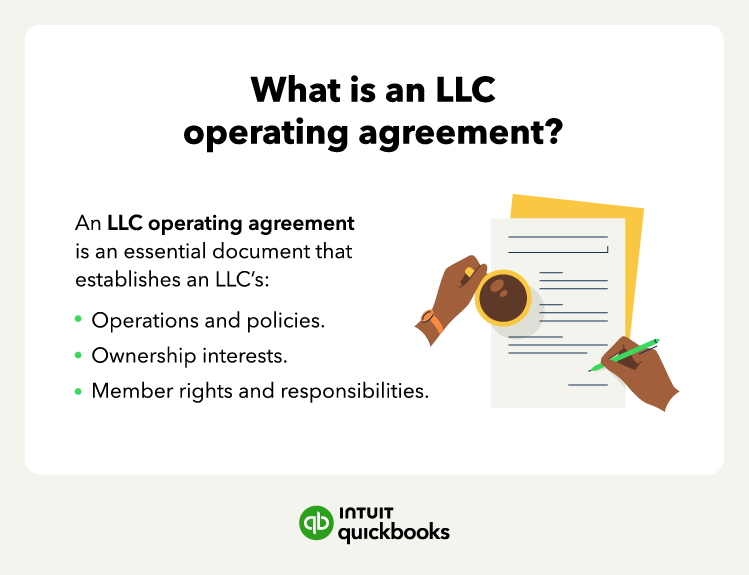
A graphic showcases the definition of an LLC operating agreement, a document you'll need when learning how to start an LLC.

Types of LLCs to consider in Alabama 

When establishing an LLC in Alabama, it's important to understand the different types available to determine which best suits your business needs.

Single-member LLC

A single-member LLC is owned by one individual or entity, providing liability protection while allowing for simplified management and taxation.

Multi-member LLC

A multi-member LLC consists of two or more members who share ownership. This structure offers flexibility in management and profit distribution among members.

Series LLC

A series LLC allows for the creation of multiple "series" or subdivisions within a single LLC, each with its own assets, liabilities, and members. This structure can be beneficial for businesses managing multiple properties or product lines. Alabama recognizes Series LLCs under the Alabama Business and Nonprofit Entities Code.

Manager-managed LLC

In a manager-managed LLC, members appoint one or more managers to handle the daily operations, allowing non-managing members to act as passive investors.

Member-managed LLC

In a member-managed LLC, all members actively participate in the management and decision-making processes of the company. This is the default management structure for LLCs in Alabama unless otherwise specified in the Certificate of Formation.

Costs of setting up an LLC in Alabama

Setting up a limited liability company in Alabama involves several fees: 

  • A $25 one-time fee to reserve your business name
  • A $200 one-time fee to file your Certificate of Formation
  • Registered agent service fees, if applicable, which typically start at $50 a year
  • All Alabama LLCs are subject to the Business Privilege Tax, which is due annually. The minimum tax is $100, but for taxable years beginning after December 31, 2023, taxpayers whose calculated tax is $100 or less are exempt from filing and paying this tax.

Other costs you may have to cover include late fees if you file any required paperwork after its due date and license or permit fees, especially if your business operates in a regulated industry.

Open an Alabama LLC business bank account

Establishing a dedicated business bank account for your Alabama LLC is essential to maintain liability protection and ensure a clear separation between personal and business finances. This separation helps safeguard your personal assets, streamlines tax filing, enhances bookkeeping efficiency, and strengthens your professional image.

What you'll need 

When opening a business bank account, you’ll typically need:

  • Your EIN 
  • Certificate of Formation, typically a certified copy
  • (Possibly) an operating agreement 
  • Personal identification

Out-of-state residents should consider choosing a bank with a presence in the state.

After opening your bank account, use QuickBooks accounting software can help manage your finances efficiently, supporting accurate recordkeeping and simplifying tax preparation.

LLC taxes in Alabama 

Alabama LLCs can be classified differently for federal tax purposes. They may be treated as a sole proprietorship (for single-member LLCs), partnership, C corporation, or S corporation. This classification affects how the LLC is taxed at both the federal and state levels.

Federal tax classification

Alabama LLCs can choose their federal tax classification, which impacts how they are taxed at the state level:

  • Single-member LLCs: Automatically treated as disregarded entities, with income and expenses reported on the owner's personal tax return.
  • Multi-member LLCs: Default to partnership taxation, requiring the filing of Form 1065 with the IRS.
  • Election as a corporation: LLCs can opt to be taxed as a C corporation or S corporation by filing the appropriate forms with the IRS.

State income tax

Alabama imposes a state income tax on personal income, which affects LLC members differently based on the entity's tax classification:

Pass-through entities

For LLCs taxed as sole proprietorships, partnerships, or S corporations, profits pass through to members' personal tax returns. Members are subject to Alabama's individual income tax rates which for 2025 range from 2% to 5%, depending on income levels.

C Corporations

LLCs electing to be taxed as C corporations are subject to Alabama corporate income tax. As of 2025, the corporate income tax rate is 6.5%.

Sales and use tax

Alabama imposes a sales tax on the retail sale of tangible personal property sold within the state. LLCs selling such items must collect and remit sales tax to the Alabama Department of Revenue. The general state sales tax rate is 4%, with additional local taxes varying by jurisdiction. Search for your local sales and use tax rates online at the Alabama Department of Revenue

Business Privilege Tax

All Alabama LLCs are subject to the Business Privilege Tax (BPT), which is an annual tax for the privilege of conducting business in the state. Most businesses pay a minimum of $100.

Employment Taxes

LLCs with employees in Alabama have specific tax responsibilities:

  • Withholding tax: Employers are required to withhold Alabama state income tax from employees' wages and remit these taxes to the Alabama Department of Revenue. To comply, employers must register for a withholding tax account number through the My Alabama Taxes (MAT) portal.
  • Unemployment Insurance Tax: All Alabama employers must register with the Alabama Department of Labor to pay UI taxes. New employers are assigned an initial UI tax rate of 2.7% on the first $8,000 of each employee's wages. After establishing an experience rating, employers may receive a different rate based on their individual employment history.

Alabama-related resources

Federal-related resources 

  • Small Business Administration (SBA): The SBA supports small businesses through various loan programs, including the 7(a) loan, provides resources for government contracting, and offers counseling and training programs to help entrepreneurs start and grow their businesses.
  • Internal Revenue Service (IRS): The IRS provides essential information for LLCs, including tax classifications, employer identification numbers (EINs), and filing requirements. Its Small Business and Self-Employed Tax Center offers guidance on tax obligations specific to LLCs.
  • U.S. Patent and Trademark Office (USPTO): For businesses looking to protect their intellectual property, the USPTO provides resources on how to apply for patents and register trademarks, which can be essential for safeguarding your unique products or services.
  • U.S. Department of Labor (DOL): The DOL's website offers information on federal labor laws, workplace safety regulations, and employee benefits that LLC owners need to consider when hiring staff.

Frequently asked questions

Disclaimer: 

This content is for information purposes only and information provided should not be considered legal, accounting or tax advice or a substitute for obtaining such advice specific to your business. Additional information and exceptions may apply. Applicable laws may vary by state or locality. No assurance is given that the information is comprehensive in its coverage or that it is suitable in dealing with a customer’s particular situation. Intuit Inc. does not have any responsibility for updating or revising any information presented herein. Accordingly, the information provided should not be relied upon as a substitute for independent research. Intuit Inc. cannot warrant that the material contained herein will continue to be accurate, nor that it is completely free of errors when published. Readers should verify statements before relying on them. 


Recommended for you

Mail icon
Get the latest to your inbox
No Thanks

Get the latest to your inbox

Relevant resources to help start, run, and grow your business.

By clicking “Submit,” you agree to permit Intuit to contact you regarding QuickBooks and have read and acknowledge our Privacy Statement.

Thanks for subscribing.

Fresh business resources are headed your way!

Looking for something else?

QuickBooks

From big jobs to small tasks, we've got your business covered.

Firm of the Future

Topical articles and news from top pros and Intuit product experts.

QuickBooks Support

Get help with QuickBooks. Find articles, video tutorials, and more.