
QuickBooks Blog
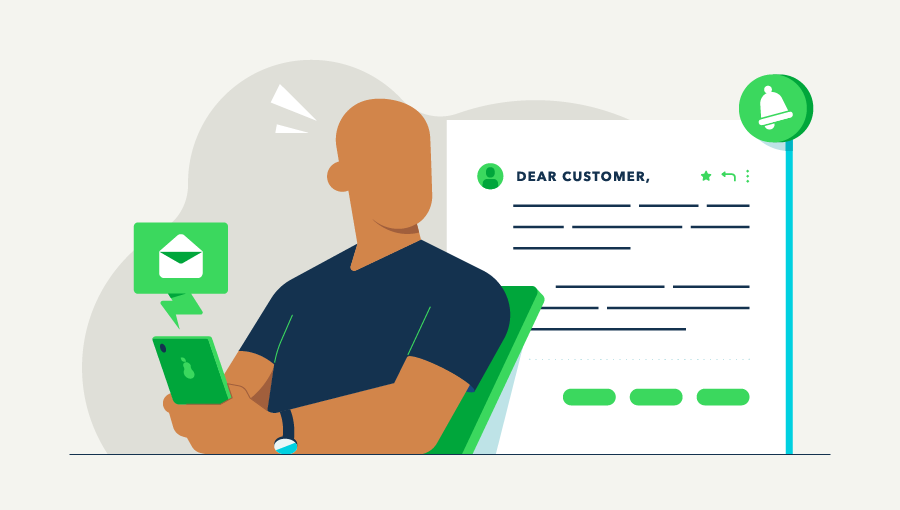
Man in green shirt holding a phone
Bookkeeping

Invoices, estimates, and payments on the go: how mobile invoicing works in 2026

As a small business owner, your work doesn't always happen behind a desk. You might be a contractor on a job site, a consultant visiting clients, or a vendor at a local market. In the past, creating estimates and sending customer invoices had to wait until you got back to the office, creating a delay between finishing the work and getting paid.

Today, your customers expect more. They're used to getting an estimate on the spot, paying for things instantly with a single tap, and they bring that same expectation to your business. They want fast, flexible ways to pay, right from their own devices. 

Mobile tools, like a mobile accounting app, empower you to meet and exceed those expectations. From your phone, you can create estimates, send invoices, and accept payments. You can also receive notifications when a payment comes through, so you always know where you stand. It reduces the gap between completing work and getting paid, giving you more control as you grow your business on the go.

Jump to:

What is mobile invoicing, and how does it work?

Mobile invoicing is the process of generating and sending professional invoices directly from a smartphone or tablet app, allowing you to request payments immediately upon completing a job.

It transforms your mobile device from a simple communication tool into a powerful point-of-sale and administrative center. Instead of scribbling notes to remind yourself to bill a client later, you handle the transaction in real time. For example, using the QuickBooks mobile app, you can turn a quote into an estimate or invoice in seconds and email or text it to your client before you even leave their driveway.

These easy-to-manage mobile accounting tools simplify invoice and estimate creation, client billing, and payment tracking, all in one place. Each transaction automatically creates a digital record that syncs with your accounting data.

What are mobile payments, and how do they work?

Mobile payments allow you to accept funds anywhere using your smartphone or tablet. This technology has evolved rapidly, moving from clunky hardware attachments to seamless, built-in features.

In 2026, accepting payment "on mobile" can happen through a few primary methods:

  • Tap to Pay on iPhone/Android: Tap to Pay technology uses the built-in NFC (Near Field Communication) chip in your smartphone to accept contactless payments without any extra hardware. You simply hold your phone near the customer's card or digital wallet to complete the sale. 
  • Mobile credit card readers: These are small hardware devices that plug into your phone's charging port or connect via Bluetooth. They allow you to swipe, dip, or tap physical credit and debit cards securely.
  • Digital wallets and links: You can accept payments via apps like Apple Pay, Google Pay, or Venmo directly through a payment link sent in your invoice or via a QR code displayed on your screen.

How invoicing and payments work together on mobile

The true power of mobile financial management comes when invoicing and payments are integrated. Instead of disjointed steps—creating an invoice in Word, emailing it, waiting for a check, and then driving to the bank—they become a single, fluid process.

Here’s how mobile invoices and payments work together to help streamline your work:

Create estimates and invoices from your phone

Invoice wherever work takes you and keep things moving without heading back to your desk. With mobile invoicing, you can create, send, and manage estimates and invoices directly from your phone.

  • Build estimates on the go: Create estimates on-site, pull in saved pricing, and capture client details so nothing gets missed.
  • Convert estimates into invoices: Turn approved estimates into invoices in just a few taps, reusing customer, product, and service details to save time and reduce errors.
  • Send invoices instantly: Email or text invoices as soon as the work is done to help speed up payment.

Accept payments anywhere, including in person

Make it easy for customers to pay you, whether you’re in the office or face-to-face.

  • Tap to Pay on iPhone: Take in-person payments without extra hardware. Using Tap to Pay on iPhone creates a smooth, contactless payment experience.
  • Accept cards and digital wallets: Let customers pay using credit cards or supported digital wallets directly from their invoice.
  • Mobile card readers: Use wireless card readers for added flexibility when you need to accept payments on the spot.
  • Payment options that grow with you: Digital wallet support continues to expand as new payment methods become available.

Track payments and get notified in real time

Monitor incoming payments in real time without extra admin work.

  • Instant payment notifications: Get notified as soon as an invoice is paid.
  • Automatic status updates: Invoice statuses update in real time, so you always know what’s outstanding.
  • Less follow-up work: Reduce manual tracking and spend less time chasing payments.

How mobile tools change cash flow and customer experience

Taking advantage of mobile tools can support healthier cash flow and a better, faster customer experience. Here’s how:

Faster payments with fewer follow-ups

Getting paid faster starts with making the process as simple and immediate as possible. Here’s how mobile tools and digital invoices can improve your collection rates:

  • Send invoices instantly to mobile devices: Customers check their phones multiple times a day, making it far less likely for an invoice to be overlooked compared to traditional mail.
  • Embed a "Pay Now" button: By including a direct payment option in texts or emails, you eliminate barriers like writing checks or logging into a banking portal. QuickBooks has found that with a “Pay Now” button, customers pay online up to 4x faster than with paper invoices.1

A more professional, modern experience

First impressions matter. Sending polished digital estimates and invoices from your phone helps your business look professional without extra effort.

  • Branded, professional documents: Share estimates and invoices that reflect your brand and build trust with customers.
  • Instant digital receipts: Send payment confirmations and receipts right away, so customers have proof of payment on the spot.
  • No paper, no hassle: Skip handwritten receipts and manual paperwork with everything handled digitally.
  • Stand out from competitors: A modern billing experience can set you apart from businesses still relying on pen and paper.

One system instead of disconnected tools

Keep invoicing, payments, and accounting working together in one place. With mobile invoicing connected to your accounting software, everything can stay in sync automatically.

  • All your tools, connected: Create invoices and estimates, accept payments, and track records in one system instead of juggling multiple apps.
  • Automatic syncing: Every transaction flows straight into your books, with income recorded and categorized for you.
  • Real-time visibility: See a clear, up-to-date picture of your business’s financial health without extra admin work.

Limitations to consider with mobile invoicing and payments

While mobile invoicing offers tremendous freedom, it is important to be aware of potential limitations so you can plan accordingly.

Reliable internet connection requirements

If you’re working in an area with poor cellular service, sending an invoice or estimate — or processing a payment on the spot — may be delayed. Some apps offer "offline mode" where you can draft an invoice or estimate to send later, but processing a credit card transaction usually requires a live connection.

Transaction fees as a trade-off for speed and convenience

Electronic payments come with processing fees. While getting paid via check is technically "free," it costs you time in trips to the bank and waiting for funds to clear. The fees associated with mobile payments (typically a small percentage of the transaction) are the trade-off for getting paid faster, reducing bad debt, and automating your bookkeeping. For most businesses, the efficiency gains far outweigh the cost.

Mobile device security best practices

Your phone is now a financial tool, which means security is paramount. You must ensure your device is password-protected and that you use apps with strong encryption, like QuickBooks. Avoid processing sensitive transactions over public, unsecured Wi-Fi networks. Treating your mobile device with the same security mindset as your bank account is essential.

Get paid faster with QuickBooks mobile invoicing and payments

Intuit QuickBooks 2025 Small Business Late Payments Report data revealed that over half (56%) of small businesses surveyed reported being owed money from unpaid invoices, averaging $17.5K per business. This contributes to cash flow problems. Mobile invoicing and payments, including features like Tap to Pay on iPhone, help address both by making it easier for QuickBooks customers to accept payments and manage everything in one place.

Disclaimers

Money movement services are provided by Intuit Payments Inc., licensed as a Money Transmitter by the New York State Department of Financial Services. For more information about Intuit Payments' money transmission licenses, please visit https://www.intuit.com/legal/licenses/payment-licenses/.

Tap to Pay on iPhone: Tap to Pay on iPhone requires a supported payment app and the latest version of iOS. Update to the latest version by going to Settings > General > Software Update. Tap Download and Install. Some contactless cards may not be accepted by your payment app. Transaction limits may apply. The Contactless Symbol is a trademark owned by and used with permission of EMVCo, LLC. Tap to Pay on iPhone is not available in all markets. For Tap to Pay on iPhone countries and regions, see https://developer.apple.com/tap-to-pay/regions/. Apple Pay is a service provided by Apple Payments Services LLC, a subsidiary of Apple Inc. Neither Apple Inc. nor Apple Payments Services LLC is a bank. Any card used in Apple Pay is offered by the card issuer.

**Product information

Apple Pay: Apple Pay is a registered trademark of Apple Inc.

Google Pay: Google Pay is a trademark of Google LLC.

Venmo is available only in the US.

© 2026 Intuit Inc. Intuit and QuickBooks are trademarks of Intuit Inc. 

This content is for information purposes only and information provided should not be considered legal, accounting or tax advice or a substitute for obtaining such advice specific to your business. Additional information and exceptions may apply. Applicable laws may vary by state or locality. No assurance is given that the information is comprehensive in its coverage or that it is suitable in dealing with a customer’s particular situation. Intuit Inc. does it have any responsibility for updating or revising any information presented herein. Accordingly, the information provided should not be relied upon as a substitute for independent research. Intuit Inc. does not warrant that the material contained herein will continue to be accurate, nor that it is completely free of errors when published. Readers should verify statements before relying on them.


Recommended for you

Mail icon
Get the latest to your inbox
No Thanks

Looking for something else?

QuickBooks

From big jobs to small tasks, we've got your business covered.

Firm of the Future

Topical articles and news from top pros and Intuit product experts.

QuickBooks Support

Get help with QuickBooks. Find articles, video tutorials, and more.