
Florida small business loans
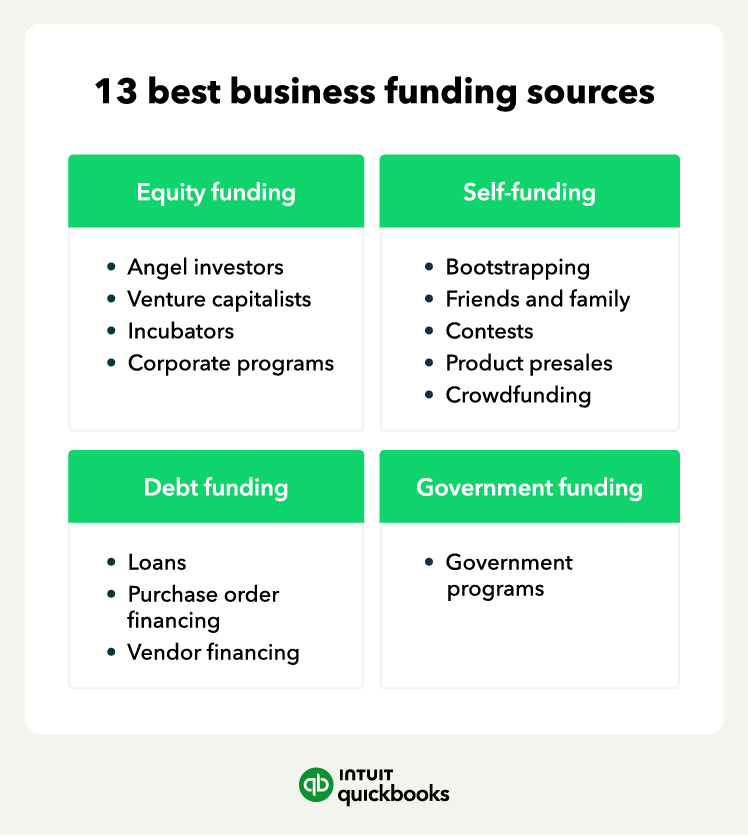
Florida businesses are often able to secure business loans if they’re not eligible for any grants. You could walk into a branch of a large bank and fill out a business loan application, or you could borrow money from a funding source with less rigorous underwriting standards. There are many kinds of business loans available, so it pays to compare options before signing anything.
1. SBA 7(a) loan program
The SBA 7(a) loan program is the nation’s most popular small business loan program. It’s designed to help businesses cover everyday expenses, expand operations, or refinance debt. Since these loans are backed by the SBA, lenders are more willing to approve funding, even for businesses that might not qualify for traditional loans.
2. SBA 504 loan program
The SBA 504 program backs loans of up to $5 million that are taken out by businesses that want to make major capital investments in machinery or infrastructure. This program provides long-term, fixed-rate financing to help businesses expand while keeping costs manageable.
3. Traditional bank loans
All of the large banks offer business loans, but they can sometimes be difficult to deal with. If your business is new or you do not have an established credit profile, a large bank may ask you to provide a cosigner or collateral if you apply for a loan.
4. Credit union loans
Credit union loans are a little easier to obtain than traditional bank loans. Credit unions were established to help people who have difficulty obtaining credit, so they tend to be a bit more flexible when they receive loan applications from business owners.
5. Commercial real estate loans
Residential mortgages are usually taken out for 15 or 30 years, but commercial real estate loans have to be paid back far more quickly. Commercial real estate lenders base their decisions on the amount of revenue a property will generate, which is why they typically lend to businesses that are constructing office buildings or shopping centers.
6. Equipment financing loans
You may not have to put any money down if you take out an equipment financing loan because the machinery you will purchase with the money will serve as collateral. Most major banks and credit unions offer equipment financing loans.
7. Line of credit loans
Lines of credit provide businesses with the working capital they need to meet their payroll obligations and fund their day-to-day operations. Even Fortune 500 companies with assets worth billions of dollars have lines of credit. When traditional lenders are unwilling to extend credit, a number of alternative financing options are available to business owners in Florida.
8. Florida Microfinance Guarantee Program loans
The Florida Microfinance Guarantee Program provides loans of between $50,000 and $250,000 to help business owners in Florida gain access to the funds they need to grow their companies. The program can guarantee up to 50% of a small business loan.
9. Community Development Financial Institutions loans
The CDFI program works with business owners who serve disadvantaged communities. The program has been running for 50 years, and it has helped hundreds of communities and thousands of small businesses.
10. Invoice factoring loans
Invoice factoring allows entrepreneurs to access money that is tied up in unpaid invoices. These loans are repaid when outstanding invoices are paid. If the outstanding invoice is not paid, the business owner will usually be expected to come up with the cash.
11. Merchant cash advances
This kind of lender advances money based on anticipated credit and debit card sales. If most of your customers pay with plastic, a merchant cash advance could be a convenient source of working capital.
Do you have to pay back loans in Florida as a small business?
Loans have to be repaid, but grants do not. Some business loans, like outstanding invoices and merchant advance loans, are repaid quickly, but most business loans have more conventional terms. Consult a financial advisor or accountant who can help you choose the best loan for your business and manage repayment effectively. You can also use our accounting software to compare loan packages and repayment terms.
Florida small business loan eligibility
The eligibility requirements of traditional and alternative business lenders are very different. Traditional lenders base their decisions on credit reports, down payments, and collateral, but alternative lenders tend to be more interested in things like outstanding invoices and monthly credit card sales. No matter which type of business loan you apply for, make sure to read all the fine print.
What can you use your Florida business loan for?
Some commercial loans are made for very specific purposes, while others provide business owners with working capital that they can spend as they wish. Loans that are used to purchase equipment or real estate usually have more attractive repayment terms because the assets being acquired serve as collateral. The interest rates on lines of credit and alternative loans tend to be higher, but they may still be affordable because they are paid off quickly.
What industries does Florida offer loans for?
Just about any business in Florida can apply for and obtain a loan of some sort. Grants are awarded to serve a greater purpose like redeveloping a disadvantaged area, but business loans are pure financial transactions. If the deal makes sense for the lender, the loan will be approved regardless of the type of business the applicant is engaged in.
How to get a business loan in Florida: Application process
Whether you’re considering a traditional bank loan, an SBA loan, or an alternative lender, follow these steps to improve your chances of approval and secure the best financing for your business:
1. Assess your financing needs
Determine how much funding you need, what it will be used for, and which loan type best suits your business.
2. Check your credit and financials
Review your business and personal credit scores, gather financial statements, and ensure your revenue supports loan repayment.
3. Prepare a business plan
Most lenders require a detailed business plan outlining your operations, revenue projections, and repayment strategy.
4. Research lenders
Compare options from banks, credit unions, online lenders, and state-backed programs to find the best terms and eligibility requirements.
5. Gather required documents
This typically includes tax returns, financial statements, legal business documents, and collateral details if needed.
6. Submit your application
Follow the lender’s specific process, whether online or in person, and ensure all required documents are included.
7. Await approval and funding
Lenders review your application, conduct underwriting, and may request additional details before issuing funds.