QuickBooks Blog
A small business owner works on a phone in a coffee shop
Kansas

Kansas small business funding grants and loans for 2025

Did you know that Kansas is experiencing dramatic economic growth? The state has been recognized for attracting high-value investment projects across various sectors, including aerospace, energy, natural resources, and advanced manufacturing. This means there’s a lot of opportunity—whether you're dreaming of opening a quirky coffee shop in Wichita or growing your tech startup in Kansas City.

Fortunately, there are a variety of funding opportunities and resources in the Sunflower State to help your business thrive. In this guide, we'll break down two major funding avenues: Kansas small business grants and Kansas small business loans, including the popular SBA 7(a) loan. We'll also provide insights on other ways to get the funds you need to realize your entrepreneurial dreams.

Jump to:

Grants vs. Loans: Understanding your funding options

Outside funding is a key part of starting up and growing for many businesses. Grants and loans can provide the funding options your business needs, but they work differently, so be sure you’re familiar with the differences before applying for either.

Grants

Grants are funding that typically does not have to be repaid, usually issued by government agencies, nonprofits, or other organizations. However, they often come with stringent eligibility criteria and application processes. Kansas offers several grant programs for small businesses.

Loans

Business loans involve borrowing money from banks, credit unions, or other financial institutions with an agreement to repay the principal amount plus interest. Loans can be used for various business needs, such as purchasing equipment, expanding operations, or managing cash flow. While loans require repayment, they allow entrepreneurs to retain full ownership of their businesses.

What to consider before applying

If you’re exploring small business funding in Kansas, these are some key questions to consider before applying for a grant or loan:

How hard is it to get a business loan in Kansas?

The difficulty of obtaining a business loan in Kansas varies depending on several factors, including your credit history, business financials, and the specific lender's requirements. Generally, having a strong credit score, a solid business plan, and collateral can increase your chances of approval. However, various loan programs and resources are available to assist businesses with different qualifications, making it easier to find the right fit for your needs.

Do you have to pay back loans in Kansas as a small business?

Yes, loans must be repaid, usually with interest, according to the terms agreed upon with the lender. This applies to all types of loans, including those obtained from banks, credit unions, or government-backed programs like the SBA 7(a) loan.

Are there free funding programs for Kansas small businesses?

Yes, Kansas offers several grant programs that provide free funding to small businesses. These grants are typically awarded based on specific criteria, such as industry, business size, or location. It's important to research the various grant opportunities and their eligibility requirements to determine if you qualify.

4 Kansas small business grants

Kansas offers a diverse range of business grants designed to fuel growth across various industries and company sizes. The application process can be competitive, so ensure you meet all eligibility criteria before applying. 

So, what grants are available in Kansas for small businesses? Here are a few grants and grant resources to consider:

1. Kansas Small Business R&D Acceleration Grant 

The Kansas Small Business R&D Acceleration grant program supporting research and development projects for Kansas small businesses. It provides a 50/50 matching grant up to $25,000 for R&D costs.

2. Kansas City GIFT Grants

Kansas City awards grants through its GIFT (Generating Income for Tomorrow) program to Black-owned businesses in underserved areas of the city. Businesses must be at least 51% Black-owned, located within certain areas, and have no more than $1 million in revenue.

3. Kansas Department of Commerce Grants

The Kansas Department of Commerce administers many different grants aimed at helping local businesses flourish. Check the Kansas business grants calendar for a complete list of upcoming grants, eligibility criteria, and how to apply.

4. Kansas Department of Agriculture Grants

Kansas is a critical agricultural region, and the Kansas Department of Agriculture offers a variety of grant programs that assist farmers. See the list of grants and cost share programs here.

A group of people that are sitting in front of a table.

Eligibility requirements for grants in Kansas

Eligibility for a specific grant will naturally vary by the nature of the grant, but most Kansas business grants consider some combination of the following:

  • Business size: Business grants for small businesses are often restricted to businesses based on their number of employees and/or annual revenue.
  • Location: Grants may target businesses in particular areas of Kansas, especially in economically distressed regions.
  • Financial need: Your business may be required to demonstrate financial need, such as revenue below a certain threshold.
  • Industry focus: Many grants also target businesses in specific key industries such as agriculture or technology.
  • Operational history: Some grants are restricted to businesses that have existed for a certain period — often three months, six months, or a year.
  • Commitment to initiatives: Businesses that create jobs, provide critical services, and support innovation are often prioritized for grant eligibility.
  • Matching funds: With some grants, businesses are required to contribute a matching portion of the funding themselves.
  • Ownership status: Grants may also prioritize businesses owned by people of a particular group, such as veterans, women, or disabled people. 
  • Required documentation: In many cases, grant applications are required to include a business plan, cash flow statements, balance sheets, and other key documents.

4 federal small business grants

Grants from the U.S. federal government may also be available as a source of funding for your business. These can include:

1. Small Business Innovation Research (SBIR) and Small Business Technology Transfer (STTR) Programs

The federal government offers grants through the SBIR and STTR programs to encourage technological innovation by small businesses. These grants are designed to assist businesses in bringing new technologies to market in key industries like healthcare, defense, and energy. To be eligible, businesses must meet federal guidelines and work with a partner agency within the federal government.

2. USDA Rural Business Development Grants

Businesses in rural locations should consider USDA Rural Business Development Grants. The US Department of Agriculture issues these grants to help small businesses in America’s rural areas afford expenses like training, hiring, and making equipment purchases. Businesses must be based in an area with fewer than 50,000 people to be eligible.

3. Minority Business Development Agency (MBDA) Grants

Minority-owned organizations that provide resources to businesses can get assistance from the US Department of Commerce through Minority Business Development Agency (MBDA) Grants. Typically, these grants go to nonprofit organizations and business development centers that help minority entrepreneurs grow their businesses.

4. Economic Injury Disaster Loans and Grants

For businesses that struggle due to economic downturns or natural disasters, federal grants and low-interest loans available through the Small Business Administration or Federal Emergency Management Agency are often a critical lifeline.

Additional grant resources for Kansas businesses

Business owners in Kansas can also seek out alternative sources of grant funding, including:

  • Local government grants: County and city governments often provide these grants to help local small businesses thrive.
  • Private foundation grants: Some nonprofits write grants for businesses that align with their mission, such as sustainable or minority-owned businesses.
  • Corporations: Companies also provide funding to entrepreneurs, particularly in critical business areas and underserved communities.

How to get a small business grant in Kansas: Application process

Applying for any kind of grant requires you to prepare carefully and pay attention to the detailed requirements of the specific grant. The steps below will help you navigate the process of how to get a business grant in Kansas.

1. Explore Kansas grant opportunities

Check the Kansas Department of Commerce’s grants calendar or other relevant resources to learn about grants that might be available to your business.

2. Assemble the necessary documents

Most small business grants require businesses to submit essential information like cash flow statements, licensing information, business plans, and proof of state business registration (if applicable). It’s a good idea to get these together ahead of time before you begin the application process.

3. Review the Notice of Funding Opportunity (NOFO) and be sure your business meets the requirements

Grant opportunities are typically announced through a Notice of Funding Opportunity (NOFO) statement. Read the grant’s NOFO thoroughly to verify that your business meets all of the conditions for eligibility, which might include factors like number of employees, industry, and annual revenue.

4. Prepare and submit your application

Follow the grant application’s instructions exactly and make sure to submit all required pieces of documentation before the deadline. 

5. Attend grant trainings if available

Many grants offer workshops and training sessions, either to assist businesses with their applications or to help businesses that have won grants maintain compliance and deploy funds more effectively. Whether you’re an applicant or a recipient, attending these workshops is often a smart call.

Applying for federal grants

1. Identify available federal grants

Use the grants.gov website and the sites of any relevant federal agencies to find grants your business might be eligible for. 

2. Obtain a Unique Entity Identifier (UEI)

Get registered with the federal government’s grant administration system at System for Award Management (SAM.gov) and get your UEI number. An active UEI registration is required to be eligible for federal grants.

3. Review the Funding Opportunity Announcement

Check the eligibility criteria, funding priorities, and application deadlines listed on the Funding Opportunity Announcement (FOA). 

4. Prepare your application package

Create a project narrative that includes your purpose, goals, and execution plan. You’ll usually need to include a comprehensive budget and plans for all required funds, as well as supporting documents like letters of recommendation and compliance certifications.

5. Submit your application

Submit your application through the required platform — typically grants.gov for federal grants. Make sure all of your components are properly formatted and that you submit before the deadline.

6. Follow up and wait for feedback

Check the status of your application in the portal regularly, and make sure you respond quickly to any requests for additional information. 

Applying for local, private, or corporate grants

1. Find grant opportunities

Look for grants through the websites of local governments, corporate programs, or private foundations for available funding opportunities. Review the application instructions and eligibility requirements.

2. Prepare required documents

Use small business accounting software to pull key financial statements and create a strong proposal outlining your proposed uses for the grant funds.

3. Submit your application

Assemble the required documents and follow the specific instructions for each grant.

4. Monitor and follow up

Track the status of your application within the portal (if one is available) and be sure to respond promptly to any follow-up requests.

Are there repayment requirements for small business grants in Kansas?

Typically, grants do not require repayment. However, it’s important to review specific terms and conditions for any fees or matching fund requirements.


4 Kansas small business loans

Loans are another popular funding option for small businesses in Kansas. Traditional bank loans can provide the necessary capital, but they also may include collateral and cash flow requirements that make them challenging for small businesses to access. Let’s look at some small business loans in Kansas designed to be friendly to small entrepreneurs:

1. GrowKS Loan Fund

The GrowKS Loan Fund seeks to help businesses flourish through inclusive lending, especially for businesses in under-invested areas and entrepreneurs from under-represented backgrounds. Borrowers may be required to provide matching capital investment.

2. eCommunity Partnerships

eCommunity Partnerships create locally-controlled funding centers across Kansas, where small businesses can access loans of up to $50,000. Check Network Kansas’s eCommunity Partnership center to learn more and find an eCommunity lender near you.

3. Small Business Administration 7(a) Loans

The US Small Business Administration also assists many Kansas entrepreneurs with affordable, low-interest loans through its SBA 7(a) loan program. Businesses that meet the SBA’s eligibility requirements may be able to access loans up to $5 million through participating lenders, which business owners can find through the Lender Match tool.

4. SBA Microloans

The SBA also offers microloans: small loans of $50,000 or less that help solve critical capital needs for small businesses. Check the SBA’s microloan information to learn about whether your business qualifies and find a microloan.

How to get a small business loan in Kansas: Application process

Whether you’re applying directly to a private lender or to a government-backed lending program, the loan application process will typically look something like this:

1. Determine your financing needs

Identify your business’s most pressing funding needs, how much capital you require, and the types of loan that might be a good fit.

2. Check your credit and financials

Use small business accounting software to pull key financial reports such as cash flow statements. Check your personal and business credit scores, then evaluate whether your business is likely to meet the application and repayment criteria.

3. Prepare a business plan

Most lenders will require you to provide a business plan, especially for a new business that hasn’t launched yet. Consider using the free business plan templates available online to speed up the process and organize essential information. 

4. Research lenders

Shop around for loans from multiple sources, including the SBA, state agencies in Kansas, or private and alternative lenders. Look at factors like interest rates and credit requirements to determine which ones are a good choice for your business.

5. Gather required documents

Each loan type may require different specific documents, but the majority will need standard financial statements such as an updated balance sheet and cash flow statement. You also might need documents such as LLC operating agreements.

6. Submit your application

Whether you’re applying online or in person, remember to follow the lender’s instructions closely to give your application the best chance.

7. Await approval and funding

Check your lender’s online portal and be sure to promptly respond to any requests for additional information.

Kansas small business funding resources and support

These resources offer more funding options, business coaching, and other support for Kansas small business owners:

Network Kansas

Network Kansas is a community development organization that supports Kansas entrepreneurs through access to Kansas business loans, grants, networking, and other resources. It’s a great place to start for entrepreneurs who need help growing or expanding their business.

Kansas Small Business Development Center

Need help launching or scaling your business? The Kansas SBDC provides a wide range of business coaching services for Kansas entrepreneurs, with topics ranging from social media to AI integration to using small business accounting software.

Kansas Entrepreneurship and Small Business Office

This division of the Kansas Department of Commerce offers a variety of resources for small businesses on its website, including grant listings, workforce development resources, and more. 

More options for small business funding in Kansas

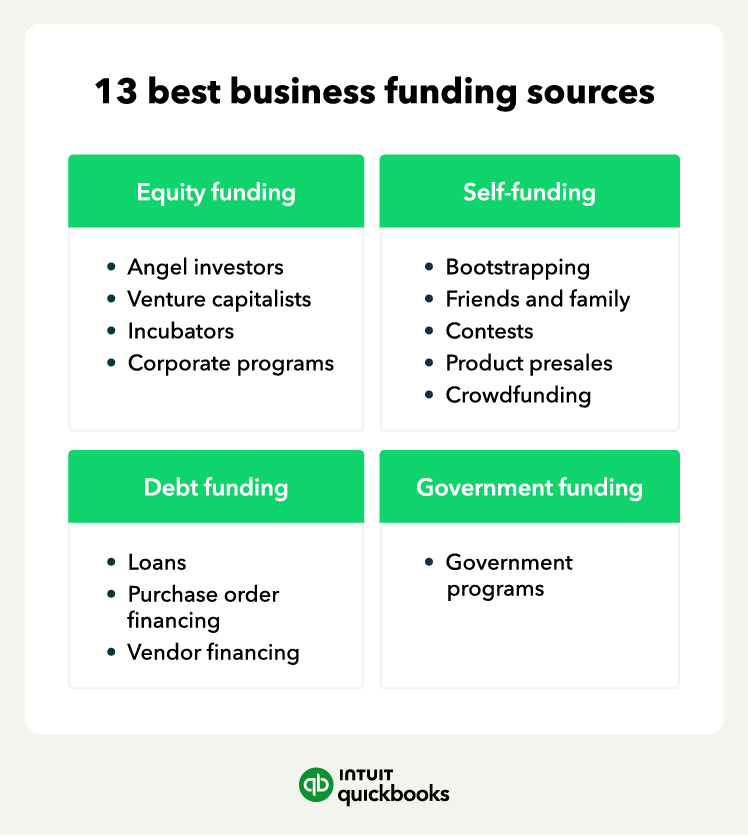
Loans and grants aren’t the only ways to fund a small business in Kansas. Some other ways to get funding for a business include:

Alternative lending

Alternative lenders offer more options for securing funding, from peer-to-peer loans to merchant cash advances to online term loans.

Angel investors

Angel investors are individuals who provide capital to startups in exchange for ownership equity or convertible debt. They often bring valuable experience, mentorship, and networking opportunities, although they often expect a high return on their investment and some degree of control over business decisions. 

Bootstrapping

Bootstrapping involves starting and growing your business using your personal savings or revenue generated by the business. This method allows entrepreneurs to control their business fully without taking on debt or giving up equity, but it requires significant personal financial investment.

Pitch contests

If you’ve ever seen Shark Tank, you’ll know the approximate idea behind this: Entrepreneurs pitch their businesses to contest judges, who award funding to the pitches that impress them the most. 

Corporate programs

Larger businesses sometimes offer resources and funding to small businesses and startups, especially ones developing promising technologies.

Crowdfunding

Crowdfunding platforms allow entrepreneurs to raise money from large amounts of small-dollar donors, which can provide sufficient capital to launch a new business or product.

Friends and family

For entrepreneurs with a strong social network, raising funds from family and friends can provide another flexible funding option.

Incubators and accelerators

These organizations help new start-ups grow by providing resources like mentorships and funding, although some come with requirements such as an equity stake in the business.

Product presales

Businesses can also generate funding by pre-selling products before they launch. Often used in combination with crowdfunding.

Vendor financing

If your business needs materials to get up and running, some suppliers may be willing to provide goods or services on credit with delayed payment terms.

Venture capitalists

These professional investors seek out businesses with high growth potential and offer them investments in exchange for stakes in their equity.

Disclaimer:

This content is for information purposes only and information provided should not be considered legal, accounting or tax advice or a substitute for obtaining such advice specific to your business. Additional information and exceptions may apply. Applicable laws may vary by state or locality. No assurance is given that the information is comprehensive in its coverage or that it is suitable in dealing with a customer’s particular situation. Intuit Inc. does not have any responsibility for updating or revising any information presented herein. Accordingly, the information provided should not be relied upon as a substitute for independent research. Intuit Inc. cannot warrant that the material contained herein will continue to be accurate, nor that it is completely free of errors when published. Readers should verify statements before relying on them.


Recommended for you

Mail icon
Get the latest to your inbox
No Thanks

Get the latest to your inbox

Relevant resources to help start, run, and grow your business.

By clicking “Submit,” you agree to permit Intuit to contact you regarding QuickBooks and have read and acknowledge our Privacy Statement.

Thanks for subscribing.

Fresh business resources are headed your way!

Looking for something else?

QuickBooks

From big jobs to small tasks, we've got your business covered.

Firm of the Future

Topical articles and news from top pros and Intuit product experts.

QuickBooks Support

Get help with QuickBooks. Find articles, video tutorials, and more.