QuickBooks Blog
A black woman business owner working in a coffee shop
Michigan

Michigan small business grants and loans for 2026

If you're a small business owner in the state of Michigan or you're thinking of starting a business for the first time, securing funding is essential to help get your idea off the ground. From Michigan small business grants to traditional Michigan small business loans, there are many different paths to consider. 

It’s important to be aware of the different funding options that are available to small businesses in Michigan and to choose the best option for your business. We’ll look at some of the most common options for Michigan small business grants and loans, plus tips for making the right choice.

Jump to:

Grants vs. loans: Understanding your funding options

A successful small business requires a plan for funding and sustaining operations, especially when you're just starting up. Learning about funding options in Michigan can streamline the process, save time, and ultimately help you get your business up and running in as little time as possible. 

To get started, let’s explore the differences between loans and grants:

Grants

Grants are a type of business financing that does not have to be repaid — essentially, the closest that a business can get to free money. However, they typically are available only to businesses that meet specific conditions. Most grants are issued through governments or community development organizations, and your business will need to complete a strict (and sometimes competitive) application process to be considered.

Loans

Loans are a more traditional type of business financing that must be repaid on a specified schedule, typically with interest. Loans are often more flexible than grants and come with fewer stipulations on how a business must use the funding. However, the application process will require you to demonstrate that your business is likely to pay back the loan.

What to consider before applying

Before you start your application for a business grant or loan in Michigan, consider these important questions:

How hard is it to get a business loan in Michigan?

Eligibility for business loans in Michigan will vary based on industry trends, credit history, and the financial health of your current business. Businesses that are experiencing challenges in getting a loan may want to consider government-guaranteed SBA 7(a) loans.

Do you have to pay back loans in Michigan as a small business?

Yes. Loans in Michigan must be repaid according to the original terms of the loan agreement, unlike grants, which rarely need to be paid back in full.

Are there free funding programs for Michigan small businesses?

Yes, some programs include grant programs such as the Michigan State Trade Expansion Program, or MISTEP. Let’s look at some of these options next.

5 Michigan small business grants

Small business grants can offer Michigan entrepreneurs the funding they need to launch and grow a business. Some are available statewide, while others are specific to cities or counties. 

So, what grants are available in Michigan? These are some of the most popular grants for Michigan businesses:

1. Michigan's State Trade Expansion Program (MI-STEP)

Currently, the MISTEP program offers financial assistance to small businesses in Michigan interested in expanding exporting opportunities (for both goods and services alike). MI-STEP grants help cover the cost of export training, marketing, and even attending relevant international trade shows. Those who are interested must own Michigan-based businesses that are interested in exporting services or goods to another international country or territory.

There are no application fees, but specific expenses must be incurred if you're interested in qualifying for reimbursement. Applying for MISTEP is possible via the Michigan Economic Development Corporation, MEDC, by submitting an application that includes detailed expenses and intentions or plans.

2. Motor City Match grants

Business owners in Detroit may qualify for grants and additional Michigan-based resources for those who require equipment or renovation assistance. Businesses interested in assistance must be based in Detroit with a Detroit address and qualifying business plan. Applying for Motor City Match grants can be done via the DEGC, or Detroit Economic Growth Corporation with a valid business plan and project proposal.

3. Match on Main grant programs

If you have an MI small business that focuses on exterior and esthetic improvements of properties and storefronts, the Match on Main grant programs can help. Businesses that are currently active and located in Main Street communities and that can provide a match of funds for the desired grant may qualify. Those who qualify in Michigan for Match on Main grant programs may be eligible to receive up to $100,000, depending on the funds matched initially. 

While there are no application fees, match requirements are necessary for this Michigan grant. You can apply for Match on Main grant programs via the Michigan Economic Development Corporation (MEDC) with cost estimates and a comprehensive project proposal.

4. Michigan Workplace Improvement to Safety and Health (MIWISH) grant program

Entrepreneurs and business owners who own organizations in need of assistance when it comes to improving the safety and health conditions of their workplace may qualify for the Michigan Workplace Improvement to Safety and Health (MIWISH) Grant Program. The MIWISH Grant Program in Michigan can cover up to 50% of the cost of health and safety improvements for qualifying businesses or organizations.

To qualify, businesses must demonstrate the need for improvements regarding health and safety concerns in their commercial property or environment. While there is no application fee, grant funds are awarded based on project costs that are approved with each individual application. To apply for the MIWISH grant for your small business, you can do so by submitting a detailed proposal and application (including detailed cost calculations and improvement needs) to the Michigan Occupational Safety and Health Administration, or MIOSHA.

5. City of Wayne Facade Improvement program grants

If you're a business owner living or operating in the city of Wayne (not to be confused with Wayne County, which is home to Detroit) and you're searching for useful Michigan small business grants, you may qualify for the City of Wayne Facade Improvements Program. Business owners in the city of Wayne may qualify for the City of Wayne Facade Improvement Program Grant if they can demonstrate that their commercial property (which must be located in Wayne) requires facade improvements.

Those who qualify may receive up to 50% of the total estimated costs associated with facade renovations. Awards are granted to business owners based on approvals and business needs along with project estimates. If you're interested in applying for the City of Wayne Facade Improvement Program, you can do so by submitting an application to the City of Wayne directly, including project details, evidence of facade restoration needs, and cost estimates. 

A group of people that are sitting in front of a table.

Eligibility requirements for grants in Michigan

Anytime you're seeking grants or funding for your business venture, you'll need to meet certain eligibility requirements. 

When it comes to applying for Michigan business grants, qualifications will often include:

  • Business Size: Michigan small business grants are typically limited in eligibility based on the number of employees a business has — often 500 or fewer.
  • Financial Statements: Financial statements and banking statements may be required, depending on the funding you are requesting at the time.
  • Business Plan: A comprehensive and detailed business plan is recommended to demonstrate your knowledge of a particular market or industry.
  • Business Type: Most grant programs require individuals to have an officially recognized business type to qualify (such as LLCs, proprietorships, partnerships, and standard corporations). 
  • Location: All businesses interested in benefiting from state-level grant programs must currently be located in and operated out of Michigan.
  • Job Creation: Businesses must demonstrate the ability to generate jobs, job retention, and ultimately, revenue for the state to qualify.
  • Matching Funds: Some businesses may be required to contribute a portion of their own funds to match grant money.
  • Financial Record: Demonstrating financial stability with proper financial plans and accounting can help streamline the process of applying for any grant in Michigan.
  • Compliance: Eligible businesses must meet state regulatory laws along with local and federal regulations. You must also hold and maintain necessary permits and licenses for your preferred business type to qualify for many grant programs.

4 federal small business grants

Grants from the federal government may also be available to your business. Some federal grants for Michigan business owners to consider applying for include:

1. Small Business Innovation Research (SBIR) and Small Business Technology Transfer (STTR) Programs

Businesses engaged in technological research and development may be able to obtain funding through SBIR and STTR grants. The purpose of these grants is to help small businesses develop and productize new technologies in essential industries like energy, healthcare, and defense. Businesses must meet federal eligibility guidelines and must usually partner with a federal agency like the Department of Defense or National Science Foundation.

2. USDA Rural Business Development Grants

To help small businesses in rural communities grow and flourish, the US Department of Agriculture (USDA) issues Rural Business Development Grants. Businesses can use these funds for job training, infrastructure improvements, and other essentials. These grants are available to businesses that operate in areas with a population of 50,000 or fewer.

3. Minority Business Development Agency (MBDA) Grants

The US Department of Commerce’s MBDA program helps minority-owned businesses access the capital they need to thrive. MBDA grants are usually awarded to nonprofit organizations and business development centers that help minority business owners secure funding and provide business training.

4. Economic Injury Disaster Loans and Grants

If your business is threatened by an economic downturn or a natural disaster, you may qualify for federal grants or low-interest loans issued through agencies such as the SBA and the Federal Emergency Management Agency (FEMA). 

Additional grant resources for Michigan businesses

Michigan business owners should be familiar with all of their options for grants, including:

  • Local governments: City- and county-level governments frequently offer business grants that help with business development and revitalization.
  • Private foundations: Nonprofits often offer grants to businesses that align with their mission, such as racial equality or sustainability.
  • Corporations: Private businesses may also provide funding to smaller organizations, particularly in underserved communities or essential sectors.

How to get a business grant in Michigan: Application process

Applying for any kind of business grant requires attention to detail and careful preparation to ensure that you meet the application requirements. This step-by-step guide provides an introduction to how to apply for a small business grant in Michigan:

Applying for Michigan-sponsored grants

1. Explore Michigan grant opportunities. 

Check the Michigan Economic Development Corporation’s I Need Funding page to learn about grant opportunities for your Michigan small business.

2. Assemble the documentation you need.

Most grant applications require documents like income statements, business plans, licenses, and proof of business registration. You’ll want to have these documents prepared in advance so you’ll know they’re ready when the window opens for grant applications.

3. Review the Notice of Funding Opportunity (NOFO) and be sure you meet the pre-qualification requirements.

Grant opportunities are typically announced through a Notice of Funding Opportunity (NOFO). Review the NOFO associated with the grant and verify that your business meets all the eligibility conditions. These might include your business’s number of employees, revenue, industry, connection to the community, or any of a variety of other factors.

4. Prepare and submit your application.

Follow the grant application’s instructions to the letter and submit all required documentation to ensure that your business meets the grant requirements.

5. Attend grant trainings if available.

Some grants offer trainings and workshops to help businesses improve their applications, or to improve their compliance and grant management after receiving the grant. Attending these trainings is an excellent choice for getting the most from your grants, whether you’re an applicant or a recipient.

Applying for federal grants

1. Identify opportunities for federal funding.

Use Grants.gov and federal agency websites to find grants your business may be eligible for. 

2. Obtain a Unique Entity Identifier (UEI).

Apply for a UEI with the federal government’s System for Award Management (SAM). To remain eligible for federal grants, your business must maintain an active SAM account and UEI.

3. Review the Funding Opportunity Announcement (FOA).

The FOA contains critical information like deadlines, eligibility, evaluation criteria, and objectives. Note any required documents and key deadlines.

4. Prepare your application package.

Following the FOA instructions, prepare your grant application package. Typically, this will include a proposal that details your requested funding, justifications, and your plan for how to use the funds. Gather key supporting documents like letters of recommendation and compliance certifications.

5. Submit your application.

Submit your application through the required platform, which will typically be Grants.gov for federal grants. Make sure your application is complete and properly formatted, then submit it before the deadline.

6. Follow up and wait for feedback.

Use the submission portal to monitor your application status. You might receive requests for additional clarification or information, so make sure to respond promptly to these.

Applying for local, private, or corporate grants

1. Find grant opportunities.

You can often find grants through the websites of the governments, foundations, or corporations that provide them.

2. Prepare required documents.

Gather any required documents like business plans and financial statements, then create a strong proposal that follows the requirements outlined in the funding opportunity statement.

3. Submit your application.

Submit your application package through the specified platform, being sure to follow all instructions exactly.

4. Monitor and follow up.

Track the status of your grant application and respond to any requests for additional information.

Are there repayment requirements for small business grants in Michigan?

Most grants in Michigan do not require repayment, so long as the funds are used appropriately. Performance reporting and compliance may be necessary.


5 Michigan small business loan programs

Michigan’s Capital Access Program is a state government initiative that includes several programs created to provide affordable financing to Michigan small business owners. These options, plus the federal Small Business Administration’s 7(a) loan program, give entrepreneurs several choices for finding the right financing.

1. Collateral Support Program

The Collateral Support Program helps secure loans for small business owners facing collateral challenges. Financing is available from a wide variety of participating financial institutions, although loans of over $500,000 are generally restricted to businesses in specific industries. 

2. Loan Participation Program

For small businesses whose lack of cash flow is making it hard to get a loan, the Loan Participation Program can help. This program purchases a portion of a lender’s loans to a small business and offers the small business a grace period of up to 36 months to help improve cash flow. Businesses may have no more than 750 employees, and loans over $500,000 are again restricted to specific industries.

3. Loan Guarantee Program

As its name suggests, the Loan Guarantee Program guarantees bank loans to Michigan small businesses. It generally works with loans under $250,000 and helps mitigate the risk that banks take in lending to small businesses. 

4. Capital Access Program

The Capital Access Program works with participating financial institutions to help businesses with 500 or fewer employees finance capital improvements. With a few exceptions, it’s available to businesses in most industries. 

5. Small Business Administration 7(a) Loan

Finally, every small business should be familiar with the US Small Business Administration’s 7(a) loans. These government-guaranteed loans can offer up to $5 million in financing to a wide variety of small businesses, so long as they meet the SBA’s eligibility requirements. 7(a) loans are offered through participating financial institutions, and businesses can use the Lender Match tool to find a lender that fits their needs.

Michigan small business loan eligibility

It’s always important to review the eligibility requirements for a Michigan small business loan and verify that your business meets them. While the requirements may vary between loan types, some of the most common are:

  • Location: Your business must operate within the state of Michigan.
  • Independently owned: Your business usually can’t be part of a larger corporation.
  • Number of employees: Many loans cap the allowable number of employees at 500, although some may be lower or higher.
  • Eligible activities: Most state loan types are restricted to purposes that generate significant economic activity, like startup costs. They typically can’t be used for purposes such as passive real estate investments.

What can you use your Michigan business loan for?

Michigan business loans can be used for a variety of purposes, and they often offer more flexibility than grants in how you deploy the funding your business receives. Nevertheless, you should carefully read the terms of the loan to verify that you’re using the funds for an allowed purpose.

Many small business loans in Michigan can be used for any or all of the following:

  • Startup costs
  • Expansion
  • Operational costs
  • Seasonal needs
  • New equipment
  • Upgrades
  • Real estate investments
  • Inventory
  • Supplies
  • Marketing
  • Research & development
  • Debt consolidation
  • Training

What industries does Michigan offer loans for?

Michigan provides small business loan opportunities for almost all industries, ranging from manufacturing, healthcare, and technology, to retail, construction, education, and the arts. Check the requirements of the individual loan you’re applying for to verify that your business is eligible.

How to get a business loan in Michigan: Application process

While some loan programs may include unique elements in their application process, most will require your businesses to follow these steps:

1. Assess your business needs.

Determine how much capital you need, what you need it for, and the types of loan that might be most suitable for your business.

2. Check your credit and financials.

Review your credit information and analyze your key financial statements using small business accounting software. Evaluate whether your business is likely to meet the loan criteria based on aspects like current revenue, cash flow, and collateral. 

3. Make sure your business plan is ready.

Most lenders will want to see a copy of your business plan, especially if your business has not yet launched. If you’re not sure where to start, consider using some of the free business plan templates available online.

4. Research available lenders.

Look into all the sources of loans available to you, from SBA loans to state government financing to private or alternative lenders. Evaluate interest rates, repayment terms, and credit requirements to determine which ones are a good fit.

5. Gather required documents.

Specific required documents may vary between lenders and loan types, but most will require an updated balance sheet, cash flow statement, and income statement. Documents such as an LLC operating agreement that identifies principals and ownership stakes may also be required.

6. Submit your application.

Whether your lender’s application process is handled online or in person, remember to follow the directions closely to give your business the best chance at financing possible.

7. Await approval and funding.

Regularly check the portal you applied through and respond promptly to any information requests from your lender’s underwriters or other parties. 

Michigan small business funding resources and support

These additional resources help provide support for Michigan entrepreneurs through funding, training, business coaching, and other essentials:

Michigan Economic Development Corporation

Many of the loan options we’ve already discussed are administered through the MEDC, an organization dedicated to providing funding options and business assistance for small businesses in Michigan. In addition to loans, the MEDC offers resources for hiring talent, sourcing suppliers, and other key functions of a small business.

Michigan Small Business Development Center

The MSBDC is a one-stop information resource for all things small business-related in Michigan. From cybersecurity training to using accounting software to creating a business plan, the MSBDC offers a wide selection of coaching, consulting, and guides to help current and aspiring small business owners.

Michigan Venture Capital Association

Venture capital and angel investors can be another option for Michigan small business owners seeking funding. The MVCA offers resources ranging from seminars to networking events that help connect entrepreneurs with capital funds and investors who are interested in funding their businesses.

More ways to fund your small business in Michigan

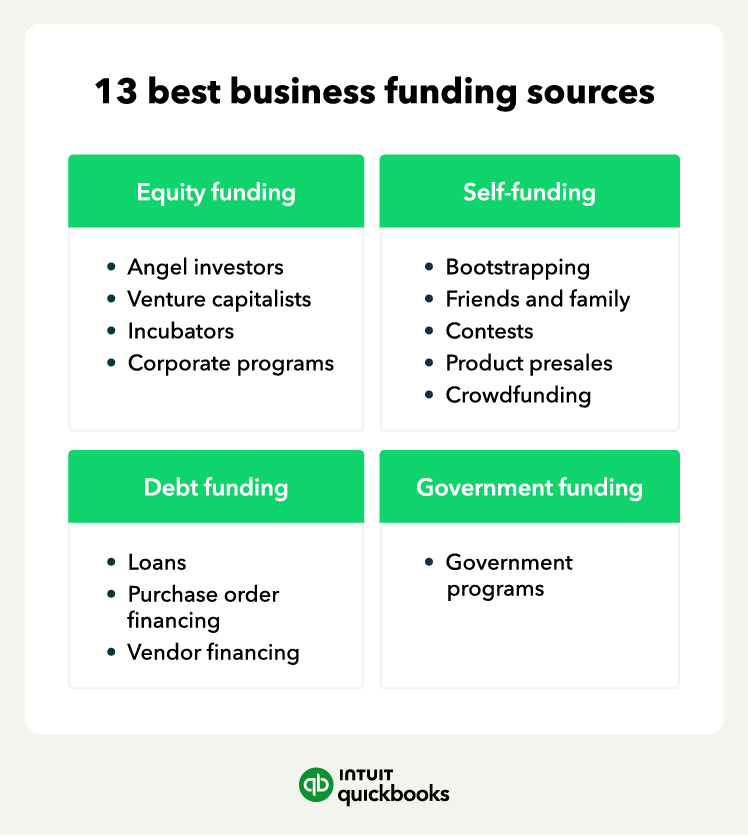
While grants and loans are the most popular funding options for starting a small business in Michigan, they’re not the only choices. These are some of the other choices that Michigan business owners have when searching for funding:

Alternative lending

Increasingly, business owners are turning to alternative lending sources that may offer more flexible terms, including peer-to-peer loans, online term loans, and merchant cash advances.

Angel investors

An angel investor is an established entrepreneur who seeks to reinvest their funds in others’ businesses, usually for a stake in the business’s ownership.

Bootstrapping

If you don’t want to rely on outside funding sources at all, you might consider bootstrapping: starting a business using only your own savings and income.

Pitch contests

A variety of organizations sponsor pitch contests, which often offer cash or other financial rewards to businesses that win. (Think Shark Tank.)

Corporate programs

Some larger businesses offer resources, funding, and mentorship to smaller businesses and startups.

Crowdfunding

Crowdfunding uses online platforms to raise funds from hundreds or thousands of small-dollar donors.

Friends and family

Raising money from your personal social network can be a flexible and practical source of funding for some entrepreneurs.

Incubators and accelerators

These organizations support startups with resources like funding and mentorships, although some may require a stake in future equity.

Microloans

These small, short-term loans from nonprofits, government programs, or alternative lenders can provide needed financing for businesses that don’t qualify for traditional loans.

Product presales

Some businesses generate upfront capital by selling products before they are produced, often in combination with crowdfunding.

Vendor financing

Suppliers sometimes provide goods or services with delayed payment terms to allow new small businesses to get their cash flow up and running.

Venture capitalists

These are professional investors whose firms invest in companies with high growth potential in exchange for an equity stake.

Disclaimer:

This content is for information purposes only and information provided should not be considered legal, accounting or tax advice or a substitute for obtaining such advice specific to your business. Additional information and exceptions may apply. Applicable laws may vary by state or locality. No assurance is given that the information is comprehensive in its coverage or that it is suitable in dealing with a customer’s particular situation. Intuit Inc. does not have any responsibility for updating or revising any information presented herein. Accordingly, the information provided should not be relied upon as a substitute for independent research. Intuit Inc. cannot warrant that the material contained herein will continue to be accurate, nor that it is completely free of errors when published. Readers should verify statements before relying on them.


Recommended for you

Mail icon
Get the latest to your inbox
No Thanks

Looking for something else?

QuickBooks

From big jobs to small tasks, we've got your business covered.

Firm of the Future

Topical articles and news from top pros and Intuit product experts.

QuickBooks Support

Get help with QuickBooks. Find articles, video tutorials, and more.