

Texas, known for its business-friendly climate and lack of state income tax, is an ideal place to start and grow your sole proprietorship. Whether you dream of opening a food truck in Austin, starting a freelance graphic design business in Houston, or launching a tech startup from your home in Dallas, the Lone Star State can be a great launching pad for your entrepreneurial journey. For a complete overview of starting any type of business, see our guide to starting a business in Texas.
While sole proprietorships are one of the most straightforward types of businesses to start, there are still some key checkpoints that every Texas sole proprietor will need to hit. Let's explore the steps to get your Texas sole proprietorship off the ground.
Jump to:
- What is a sole proprietorship?
- Why consider a sole proprietorship in Texas?
- Texas SMB data in 2026
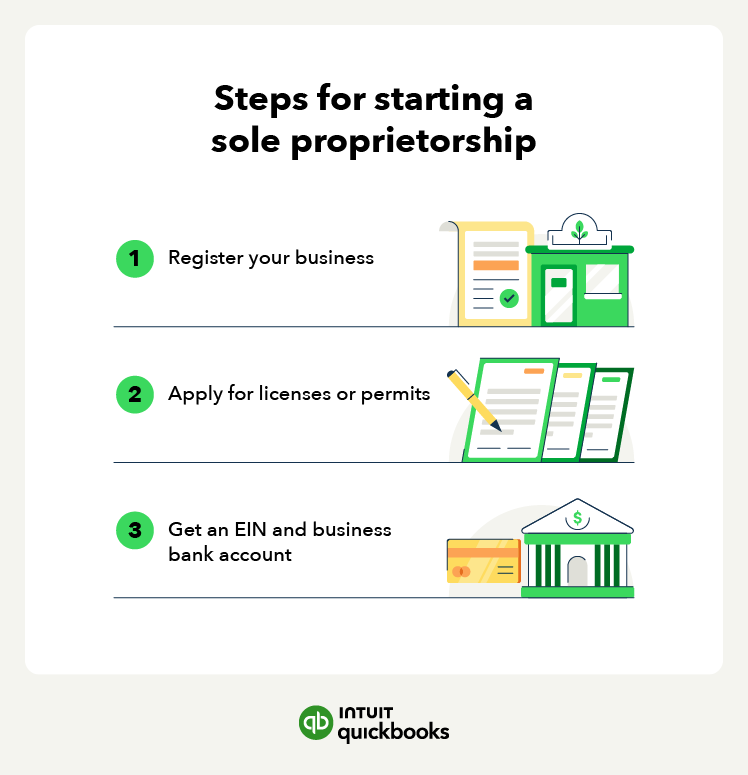
- Steps for how to start a sole proprietorship in Texas
- Step 1: Choose a name for your Texas sole proprietorship
- Step 2: File a trade name and obtain an Assumed Name Certificate
- Step 3: Obtain licenses and permits for your sole proprietorship
- Step 4: Get an EIN
- Step 5: Open a bank account for your sole proprietorship
- Step 6: Get insurance for your sole proprietorship
- Step 7: Maintain compliance: Report and pay your taxes
- Benefits of operating a sole proprietorship in Texas
- Disadvantages of operating a sole proprietorship in Texas
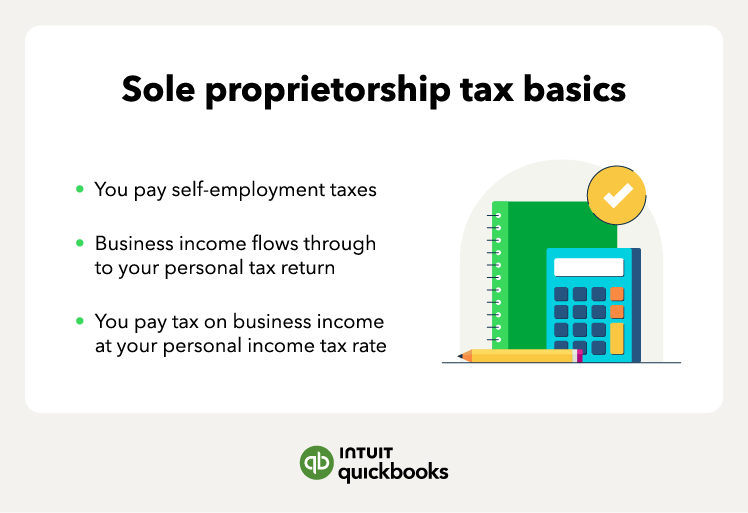
- How are sole proprietorships taxed in Texas?
- Texas resources for small businesses
- Federal resources for small businesses