







BLACK FRIDAY SALE  
70% OFF 
QuickBooks
for 3 months  Ends 11/30
QuickBooks Blog
A black man business owner works behind a counter
Georgia

Georgia small business grants and loans for 2025

Whether you're just starting out as an entrepreneur or you've been in business for quite a while, one thing that you need to deal with as a business owner is funding. Fortunately, obtaining funds for new projects, marketing campaigns, employees, and so forth can be achieved thanks to federal funding like the SBA 7(a) loan

However, did you know that there's also funding on the state level through opportunities like Georgia small business grants and Georgia small business loans? We'll address these different funding opportunities for your small business below so that you can fast-track your success by getting the funding you need when you need it.

Jump to:

Grants vs. loans: Understanding your funding options

The costs of starting up a business can be high, and many entrepreneurs use funding options such as grants and/or loans to help cover their costs. Both loans and grants can give you the funds you need, but they work differently — so take note of these key ways they diverge:

Grants

Grants are funding that businesses typically do not have to pay back, often issued by governments or community organizations to help small businesses flourish. Grants often come with strict compliance requirements and a competitive application process.

Loans

Loans are a more traditional form of funding that must be repaid over time, usually with interest. However, they often offer more flexibility in how they’re used.

Things to know before you apply

Before you begin applying for loans or grants for your small business in Georgia, think about these key factors:

How hard is it to get a business loan in Georgia?

The type of business loan that you attempt to secure will determine how hard it is to get. Typically, traditional business loans are the most challenging to get for startups and small businesses. However, with government grants and loan programs, you can easily gain access to the funding you need without too much of a hassle.

Are there free funding programs for Georgia small businesses?

The most popular free funding programs in Georgia are going to be government grants. These don't require any repayment.

Do you have to pay back loans in Georgia as a small business?

If you take out a loan, you'll be required to pay it back according to the repayment schedule established at the time of the loan's origination. However, businesses don't typically have to pay back the funds awarded to them via grants.

3 Georgia small business grants

The state of Georgia and the federal government offer loads of grant opportunities for all different types of small businesses within the state of Georgia. From rural business development to funding for entrepreneurs who complete necessary enrichment programs, there are many options to choose from.

What grants are available in Georgia for small businesses? These are some of the most important ones for entrepreneurs in Georgia to know about:

1. OneGeorgia Authority Grants

OneGeorgia is a state development authority that offers grants to help small businesses purchase equipment, infrastructure, land, and much more to boost economic development in rural Georgia communities. Check the OneGeorgia Authority site to learn about available funding opportunities.

2. Cobb County Entrepreneurship Grants

As part of the high-growth metro Atlanta area, Cobb County is a hub for entrepreneurship — and these grants can help small businesses in the county expand. Cobb County Entrepreneurship Grants offer up to $10,000 for small businesses to help them improve their infrastructure, technology, marketing, and more.

3. Georgia Export Grant

To help Georgia entrepreneurs compete in global markets, Georgia Export Grants help reimburse the expenses that businesses incur for their export activities. These can include everything from visiting international trade shows to attending training programs to paying export credit insurance premiums. 

A group of people that are sitting in front of a table.

Eligibility requirements for grants in Georgia

The eligibility requirements for Georgia business grants vary widely, but many will evaluate some combination of the following:

  • Business size: Georgia defines a small business as an independently-owned enterprise with either under $30 million in yearly revenue or under 300 employees.
  • Location: Some grants may only be available for businesses that operate in specific areas, especially disadvantaged regions.
  • Financial need: Grants may require your business to demonstrate financial need or that it has been negatively impacted by certain events.
  • Industry focus: Many grants focus on businesses in specific key industries, such as sustainable development or science and technology.
  • Operational history: Some grants also require your business to have been in operation for a certain number of years to be eligible.
  • Commitment to initiatives: You’ll also find some grants available to businesses that provide a specific community need, such as job creation or technological advancement.
  • Matching funds: Certain grants may require your business to match the grant funds using its own capital.
  • Ownership status: In some cases, grants prioritize businesses owned by veterans, women, or minority groups for funding.
  • Required documentation: Most grants will also require you to submit key financial documents like business plans and income statements as part of your application.

4 Federal small business grants

The U.S. federal government also provides several types of small business grants in Georgia, including:

1. Small Business Innovation Research (SBIR) and Small Business Technology Transfer (STTR) Programs

The federal SBIR and STTR programs help small businesses develop and commercialize new technologies in critical industries like defense, energy, and healthcare. To be eligible, your business must meet federal guidelines and may be required to partner with a government agency like the National Science Foundation or the Department of Defense.

2. USDA Rural Business Development Grants

Entrepreneurs in rural Georgia may be eligible for a Rural Business Development Grants (RBDG) from the US Department of Agriculture. These funds help rural communities thrive by assisting small businesses with training, technical assistance, and infrastructure improvements. To be eligible, businesses must operate in areas with a population of fewer than 50,000 people.

3. Minority Business Development Agency (MBDA) Grants

The U.S. Department of Commerce offers grants to support minority-owned businesses through the Minority Business Development Agency (MBDA). MBDA grants are usually issued to nonprofit organizations and business development centers that help minority entrepreneurs with critical needs like business training and expansion opportunities.

4. Economic Injury Disaster Loans and Grants

To help businesses bounce back from economic downturns and natural disasters, federal agencies like the SBA and the Federal Emergency Management Agency (FEMA) often offer grants to small businesses.

Additional grant resources for Georgia businesses

Georgia business owners can also look for grants through sources such as:

  • Local governments: City- and county-level governments may offer grants that help local businesses thrive and compete.
  • Private foundations: Private nonprofit organizations often have grants available for businesses that align with the organization’s mission.
  • Corporate grants: Other businesses may also provide funding to entrepreneurs, especially if they serve underserved communities and/or key industries.

How to get a small business grant in Georgia: Application process

Whether you’re applying for a federal, state, or local grant, you’ll need to pay close attention to the application process. While the process varies according to the specific grant, this step-by-step guide on how to apply for a small business grant in Georgia can help you maximize your chances of getting the grant your business needs.

Applying for Georgia-sponsored grants

For grants administered through the state of Georgia, you’ll typically follow a process like this:

1. Discover Georgia grant opportunities

The Georgia Small Business Finance Resources site is an excellent place to start, but don’t forget to check local resources as well.

2. Assemble any necessary documents

Many grants require financial statements such as cash flow statements, business plans, and proof of registration. It’s a good idea to get these ready in advance so you’re good to go when the grant application opens.

3. Review the Notice of Funding Opportunity (NOFO) and make sure you meet the pre-qualification requirements

A grant opportunity is usually announced via a NOFO, which provides details about the grant. Review the NOFO in detail and verify that your business will be eligible if you plan to apply.

4. Prepare and submit your application

Submit your application using the required platform, following the instructions closely and making sure all of your materials are in the requested format.

5. Attend grant trainings, if available

Many grants offer workshops and training sessions for grant applications and/or recipients. These can help make your application stronger, or help you maximize the funds from the grant and maintain compliance post-award.

Applying for federal grants

1. Identify opportunities for federal funding

Find grants your business may be eligible for using grants.gov and any relevant federal agency sites. 

2. Obtain a Unique Entity Identifier (UEI)

Use the federal System for Award Management (SAM) system to obtain a UEI, which you’ll need for federal grant eligibility. Make sure to maintain an active SAM account and UEI.

3. Review the Funding Opportunity Announcement (FOA)

The FOA is your source for important information like eligibility, deadlines, objectives, and evaluation criteria. Make sure to note eligibility criteria and application deadlines.

4. Prepare your application package

Get your grant application package ready according to the provided instructions. In most cases, you’ll need to include a proposal detailing your funding request and how you’ll use the funds. Include key supporting documents such as compliance certifications and letters of recommendation.

5. Submit your application

Use the required platform (typically grants.gov) to submit your application. Be sure your application includes all required materials in the right format and submit it before the deadline.

6. Follow up and wait for feedback

Track your application status in the submission portal. Make sure to promptly respond to any requests for clarification from the grant issuer.

Applying for local, private, or corporate grants

1. Look for grant opportunities

Check out available grants through local business resource pages or through the websites of the organizations that provide the grants.

2. Prepare required documents

Gather any necessary documents such as financial statements and business plans. Create a proposal that follows the guidelines in the funding opportunity statement. 

3. Submit your application

Use the specified platform to submit your application, making sure that you follow all instructions precisely.

4. Monitor and follow up

Stay on top of the status of your grant application and make sure to answer any requests for further information as quickly as possible.

Are there repayment requirements for small business grants in Georgia?

When you receive a small business grant, there's no need to repay the funds. However, if you receive a loan, you will be responsible for repayment. You must be sure to include the monthly loan repayment in your accounting software to keep your business in good credit standing.

4 Georgia small business loans

Georgia also offers several options for government-assisted loans to help small businesses launch, grow, and flourish. These are some of the Georgia small business loans that entrepreneurs should be familiar with:

1. Georgia Loan Participation Program

The GA LPP helps small businesses secure bank loans via the Georgia Department of Community Affairs purchasing a portion of the loans. This helps reduce the risk the bank takes in lending to small entrepreneurs. The LPP will purchase up to $5 million, but the total amount of the loan may be up to $20 million.

2. Small Business Credit Guaranty

The Small Business Credit Guaranty is another program that helps reduce lender risk, this time by guaranteeing up to 50% of a small business loan or line of credit of up to $1 million. Businesses may use these loans for a variety of purposes, from start-up costs to building renovation.

3. ACE Loans

Access to Capital for Entrepreneurs (ACE) is a nonprofit lender that assists Georgia small businesses with obtaining capital for their needs. ACE’s specialty is microloans: smaller loans of up to $50,000 that help businesses launch, find their footing, and expand in their communities.

4. SBA 7(a) Loans

In addition to state-level loans, Georgia entrepreneurs should consider 7(a) loans from the US Small Business Administration. Traditional lenders like banks and credit unions originate these loans, but the SBA guarantees them to help entrepreneurs access capital. Like other loans, they still require good credit and a strong business plan.

Georgia small business loan eligibility

The eligibility requirements for a Georgia small business loan will usually include most or all of the following:

  • Location: Your business must be based in Georgia, sometimes within a specific area.
  • Size: Different loans may have different standards for what counts as a small business, but the official Georgia definition is 300 or fewer employees or under $30 million in annual revenue. 
  • Business type: Generally, your business must be for-profit, and sometimes must be part of a specific industry.
  • Creditworthiness and documentation: Credit and financial requirements may be somewhat more relaxed for these loans, but you’ll still generally need a reasonable credit score and financial documentation.
  • Activities: Although loans generally come with fewer restrictions than grants, some can’t be used for high-risk activities like speculative investments. 

How to get a small business loan in Georgia: Application process

The process of getting a Georgia business loan usually works like this:

1. Assess your financing needs

Determine how much financing your business requires and what you need it for. Research different loan types and decide which one suits your business best.

2. Check your credit and financial statements

Check both your business and personal credit scores, and get financial documents ready using small business accounting software. Compare your financial statements with the eligibility requirements to learn if your business is likely to qualify.

3. Get your business plan ready

Most lenders will ask to see a copy of your business plan. If you need some help organizing your business plan, try using the free business plan templates available online. 

4. Research lending options

Evaluate the different sources of available credit, from SBA loans to private or alternative lenders. Interest rates, credit requirements, and repayment conditions are all important factors to pay attention to.

5. Gather required documents

While lenders may request a variety of documents, most will ask for at least a balance sheet, cash flow statement, and income statement. You may also need to provide ownership documents such as an LLC operating agreement.

6. Submit your application

You might apply for a loan online or in person. Either way, make sure you’re following the lender’s directions closely to give your business the best possible chance at approval.

7. Wait for approval and funding

Check the portal you applied through, and make sure you respond to any additional requests for information from the lender.

Georgia small business funding resources and support

Georgia business owners should get familiar with these resources, which can help them find other essential support services including financing and business coaching:

Georgia Small Business Finance 

The Georgia Small Business Finance Resources page lists even more options for loans and financing, including financing targeted for specific industries and geographic areas.

University of Georgia Small Business Development Center

The University of Georgia operates 18 small business development centers across the state, which provide consulting and training services designed to help Georgia entrepreneurs succeed.

Georgia Tech APEX Accelerator 

Winning government contracts is a key path to success for many small businesses, and the GT APEX Accelerator helps entrepreneurs find and compete for these lucrative opportunities. 

Other ways to fund your small business in Georgia

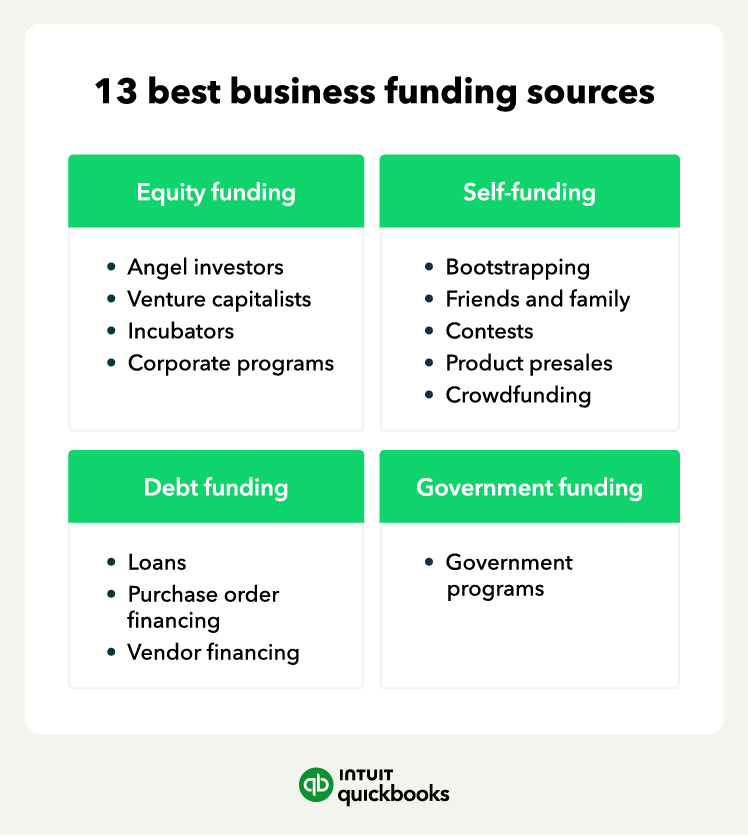
Georgia business owners have a variety of funding options available beyond loans and grants. These are some more options entrepreneurs should keep in mind:

Alternative lenders

Business owners can also seek financing through alternative lending options, including merchant cash advances, online term loans, and peer-to-peer lending.

Angel investors

Angel investors are established business owners who assist entrepreneurs with funding by investing their own money. Working with an angel investor can offer powerful financing tools, but it’s worth noting that many angel investors expect equity and/or decision-making power in the business.

Bootstrapping

Bootstrapping a business means relying only on your own savings and income for funding. It can be hard on your personal finances, but if you have the resources, it provides a high degree of control.

Pitch contests

In these events, entrepreneurs compete to win funding from investors. Winning can come with significant funding and exposure, but the process can be stressful.

Corporate programs

Larger businesses sometimes establish programs that offer funding and business coaching to startups.

Crowdfunding

Crowdfunding platforms allow business owners to raise money directly from supporters. It can be an appealing way to launch a business or a new product.

Friends and family

For entrepreneurs with a strong personal social network, raising money from friends and family can be a strong and flexible option. However, creating formal contracts is essential to avoid strained relationships.

Incubators and accelerators

Incubators and accelerators provide resources like coaching and funding to help new businesses grow, although some may require a future equity stake in the business.

Product presales

Pre-selling products that haven’t yet launched can be an effective way to drum up excitement and raise funds, although it depends on your ability to effectively promote your products.

Vendor financing

New businesses sometimes get their cash flows up and running by getting financing from suppliers, who offer delayed payment terms on the products the entrepreneur needs to launch.

Venture capitalists

These professional investors invest in companies with high potential to grow, usually in exchange for equity in the business.

Disclaimer:

This content is for information purposes only and information provided should not be considered legal, accounting or tax advice or a substitute for obtaining such advice specific to your business. Additional information and exceptions may apply. Applicable laws may vary by state or locality. No assurance is given that the information is comprehensive in its coverage or that it is suitable in dealing with a customer’s particular situation. Intuit Inc. does not have any responsibility for updating or revising any information presented herein. Accordingly, the information provided should not be relied upon as a substitute for independent research. Intuit Inc. cannot warrant that the material contained herein will continue to be accurate, nor that it is completely free of errors when published. Readers should verify statements before relying on them.


Recommended for you

Mail icon
Get the latest to your inbox
No Thanks

Get the latest to your inbox

Relevant resources to help start, run, and grow your business.

By clicking “Submit,” you agree to permit Intuit to contact you regarding QuickBooks and have read and acknowledge our Privacy Statement.

Thanks for subscribing.

Fresh business resources are headed your way!

Looking for something else?

QuickBooks

From big jobs to small tasks, we've got your business covered.

Firm of the Future

Topical articles and news from top pros and Intuit product experts.

QuickBooks Support

Get help with QuickBooks. Find articles, video tutorials, and more.