









Interested in starting a business in the Peach State? Entrepreneurship is an exciting journey, and Georgia is an excellent place to turn your ideas into a profitable venture. Known for its Southern charm and rich cultural heritage, the state provides the perfect backdrop to grow your business while enjoying the benefits of a healthy economy and supportive resources for entrepreneurs. This comprehensive how-to guide will walk you through everything you need to know to get your business up and running in Georgia, from choosing the right business structure to securing funding and understanding local tax requirements.
Get 50% OFF QuickBooks
for 3 months
for 3 months

Georgia
How to start a business in Georgia in 14 steps (2026 guide)
Why start a business in Georgia in 2026?
Georgia has a thriving economy, ranked ninth in the U.S., and a low unemployment rate, making it a great place to start a business. It’s known for its bustling infrastructure, rich local culture, and low commercial tax rate. Atlanta is home to the Delta headquarters and the busiest airport in the U.S. and has emerged as a focal point in the global supply chain. Each city offers a vastly different experience shaped by the state’s varied geography, creating ample opportunities for organizations across various industries.
Now is a great time to launch your venture. With an economy driven by agriculture, automotive, advanced manufacturing, aerospace, food processing, and tourism, the state has grown substantially over the last few years. In fact, it has one of the highest overnight visitation rates in the country, bringing in $39.8 billion in sales in 2022. Use the QuickBooks Small Business Index to see how small businesses have fared in your industry.
Here are the topics we’ll cover in this step-by-step guide:
- 14 steps to starting a business in Georgia
- Step 1: Decide what type of industry is best for your business
- Step 2: Conduct industry research
- Step 3: Create a business plan
- Step 4: Choose your business entity
- Step 5: Secure funds: Georgia small business funding, loans, and grants
- Step 6: Choose your Georgia business name and Georgia DBA
- Step 7: Pick a business location in Georgia
- Step 8: Find a Georgia registered agent
- Step 9: Get a Georgia EIN and file your tax and employer identification documents
- Step 10: Register as a small business in Georgia
- Step 11: Register for your business license and permits in Georgia
- Step 12: Secure insurance for your Georgia small business
- Step 13: Prepare to pay taxes on your business in Georgia
- Step 14: Set up your business bank account
- Additional resources to get your business started
- Frequently asked questions
14 steps to starting a business in Georgia
Starting a business is a rewarding endeavor, but it’s no secret that it takes a lot of planning, preparation, and perseverance. But don’t worry. We’re here to help by providing you with small business resources and expert insights to get your business off the ground. Let’s go step-by-step on how you can start your own small business in the Peach State.
Step 1: Decide what type of industry is best for your needs
The first step to starting your business in Georgia is picking the right industry for your goals and needs. Think about what aligns with your skills, interests, and what the market needs. Georgia is home to many thriving industries, like agriculture, film, tourism, manufacturing, and technology, with each one offering unique opportunities. You’ll also want to weigh factors like startup costs, demand, and long-term growth potential.
Need some inspiration? Explore small business ideas to help narrow down your choices.
Step 2: Conduct industry research
Research the competition and their offerings to forge a distinct path for your business. If companies offer similar products/services, how will you distinguish your brand in the marketplace? Conduct a competitive analysis to determine how your competitors reach their customers (i.e., word of mouth, social media, SEO). Do a cost analysis to estimate how much you will charge and earn from each sale and how your prices compare to the competition to ensure you can turn a profit.
Step 3: Create a business plan
Translate your research into a comprehensive business plan, outlining your products and services, target audience, mission statement, and management structure. Use it as a roadmap to guide your decisions, attract potential investors, and ensure your business stays on track toward achieving its goals.
Be sure to include this information in your business plan:
- Executive summary: Summarize your business concept, key goals, and overall vision in a concise format.
- Company description: Highlight your mission, background, and the objectives driving your business forward.
- Market research and potential: Provide insights into your industry, target audience, and emerging trends that influence your business.
- Competitive analysis: Evaluate your competitors and define what sets your business apart in the marketplace.
- Products and services: Outline your offerings, focusing on their features, benefits, and value to customers.
- Marketing and sales: Detail your approach to attracting, engaging, and retaining customers.
- Business financials: Present key projections, such as revenue forecasts, expense budgets, and cash flow plans.
- Management and leadership: Introduce your team members, emphasizing their skills, experience, and roles in your business.
- Funding request: Specify how much funding you need and how you’ll use it.
- Appendix: Include supplementary materials like detailed research, charts, or financial documents
The quality of your research and business plan determines your chances of success during this crucial period. Use a free business plan template to help you get started. Also, consider reaching out to the Georgia Small Business Development Center for additional guidance.
Step 4: Choose your business entity: Types of business entities in Georgia
Choose a business entity type based on your business's structure. The entity determines your liability and that of your investors or co-owners. The following are the most common types of business entity structures:
Sole proprietorship
A business owned and operated by one person, with no legal distinction between the owner and the business.
General partnership
A business owned by two or more people who share profits, losses, and management responsibilities.
Corporation
A legal entity separate from its owners, with shareholders who have limited liability for the company's debts and obligations.
Limited liability company (LLC)
A hybrid business structure combining the limited liability of a corporation with the tax flexibility of a partnership. Learn more about LLCs.
Step 5: Secure funds: Georgia small business funding, loans, and grants
Every business needs money at the outset. Depending on the nature of your venture, you may need money to purchase equipment, pay your staff, reserve a domain, and apply for licenses. Most small companies become profitable in two to three years, so estimate how much you’ll need to support your operations for the foreseeable future.
Some common funding options include:
You should also look into Georgia-specific funding options, including:
Georgia Rural Business Development Grant
The U.S. Department of Agriculture awards $10,000 to $500,000 to nonprofit corporations, rural cooperatives, tribes, and other public entities through the Rural Business Development Grant. The funds must be used to support small business training and development.
Southern Sustainable Agriculture Research and Education Grant
The Southern Sustainable Agriculture Research and Education awards up to $25,000 to farmers and ranchers testing sustainable growing techniques.
Go Global Georgia
Doing business abroad? The Go Global Georgia program awards money to Georgia exporters for training, international travel, export credit insurance premiums, and other expenses. Your organization must have been in business for at least one year, meet the SBA eligibility requirements, and your export operations need to be pre-approved.
NAACP and Leslie’s Certification Boost Grant
The NAACP awards $5,000 to businesses owned and operated by people of color, people with disabilities, and those in Historically Underutilized Business Zones. The money can be used to acquire certifications, such as being recognized as a Minority Business Enterprise (MBE), Women Business Enterprise (WBE), or Disability-Owned Business Enterprise (DOBE).
Gusto Impact Award
Gusto, a payroll software vendor, awards $10,000 to businesses in Atlanta through the Impact Award. The award also includes $50,000 in advertising and a 12-month subscription to the software. Your organization must have been in business for one year, have 75 or fewer employees, and have an annual gross revenue of less than $7 million.
Atlanta Commercial Property Improvement Grant
The Atlanta Commercial Property Improvement Grant awards up to $50,000 to small businesses in Atlanta for commercial real estate repairs and renovations. Your building must be less than 15,000 square feet, and your company must match at least 10% of the awarded amount.
Athens Downtown Development Authority Grant
The city awards $5,000 to $10,000 through the Athens Downtown Development Authority Grant to support businesses in the historic neighborhood. Your company must match 50% of the funds.
Entrepreneurship Grant Program
The Cobb County Economic Development Office awards up to $10,000 to businesses licensed in the county. The funds can be used for marketing, purchasing equipment, furniture, technology, commercial renovations, and operating expenses. Your company must not have any outstanding debts with the county.
Step 6: Choose a business name and Georgia DBA
Choose a unique name for your organization and register your business name with the Georgia Secretary of State to reserve it for 30 days while you finish preparing your registration application. You can complete the online form or mail in a name reservation request form. Reserving the name isn’t required, but it ensures it’s available when you’re ready to make your business official. The fee is $25.
A DBA, or “doing business as,” is a public-facing trade name that masks your company's proper legal name. You may use a DBA to modify your brand for this market, give the parent company privacy, or differentiate various lines of business. File your Georgia DBA with the state in the county where your business is located.
Step 7: Pick a business location in Georgia
Pick the right location for your business, as it can impact everything from customer access to operating costs. Georgia is home to a variety of cities and communities that each offer unique advantages for different types of businesses. Whether you’re considering the bustling energy of Atlanta or the historic charm of Savannah, there’s a spot that fits your vision.
If you’re looking to minimize expenses, consider running your business from your home. Many small businesses start this way to save on overhead costs while maintaining flexibility and convenience.
Here are some potential locations you can call home:
Atlanta
The state’s capital has become the corporate hub of America, hosting the headquarters of Coca-Cola, Home Depot, UPS, Delta Air Lines, AT&T, and Newell Rubbermaid. Their investments have spurred a flurry of economic activity in Atlanta over the last few years, reducing the poverty rate to 17.7%. At just under 500,000, the population has a median age of 33.6 and a median household income of $77,655. It has deep cultural roots and a rapidly growing suburban area to the north.
Augusta
At just over 200,000 people, Augusta is the state’s second-largest city. It has a lower cost of living than Atlanta and is rich in natural resources. Manufacturing and food processing dominate the job market.
Macon
Macon is a large producer of dairy, peaches, and sod turf and has recently become a home for advanced engineering and information technology. It has a population of over 150,000 and a low cost of living but remains isolated from the rest of the state.
Savannah
Savannah is about the same size as Macon but offers a vastly different scene. Its historic buildings and scenic waterfront make it a top tourist destination.
Athens
With proximity to Atlanta, Athens is becoming a hip, less expensive alternative to the state’s bustling capital. It provides a home for small businesses, restaurants, and musicians looking to make their mark and has a modest population of over 127,000. Biosciences, pharmaceuticals, healthcare, and craft beverage companies rank among the largest employers.
Step 8: Find a Georgia registered agent
Every business in the state must have a registered agent on file. This person will receive legal mail on behalf of your business, such as a lawsuit or summons. They can be the company's owner, shareholder, or officer but must reside in the state with a valid street address that’s not a P.O. box or mail drop. You can also hire an attorney or professional registered agent service in the state.
Step 9: Get a Georgia EIN and file your tax and employer identification documents
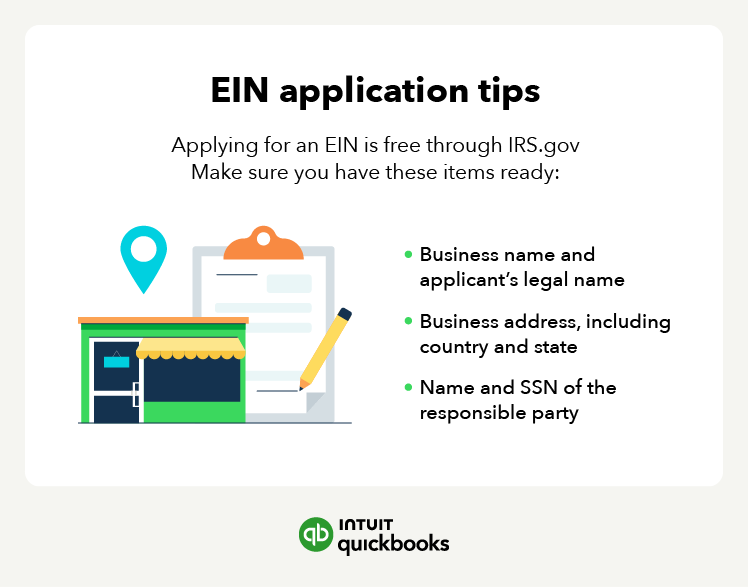
An EIN (Employer Identification Number) is a nine-digit number the IRS uses to identify your business for tax purposes. Although Georgia doesn't require a state EIN, you'll need one to file payroll taxes and federal tax returns, open a business bank account, and apply for loans. You can apply for a free EIN through the IRS website. And to manage payroll confidently and stay in compliance, navigate this guide on how to register for payroll taxes in Georgia.
When it comes to making new hires, maintain compliance requirements and other key factors by following this guide on Georgia new employee reporting. And to keep accurate payroll and compliance along the way, follow these Georgia overtime requirements.
Step 10: Register as a small business in Georgia
Once you have the information above, begin registering with the Georgia Secretary of State, if applicable, to make your business official. The process varies by business type. Depending on your business type, you may need to look up your North American Industry Classification System (NAICS) code to apply.
Here are the requirements and fees for common business structures:
Step 11: Register for your business license and permits in Georgia
Every business in the state must also have a valid business license. Contact the business licensing office in your county to meet the requirements. The required license and permits depend on your business operations and may need additional state or federal government approval. If your business falls into one of the state’s regulated industries, apply for a license with the Georgia Secretary of State.
If you’re starting a business and unsure what license you need, contact the First Stop Business Information Center.
Step 12: Secure insurance for your Georgia small business
Sign up for business insurance to protect your venture from financial losses and lawsuits. Your needs will vary depending on the number of employees, customers, and products/services you offer.
Types of small business insurance in Georgia
Here are some common types of business insurance:
Step 13: Prepare to pay taxes on your business in Georgia
Georgia has low taxes and a similar filing process compared to other states. Visit the Georgia Tax Center to file.
Here are the frequent types of Georgia business taxes
Sales and use tax
Georgia has a sales tax that applies to all tangible goods sold. The state sales tax rate is 4%, with local jurisdictions potentially adding up to 4.9% for a maximum combined rate of 8.9%.
Corporate income and net worth tax
The state levies a 5.75% income tax on corporations that own property, do business in Georgia, or receive income from Georgia sources.
Withholding tax
You must provide the withholding tax structure showing how much of your employee’s wages your business pays to the state. Use QuickBooks Payroll to track withholdings and quickly upload this information when filing.
Partnerships
Partnerships that own property, do business in Georgia, or receive income from Georgia sources must pay a 5.39% income tax. If the business elects to pay tax at the entity level, estimated tax payments are required.
Motor fuel tax
The state also levies a tax on motor fuel and an international fuel tax on interstate motor carriers. Visit the Georgia’s Department of Revenue website to learn how to calculate this tax.
Federal taxes
In addition to state and local taxes, all businesses must pay applicable federal taxes, including:
- Federal income tax
- Self-employment tax (for sole proprietors and partners)
- Employment taxes (if you have employees), including the Federal Unemployment Tax Act (FUTA tax)
- Excise taxes (for certain industries)
To ensure you understand your federal tax obligations, check out these IRS resources: Publication 334, Tax Guide for Small Business and Publication 583, Taxpayers Starting a Business and Keeping Records.
Step 14: Set up your business bank account
Your business also needs a separate bank account to receive and send money. This keeps your personal finances separate from those of the companies. Use the account to calculate revenue and identify deductions. You can also use a savings account to grow your cash on hand.
Here’s how to open a small business bank account:
- Gather all necessary paperwork, including your EIN, business formation records, registrations, permits, and licenses, to set up your small business bank account.
- Choose a bank or credit union that aligns with your needs, whether you're looking for competitive loan options or high-yield savings accounts.
- Use a business credit card to manage purchases and expenses related to your operations, as well as help establish and grow your business credit.
- Choose the right accounting software that aligns with your needs and helps organize your financials.
- Hire an experienced accountant familiar with your industry and local tax regulations to handle your bookkeeping and financial management needs.
Additional resources to get your business started
There are several state and federal resources that can support your business with guidance, training, potential funding and more.
State resources
Georgia Department of Economic Development: This is a great starting point for entrepreneurs, offering support like site selection help, workforce training, and tax incentives.
Georgia Small Business Development Center (SBDC): The Georgia SBDC provides free business consulting, training, and educational programs to help with everything from planning to securing funding.
Georgia Secretary of State: Corporations Division: This office is where you’ll handle essential steps like registering your business name, filing formation documents, and staying compliant with state laws.
Invest Georgia: If you’re looking for funding, Invest Georgia supports startups in high-growth sectors by connecting them with potential investors. It’s an excellent resource if your business needs capital to expand and innovate.
Federal resources
Small Business Administration (SBA): The SBA supports small businesses through various loan programs, including the 7(a) loan, provides resources for government contracting, and offers counseling and training programs to help entrepreneurs start and grow their businesses.
Grants.gov: This centralized platform simplifies the process of searching for and applying for federal grants across various sectors. It also provides grant writing tips and has a Grants Learning Center featuring the basics of grants, eligibility, and more.
Small Business Innovation Research (SBIR) and Small Business Technology Transfer (STTR): SBIR and STTR programs provide research and development funding to innovative tech companies.
SCORE: SCORE is a national nonprofit organization that partners with the U.S. Small Business Administration (SBA) to provide free mentoring and educational resources to entrepreneurs and small business owners. While not a direct federal agency, SCORE is an independent organization with a network of volunteer business mentors across the United States.
U.S. Department of Agriculture (USDA): The USDA website lists grants, loans, and other programs and resources for farmers and other businesses serving rural America.
Frequently asked questions
How long does it take to start a small business in Georgia?
Many businesses need at least a year to launch, but the state can approve your registration application in seven business days. Licensing approval times vary by industry.
Do I need a local business license if I only operate online in Georgia?
Yes, even if your business is online, you usually need a local business license in Georgia. This license is issued by the city or county where your business is based. Contact your local licensing office, often located in city hall, to get started.
Do you have to register your business every year in Georgia?
If your business is registered with the Secretary of State, you have to file an Annual Registration every year.
Disclaimer:
This content is for information purposes only and information provided should not be considered legal, accounting, or tax advice, or a substitute for obtaining such advice specific to your business. Additional information and exceptions may apply. Applicable laws may vary by state or locality. No assurance is given that the information is comprehensive in its coverage or that it is suitable in dealing with a customer’s particular situation. Intuit Inc. does it have any responsibility for updating or revising any information presented herein. Accordingly, the information provided should not be relied upon as a substitute for independent research. Intuit Inc. cannot warrant that the material contained herein will continue to be accurate, nor that it is completely free of errors when published. Readers should verify statements before relying on them.
Recommended for you




Get the latest to your inbox
No ThanksLooking for something else?
Call Sales: 1-800-285-4854




