









This could be the year you make your dreams of starting a business in New Mexico a reality. Before you start your exciting journey as an entrepreneur, however, there’s a lot to learn about how to start a business in New Mexico. If you have questions, we have an array of resources to help you navigate some of the state’s nuances, including its complex tax system.
Get 50% OFF QuickBooks
for 3 months
for 3 months

New Mexico
How to start a business in New Mexico in 14 steps (2025 guide)
Why start a business in New Mexico in 2025?
There’s a reason New Mexico is known as the Land of Enchantment. With more than 300 days of sunshine a year, a mild climate, and landscapes ranging from snow-capped mountains to candy-colored deserts, New Mexico has become increasingly attractive to mobile professionals as well as retirees. With a low cost of living relative to most of the sunny southwest, friendly people, and diverse industries ranging from oil and gas to outdoor recreation and tourism, New Mexico offers a lot of opportunities for the entrepreneurial-minded.
Our guide will show you how to get your business up and running in New Mexico, with advice on everything from raising funds to getting a business license.
Table of contents:
- 14 steps to starting a business in New Mexico
- Step 1: Decide what type of industry is best for your business
- Step 2: Conduct industry research
- Step 3: Create a business plan
- Step 4: Choose your business entity: Types of business entities in New Mexico
- Step 5: Secure funds: New Mexico small business funding, loans, and grants
- Step 6: Choose your New Mexico business name and New Mexico DBA
- Step 7: Pick a business location in New Mexico
- Step 8: Find a New Mexico registered agent
- Step 9: Get a New Mexico EIN and file your tax and employer identification documents
- Step 10: Register as a small business in New Mexico
- Step 11: Register for your business license and permits in New Mexico
- Step 12: Secure insurance for your New Mexico small business
- Step 13: Prepare to pay taxes on your business in New Mexico
- Step 14: Set up your business bank account
- Additional resources to get your business started
- Frequently asked questions
14 steps to starting a small business in New Mexico
Whether you’re a born-and-raised New Mexican looking to establish yourself as a supplier to the state’s rich oil and gas industry or a new arrival launching an outdoor adventure enterprise, New Mexico offers a wealth of opportunities with its wide-open spaces, low population, and high need for services of all kinds.
Here’s a quick guide to the basic steps required to start a small business in New Mexico, including useful small business resources that can help you navigate the challenges of entrepreneurship.
Step 1: Decide what type of industry is best for your business
Thanks to its oil and gas industries, New Mexico is one of the top energy-producing states in the nation. In fact, New Mexico produces more crude oil than any state other than Texas. But its clear skies, vast open spaces, and historic importance to military and government research mean the state has a big footprint in aerospace and defense, too. Transportation-based enterprises, tourism, healthcare, and agriculture are also top-ranking sectors in New Mexico. For more inspiration, see our list of small business ideas and find one that kindles your passion.
Step 2: Conduct industry research
Before you launch your business in New Mexico, make sure you research the sector you wish to pursue and its target market and carefully analyze the competition. You can conduct a competitive analysis to identify your competitors’ strengths and weaknesses and discover where your business might find an opportunity to plant its flag.
Oil and gas, for example, can be hard to break into unless you can launch a product or service that supports the industry. Meanwhile, tourism and outdoor recreation have been overlooked sectors that could be poised for growth. Be sure to identify any regulations or licensing requirements specific to your chosen field in New Mexico. The New Mexico Economic Department is a good place to start.
Step 3: Create a business plan
Don’t forget your business plan. Not only does it serve as a road map to establish your small business goals and set out the strategies for achieving them, but you can also use it to present to investors and lenders to help you secure startup funding.
- Executive summary: Create a short synopsis of your business plan.
- Company description: State your company's mission, history, and objectives.
- Market research and potential: Assess your target market and its relevant trends.
- Competitive analysis: Analyze your competitors and identify opportunities.
- Products and services: Describe the goods and/or services you’ll offer.
- Marketing and sales: Make a plan for reaching and retaining your target customers.
- Business financials: Include key financial projections such as income and cash flow forecasts.
- Management and leadership: Provide a summary of the expertise and experience your team brings.
- Funding request: Identify funding needs and how the funds will be spent.
- Appendix: Don’t forget supporting documents like market research data and financial statements.
The State of New Mexico also offers business development resources that can help entrepreneurs lay the groundwork for success, and free business plan templates are available from the New Mexico Small Business Development Council (SBDC).
Step 4: Choose your business entity: Types of business entities in New Mexico
Registering your business in New Mexico is straightforward. No matter your business structure, which you’ll determine based on your needs and goals, you’ll have to register, even if you have a sole proprietorship. That’s because New Mexico collects Gross Receipts Tax (GRT) on any and all products sold or services provided within the state.
The most common types of business entities in New Mexico include:
Sole Proprietorship
A business owned and operated by one person, with no legal distinction between the owner and the business.
General Partnership
A business owned by two or more people who share profits, losses, and management responsibilities.
Corporation
A legal entity separate from its owners, with shareholders who have limited liability for the company's debts and obligations.
Limited Liability Company (LLC)
A hybrid business structure combining the limited liability of a corporation with the tax flexibility of a partnership. Learn more about LLCs.
While all business entities must register, only some can register online, like LLCs. Partnerships and corporations must complete registration by mail or in person.
Step 5: Secure funds: New Mexico small business funding, loans, and grants
Funding is one of the biggest needs for any new small business, whether in New Mexico or elsewhere. You’ll need startup funding for basics like purchasing equipment, stocking inventory, paying filing fees, and more. At a minimum, you’ll probably need to pay a local business license fee (typically $35 per year) plus any other applicable fees. Several options are available for funding your business, including:
In addition to the options we just discussed, there are a variety of small business funding opportunities specifically for New Mexico-based enterprises. Here is a sampling of some of the opportunities available for starting and financing your small business:
New Mexico Small Business Investment Corporation (NMSBIC)
The New Mexico Small Business Investment Corporation (NMSBIC) focuses on providing loans to small businesses in the state by partnering with various nonprofit organizations that act as lending partners. These partner organizations have their own eligibility criteria, application processes, and loan terms.
New Mexico Economic Development Department (NMEDD)
The New Mexico Economic Development Department (NMEDD) offers a variety of resources to support small businesses in the state, including both grant and loan programs. To search for opportunities in the locality where your business is located, check out the NMEDD’s resource map.
New Mexico Community Development Loan Fund
The New Mexico Community Development Loan Fund is a great resource for small businesses and nonprofit organizations in New Mexico, particularly those in underserved communities. They specialize in providing loans with flexible terms for up to $500,000 and technical assistance to help businesses get up and running.
Step 6: Choose your New Mexico business name and New Mexico DBA
Select a name for your New Mexico business that tells potential customers who you are and the products or services you offer. Your name provides you with an outward-facing brand identity, so it should be unique and memorable.
Reserve your business name
Before you start marketing your new business and using its name, make sure it’s available for use and complies with the state’s business naming requirements. Use the New Mexico Secretary of State’s business search tool to find out if your chosen name is available.
Filing a DBA (Doing Business As)
Short for “Doing Business As,” a DBA gives you the ability to operate under a name different from your legal name. Basically, if you want to create a brand with a more descriptive name representative of your products, you can use a DBA—also referred to as an AKA or trade name—to branch out in your business. New Mexico does not require you to register your DBA.
Step 7: Pick a business location in New Mexico
New Mexico’s lower cost of living and relatively affordable labor market make it an attractive location for startups and small businesses. Opportunity is everywhere you look, from the oil and gas fields to the bustling arts and nightlife of Santa Fe and Albuquerque.
Before you choose an area to start your business, be sure to look at business laws in that jurisdiction to learn about factors like local taxes, fees, and licensing requirements. To help keep costs down, you might also consider running your business from your home, assuming it’s allowed by local law.
Here are some stats on the state’s four largest metro areas:
Albuquerque
- With a favorable cost of living compared to most of the nation’s large metro areas, Albuquerque can offer a surprisingly affordable business location.
- Home to the University of New Mexico, Albuquerque has a thriving startup scene, particularly in the film industry.
- Centrally located in New Mexico with an international airport, Albuquerque has well-developed transportation infrastructure and access.
- Like many university cities, Albuquerque has a skilled and ready workforce pool.
- With a growing presence in renewable energy, technology, and bioscience sectors, the city offers a great home base for small businesses in innovative fields of work.
Santa Fe
- A world-renowned tourist destination, Santa Fe is a perfect place for hospitality or outdoor recreation businesses.
- The arts are also big here, and galleries and artists’ studios thrive, so the city offers a rare opportunity for creative entrepreneurs to prosper.
- While the cost of living here is higher than in the rest of New Mexico, you may find that offset by the access to customers and clients of higher net worth as well as an array of local cultural venues for entertainment.
Las Cruces
- Situated on the border with Mexico, Las Cruces has the lowest cost of living and cost of doing business of New Mexico’s metro areas.
- Aerospace and research are big industries here, making the city an ideal place for technology and innovation firms to locate.
- With its mild winter climate and year-round sun, Las Cruce is attracting more and more entrepreneurs and retirees entering second careers, so there is a supportive startup community.
Farmington
- The center of New Mexico's thriving oil and gas industry, Farmington offers a lot of opportunities for small businesses that can support the energy sector.
- Located in one of the less populated regions of the state, Farmington is the economic center of northwest New Mexico, and the city is in need of businesses in the healthcare and trades due to its growing population of young families and retirees.
- Lovers of outdoor recreation will appreciate Farmington’s mountain biking community, its wide array of water recreation, and its proximity to hiking, skiing, and other outdoor recreation activities.
- As a city of only 40,000, Farmington has a small-town feel, so it’s easy to network and get to know other industry professionals.
Step 8: Find a New Mexico registered agent
Any New Mexico business, whether a professional service or individual, must have a registered agent. Your registered agent acts as a point of contact for your business’ important state and legal mail. Registered agents must have a physical mailing address (not a P.O. Box or remote location) in the state and must keep regular business hours. You can also choose to be your own registered agent, or you can appoint a trusted friend or family member to do so, as long as they meet the above requirements.
Step 9: Get a New Mexico EIN and file your tax and employer identification documents
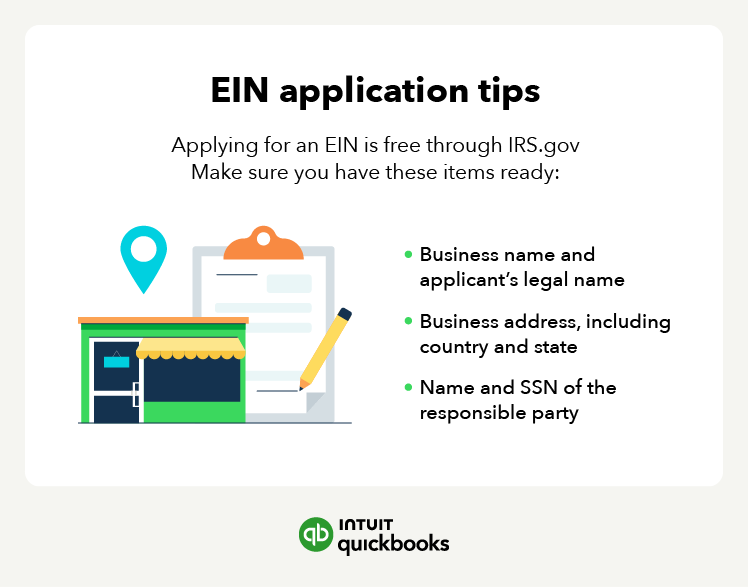
An EIN (Employer Identification Number) is a nine-digit number the IRS uses to identify your business for tax purposes. Although New Mexico doesn't require a state EIN, you'll need one to file payroll taxes and federal tax returns, open a business bank account, and apply for loans. You can apply for a free EIN through the IRS website.
To ensure your business is in compliance and managing payroll fairly, you must adhere to the New Mexico overtime laws and New Mexico pay transparency laws.
Step 10: Register as a small business in New Mexico
The registration process and required fees for a New Mexico small business can vary widely. Many small businesses won’t have to register at all, but others will have to complete a printed form that can’t be submitted online. Find your business structure here to learn the basic requirements you’ll need to follow:
Step 11: Register for your business license and permits in New Mexico
Depending on your industry, you may need business licenses and permits to start your small business. Many New Mexico localities require a business license no matter your industry sector, even if you’re a sole proprietor working from home. In addition, many industries and professions have their own required licenses.
For example, if you run a restaurant that sells alcoholic beverages, you need to obtain an Alcoholic Beverage Control Division Liquor License, which can cost anywhere from $1,500 to $10,000. Food permits are required for anyone preparing or handling food items sold to the public, whether a restaurant or food truck. You’ll need to fill out a food application and submit it to the New Mexico Environment Department, Environmental Health Bureau. Some localities have their own food health and safety licenses.
To see if your profession requires a license, check the New Mexico Regulation and Licensing Department.
Step 12: Secure insurance for your New Mexico small business
Whether or not you’ll need insurance for your New Mexico small business depends on your industry, location, if you have employees or not, and a variety of other factors. As part of the process of starting a New Mexico small business, take some time to look at the most common insurance policies for businesses in your state and determine if any of them apply to you.
Types of small business insurance in New Mexico
The following are the most common types of business insurance:
Step 13: Prepare to pay taxes on your business in New Mexico
New Mexico’s unique tax structures can cause significant difficulties for small businesses that fail to perform their due diligence before beginning operations. It’s essential to learn about some of the state’s unusual tax obligations before an audit.
Gross Receipts Tax (GRT)
In New Mexico, every entity that does business in the state, whether they’re selling products or services, must pay what’s called a Gross Receipts Tax (GRT). While most states have a sales tax added to the price of goods sold, the GRT is added to the price of services as well as goods. That means even professionals like doctors, lawyers, accountants, and writers have to pay GRT, with some rare exceptions.
The amount of your gross receipts tax will depend on the tax rate in the locality or localities where you do business (and yes, if you provide multiple services in multiple localities, you’ll have to pay taxes on services at different rates, so it’s best to get the help of an accountant). GRT rates in some localities are more than almost 10% of gross receipts.
Oil and natural gas and mineral extraction taxes
Oil, natural gas, and mineral extraction are among the chief sources of revenue for New Mexico, so if you operate a business in these industries or an industry that supports them, make sure you understand what taxes you may owe. You may be responsible for taxes on extracted products sold as well as taxes on the assessed value of equipment used in extraction activities.
Corporate income and franchise taxes
A corporation that generates income from activities or sources in New Mexico and must file a federal corporation income tax return or an equivalent return is subject to New Mexico corporate income tax. A corporation that has or exercises its corporate franchise in New Mexico is also subject to the franchise tax.
Cannabis Excise Tax
A new and popular form of business in New Mexico is the sale of cannabis. If your business sells cannabis, you must be licensed with the Cannabis Control Division of the Regulation and Licensing Department (RLD) and pay the Cannabis Excise Tax.
Tax credits and incentives for New Mexico employers
New Mexico offers some employer tax credits and incentives, many of them industry-specific. They include the High Wage Jobs Tax Credit, which incentivizes businesses to create new high-paying jobs. Employers can claim a credit equal to 8.5% of wages and benefits paid for each net new job that pays a taxable wage meeting certain income and locality requirements. Another example is the Job Training Incentive Program (JTIP), which reimburses employers for a portion of employee wages incurred during approved on-the-job training programs.
Federal taxes
Remember that your New Mexico small business is responsible for paying federal taxes as well. Some of the taxes you might have to pay to the federal government include:
- Federal income tax
- Self-employment tax (for sole proprietors and partners)
- Employment taxes (if you have employees), including the Federal Unemployment Tax Act (FUTA tax)
- Excise taxes (for certain industries)
To ensure you’re keeping up with federal tax requirements, check out these resources from the IRS: Publication 334, Tax Guide for Small Business and Publication 583, Taxpayers Starting a Business and Keeping Records.
Step 14: Set up your business bank account
When starting a small business in New Mexico, you first need to set up a business bank account to manage your finances. Here’s how:
- Get your paperwork in order, from registrations and permits to licenses and your EIN, to open your small business bank account.
- Look for a bank that provides the loan products and services you need.
- Apply for a credit card either through your bank or a third-party company so you can begin establishing business credit and charging business-related expenses.
- Choose an accounting software and tie it to your business bank account to manage everything from payroll to invoicing.
Find a professional accountant who understands your industry and Louisiana tax laws to help you navigate finances and other bookkeeping items.
Additional resources to get your business started
There are several state and federal resources that can support your business with guidance, training, potential funding and more.
State resources
- New Mexico Economic Development Department: The New Mexico state government offers a huge variety of resources through this site, including guides to starting a business and securing funding.
- New Mexico Small Business Development Center: Small business owners can get free or low-cost resources like business counseling through the NMSBDC, which has numerous offices throughout the state.
- New Mexico Technology Council: Tech-focused businesses can take advantage of the resources that the NMTC offers for education, networking, and more.
- New Mexico Small Business Assistance Program: Businesses facing technical challenges can apply to this program and get help from professionals in the world-class Los Alamos and Sandia national laboratories.
- New Mexico Procurement Technical Assistance Program: Interested in getting government contracts for your business? The NMPTAP provides training resources and assistance to help businesses navigate the complex process of government contracting.
Federal resources
- Small Business Administration (SBA): The SBA supports small businesses through various loan programs, including the 7(a) loan, provides resources for government contracting, and offers counseling and training programs to help entrepreneurs start and grow their businesses.
- Grants.gov: This centralized platform simplifies the process of searching for and applying for federal grants across various sectors. It also provides grant writing tips and has a Grants Learning Center featuring the basics of grants, eligibility, and more.
- Small Business Innovation Research (SBIR) and Small Business Technology Transfer (STTR): SBIR and STTR programs provide research and development funding to innovative tech companies.
- SCORE: SCORE is a national nonprofit organization that partners with the U.S. Small Business Administration (SBA) to provide free mentoring and educational resources to entrepreneurs and small business owners. While not a direct federal agency, SCORE is an independent organization with a network of volunteer business mentors across the United States.
- U.S. Department of Agriculture (USDA): The USDA website lists grants, loans, and other programs and resources for farmers and other businesses serving rural America.
Frequently asked questions
Disclaimer:
This content is for information purposes only and information provided should not be considered legal, accounting or tax advice or a substitute for obtaining such advice specific to your business. Additional information and exceptions may apply. Applicable laws may vary by state or locality. No assurance is given that the information is comprehensive in its coverage or that it is suitable in dealing with a customer’s particular situation. Intuit Inc. does not have any responsibility for updating or revising any information presented herein. Accordingly, the information provided should not be relied upon as a substitute for independent research. Intuit Inc. cannot warrant that the material contained herein will continue to be accurate, nor that it is completely free of errors when published. Readers should verify statements before relying on them.
Recommended for you



Get the latest to your inbox
No ThanksLooking for something else?
Call Sales: 1-800-285-4854




