QuickBooks Blog
A person sitting at a desk with a laptop.
Alabama

Alabama payroll taxes: Your 2026 guide to staying compliant

Alabama offers a welcoming business climate fueled by steady economic growth and a strong labor force. In 2024, the state’s real gross domestic product (GDP) reached approximately $252.7 billion, driven largely by key industries like automotive manufacturing, aerospace, healthcare, and agriculture. Alabama is also making strides in technology and biosciences, contributing to a more diverse and resilient economy.

With its favorable cost of living and expanding industrial base, the state presents an appealing landscape for both startups and established companies. However, operating a business in Alabama also means navigating a specific set of payroll tax obligations.

Let’s break down Alabama payroll taxes, the consequences of non-compliance, and the steps you can take to manage payroll accurately and efficiently.

Jump to:

What are payroll taxes?

Payroll taxes are taxes based on wages, salaries, or other compensation that both employers and employees must pay. While income taxes are also withheld through payroll, payroll taxes specifically fund programs like Social Security, Medicare, and unemployment insurance.

Understanding Alabama payroll taxes

When starting a business in Alabama, you'll need to understand both federal and state payroll taxes.

Federal payroll taxes

Payroll taxes are mandatory and encompass both federal and state requirements.

Federal payroll taxes include:

  • Federal income tax: This is withheld from each employee's paycheck based on their W-4 form and the current IRS tax brackets. You'll be responsible for calculating the correct amount, withholding it, and then sending it to the IRS.
  • Social Security and Medicare taxes: Both of these taxes have a portion paid by the employee and a matching portion paid by you, the employer. For Social Security, the combined rate was 12.4% on the first $176,100 of wages in 2025. For Medicare, it's 2.9% on all wages, with an extra 0.9% for higher earners. You'll withhold the employee's portion and match it.
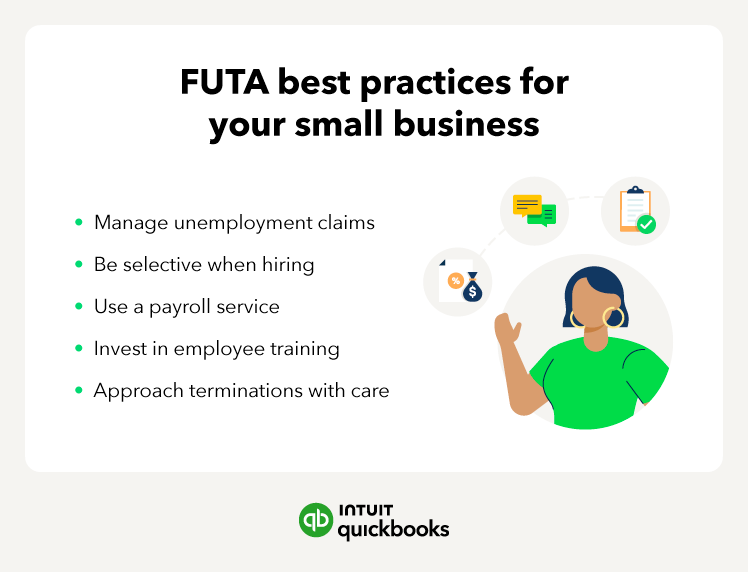
  • Federal Unemployment Tax (FUTA): This is paid solely by you at a rate of 6% on the first $7,000 of each employee's wages. However, most employers get a 5.4% credit, reducing the rate to 0.6%. The graphic below lists some best practices for managing your FUTA obligations.
Futa best practices for small businesses

Alabama state payroll taxes

In addition to federal payroll taxes, Alabama employers must also comply with state-specific payroll tax requirements. While Alabama's payroll tax landscape is simpler than that of other states, there are still key obligations to understand.

  • Unemployment Compensation Tax (UC): Alabama employers must pay unemployment compensation tax. This tax provides temporary financial assistance to eligible workers who lose their jobs through no fault of their own. New businesses typically start with a standard 2.70% rate, which later adjusts based on an experience rating, industry classification, and claims history. Rates range from 0.59% to 6.19%, but only the first $8,000 of each employee’s wages is subject to UC tax.
  • State Income Tax Withholding: Alabama requires employers to withhold state income tax from employee wages. Employers must either use the Alabama withholding tax tables or the withholding tax formula to calculate withholding amounts. They must ensure employees complete Form A-4 to determine the correct amount of withholding. The state has a progressive income tax system with rates ranging from 2% to 5%, depending on income and filing status. Accurate withholding is essential to avoid underpayment penalties for employees and compliance issues for employers.

Unlike some other states, Alabama does not require employers to pay into a state disability insurance program or a paid family leave program. There is also no additional state-level payroll tax for workforce reinvestment or similar funds.

Alabama local payroll taxes

Beyond the standard state-level requirements, businesses in Alabama must also consider local payroll obligations known as occupational taxes. These are levied by certain cities on wages earned within their respective jurisdictions. Employers are responsible for withholding and remitting them on employee paychecks.

  1. Check with your local government to determine whether your business is subject to any occupational taxes. City or county revenue offices can provide the most current information on applicable rates, filing deadlines, and reporting requirements for your specific location.
  2. Consult a tax professional if you're unsure about your obligations. An accountant specializing in Alabama payroll taxes is familiar with federal, state, and local tax structures and can help you identify which taxes apply to your business and ensure full compliance. This can save you time, reduce the risk of penalties, and help maintain accurate records across jurisdictions.

Other important tax considerations

Multiple locations

If your business has employees working in multiple jurisdictions, you may be subject to different local taxes for each location.

Changing rates

Local tax rates can change over time, so it's important to stay informed about any updates that may affect your business.

Employer responsibilities for payroll taxes in Alabama

As an Alabama employer, you're responsible for managing a complex array of federal and state payroll taxes, which involves careful calculation, timely withholding, and accurate reporting to various government agencies. Here’s an overview of what you should know.

Registering for payroll taxes

To comply with Alabama state regulations, employers must register for payroll tax obligations before paying wages to employees. Proper registration enables businesses to manage unemployment insurance contributions, state income tax withholding, and new hire reporting. Here are the key steps you need to take:

  1. Get an Employer Identification Number (EIN): Before registering with the state Department of Revenue, obtain a federal Employer Identification Number (EIN) from the IRS. This number is required for federal tax reporting and is used to identify your business when filing employment taxes. You can apply online for free through the IRS website.
  2. Register with the Alabama Department of Revenue (ADOR): Once you have your EIN, you must register with the Alabama Department of Revenue to set up state income tax withholding. You can complete the registration online through the My Alabama Taxes (MAT) portal. This portal allows you to manage withholding tax accounts, file returns, and make payments. Once you apply, you’ll receive your Alabama Tax number within three to five days.
  3. Register with the Alabama Department of Labor (ADOL): Employers must also register separately with the Alabama Department of Labor to set up an unemployment compensation account. You can complete this process online via the ADOL’s eGov registration system. You’ll be assigned a state unemployment account number used to file quarterly wage reports and remit UC taxes.
  4. Report New Hires: Within seven days of hiring a new employee, you must report the hire to the Alabama Department of Labor’s New Hire Reporting Center. This requirement helps enforce child support laws and prevents fraudulent unemployment and workers’ compensation claims.

Calculating payroll taxes

Accurately calculating payroll taxes is essential to avoid costly errors and penalties. Alabama employers have a few reliable options for ensuring correct calculations:

  • Check government websites: The Alabama Department of Revenue website provides employer withholding tax tables, instructions, and other helpful resources. These tools can guide you in determining the correct amount to withhold from employee wages based on filing status, allowances, and income levels. For unemployment insurance tax rates, refer to the Alabama Department of Labor’s website, where employers can find current taxable wage bases and experience rating details.
  • Payroll software: Some small business software payroll programs have built-in Alabama tax tables that automate calculations, saving you time and minimizing the chance for errors.
  • Professional services: If you prefer to outsource payroll, a professional payroll service can handle everything for you.

Whichever method you choose, make sure you stay updated on the current tax rates and wage limits, as these can change every year.

Withholding state payroll taxes

Once you've calculated the correct amounts, you'll need to withhold these taxes from your employees’ wages and remit them to the appropriate authorities. Follow Alabama’s guidelines for withholding and remittance deadlines to stay compliant and avoid penalties.

State Personal Income Tax (Withholding): Alabama requires employers to withhold state income tax from employee wages based on the information provided on Form A-4, the Employee’s Withholding Tax Exemption Certificate. The Alabama Department of Revenue provides updated withholding tax tables to help employers determine how much to withhold. Alabama uses a progressive tax rate structure ranging from 2% to 5%, depending on the employee’s income level and filing status.

  • Example: For a single employee earning $5,000 per month and claiming one exemption, the approximate monthly withholding might be $200, depending on the current tax tables.*

Unemployment Insurance (UI): In Alabama, unemployment insurance taxes are paid entirely by the employer and are not withheld from employee wages. The taxable wage base for 2025 was $8,000 per employee annually. Employers are assigned a tax rate based on their experience rating. New employers generally begin with a standard rate of 2.7%, which is reassessed annually.

  • Example: If an employer has an assigned UI rate of 2.7%, and an employee earns $5,000 in a month, the employer pays $135 in UI tax for that month (though only the first $8,000 in wages are taxable per year).*

Local Occupational Taxes (if applicable): If your business operates in a city that imposes a local occupational tax, you are also responsible for withholding that local tax from employee wages and remitting it to the appropriate city authority. These taxes are typically a flat percentage of gross wages and vary by municipality.

  • Example: If your employee earns $1,000 in gross wages for the pay period in a city like Birmingham, which levies a 1% occupational tax, you would withhold $10 and remit it to the city’s revenue department.*

Employers should verify applicable local tax rates and filing procedures with the respective city office to ensure timely and accurate compliance. Alabama does not have additional state-level payroll taxes, such as disability insurance or paid family leave, simplifying the payroll process relative to more complex states.

By applying these calculations to each paycheck, you ensure accurate withholdings and compliance with state requirements.

Remitting state payroll taxes

In Alabama, if your business withholds income taxes from employee paychecks, you'll need to file withholding tax returns with the state.


Filing payroll tax returns in Alabama

In Alabama, employers must meet monthly, quarterly, and annual payroll tax filing requirements to stay compliant with state and federal regulations. Here's a breakdown of the 2026 requirements:

Quarterly and monthly requirements

Annual requirements

Penalties for late filing or non-compliance and tips for staying organized

Missing deadlines or failing to remit payroll taxes in Alabama can result in serious financial consequences for your business. The Alabama Department of Revenue may impose penalties and interest for late filings or payments, creating avoidable costs and added stress. On the federal level, the IRS enforces strict payroll tax rules, and non-compliance can lead to steep fines and legal complications.

These tips can help you stay organized and ensure timely, accurate payroll tax compliance:

  1. Set reminders: Add all state and federal payroll tax deadlines to your calendar and set up automated alerts on your phone, computer, or accounting system. Staying ahead of due dates reduces the risk of missed filings and penalties.
  2. Consider payroll software: Use reputable payroll software that handles tax calculations, generates required reports, and notifies you of upcoming filing dates. These tools can help prevent errors and ensure your business stays compliant with Alabama and federal regulations.
  3. Outsource payroll: If managing payroll internally is too time-consuming, consider outsourcing to a trusted payroll service provider. They’ll handle everything from calculating withholdings to filing returns and remitting payments on your behalf, reducing administrative burden and compliance risk.
  4. Seek professional help: If you have any questions or concerns about payroll taxes, don't hesitate to consult with a tax professional or accountant. They can provide expert guidance and help you tackle the complexities of payroll tax compliance.
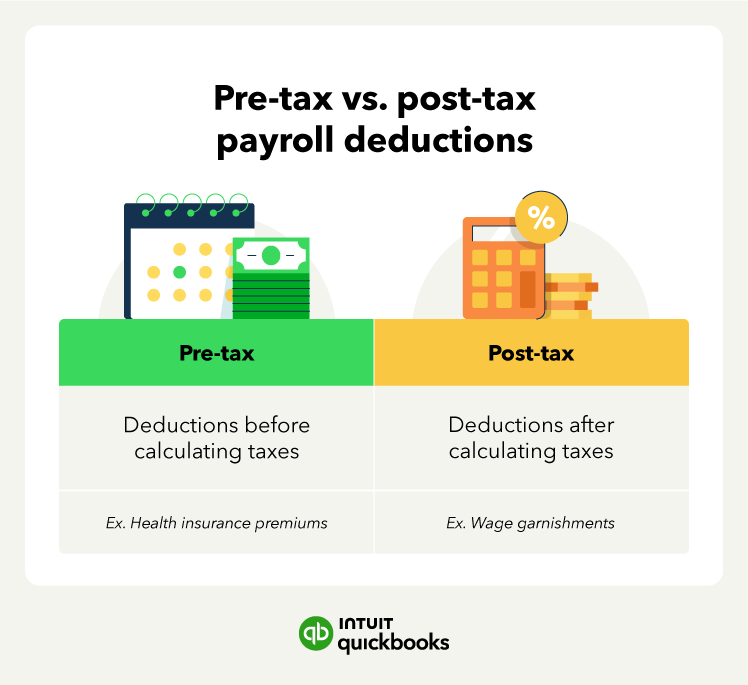
Pre-tax vs post-tax payroll deductions in Alabama

Payroll tax credits and incentives

Alabama offers a range of tax credits and incentive programs designed to encourage job creation, economic development, and investment in underserved communities. These programs can help lower your business’s overall tax burden while promoting long-term growth and workforce development. Here are some of the credits and incentives available to Alabama employers:

Federal Research and Development (R&D) Payroll Tax Credit

Qualifying startups and small businesses across the U.S., including Alabama, may apply up to $500,000 per year of the federal Credit for Increasing Research Activities against their employer portion of Social Security payroll taxes. This incentive supports innovation by helping early-stage companies reinvest in research and product development.

Federal Unemployment Tax Act (FUTA) Credit

Employers in Alabama who pay their state unemployment insurance (SUI) taxes on time and in full may qualify for a FUTA credit of up to 5.4%. This reduces the effective FUTA tax rate from 6.0% to 0.6% on the first $7,000 of each employee’s wages, significantly lowering your federal payroll tax liability.

Work Opportunity Tax Credit (WOTC)

This federal tax credit encourages employers to hire individuals from specific targeted groups who face barriers to employment, such as veterans, long-term unemployed individuals, and recipients of certain public assistance programs. Alabama businesses may claim a WOTC of up to $9,600 per qualified new hire, depending on the target group and hours worked.

Alabama Jobs Act: Jobs Credit and Investment Credit

The Alabama Jobs Act offers incentives to businesses that create new, full-time jobs in the state. Eligible companies may receive a jobs credit—paid annually for up to 10 years—equal to 3% of the previous year's gross payroll for eligible employees. Additional investment credits of up to 1.5% may also be available for qualifying capital expenditures.

Growing Alabama Credit

The Growing Alabama Credit supports economic development efforts by allowing businesses to contribute to approved local or regional Economic Development Organizations (DEOs) and receive a tax credit equal to their contribution in return. It's an attractive option for businesses seeking to engage in community development while offsetting tax liability.

Veterans Employment Tax Credit

Alabama provides a state-level tax credit to employers that hire unemployed veterans. Businesses may receive up to $2,000 per veteran hired, provided the employee is full-time, earns at least $14 per hour, and works at least 12 consecutive months. Employers must create a My Alabama Taxes account and complete the precertification process to claim this credit.

Full Employment Act of 2011 Credit

Small businesses (50 or fewer employees) can claim a one-time tax credit of $1,000 for each new job created by taking the Full Employment Act of 2011 Credit.

Industries frequently benefiting from Alabama business tax credits

  • Manufacturers. Alabama has long supported its manufacturing sector through a variety of state and local incentives. Under the Alabama Jobs Act, manufacturers creating new full-time jobs and making qualifying capital investments may receive job and investment credits. These benefits are especially attractive to companies in the automotive, aerospace, and advanced materials industries, which form the backbone of Alabama’s manufacturing economy.
  • Film and Entertainment Companies. Through the Alabama Film Rebate Program, qualifying film, television, and digital media projects may be eligible for rebates on production expenditures made within the state. These include a 25% rebate on all qualified spend and an additional 35% rebate on payroll paid to Alabama residents, encouraging in-state hiring and production.
  • Small Businesses. While many tax credits in Alabama target large job-creating projects, small businesses can benefit from programs like the Veterans Employment Tax Credit or participate in regional grant programs, such as the Innovate Alabama Supplemental Grant Program. These initiatives help small employers hire qualified workers and access additional funding for growth and innovation.

Consult with a tax professional to understand what tax credits and incentives you could potentially apply to your business.

Common payroll tax mistakes in Alabama (and how to avoid them)

Navigating Alabama’s payroll tax responsibilities may be simpler than in some states, but there are still common mistakes that can lead to penalties or compliance issues. Here are the most frequent errors Alabama employers make and how to avoid them.

Misclassifying workers

Misclassifying employees as independent contractors can result in serious consequences, including back taxes, penalties, and audits. Alabama follows federal classification guidelines, so it's important to evaluate each worker’s status based on behavioral control, financial control, and the nature of the relationship. When in doubt, consult with a payroll or tax professional.

Missing deadlines

Alabama requires employers to file withholding and unemployment returns on a regular schedule, typically monthly or quarterly. Failing to file on time can lead to interest charges and financial penalties. Mark all relevant deadlines and use automated payroll tools to stay on top of due dates.

Incorrect withholding calculations

Alabama’s income tax structure differs from federal withholding. Relying solely on federal W-4 forms can cause under- or over-withholding. Always use Alabama’s Form A-4 and the state’s most recent withholding tax tables to calculate state income tax correctly.

Overlooking local occupational taxes

Many cities in Alabama, including Birmingham, Gadsden, and Opelika, impose local occupational taxes that must be withheld and remitted separately. Employers who operate in multiple municipalities must understand the specific obligations for each location to remain compliant.

Failing to update employee forms

Employee tax forms like the Alabama Form A-4 should be reviewed and updated when there are major life changes, such as marriage or the addition of dependents. Using outdated forms can lead to incorrect withholdings and potential reconciliation issues at year-end.

Misapplying UC tax rates

Alabama assigns unemployment compensation (UC) rates based on your business’s experience rating, and these rates can change annually. Applying an outdated or incorrect rate could result in overpayments or underpayments, both of which can cause problems with the Alabama Department of Labor.

Poor recordkeeping

Accurate and thorough payroll records should be maintained for at least four years to comply with both state and federal regulations. Use secure digital tools to track employee data, tax filings, and remittances in an organized and accessible format.

Tip: QuickBooks Payroll can help you avoid these common mistakes by automating calculations, tracking deadlines, and keeping accurate records.

How to manage your small business payroll obligations 

Understanding the nuances of Alabama's payroll taxes and regulations can take some time. Follow our small business tax preparation checklist and these steps to help you manage your payroll taxes.

Step 1. Partner with a tax professional

Consult a tax professional familiar with Alabama’s payroll taxes and regulations. They can guide you through compliance requirements, local tax nuances, and potential tax benefits for your business.

Step 2. Explore payroll software

Consider using payroll software to streamline your payroll processes. Tools like QuickBooks automate tax calculations, minimize errors, and ensure compliance with Alabama laws.

Step 3. Proactively plan for compliance

Stay informed about Alabama’s payroll tax deadlines and updates. Payroll software combined with expert guidance can help ensure you meet state and local requirements.

Step 4. Optimize your tax strategy

Work with your tax professional to uncover deductions, credits, or other incentives that could benefit your business. Leverage software reports to better understand your payroll data and identify opportunities for savings.

Step 5. Build a financially strong foundation

By combining expert guidance with the right tools, you can efficiently manage payroll taxes and focus on growing your business in Alabama.

What are the payroll taxes in Alabama?

Alabama's payroll taxes include state income tax withholding, Unemployment Insurance (UI), and, in certain municipalities, local occupational taxes. 

Calculating payroll taxes in Alabama

Payroll tax calculations in Alabama depend on several factors, including:

  • Employee's gross wages and taxable income
  • Employer's Unemployment Insurance (UI) rate
  • Federal, state, and applicable local tax obligations

For employees, the main payroll taxes are:

  • State income tax
  • Federal income tax
  • FICA (Social Security and Medicare taxes)
  • Local occupational taxes (in select cities)

For employers, the main payroll taxes are:

  • Alabama Unemployment Insurance (UI)
  • Local occupational taxes if the business operates in jurisdictions like Birmingham or Gadsden
  • Federal Unemployment Tax (FUTA)

To accurately calculate Alabama payroll taxes, you can utilize resources such as the Alabama Department of Revenue’s withholding tax tables and formulas, payroll software configured for Alabama-specific requirements, or consult a qualified tax professional. These tools help ensure accurate calculations and full compliance with state and federal payroll regulations.

It’s essential to stay updated on the current rates and regulations, as they can change annually.

Leverage payroll software for compliance in Alabama

Managing payroll in Alabama requires accuracy due to complex regulations. Errors can lead to penalties and legal risks, but QuickBooks streamlines payroll management to ensure compliance. It automatically calculates, files, and pays federal and state payroll taxes—with a 100% accuracy guarantee.** You'll stay current with Alabama tax law changes, easily generate reports for filings, and get up to $25,000 in penalty coverage if issues arise.**


*Disclaimer:*

****Accuracy Guaranteed**: Available with QuickBooks Online Payroll Core, Premium, and Elite. We assume responsibility for federal and state payroll filings and payments directly from your account(s) based on the data you supply. As long as the information you provide us is correct and on time, and you have sufficient funds in your account, we’ll file your tax forms and payments accurately and on time or we’ll pay the resulting payroll tax penalties. Guarantee terms and conditions are subject to change at any time without notice.

Tax penalty protection: If you receive a tax notice and send it to us within 15 days of the tax notice we will cover the payroll tax penalty, up to $25,000. Additional conditions and restrictions apply. Only QuickBooks Online Payroll Elite users are eligible to receive tax penalty protection.

*This content is for information purposes only and information provided should not be considered legal, accounting or tax advice or a substitute for obtaining such advice specific to your business. Additional information and exceptions may apply. Applicable laws may vary by state or locality. No assurance is given that the information is comprehensive in its coverage or that it is suitable in dealing with a customer’s particular situation. Intuit Inc. does not have any responsibility for updating or revising any information presented herein. Accordingly, the information provided should not be relied upon as a substitute for independent research. Intuit Inc. cannot warrant that the material contained herein will continue to be accurate, nor that it is completely free of errors when published. Readers should verify statements before relying on them.*


Recommended for you

Mail icon
Get the latest to your inbox
No Thanks

Get the latest to your inbox

Relevant resources to help start, run, and grow your business.

By clicking “Submit,” you agree to permit Intuit to contact you regarding QuickBooks and have read and acknowledge our Privacy Statement.

Thanks for subscribing.

Fresh business resources are headed your way!

Looking for something else?

QuickBooks

From big jobs to small tasks, we've got your business covered.

Firm of the Future

Topical articles and news from top pros and Intuit product experts.

QuickBooks Support

Get help with QuickBooks. Find articles, video tutorials, and more.