QuickBooks Blog
Three people sitting in an office discussing strategies for business growth
Growing a business

9 Business strategies for growth, plus actionable tips


Key takeaways:

  • To grow your business, you have to start by defining the goals you want to achieve
  • Retention is a key element in business growth, both retaining repeat customers and skilled employees
  • You can cut costs without compromising quality by streamlining your existing workflows
  • Leveraging data helps you narrow down your strategies for business growth and gives you a way to track your progress


Growth is a common goal for business owners, with 80% of those surveyed in the recent Small Business Insights Report stating they desired to expand their companies.

Achieving business growth is a gradual process, one that requires a well-defined and carefully executed strategy. From defining your goals and adjusting your marketing to releasing new products and seeking financing, here are nine actionable strategies for business growth. 

Jump to:

  1. Develop a clear growth strategy
  2. Focus on customer acquisition and retention
  3. Innovate and diversify your offerings
  4. Build strategic partnerships
  5. Optimize operations and efficiency
  6. Secure funding for expansion
  7. Invest in your team
  8. Leverage data and analytics
  9. Adapt and be agile

1. Develop a clear growth strategy

Business growth doesn’t happen by magic; it requires a strategic plan of action. This is why developing a solid growth strategy is the first step in growing your business. 

Let’s explore the methods you can use to identify your growth potential and work on devising a plan for achieving your goals. 

Have a vision and mission

Where would you like your business to be in one year? Five years? To grow your business, you need a clear idea of what you want to accomplish. 

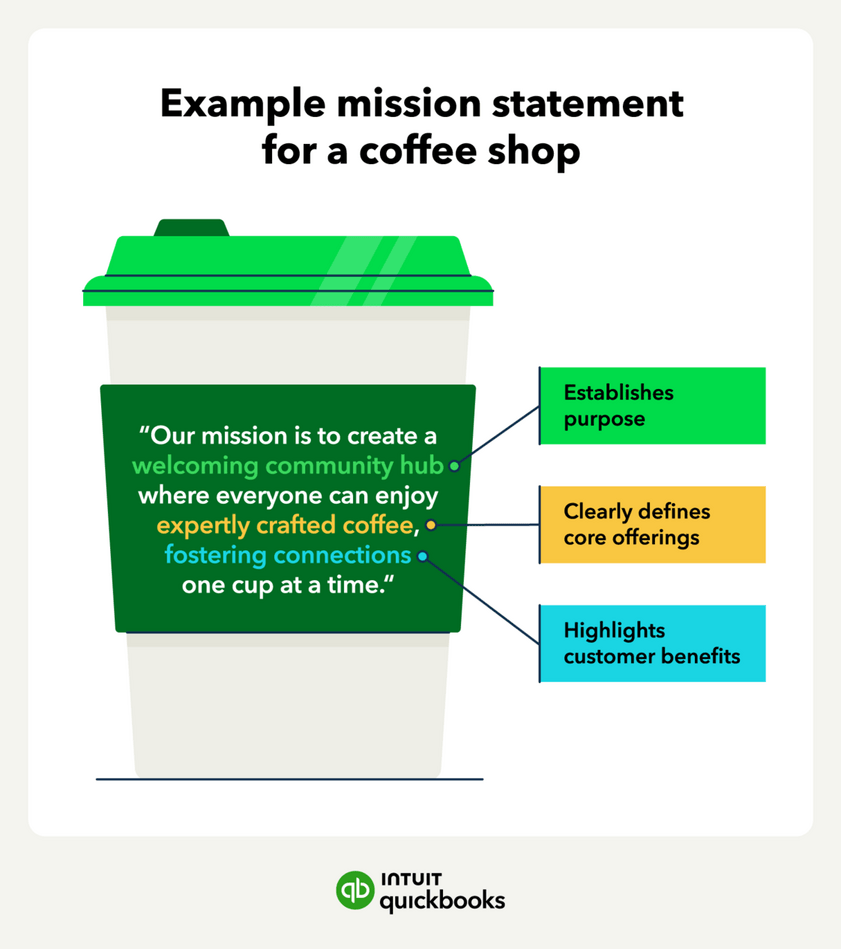
Once you’ve formed your vision for the future, it’s time to define your mission. With a mission statement, you can tell the world who you are as a business and introduce your long-term outlook. When crafting this statement, you’ll want to ensure it aligns with your growth ambitions and goals.

An infographic of a coffee shop mission statement example

Conduct a SWOT analysis

One way to evaluate the growth potential of your business is through SWOT analysis, which looks at:

SWOT analysis can give you insight into which internal and external factors you can leverage for growth and what areas you need to work on to mitigate future risks. 

For instance, a company with a loyal customer base could take advantage of new market trends and other opportunities to grow its business. Or a business with inefficient processes or supply chain issues might grow by focusing on strategies for solving these problems. 

Set SMART growth goals

Instead of setting vague goals for business growth, try defining clear goals using the SMART framework. 

  • Specific
  • Measurable
  • Achievable
  • Relevant
  • Time-bound

Developing trackable goals lets you take a more focused approach to growth and can help you stay motivated long-term. For example, set a goal like increasing market share or reducing operational costs. 

But remember to be realistic with your expectations. Setting too many goals or too-tight deadlines can leave you frustrated and disappointed when you aren’t able to achieve them.

2. Focus on customer acquisition and retention

You can't have a successful business without customers. That's why, when you're looking to grow, customers should be a core part of your growth plan.

Customer acquisition is all about gaining new customers, while customer retention focuses on keeping your existing customers engaged and loyal. Both are essential for sustainable growth.

Here are some ideas you can implement to help you attract new customers and keep existing customers happy:

Implement an effective marketing strategy

Is your current marketing strategy working as well as it could? The marketing world is constantly evolving, with new trends, changes in audience behavior, and platform updates to contend with. This is why it's important to know how your target audience (potential customers) is behaving and how you can best reach them. 

List a couple of new marketing channels to experiment with to optimize your strategy. You can use digital marketing tools, create content in the form of videos and articles, turn to social media to attract new customers, or try traditional advertising. Just be sure to closely track your results and tweak your strategy as needed. 

Optimize your sales process

In addition to advertising, you need to establish a clear and efficient sales funnel to turn initial prospects into satisfied customers. 

To improve your funnel: 

  1. Map out your current process
  2. Identify potential bottlenecks and areas that need improvement
  3. Implement strategies to improve your process 

From there, you can work on converting more potential customers into happy customers. 

Prioritize customer relationship management (CRM)

How your business communicates with its customers is crucial for attracting new customers and building a loyal customer base. This is where having a customer relationship management (CRM) system can help. 

CRM systems like Mailchimp allow businesses to manage and track customer interactions, from initial contact through purchase, and incorporate post-purchase engagement. Successful relationship management can help your business nurture potential leads, serve existing clients better, and drive business growth. 

3. Innovate and diversify your offerings

Change is necessary for growth. A business can stay competitive and drive growth by innovating and diversifying the products and services offered. Here are some tips on how you can diversify your business.

Introduce new products or services

One way to diversify your business is to offer new products and services. Expanding your product/service lines opens up new revenue streams for your business and can deepen the relationship with your customers.


note icon

In the Entrepreneurship in 2025 survey, 47% of entrepreneurs pointed to developing new products/services as driving business growth. 


Explore new markets

In addition to new product lines, it may be time for your business to explore new markets. This can involve targeting new demographic populations or exploring a move into new geographic regions. 

Researching potential new markets is key. This can give you a better idea of how your products and services might perform and which business marketing strategies would be best to implement.

As you expand your reach, you may also want to focus on market penetration. By combining development, which focuses on growing your customer base, and penetration, which focuses on growing your market share, your business will have balanced growth. 

An infographic comparing market development and market penetration

Embrace technological advancements

Diversification can also come in the form of adopting new technologies. For instance, embracing a new e-commerce platform can help businesses reach more customers. Or, utilizing automation can help a company enhance operations and expand reach to new customer segments (i.e., reaching customers that need volume).


note icon

95% of small businesses surveyed in the Small Business Index 2025 Annual Report use digital tools to help manage their business processes.


4. Build strategic partnerships

Collaborating with other businesses can help you stay competitive and grow your business. Not only can a partnership open doors to new customers, but it also helps you convert and retain them by providing access to additional products and services at no additional cost to you. 

Next up, we’ll look at the two most common types of partnerships: complementary business and affiliates.

Identify complementary businesses

Consider what other products or services your customers might be looking for. If another company offers these options and does not sell products or services that directly compete with yours, it might be a good fit for a partnership. Together, you can build a larger customer base, pool your resources, and grow your sales. 

Look for businesses that would be the best fit to parter with your business, and start reaching out. For example, a coffeeshop could partner with a local bakery to offer fresh pastries in addition to their fresh-brewed coffee. That partnership could generate more sales for both businesses. 

Leverage affiliate and referral programs

Word of mouth is still a solid strategy for growing your business. With affiliate and referral programs, you can incentivize happy customers to promote your business for you. 

  • Affiliate programs involve external sources promoting your products to their wider audience, typically through websites, blogs, or social media platforms. In return, they often earn a commission for each sale they make.
  • Referral programs encourage your existing customers to recommend your business to their network, like friends, family, and colleagues. These programs typically offer incentives to both the referrer and the referred new customer, like discounts or free products.

You can start with something simple, like offering free products and services or giving customers $10 for every referral. The goal is to expand the reach of your business and build your reputation. 


note icon

To get an idea of what you should offer in terms of affiliate or referral bonuses, check out what your competition is offering.


5. Optimize operations and efficiency

One of the easiest ways to grow your business and improve profits is to tackle operational inefficiencies. High material costs, supply chain issues, workplace inefficiency, etc., all hit your bottom line.

By streamlining your workflows and controlling your costs, you can save both money and time, which can be reinvested into growing your business.

Streamline workflows

Are there bottlenecks in your workflows or unnecessary redundancies in your processes? By identifying these issues and addressing them, you can save time, money, and frustration. 

For example, let’s say a business has an inventory system that is causing shipping delays and frequent cycle count issues. By updating their processes and/or inventory tracking software, they’ll be able to fulfill orders faster, reduce costly errors, and increase customer satisfaction.

Making a short list of the most crucial workflows to tackle is key. Try focusing on no more than two or three business processes that can be simplified, automated, or otherwise improved. 

Control costs

Every business has expenses, and keeping a close eye on them can help you save money and avoid costly setbacks. Perhaps it's time to shop around suppliers for better prices or add to your staff to reduce overtime expenses.

If you review your expenses regularly, it's often easier to spot cost-saving opportunities. Just be cautious; the goal is to control your costs, not compromise quality or growth potential. 

6. Secure funding for expansion

Often, business growth requires an influx of capital. Things like launching a new product line, moving to a bigger space, or purchasing a commercial vehicle all require significant capital. This is where funding is key. 

Let’s dive into how you can find and secure the financing you need. 

Explore different financing options

When it comes to financing growth, whether you need a small amount of capital or want to fund a major expansion, there are many business financing options available. 

You can also consider exploring small business grants, which offer non-repayable funds often targeted at specific industries or initiatives.

An infographic showing different types of business financing

From traditional loans to crowdfunding, choosing the best financing option takes careful consideration. Research factors like qualification criteria, financing terms, and more before you apply.

Prepare a strong business plan and financials

Before talking to lenders and applying for financing, you may want to get your financial documents in order. 

Many traditional business lenders require you to provide them with a solid business plan, including a clear vision and detailed financing projections. You may also need to provide supporting documents like profitability statements, balance sheets, and tax returns.

You can take the guesswork and frustration out of this preparation process by using a digital tool like QuickBooks that also brings the benefits of artificial intelligence. 

Introducing Intuit Assist

Your new generative AI-powered financial assistant. Intuit Assist handles administrative items on your to-do list, so you can focus on big picture growth.

7. Invest in your team

One critical business asset that is often overlooked is the employees. Well-trained and supported staff will be more motivated to help your business grow. Below, we’ll explore two ways you can improve the employee experience and foster business growth. 

Provide training and development

From the sales team to the warehouse workers, every employee contributes to the success of your business. This is why ensuring they are well-trained and supported in their positions is important. 

When reviewing your current business processes and practices, keep an eye out for any skill gaps in your current structure. Once identified, you can develop a training plan to close that gap. By upskilling your team, you’re not only improving productivity, you’re setting the foundation for future growth.

Foster a positive company culture

Elements like core company values, communication, and leadership have a big impact on your day-to-day operations and the overall employee experience. 

When a business has a strong, positive company culture, it can see higher employee retention and engagement, which is crucial for sustained business growth. 

Combat turnover with these 8 employee retention tips | Grow Your Business

You can also explore accounting solutions that have dedicated services to help you manage your employees. QuickBooks Payroll can help you automate payroll processes, track time worked, and give you access to a suite of employee benefits.

8. Leverage data and analytics

Are you hitting the milestones necessary for achieving your growth goals? Cold, hard facts from balance sheets, customer surveys, accounting software, and other sources will tell you. 

Your business data is crucial in helping you make informed decisions and fueling growth. Let’s take a look at some of the key metrics you’ll want to consider.

Track key performance indicators (KPIs)

Remember the SMART goals we talked about earlier? Well, KPIs are the measuring part of this strategy. You can have financial KPIs like revenue growth and cash flow, operational KPIs such as order fulfillment time and employee turnover rate, or strategic KPIs like customer satisfaction and website conversion rates. 

Pick KPIs that align with your growth goals and define a way to regularly track your progress. For example, monthly cash flow statements can help you measure your financial KPIs.

Analyze customer insights

Customers are central to your business, and understanding them is key to securing growth. By researching trends, behavior, and preferences, you can refine your marketing strategies. 

Analyze data like online reviews, surveys, customer feedback, and website stats. Then, plan out actionable steps to address any issues you find. 

For instance, if you see your customers reordering certain products every month, you can offer them order automation. Or you can use a simple customer survey to give you insight into what products, services, or features to launch next. It's also important to respond to negative reviews and feedback quickly to build trust. 

Monitor market trends

In addition to analyzing your customers, you’ll want to study your competitors and the market as a whole. By staying informed on industry changes, competitor activities, and market shifts, you can take a proactive approach and seize new opportunities as they come along 

For example, let's say a competitor is slashing their prices. You can begin taking steps now, like reducing your prices, launching new products/services, or setting your brand apart in quality.

9. Adapt and be agile

The business landscape is constantly evolving, and as a business owner, you have to change with it. Kodak famously stuck to film while other companies readily embraced digital technology, leaving Kodak far behind the competition, and eventually leading to bankruptcy. 

As the saying goes, if you don’t bend, you’ll break. Here are some strategies for keeping your business flexible. 

Embrace continuous learning

From technology and market trends to legislation, the business world is constantly in flux. To avoid stagnation, regular reviews of your growth strategies are needed. Plus regular research to help you make timely, informed decisions and course corrections. 

Foster a culture of experimentation

Encourage your staff to experiment to fuel innovation, growth, and adaptability. And try to support them as they try new approaches and acknowledge failure as a part of the process. You can even dedicate a part of your budget to experimentation. 


note icon

One of the best ways to foster a culture of experimentation is to lead by example. Show your staff you are open to new ideas and willing to accept calculated risks while celebrating both successes and failures. 


Aim for business growth with confidence

By implementing these business growth strategies, you can confidently approach the future. From adjusting your marketing budget to achieving a greater market share, having a solid growth plan in place can help you navigate the twists and turns you’ll encounter. 

Just as partnerships with complementary businesses can foster growth, so can collaboration with QuickBooks—accounting software that provides valuable insight into your business's financial health and helps you track progress toward your growth objectives. 


Recommended for you

Mail icon
Get the latest to your inbox
No Thanks

Get the latest to your inbox

Relevant resources to help start, run, and grow your business.

By clicking “Submit,” you agree to permit Intuit to contact you regarding QuickBooks and have read and acknowledge our Privacy Statement.

Thanks for subscribing.

Fresh business resources are headed your way!

Looking for something else?

QuickBooks

From big jobs to small tasks, we've got your business covered.

Firm of the Future

Topical articles and news from top pros and Intuit product experts.

QuickBooks Support

Get help with QuickBooks. Find articles, video tutorials, and more.