









Starting a business in Idaho is an exciting journey that allows you to create a path toward financial freedom and independence. Whether you're interested in manufacturing, agriculture, or retail, you have many opportunities to turn your dream into a reality, even if you're a new entrepreneur. In this guide, we’ll walk you through the 14 essential steps to launching your business in Idaho, from selecting the right industry to opening up a business bank account.
Get 50% OFF QuickBooks
for 3 months
for 3 months

Idaho
How to start a business in Idaho in 14 steps (2026 guide)
Why start a business in Idaho in 2026?
The Idaho Department of Commerce mentions that the state has one of the strongest economies in the country. Idaho consistently ranks high for job growth and has a balanced budget that keeps the economy stable. The state’s low taxes, including the second-lowest property taxes in the nation, create a favorable environment for entrepreneurs. Plus, Idaho is known for its business-friendly regulatory approach, which gives companies the freedom to grow without being bogged down by excessive red tape.
Here are the topics we’ll cover in this step-by-step guide:
- 14 steps to starting a business in Idaho
- Step 1: Decide what type of industry is best for your business
- Step 2: Conduct industry research
- Step 3: Create a business plan
- Step 4: Choose your business entity
- Step 5: Secure funds: Idaho small business funding, loans, and grants
- Step 6: Choose your Idaho business name and Idaho DBA
- Step 7: Pick a business location in Idaho
- Step 8: Find an Idaho registered agent
- Step 9: Get an Idaho EIN and file your tax and employer identification documents
- Step 10: Register as a small business in Idaho
- Step 11: Register for your business license and permits in Idaho
- Step 12: Secure insurance for your Idaho small business
- Step 13: Prepare to pay taxes on your business in Idaho
- Step 14: Set up your business bank account
- Additional resources to get your business started
- Frequently asked questions
14 steps to starting a business in Idaho
Launching a business is an exciting chapter in life, but it takes dedication and hard work to get to where you want to be. Whether you’re opening a farm-to-table restaurant in Boise, an outdoor gear shop in Coeur d’Alene, or a tech startup in Idaho Falls, the Gem State offers fertile ground for an inspiring entrepreneur like yourself. Below, we break down each step to starting a business in Idaho, as well as provide small business resources and insights tailored to the state.
Step 1: Decide what type of industry is best for your business
Research market trends and demands to identify gaps where your business may fulfill a need in Idaho. Consider your personal skills and interests as well as local economic trends to determine if the industry you've selected is ideal. You may also want to reach out to local chambers of commerce for guidance.
Need help brainstorming? Explore small business ideas to get the process started.
Step 2: Conduct research in your business's industry
Research the industry you want to work in. Learn more about the market size you'll be reaching in Idaho, conduct a competitive analysis, and discover the needs and wants of your target audience. Also, take time to consider which permits, licensing, and regulatory requirements will apply to you and your business. You can learn more about your requirements in Idaho by turning to the Idaho Department of Commerce and the Small Business Association (SBA).
Step 3: Create a business plan
Create a comprehensive business plan that details your company, marketing, financials, and mission statement.
A roadmap for your company's success, a business plan outlines your goals, strategies, and financial projections. It’s an important document that can help you secure funding, garner investor interest, and guide your decision-making.
A business plan typically includes the following sections:
- Executive Summary. Provide a high-level overview that summarizes the other sections of your plan.
- Company Description. Include your mission statement, company history, and goals.
- Market Research and Potential. Analyze your target market and industry trends.
- Competitive Analysis. Assess your competitors and how you stand apart.
- Products and Services. Clarify your offerings and their benefits.
- Marketing and Sales. Specify how you will attract and retain customers.
- Business Financials. Make financial projections, including income statements and cash flow forecasts.
- Management and Leadership. Include an overview of your team's expertise and experience.
- Funding Request. Detail your funding requirements and how you'll use the funds.
- Appendix. Add supporting documents and any info that could help investors conduct due diligence.
The more accurate and robust your business plan, the easier it will be for you to acquire loans, funding, and partnerships in the future. Use a free business plan template to get started. The Idaho Small Business Development Center (SBDC) is also a great resource that offers no-cost business consulting.
Step 4: Choose your business entity: Types of Idaho business entities
Choosing your business entity type is crucial, whether you're planning to run a local mom-and-pop shop or working to establish an international brand. The more familiar you become with standard business structure types in Idaho, the easier it will be for you to finalize your decision. These are the options you have in Idaho.
Sole proprietorship
This is simple, straightforward, and ideal for individuals who work alone and do not intend to hire employees.
Limited Liability Company (LLC)
This company structure provides financial and legal liability protection for business owners. LLC businesses combine the benefits of partnerships and standard corporations. Learn more about LLCs.
Partnerships
Idaho has three types of partnerships: general partnership, limited partnership (LP), and limited liability partnership (LLP). A general partnership divides responsibilities and liabilities evenly. A limited partnership includes both general and limited partners, with general partners typically absorbing more of the liability. A limited liability partnership provides personal financial and liability protection for all partners.
Corporation
Founding a corporation is standard and can provide business tax benefits while protecting you from personal liability or financial woes associated with your business venture. If you form an S corporation, profits can pass through your personal income without subjecting you to standard corporate rates.
Step 5: Secure funds: Idaho small business funding, loans, and grants
Determine how you’ll secure funds for your small business since starting a business in Idaho comes with various costs. First, you’ll encounter business registration fees, which can range from $25 to $45 for sole proprietors (ABN costs) and between $100 and $120 for those setting up an LLC or corporation. It’s a manageable start, but there are other expenses to consider, like licenses, permits, equipment, inventory, insurance, utilities, and rent. These costs can quickly add up, possibly reaching tens of thousands of dollars.
Take a look at some of these common funding options:
You should also explore Idaho-specific funding options, including:
State Trade Expansion Program (STEP)
The Idaho State Trade Expansion Program (STEP) offers small-business owners financial assistance when working with exports to international companies. The application process for STEP assistance, available online, requires detailed information regarding export plans, costs, and associated fees. You must submit these forms with your application, which you can do via Idaho Commerce's online portal: Budget and RFF 2in1, Self-Representation as Eligible Small Business, and Debarment and Suspension Certificate. You can also call 1-208-287-3164.
Community Development Block Grant (CDBG)
In Idaho, the Community Development Block Grant (CDBG) provides funding for business development and other community-centric projects. Incorporated counties and cities with a population under 50,000 may apply for Idaho's CDBG funds. The official Grant Resources page from the Idaho Commerce website provides annual updates regarding application and eligibility requirements. You can also learn more about the CDBG application process by contacting CDBG directly online or calling 208-334-2470.
Rural Community Investment Fund (RCIF)
If you are planning to build or develop your small Idaho business in a rural area, you may qualify for assistance from the Rural Community Investment Fund (RCIF). The RCIF supports economic opportunities and growth in rural areas throughout Idaho for businesses whose applications demonstrate the potential for economic income and future job creation. Rural cities in Idaho with a population under 25,000 or projects that have inherent benefits to rural areas may qualify for RCIF support. Contacting Idaho Commerce is highly recommended for all potential RCIF applicants. You can also contact Idaho's RCIF team directly by calling 208-334-2470.
Idaho Gem Grant
The Idaho Gem Grant is optimal for those who are starting small businesses in smaller communities that could use more retail options. Eligible applicants must reside or operate in a rural Idaho community with 10,000 residents or fewer. Calling the Idaho Commerce Grant team at 208-287-0780 before completing your application form online is highly recommended.
Electric Vehicle Charging Grants
In Idaho, state and federal grants are available for those who manage or invest in electric vehicle charging stations. State-run programs that may provide assistance for those in the EV industry include the Idaho Gem Grant and the Idaho EVSE Program. The Idaho NEVI Program is also available for those seeking funding for Electric Vehicle Infrastructure implementation. You can learn more about individual EV programs in Idaho online.
Step 6: Choose your Idaho business name and Idaho DBA
Select a suitable business name to establish your entity professionally and officially within the state and the nation. Your business name should be professional, unique, and reflect the products and services you’ll offer.
Reserve your business name
Research the Idaho Secretary of State's official website to make sure the name you want has not already been registered. You can complete the Name Reservation form for your new business name directly on the Idaho Secretary of State website and pay the nominal reservation fee online or via mail. Once you’ve selected and reserved your name, the reservation will be active for 120 days, allowing you to register your business during this time.
Filing an ABN (Assumed Business name)
When conducting business in Idaho, you'll need to select an ABN, or Assumed Business Name. This will ensure you are conducting business via your business entity rather than assuming personal financial and legal responsibilities associated with your decisions. Once you choose an ABN name, you can obtain the Certificate of Assumed Business Name from the Idaho Secretary of State website or locally in person. Submitting the form and paying the required fee will solidify your DBA registration in Idaho.
Step 7: Pick a business location in Idaho
Choose a location in Idaho to set up your small business. Take time to weigh your options because your location will impact everything from taxes to local licenses and permits to customer accessibility. If your business lends itself to it, you may consider running your business from home, which can allow you to save on overhead costs and take advantage of the home office deduction provided by the IRS.
If you want a separate physical location, compare prominent cities and locations in Idaho to help you determine which place is most attractive for your new venture.
Boise
Boise is known for its strong economy that focuses on healthcare, manufacturing, and technology. It’s also known for its quality of life, outdoor opportunities, sense of community, and plentiful business support from the Small Business Development Center and the Boise Metro Chamber of Commerce.
Idaho Falls
If you're interested in steady economic growth, community support, and an affordable cost of living, Idaho Falls might be the ideal location, especially if you're starting a business for the first time.
Coeur d'Alene
Coeur d'Alene is known for its beautiful surroundings and tourism industry, which are perfect for those who want to appeal to tourists and visitors in Idaho.
Step 8: Find an Idaho registered agent
Finding and hiring a registered agent is one of the quickest ways to streamline the process of establishing a business in Idaho. Working with a registered agent or official entity can assist you with processing legal documents and reviewing government notices. Registered agents may even be able to handle compliance-related paperwork, depending on the type of business you're building and the industry you represent in Idaho at the time. You can work with a professional registered agent or represent yourself instead. Self-representation is possible if you have a physical address in Idaho and are readily available to accept documents and conduct business during standard business hours.
Step 9: Get an Idaho EIN and file your tax and employer identification documents
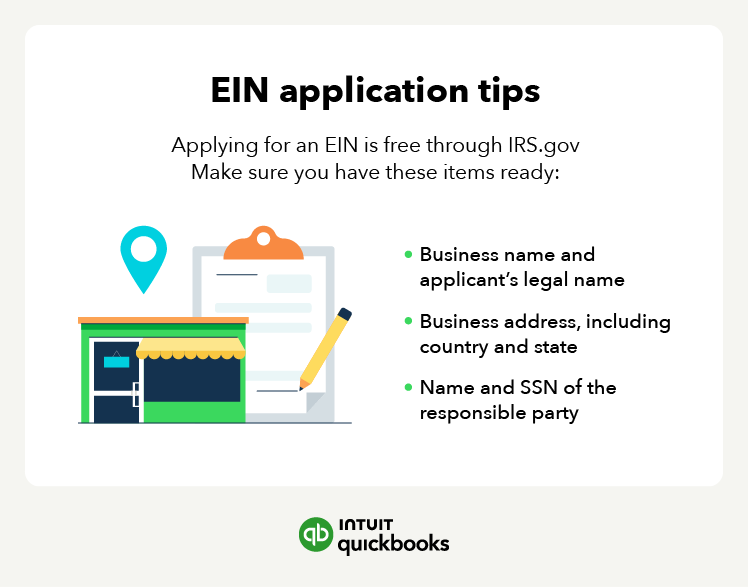
An EIN (Employer Identification Number) is a nine-digit number the IRS uses to identify your business for tax purposes. Although Idaho doesn't require a state EIN, you'll need one to file payroll taxes and federal tax returns, open a business bank account, and apply for loans. You can apply for a free EIN through the IRS website.
Step 10: Register as a small business in Idaho
Register your small business through the Idaho Secretary of State. Requirements and registration fees vary depending on your chosen business entity. Here’s what you need to know:
Step 11: Register for your Idaho business license and permits
Depending on your industry and location, you may need specific licenses or permits for your Idaho small business. Visit Idaho State & Federal Resources for Business for profession-specific information for licensing and permitting.
Do you need a business license in Idaho?
Currently, the State of Idaho does not require a general business license for all entities. However, if you’re planning to sell tangible goods and services while collecting sales tax, you will need to register for a seller's permit while in Idaho. Additionally, if you're planning to sell alcohol or tobacco, you'll need to do so by applying for an ABC, or an Alcohol Beverage Control license. Professional, local, and special permits may be required for those working with dangerous chemicals, food, and medicine, and even for those working as cosmetologists.
If you’re starting a business and unsure whether you have the right permits and licenses from the state and city, contact the Idaho Small Business Development Center for assistance.
Step 12: Secure insurance for your Idaho small business
Securing insurance for any business type in Idaho is essential to protect against potential risks ranging from lawsuits to fires and natural disasters. In Idaho, there are many different options when it comes to insurance. Understanding your choices can secure your future and the future of your latest investment.
Types of small business insurance in Idaho
The following are the most common types of business insurance:
Step 13: Prepare to pay taxes on your business in Idaho
Regardless of the type of business you create in Idaho, you will need to know how and when to pay taxes. Idaho imposes various types of tax laws, based on the type and size of your business.
Here are the frequent types of Idaho business taxes:
Corporate tax
The flat tax rate for corporations includes 5.695% for all businesses conducting business in the state itself.
Withholding tax
If you’re a business owner in Idaho who has employees, you will be required to withhold Idaho state tax, which is 5.695%.
Payroll taxes
Anyone with employees will need to take care of payroll taxes, including Federal Unemployment Taxes (FUTA), in addition to Social Security and Medicare taxes (FICA). Another way to manage payroll fairly and stay in compliance is to adhere to the Idaho overtime laws. Also, it's vital to stay on top of Idaho pay transparency laws to maintain further compliance and avoid detrimental consequences.
Unemployment insurance
Unemployment insurance tax (UI) will fund unemployment benefits for future workers or employees. For 2024, the rate for experienced employers ranges from 0.281% to 5.4%, while new employers receive a flat rate of 1.0%.
Other unique Idaho tax situations
Unique situations may involve selling specific goods, working with tobacco and alcohol, or exporting goods internationally.
Tax credits & incentives for Idaho employers
In Idaho, you may benefit from an Investment Tax Credit (ITC), research and development tax credit, or even a job creation tax credit. Workforce development training funds and new capital investment incentives are also available for qualifying businesses.
Federal taxes
In addition to state and local taxes, all businesses must pay applicable federal taxes, including:
- Federal income tax
- Self-employment tax (for sole proprietors and partners)
- Employment taxes (if you have employees), including the Federal Unemployment Tax Act (FUTA tax)
- Excise taxes (for certain industries)
To ensure you understand your federal tax obligations, check out these IRS resources: Publication 334, Tax Guide for Small Business and Publication 583, Taxpayers Starting a Business and Keeping Records.
Step 14: Set up your business bank account
Set up a small business bank account in Idaho. It streamlines the process of managing financial records, documents, and even tax filings. Follow these steps to open a small business bank account:
- Collect essential documents like your federal EIN (if you employ workers), business registration, and any required professional licenses.
- Research banks or credit unions, whether online, local, or brick-and-mortar, that provide business banking services in Kansas. Look for checking and savings accounts tailored to your business needs and focus on factors like minimum balance requirements, transaction fees, and electronic bill-pay options.
- Apply for a business credit card and use it for business-related expenses to start building your credit profile.
- Use accounting software to monitor your financial health, manage vendor payments, and track incoming invoices efficiently.
- Consider hiring a professional accountant to help with tax planning and compliance based on your business structure.
Additional resources to get your business started
There are several state and federal resources that can support your business with guidance, training, potential funding and more.
State resources
Idaho Small Business Development Center (SBDC): The Idaho SBDC offers no-cost business consulting and affordable workshops for small businesses and startups. They provide expertise in areas such as marketing, business planning, and financing.
Idaho Department of Commerce: This department is a key resource for Idaho businesses looking to grow or relocate. They provide various tools, programs, and incentives to support business expansion.
Idaho Workforce Development Council: This organization offers grants and resources for training programs to enhance workforce skills across industries in Idaho. They provide connections to training opportunities that can help your business stay competitive and ensure that your team has the latest industry skills.
Idaho Women’s Business Center: This center offers business counseling, training, and mentorship designed to help women-owned businesses thrive.
Federal resources
Small Business Administration (SBA): The SBA supports small businesses through various loan programs, including the 7(a) loan, provides resources for government contracting, and offers counseling and training programs to help entrepreneurs start and grow their businesses.
Grants.gov: This centralized platform simplifies the process of searching for and applying for federal grants across various sectors. It also provides grant writing tips and has a Grants Learning Center featuring the basics of grants, eligibility, and more.
Small Business Innovation Research (SBIR) and Small Business Technology Transfer (STTR): SBIR and STTR programs provide research and development funding to innovative tech companies.
SCORE: SCORE is a national nonprofit organization that partners with the U.S. Small Business Administration (SBA) to provide free mentoring and educational resources to entrepreneurs and small business owners. While not a direct federal agency, SCORE is an independent organization with a network of volunteer business mentors across the United States.
U.S. Department of Agriculture (USDA): The USDA website lists grants, loans, and other programs and resources for farmers and other businesses serving rural America.
Frequently asked questions
How long does it take to start a small business in Idaho?
Starting a small business in Idaho may require a few weeks for planning, and a few weeks to solidify the reservation and registration processes. LLCs and corporation filings may require 2-4 weeks to process, online and off.
How much does it cost to start a small business in Idaho?
Business registration fees will range from $25 to $50 for sole proprietors to between $100 and $120 for those interested in registering an LLC or standard corporation.
Do I need a local business license if I only operate online in Idaho?
You might still need a local business license in Idaho, even if your business is completely online. Check with the city or county where your business is based to confirm if a local business license is necessary.
Disclaimer:
This content is for information purposes only and information provided should not be considered legal, accounting, or tax advice, or a substitute for obtaining such advice specific to your business. Additional information and exceptions may apply. Applicable laws may vary by state or locality. No assurance is given that the information is comprehensive in its coverage or that it is suitable in dealing with a customer’s particular situation. Intuit Inc. does it have any responsibility for updating or revising any information presented herein. Accordingly, the information provided should not be relied upon as a substitute for independent research. Intuit Inc. cannot warrant that the material contained herein will continue to be accurate, nor that it is completely free of errors when published. Readers should verify statements before relying on them.
Recommended for you



Get the latest to your inbox
No ThanksLooking for something else?
Call Sales: 1-800-285-4854




