









Starting a business is an exciting journey that allows you to turn your passion into reality and contribute to Iowa’s thriving economy. Whether you’re launching a tech startup, opening a local boutique, or starting a family farm, Iowa offers a supportive environment with fertile opportunities for entrepreneurs. This guide will walk you through the 14 essential steps to start a business in Iowa, covering everything from selecting your business entity to securing funding.
Get 50% OFF QuickBooks
for 3 months
for 3 months

Iowa
How to start a business in Iowa in 14 steps (2026 guide)
Why start a business in Iowa in 2026?
Fertile plains, grassy bluffs, vibrant cities, rich cultural heritage, and a solid Midwestern work ethic are just a few of Iowa's defining characteristics. The state offers natural beauty, an affordable cost of living, low crime, and a strong economy. In fact, small businesses make up 99.2% of all businesses in the state, employing nearly 638,811 workers, or 45.9% of Iowa’s workforce. Industries like construction, professional services, and retail trade are prominent sectors in the state. Small businesses also contribute 15.7% of Iowa’s exports, valued at $2.3 billion.
Here are the topics we’ll cover in this step-by-step guide:
- 14 steps to starting a business in Iowa
- Step 1: Decide what type of industry is best for your business
- Step 2: Conduct industry research
- Step 3: Create a business plan
- Step 4: Choose your business entity: Types of business entities in Iowa
- Step 5: Secure funds: Iowa small business funding, loans, and grants
- Step 6: Choose your Iowa business name and Iowa DBA
- Step 7: Pick a business location in Iowa
- Step 8: Find an Iowa registered agent
- Step 9: Get an Iowa EIN and file your tax and employer identification documents
- Step 10: Register as a small business in Iowa
- Step 11: Register for your business license and permits in Iowa
- Step 12: Secure insurance for your Iowa small business
- Step 13: Prepare to pay taxes on your business in Iowa
- Step 14: Set up your business bank account
14 steps to starting a business in Iowa
Iowa goes well beyond the land of agriculture. You can also grow your small business dreams in the state’s fertile environment, whether you’re starting a small IT firm or a farm-to-table restaurant. We’ll walk you through 14 steps to starting a business in Iowa, as well as provide tailored insights and small business resources to help you get up and running.
Step 1. Decide what type of industry is best for your business
Discover what industry is best for your business. Agriculture may be a cornerstone of the state’s economy, but those off-the-farm skills will come in handy in the state, too. If you have an accounting degree and an idea for a consulting business, or you want to get into renewable energy and offer products that fill gaps in the sustainability industry, you’ll want to find a niche that matches your skillset.
Need help getting started? Explore small business ideas for inspiration.
Step 2. Conduct industry research
The best way to refine your business concept is to research the industry, assess your area of Iowa, and conduct a competitive analysis. Look at industry trends and forecasting in your target market, identify potential opportunities and challenges, and talk to other local small businesses to get their take on everything from tax implications and licensing to market opportunities.
Step 3. Create a business plan
A business plan is where you put your ideas into writing, honing them to create a longer-term outlook. Your business plan should include a detailed breakdown of your business concept, how you’ll secure funding, and how you’ll measure success. You can use this constantly evolving document to bring to financial backers and to create goals for your organization.
Include the following information in your business plan:
- Executive summary: Provide a snapshot of your business plan, summarizing key points like your mission, goals, and strategy.
- Company description: Highlight your company’s mission, background, and long-term objectives.
- Market research and potential: Examine your industry, identify target audiences, and explore current market trends and opportunities.
- Competitive analysis: Evaluate your competitors and outline what differentiates your business from others.
- Products and services: Describe what you’re offering and the benefits it brings to your customers.
- Marketing and sales: Outline the strategies you'll use to attract, convert, and retain customers.
- Business financials: Provide detailed financial projections, including revenue forecasts, expenses, and cash flow statements.
- Management and leadership: Introduce your team and detail their experience and expertise.
- Funding request: Specify how much capital you’ll need and how you’ll use it.
- Appendix: Add supporting documents and any info that could help investors conduct due diligence.
Your business plan is your roadmap to success, so be sure to take your time crafting each section. To get started, use a free business plan template and contact the Iowa Small Business Development Center.
Step 4. Choose your business entity: Types of business entities in Iowa
Anyone beginning an Iowa business needs to choose a business entity. These business structure types determine your business’ ownership, your taxes, and your personal liabilities. Here are common business entities in Iowa.
Sole proprietorship
A business owned and operated by one person, with no legal distinction between the owner and the business.
General partnership
A business owned by two or more people who share profits, losses, and management responsibilities.
Corporation
A legal entity separate from its owners, with shareholders who have limited liability for the company's debts and obligations.
Limited liability company (LLC)
A hybrid business structure combining the limited liability of a corporation with the tax flexibility of a partnership. Learn more about LLCs.
Step 5. Secure funds: Iowa small business funding, loans, and grants
So, you have an idea and a business plan for your Iowa entity. Now, you need startup costs. You should be prepared for a bare minimum startup cost of $100, but more realistically, starting your Iowa business will cost $1,000 to $5,000, depending on your overhead, inventory and equipment, professional licenses, office supplies, and more. Here are a few ways to secure funding:
You should also explore state-specific funding options, including:
Iowa Workforce Development
The Iowa Workforce Development’s Self-Employment Program provides technical and financial assistance to individuals with disabilities who want to start or purchase a business.
Targeted Small Business Program
If your business is majority-owned, operated, and managed by a disabled individual, service veteran, woman, or individual with minority status, you may be eligible for bid opportunities or bond waivers through Iowa’s Targeted Small Business Program.
Iowa Innovation Acceleration Fund
If you’re starting an Iowa-based company with innovative tech solutions in the bioscience, IT, or advanced manufacturing spheres, you may be eligible for the state’s Innovation Acceleration Fund.
Want to learn more about securing funding for your Iowa small business? Explore QuickBooks Capital’s term loans.
Step 6. Choose your Iowa business name and Iowa DBA
Choose a memorable, unique business name that reflects your business offerings. However, should you own an LLC under your legal name and want to sell products that more accurately reflect that particular sector of your business, you’ll also need to file a DBA or “Doing Business As.” In the state of Iowa, a DBA is referred to as a fictitious name, and you can file this online through the Secretary of State’s office. Let’s say you have a seed corn farm business and operate as Corn Growing Inc., but you want to sell popcorn as a separate branch of your business. In that case, you’d file a fictitious name, such as Farmer John’s Popcorn Company.
Reserve your business name
Reserve your business name if you have the following entities:
- Domestic and foreign cooperative association
- Domestic and foreign LLC or professional LLC
- Domestic and foreign LPs
- Domestic and foreign for-profit, nonprofit, and professional corporations
Trademarked names
Conduct a trademark search through the U.S. Patent and Trademark Office to ensure it hasn't been trademarked by another entity.
Step 7. Pick a business location in Iowa
No matter where you plan on working—from a leased office park, rented office space, or home to reduce overhead costs —you’ll need to choose the right location for your Iowa business. Why? Location impacts everything from customer accessibility to operational efficiency. Before choosing any location, rural or metropolitan, be sure to research municipal and county zoning ordinances, as well as city taxes, potential police jurisdiction taxes, and any licenses and permits you may require to operate. Here are a few additional considerations if you’re establishing a business in one of Iowa’s larger cities:
Des Moines
Des Moines has a strong, diverse workforce owing to industries that span insurance and finance, bioscience and agriculture, manufacturing and tech sectors, and health care and grocery. Compared to other Iowa locales, the capital city can have a higher cost of living and a more competitive business environment. The city boasts government institutions and universities, along with an excellent transportation infrastructure.
Cedar Rapids
Located on the eastern side of the state, Cedar Rapids has a lower cost of living compared to Des Moines. Aerospace, financial, insurance, and tech companies are a few of the big ones in the city. Parks, recreation centers, and a vibrant arts and cultural scene make Cedar Rapids a good family-friendly location.
Sioux City
Located on the Missouri River, Sioux City offers convenient transportation access and a lower cost of living than other Iowa cities. Agriculture, health care, and manufacturing rank high in the city’s industries.
Step 8. Find an Iowa registered agent
Iowa law mandates that all registered businesses in the state appoint a registered agent. This agent serves as the official point of contact for legal documents and important notices from the Iowa Secretary of State or other entities. You can act as your own registered agent, or you can hire another individual or professional service, provided you or they meet the following requirements:
- Iowa resident with a physical, non-P.O. box address in the state
- Over the age of 18
- Keeps regular business hours to accept documents and notices
Conduct an online search, ask other small businesses in your area, or appoint a trusted employee or yourself as a registered agent for your business entity.
Step 9. Get an Iowa EIN number and file your tax and employer identification documents
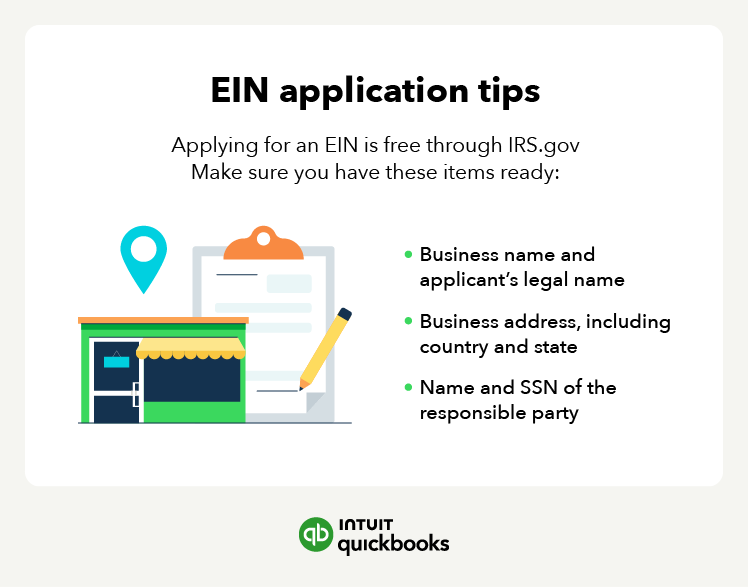
An EIN (Employer Identification Number) is a nine-digit number the IRS uses to identify your business for tax purposes. Although Iowa doesn't require a state EIN, you'll need one to file payroll taxes and federal tax returns, open a business bank account, and apply for loans. You can apply for a free EIN through the IRS website.
To manage your employee payroll fairly and stay in compliance, you must adhere to the Iowa overtime laws. And to establish fair labor practices and adhere to federal regulations, stay on top of the Iowa pay transparency laws.
Step 10. Register as a small business in Iowa
Once you’ve determined your business structure, you’ll need to potentially register your small business in Iowa. Here are some considerations when registering your Iowa organization, depending on your entity. You can find all forms and specific requirements for both domestic and foreign business structures on the Iowa Secretary of State’s website.
Step 11. Register for your business license and permits in Iowa
Businesses selling goods or services in Iowa might need to register for tax purposes with the Iowa Department of Revenue. Contact the state agency for your profession if you’re a contractor, electrician, hairdresser, accountant, or therapist to determine the licensing requirements for your new business. If you are selling alcohol at your establishment, you’ll need to obtain an ABC license. Any food-related businesses need permits from the Iowa Department of Inspections and Appeals.
Do you need a business license in Iowa?
Like many states, Iowa doesn’t have a general business permit or license requirement. If you’re unsure of your specific licensing requirements when starting a business, you can visit the Business License Information Center through the Iowa Economic Development website.
Step 12. Secure insurance for your Iowa small business
Setting up insurance is just one more step of many when beginning a business, but not purchasing insurance is one way to sink your new company in an instant. An employee injured on the job, the theft of your equipment, or a weather-related event that damages your roof can cause undue financial hardship, particularly for small business owners.
Types of small business insurance in Iowa
Here are common types of small business insurance in Iowa:
Reach out to your insurance agent to determine the types of coverage you need and whether you need additional coverage based on your profession.
Step 13. Prepare to pay taxes on your business in Iowa
Understanding the tax obligations for your Iowa small business is crucial for responsible financial management. Iowa boasts a relatively business-friendly tax environment compared to the national average, and the state has graduated individual income and corporate tax rates, which vary based on entity structure and business profits.
When forming your business, you’ll want to be aware of a few common taxes in the state. Keep in mind that you may be subject to other taxes depending on your industry and business structure type.
Sales and use taxes
In Iowa, sales taxes apply to tangible personal property, specific digital products, and taxable services at the time of sale. The use tax is usually collected after a sale takes place on goods and services where sales tax was not collected.
Corporate state income tax
Any corporation that does business in the state or that is incorporated, including LLCs with a C corp election and nonprofits, will pay Iowa corporate income taxes. The top corporate income tax rate is 5.5%.
Personal income tax
If you’re a pass-through entity—i.e., a sole proprietor, LLC, or general partnership—you’ll report your business taxes on your personal income tax return.
Withhold tax
If you have employees, you will withhold taxes from their pay and remit them to the Iowa Department of Revenue.
Unemployment insurance tax
If you’ve ever hired employees, you’ll be required to pay state unemployment insurance tax, which gives benefits to former workers who qualify for them. This holds for any business type that has employees.
Simplify your withholdings with QuickBooks Payroll.
Other unique Iowa tax situations
- The Pass-Through Entity Tax (PTET) is an optional tax in Iowa that allows certain pass-through entities to elect to pay a flat state income tax on their business profits, potentially reducing overall tax liability.
- The Cigarette & Tobacco Tax applies to businesses that sell any of these products.
- An Iowa Fuel Tax Inventory Return is required for any business that holds or sells fuel.
- If you operate a lodging establishment, you'll need to collect and pay a hotel and motel tax.
Federal taxes
In addition to state and local taxes, all businesses must pay applicable federal taxes, including:
- Federal income tax
- Self-employment tax (for sole proprietors and partners)
- Employment taxes (if you have employees), including the Federal Unemployment Tax Act (FUTA tax)
- Excise taxes (for certain industries)
To ensure you understand your federal tax obligations, check out these IRS resources: Publication 334, Tax Guide for Small Business and Publication 583, Taxpayers Starting a Business and Keeping Records.
Tax credits & incentives for Iowa employers
Iowa offers various tax credits and incentives to attract and support businesses within the state. If you’ve got agricultural land or wildlife habitat on your Iowa property, you may be able to apply for exemptions. The Iowa Military Service Property Tax Exemption reduces taxable property for veterans. Here are a few more tax credits for Iowa businesses:
- New Jobs Training Credit provides credit for small businesses that invest in training new employees.
- Research Activities Credit offers tax credits for qualified research and development activities.
- Investment Tax Credit provides tax credits for businesses that invest in qualified property in designated zones.
Step 14. Set up your business bank account
Any small business owner in the state of Iowa will need a bank account to keep finances separate from your personal account, even if you operate as a sole proprietor. Here’s how to open a business bank account:
- Gather any documentation, including your federal EIN, any Iowa business licenses or permits, and registration, to set up your bank account.
- Look for a bank, online or physical, or credit union that offers small business checking and savings accounts. Be sure to take factors into consideration, such as fees, minimum balance requirements, and loan offerings.
- Open a business credit card with a rewards program that benefits your business. You can open that card through your bank or an outside company to begin establishing credit.
- Choose the right accounting software for your business.
- Consider hiring a qualified accountant as your business grows. This professional can offer invaluable advice about everything from tax credits and exemptions to financial planning.
Frequently asked questions
Disclaimer:
This content is for information purposes only and information provided should not be considered legal, accounting or tax advice or a substitute for obtaining such advice specific to your business. Additional information and exceptions may apply. Applicable laws may vary by state or locality. No assurance is given that the information is comprehensive in its coverage or that it is suitable in dealing with a customer’s particular situation. Intuit Inc. does not have any responsibility for updating or revising any information presented herein. Accordingly, the information provided should not be relied upon as a substitute for independent research. Intuit Inc. cannot warrant that the material contained herein will continue to be accurate, nor that it is completely free of errors when published. Readers should verify statements before relying on them.
Recommended for you



Get the latest to your inbox
No ThanksLooking for something else?
Call Sales: 1-800-285-4854




