









Starting a business is an exciting and rewarding journey, and Mississippi offers several opportunities for aspiring entrepreneurs. Whether you're launching a bakery in Gulfport, a tech startup in Jackson, or a boutique in Hattiesburg, you can turn your vision into reality in the Magnolia State. This step-by-step guide will walk you through everything you need to know to start a business in Mississippi, from choosing the right business structure to securing funding.
Get 50% OFF QuickBooks
for 3 months
for 3 months

Mississippi
How to start a business in Mississippi in 14 steps (2025 guide)
Why start a business in Mississippi in 2025?
Mississippi is a state of striking contrasts, offering a unique blend of natural beauty and Southern charm. Pristine beaches stretch for miles along the Gulf Coast. Further inland, the rolling hills of the Mississippi Delta provide a picturesque backdrop for charming small towns like Natchez and Oxford, home to the University of Mississippi and a rich literary heritage.
The state's proactive approach to business development is evident through its competitive tax structure, offering substantial benefits to companies of all sizes. Lower labor costs compared to other regions provide additional financial advantages, enabling businesses to allocate resources effectively. Coupled with a pro-business culture that prioritizes support and collaboration, Mississippi is a great place for small businesses to grow. Our comprehensive guide walks you through the process of how to start a business in Mississippi.
Here are the topics we’ll cover in this step-by-step guide:
- 14 steps to starting a business in Mississippi
- Step 1: Decide what type of industry is best for your business
- Step 2: Conduct industry research
- Step 3: Create a business plan
- Step 4: Choose your business entity: Types of business entities in Mississippi
- Step 5: Secure funds: Mississippi small business funding, loans, and grants
- Step 6: Choose your Mississippi business name and Mississippi DBA
- Step 7: Pick a business location in Mississippi
- Step 8: Find a Mississippi registered agent
- Step 9: Get a Mississippi EIN and file your tax and employer identification documents
- Step 10: Register as a small business in Mississippi
- Step 11: Register for your business license and permits in Mississippi
- Step 12: Secure insurance for your Mississippi small business
- Step 13: Prepare to pay taxes on your business in Mississippi
- Step 14: Set up your business bank account
- Additional resources to get your business started
- Frequently asked questions
14 steps to starting a business in Mississippi
Whether you’re planning to open a small car repair shop outside of Natchez, or you’re relocating to Bay St. Louis to start an accounting or consulting business, the Mississippi is a thriving hub of small businesses and corporations. With the right preparation, tools, and small business resources, you’ll be set up for success in no time.
Step 1. Decide what type of industry is best for your business
Have a specific skill set you plan to offer to others? Or maybe you’re looking for new products to bring to your Mississippi community. When determining the industry right for you, consider your expertise, interest, and market demand in your area.
Need ideas to get you started? Explore various small business ideas and reach out to the Mississippi Small Business Development Center Network.
Step 2. Conduct industry research
Once you have chosen an industry, you’ll also need to understand the competitive landscape in which you plan to operate. If you want to start a tourism outfit in a rural part of the state or a small spa in the Natchez or Oxford areas, be sure to identify your target market, conduct a competitive analysis, and discover the unique potential you bring to your industry.
Step 3. Create a business plan
Craft a detailed business, which you’ll use as your road map to your success. This document should refine your business concept and structure, determine how you’ll secure funding, identify your target audience or market, and plan out financial goals.
Include the following information in your business plan:
- Executive summary: Summarize your business concept, key objectives, and what you aim to achieve.
- Company description: Highlight your company’s mission, background, and primary goals.
- Market research and potential: Examine your industry, target audience, and current market trends.
- Competitive analysis: Identify your competitors and explain how your business stands out.
- Products and services: Describe your products or services and their value to customers.
- Marketing and sales: Outline your approach to attracting and retaining your customer base.
- Business financials: Provide detailed financial projections, including expected revenues, expenses, and cash flow.
- Management and leadership: Introduce your team and highlight their expertise and experience.
- Funding request: Specify the funding you need and how you’ll use it
- Appendix: Include additional resources like market research, detailed financial data, or other relevant materials.
Take time to flesh out each section to ensure it’s clear and professional. To get started, use a free business plan template and reach out to the Mississippi Small Business Development Center.
Step 4. Choose your business entity: Types of business entities in Mississippi
Mississippi recognizes several business entity structures. Whichever you choose will offer varying degrees of liability protection and tax implications. Here are common business entities in Mississippi:
Sole proprietorship
A business owned and operated by one person, with no legal distinction between the owner and the business.
General partnership
A business owned by two or more people who share profits, losses, and management responsibilities.
Corporation
A legal entity separate from its owners, with shareholders who have limited liability for the company's debts and obligations.
Limited liability company (LLC)
A hybrid business structure combining the limited liability of a corporation with the tax flexibility of a partnership. Learn more about LLCs.
Step 5. Secure funds: Mississippi small business funding, loans, and grants
Getting the funds to launch or grow your small business is a crucial first step. Startup costs can vary widely depending on the type of business and industry. Expenses like registration fees, licenses and permits, equipment, inventory, leases, and marketing can easily reach tens of thousands of dollars, so you need to plan how you’ll secure capital. Fortunately, there are a number of financing options available from sources such as investors, banks, microlenders, and grants.
You should also consider Mississippi-specific funding sources, including:
Minority Business Micro Loan Program and the Minority Business Enterprise Loan Program
The Minority Business Micro Loan Program and the Minority Business Enterprise Loan Program both help minority entrepreneurs who are economically disadvantaged or women-owned entities that meet eligibility criteria.
Bulldog Angel Network
The Bulldog Angel Network offers Mississippi State University alumni the opportunity to gain access to investment deals.
Mississippi Seed Fund
The Mississippi Seed Fund offers loans and early-stage funding for tech and high-growth firms.
Step 6. Choose your Mississippi business name & Mississippi DBA
Your Mississippi business's name will shape its legal establishment and how customers perceive your products and services. You want something catchy but professional, memorable but original. And you need a name that’s unique and doesn’t interfere with any trademarked names. To determine name availability, search the Mississippi business name database.
If, however, you want to operate your ghost tour business in Natchez as Natchez Haunted Night Tours, LLC, but you want to sell homemade candles under “Natchez Haunted Night Candles” as an extension of your brand, you’ll need to file a fictitious business name. Also known as a DBA, or “Doing Business As” in other states, a fictitious name gives you the ability to further distinguish your products or services.
Reserve your business name
Reserve your business name online via the Mississippi Secretary of State once you’ve confirmed availability.
Filing a DBA (Doing Business As) or fictitious business name registration
File your fictitious business name form through the Mississippi Secretary of State website. While fictitious business name registration isn’t mandatory in the state of Mississippi, you may still want to file one to protect your name.
Step 7. Pick a business location in Mississippi
Whether you’re planning on starting a catering business out of your Toomsuba home or an IT LLC out of a coworking space in Laurel, you’ll need to plan your location carefully. For instance, many of Mississippi’s cities and counties require a local business license, you’ll want to also ensure your target market aligns with your community, and that your business has access to necessary infrastructure. You’ll also need to check zoning laws and obtain permits depending on your jurisdiction. If applicable, consider reducing costs like rent and utilities by running your business from home.
If you’re looking for space in a metropolitan area, you’ll want to keep the following considerations in mind:
Jackson
As the state capital, Jackson offers proximity to government offices, lobbying firms, and legal services. A focus on technology and health care makes the city a suitable location for related sectors. The overall cost of living remains low, and the location is easily accessible to neighboring states like Louisiana, Arkansas, Tennessee, and Alabama.
Gulfport
Situated on the Gulf of Mexico, Gulfport is a hub for international trade, logistics, and shipping. Tourism and seafood industries also thrive in this coastal community. Nearby military installations can create a customer base for sectors like intelligence, IT, and other government contractor positions.
Hattiesburg
Home to the University of Southern Mississippi, Hattiesburg has a strong education and research presence and a young talent pool. The up-and-coming city and low cost of living give Hattiesburg an edge for startups. Hattiesburg also has a strong manufacturing presence, with large businesses like Kohler and Georgia Pacific.
Step 8. Find a Mississippi registered agent
In the state of Mississippi, you can choose from registered agents and commercial registered agents. What’s the difference? According to the Mississippi Secretary of State, “A commercial registered agent may be any individual or entity which chooses to register with the Secretary of State and hold itself out as a registered agent for hire.” A noncommercial registered agent can be any corporation, LLC, or individual who meets certain requirements.
Both registered and commercial agents are individuals or services who accept legal and government notices on your behalf and pass them along. The only requirement for registered agents is that they have a physical address in Mississippi. You can find a registered agent by conducting an online search, appointing a trusted adviser, or asking other businesses who they use.
Step 9. Get a Mississippi EIN number and file your tax & employer identification documents
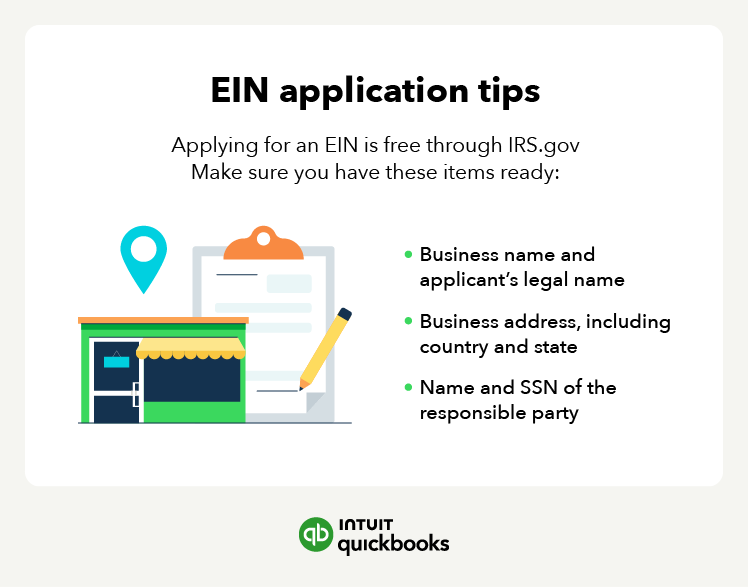
An EIN (Employer Identification Number) is a nine-digit number the IRS uses to identify your business for tax purposes. Although Mississippi doesn't require a state EIN, you'll need one to file payroll taxes and federal tax returns, open a business bank account, and apply for loans. You can apply for a free EIN through the IRS website.
Also, in order to manage payroll fairly and stay in compliance, make sure you stay on top of the Mississippi overtime laws and the Mississippi pay transparency laws.
Step 10. Register as a small business in Mississippi
You’ll need to register your Mississippi small business based on its structure. You’ll most likely need to file specific documents and pay a filing fee that varies depending on the entity via the Mississippi Secretary of State website. Here are the requirements:
Step 11. Register for your business license and permits in Mississippi
You’ve obtained all the necessary registrations for your business, but before you open your doors for business, you need to ensure you’ve obtained all the necessary licenses and permits in your county or municipality. If, for example, you want to start a business in downtown Laurel, you’ll need to check zoning ordinances and register for a state sales and use tax account. If you require a professional license for your hair salon in Petal or your Ocean Springs contracting business, you’ll have to apply through your industry’s professional licensing association. The Department of Health requires licenses for professions ranging from dieticians and hair braiders to speech pathologists and tattoo artists. If you’re a caterer, you’ll need a food permit, and if you plan to sell alcohol, you’ll need to obtain an ABC Permit. Farmers with large operations require a Commercial Farm Permit through the state.
Do you need a business license in Mississippi?
Mississippi does not require a state-wide business license, but check with your city, town, or county to ensure you have any needed licenses to operate within the area.
Step 12. Secure insurance for your Mississippi small business
Business insurance is an added expense when starting up, but it’s a safety net that protects your Mississippi company from financial losses due to unforeseen events.
Types of small business insurance in Mississippi
The most common types of coverage in Mississippi include:
Step 13. Prepare to pay taxes on your business in Mississippi
Mississippi has a favorable tax structure that gives both small businesses and larger corporations advantages. Here’s a breakdown of some of the taxes you’ll need to factor in when creating a business in the state.
You can find a full list of business taxes through the Mississippi Department of Revenue website. Here are some common taxes you may have to pay:
Corporate income tax
The Mississippi corporate income tax rate is graduated, from 4 to 5%.
Franchise tax
Any corporation doing business in Mississippi must pay an annual franchise tax for the privilege of doing business in the state. Current franchise tax rates are $1.25 per $1,000 of the value of capital employed.
Sales tax
If you’re selling tangible goods in the state, you’ll need to pay a portion of the sales or gross income. Current sales tax rates in Mississippi are 7%, and you’ll likely also incur local sales tax rates in your area as well.
Use tax
The use tax applies to personal property that you use, store, or consume within the state. You may be eligible for credits, however, if you’ve paid sales or use taxes in another state, too.
Withholding tax
If you have W-2 employees, you’ll need to withhold taxes from their paychecks and prepare to file withholding returns annually. QuickBooks Payroll can help you calculate taxes.
Tax credits & incentives for Mississippi employers
There are a number of tax credits and exemptions for Mississippi business owners. Here are just a few:
- Skills Training Income Tax Credit reduces an employer’s income tax liability provided they meet the required skills training and industry requirements.
- Mississippi Advantage Jobs Incentive Program provides cash rebate incentives for companies that bring significant economic development to the state.
- Research and Development Skills Tax Credit provides $1,000 credit for each employee hired with R&D skills.
Federal taxes
In addition to state and local taxes, all businesses must pay applicable federal taxes, including:
- Federal income tax
- Self-employment tax (for sole proprietors and partners)
- Employment taxes (if you have employees), including the Federal Unemployment Tax Act (FUTA tax)
Step 14. Set up your business bank account
Whether you’re starting a corporation in Meridian or a small LLC out of your home in Jackson, you’ll need to keep your personal and business finances separate. Here are some steps to take when organizing the finances for your Mississippi small business:
- Organize any business paperwork you’ll need to open a small business bank account. This may include a federal EIN, any professional licenses, and business registration.
- Shop around for a bank that suits your business needs, whether an online entity, traditional brick-and-mortar bank, or local credit union.
- Open a business credit card, and use it to pay for related expenses.
- Navigate everything from vendor payments to client invoicing with accounting software.
- Hire a professional accountant who can help you navigate taxes based on your business structure.
Additional resources to get your business started
There are several state and federal resources that can support your business with guidance, training, potential funding and more.
State resources
- Mississippi Development Authority (MDA): The MDA offers a variety of resources for business owners, including financial incentives, workforce training programs, and information about Mississippi’s tax advantages.
- Mississippi Small Business Development Center (SBDC): This statewide network provides no-cost consulting and low-cost workshops to help entrepreneurs with business planning, marketing strategies, and funding options.
- Mississippi Seed Fund: Administered by Innovate Mississippi, this fund provides loans and early-stage capital for technology-based startups and high-growth businesses in Mississippi.
- Mississippi Department of Revenue (DOR): The DOR provides resources and information on business taxes, including sales tax registration and withholding tax guidelines.
Federal resources
- Small Business Administration (SBA): The SBA supports small businesses through various loan programs, including the 7(a) loan, provides resources for government contracting, and offers counseling and training programs to help entrepreneurs start and grow their businesses.
- Grants.gov: This centralized platform simplifies the process of searching for and applying for federal grants across various sectors. It also provides grant writing tips and has a Grants Learning Center featuring the basics of grants, eligibility, and more.
- Small Business Innovation Research (SBIR) and Small Business Technology Transfer (STTR): SBIR and STTR programs provide research and development funding to innovative tech companies.
- SCORE: SCORE is a national nonprofit organization that partners with the U.S. Small Business Administration (SBA) to provide free mentoring and educational resources to entrepreneurs and small business owners. While not a direct federal agency, SCORE is an independent organization with a network of volunteer business mentors across the United States.
- U.S. Department of Agriculture (USDA): The USDA website lists grants, loans, and other programs and resources for farmers and other businesses serving rural America.
Frequently asked questions
Disclaimer:
This content is for information purposes only and information provided should not be considered legal, accounting or tax advice or a substitute for obtaining such advice specific to your business. Additional information and exceptions may apply. Applicable laws may vary by state or locality. No assurance is given that the information is comprehensive in its coverage or that it is suitable in dealing with a customer’s particular situation. Intuit Inc. does not have any responsibility for updating or revising any information presented herein. Accordingly, the information provided should not be relied upon as a substitute for independent research. Intuit Inc. cannot warrant that the material contained herein will continue to be accurate, nor that it is completely free of errors when published. Readers should verify statements before relying on them.
Recommended for you



Get the latest to your inbox
No ThanksLooking for something else?
Call Sales: 1-800-285-4854




