









With America’s densest population and proximity to several other major markets, opportunity is everywhere for small businesses in New Jersey. It’s an exciting time to become an entrepreneur in the Garden State. In this guide, we’ll cover the basics of business licenses, insurance, taxes, and all of the other key things to know before you start your small business in New Jersey.
Get 50% OFF QuickBooks
for 3 months
for 3 months

New Jersey
How to start a business in New Jersey in 14 steps (2025 Guide)
Why start a business in New Jersey in 2025?
Although New Jersey is commonly overlooked due to its close proximity to the world-renowned workplace hub of New York, it's actually a great place to open a small business. It has a diverse talent pool, a close proximity to major transportation routes, and a supportive environment for entrepreneurs. With so many opportunities available, New Jersey can be an ideal place to begin the exciting journey of small business entrepreneurship.
If you want to know how to start a business in New Jersey, we're going to take you through the process below.
Here are the topics that we’ll cover:
- 14 steps to starting a business in New Jersey
- Step 1: Decide what type of industry is best for your business
- Step 2: Conduct industry research
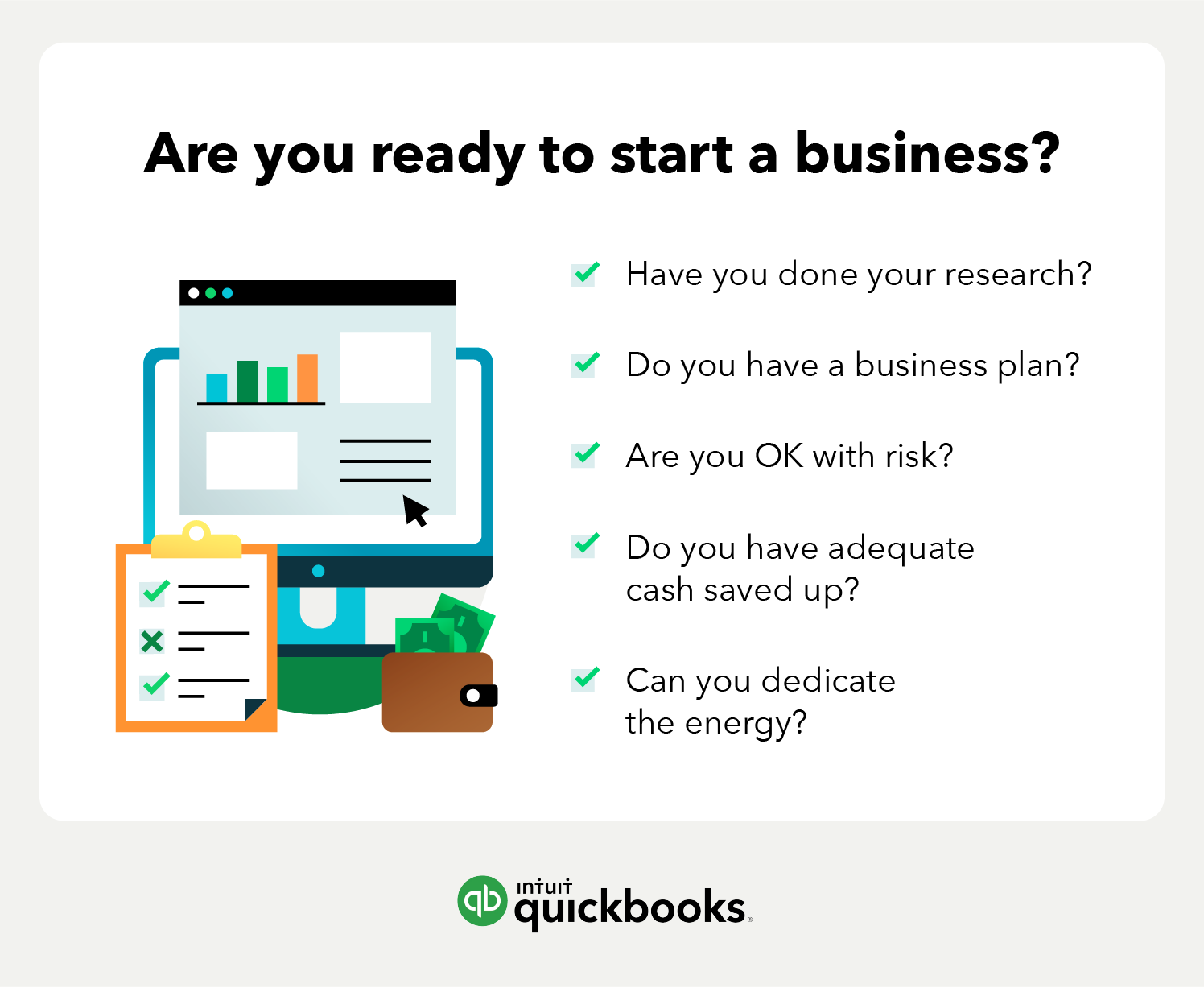
- Step 3: Create a business plan
- Step 4: Choose your business entity: Types of business entities in New Jersey
- Step 5: Secure funds: New Jersey small business funding, loans, and grants
- Step 6: Choose your New Jersey business name and New Jersey DBA
- Step 7: Pick a business location in New Jersey
- Step 8: Find a New Jersey registered agent
- Step 9: Get a New Jersey EIN and file your tax and employer identification documents
- Step 10: Register as a small business in New Jersey
- Step 11: Register for your business license and permits in New Jersey
- Step 12: Secure insurance for your New Jersey small business
- Step 13: Prepare to pay taxes on your business in New Jersey
- Step 14: Set up your business bank account
- Additional resources to get your business started
- Frequently asked questions
14 steps to starting a small business in New Jersey
When you decide to start a business in New Jersey, it's important to clearly outline your ideas and goals. Consider administrative items as well, like registering your business, getting the appropriate insurance coverage, and finding the small business resources that can help you get started. Below, we break down each step in the process, from refining your idea to setting up a foundation for growth.
Step 1. Decide what type of industry is best for your business
Determine the type of industry you want your business to be in. New Jersey is well known for its logistics, transportation, life science, and financial services businesses. Looking for inspiration? Check out some small business ideas to get your wheels turning.
Step 2. Conduct research in your business' industry
It's vital to understand how much of a target market is available for your industry in the state and where that market is located. That’s why conducting a competitive analysis and other market research should be one of the first steps when starting your business. Thorough research can help you choose an industry that will see continued growth in the future and is friendly for entrepreneurs; it will also give you an idea of who your potential competitors are and what they’re doing. Be mindful of New Jersey's stringent environmental regulations that can affect those in construction, manufacturing, and other similar industries.
Step 3. Create a business plan
Your business plan is going to be your guide along the entire creation and growth of your business for many years to come. It should outline your industry, company mission, financial projections, funding sources, target market, and so forth. This business plan will be necessary for most businesses to obtain funding, so you want to take the time now to make it as detailed as possible.
A strong business plan will typically include most or all of the following:
- Executive summary: Quickly summarize the basic concept and goals of your business.
- Company description: Establish your company’s mission and objectives.
- Market research and potential: Provide an analysis of your market and industry trends.
- Competitive analysis: Identify your main competitors and how you’ll compete with them.
- Products and services: Specify which products and services your business will offer.
- Marketing and sales: Discuss your strategies for reaching and retaining customers.
- Business financials: Create financial projections, including cash flow forecasts and income statements.
- Management and leadership: List key roles and team members who will fill them.
- Funding request: Detail how much funding you require and how you’ll spend it.
- Appendix: Be sure to include supporting documents like market research data or financial statements.
By providing important information and a clear set of goals, your business plan will help you attract investors and keep your operations on track. For a head start on your plan, check out some free business plan templates or see the State of New Jersey’s guide to creating a business plan.
Step 4. Choose your business entity: Types of business entities in New Jersey
The type of business entity that you choose to operate as will have a huge impact on how you do business, how you file taxes, and so forth. There are several types of business structures that you can choose from, and it pays to understand the differences between them to ensure you choose the most appropriate one for your new business.
Here’s a quick look at how the most common business structures work:
Sole proprietorship
A business owned and operated by one person, with no legal distinction between the owner and the business.
General partnership
A business owned by two or more people who share profits, losses, and management responsibilities.
Corporation
A legal entity separate from its owners, with shareholders who have limited liability for the company's debts and obligations.
Limited liability company (LLC)
A hybrid business structure combining the limited liability of a corporation with the tax flexibility of a partnership. Learn more about LLCs.
Step 5. Secure funds: New Jersey small business funding, loans, and grants
All small businesses will need funding to get started and grow. This funding can come from many sources, with some of the most common being small business loans, grants, SBA loans, and even self-funding. These are the major options every entrepreneur should consider:
These are some other resources that can provide assistance to New Jersey entrepreneurs looking for funding:
New Jersey Economic Development Authority (NJEDA)
The NJEDA focuses on financially supporting small businesses in an effort to boost sustainable and equitable economic growth for the state. NJEDA administers the Small Business Fund, which is specifically tailored to cater to New Jersey small businesses that make less than $3 million in revenue annually, as well as Small Business Improvement Grants that provide funding for small businesses in need of physical upgrades.
New Jersey Small Business Development Centers (NJSBDC)
The NJSBDC is a state organization that focuses on providing business advisory services and training to businesses in an effort to foster their growth and longevity in their community. Their business counseling services can help entrepreneurs navigate the start-up process and find the right funding for their ventures.
Step 6. Choose your New Jersey business name and New Jersey DBA
Pick a distinctive name for your business to boost your brand recognition—but make sure it accurately reflects your offerings and your industry. If you want to do business under a different name than your business's legal name, then you'll want to use a DBA (“Doing Business As”). This is particularly helpful for sole proprietorships where the legal business name may be your personal name.
Reserve your business name
Once you decide on a business name, it's time to ensure that no one else has it. Use the state’s Business Name Search tool to determine if the name is available. If your chosen business name is available, you can reserve it via the New Jersey state portal.
Filing a DBA (Doing Business As)
If you decide that you want a DBA, then you'll need to register the DBA via the State of New Jersey website. Once the name is registered, you can legally start using it. You'll also need to register this fictitious name with the New Jersey Division of Revenue and Enterprise Services. Most businesses will need to obtain an EIN from the IRS to register with this organization.
Step 7. Pick a business location in New Jersey
Your business’s location can have a major impact on your overall success, so choose carefully. A location that has a wide target market, healthy competition, and manageable zoning restrictions is a must. If you plan to run your business from your home to save money, make sure to check local laws to verify that businesses in your industry can operate from residential buildings. Here’s an overview of some of New Jersey’s top locations for new businesses.
Newark
- Proximity to Major Markets: Newark is right next door to major business markets like Philadelphia and New York City.
- High Population Density: Newark is the most densely populated city in the state, and New Jersey is the most densely populated state in the entire country.
Trenton
- Shop Local Activities: The Trenton government has actively been promoting a wealth of shop local activities to bring more customers to local businesses.
- New Business Assistance: This city offers a plethora of assistance to new area businesses, like plan reviews, business training, incentives, inspections, site selection, and even ribbon cutting.
Step 8. Find a New Jersey registered agent
A registered agent is a person who is legally able to accept legal documentation for a business and forward it in a timely fashion to the business owner. This registered agent must be available during normal business hours at their designated location. This agent can be a person or business. You can opt to be your own registered agent, you can designate a friend or family member with a local New Jersey address, or you can hire a professional firm. There are various professional registered agent services available online throughout the state of New Jersey.
Step 9. Get a New Jersey EIN and file your tax and Employer Identification documents
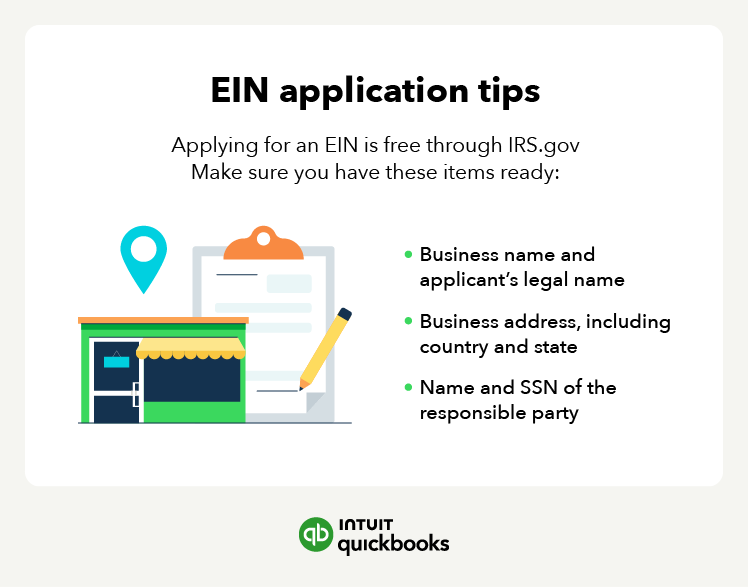
An EIN (Employer Identification Number) is a nine-digit number the IRS uses to identify your business for tax purposes. Although New Jersey doesn't require a state EIN, you'll need one to file payroll taxes and federal tax returns, open a business bank account, and apply for loans. You can apply for a free EIN through the IRS website.
To manage payroll fairly and maintain compliance, your business must follow New Jersey overtime requirements and this guide on pay transparency compliance in New Jersey.
Step 10. Register as a small business in New Jersey
All entities that want to conduct business within the state must legally register their business. Here are the basics of getting registered, according to which type of business entity you want to create:
Step 11. Register for your business license and permits in New Jersey
While New Jersey doesn't require any general business license to start a new business, it does have just under 650 industry-specific permitting and licensing requirements. For example, if you sell tangible goods, you'll need to obtain a seller's permit. If you intend to sell alcoholic beverages, you'll need an alcohol beverage control license. You can search for specific licensing requirements by industry on the New Jersey Consumer Affairs website.
Do you need a business license in New Jersey?
Whether or not you need a business license to start your business in New Jersey will be highly dependent on your industry and where you're located. Many professional service-based businesses, like accounting and legal firms, will need an operating license to legally conduct business within the state.
Step 12. Secure insurance for your New Jersey small business
When it comes to operating your business, insurance is necessary to help protect your business's overall financial well-being. There are many types of insurance policies that cover different parts of your business's operations. Some of these insurance policies are mandated by the NJ State Government, and some are optional.
Types of small business insurance in New Jersey
These are some of the most common types of insurance for small businesses in New Jersey:
Step 13: Prepare to pay taxes on your business in New Jersey
Businesses other than sole proprietorships and single-member LLCs must file their respective tax forms with the Division of Revenue and Enterprise Service. Knowing what tax forms to file is necessary so you can report your annual earnings and losses.
Corporations
Both business entities that are formed in New Jersey and those out-of-state must annually file a CBT-100 or CBT-100S.
Partnerships
Partnerships are required to file the NJ-1065 annually to report their income or losses. Any partnerships that withhold taxes for nonresident partners must file a NJ-CBT-1065 alongside the NJ-1065.
Sole proprietor
Instead of filing a business tax return, these entities must annually file an NJ-1040 or NJ-1040NR tax return and disclose any net profits they earned throughout the year.
Sales tax
All entities that offer taxable services and items must collect sales tax during normal business operations. They must remit these funds to the New Jersey Sales and Use Tax.
Unique tax structure
Just like most other states, New Jersey has some tax structures that are state specific. These include the Gross Income Tax and Corporation Business Tax.
Federal taxes
In addition to state and local taxes, all businesses must pay applicable federal taxes, including:
- Federal income tax
- Self-employment tax (for sole proprietors and partners)
- Employment taxes (if you have employees), including the Federal Unemployment Tax Act (FUTA tax)
- Excise taxes (for certain industries)
To ensure you understand your federal tax obligations, check out these IRS resources: Publication 334, Tax Guide for Small Business and Publication 583, Taxpayers Starting a Business and Keeping Records.
Tax credits and incentives for New Jersey businesses
Your business might also qualify for tax credits that could reduce your organization’s overall tax bill. Check out New Jersey’s complete list of business tax credits to see if your business qualifies.
Step 14. Set up your business bank account
As a business owner in New Jersey, you’ll need to open a separate business bank account to manage all your finances. Here’s how to get started:
- Collect all your business paperwork, including your EIN, business formation documents, registrations, permits, and licenses, to open your small business bank account.
- Choose a bank or credit union that offers products and services you need, whether loan offerings, checking, or high-yield savings accounts.
- Establish business credit using a bank credit card for business-related purchases and expenses.
- Set up your financial records by selecting the right accounting software for your organization.
- Hire a professional accountant well-versed in local tax codes and your industry to help with financial and other bookkeeping services.
Additional resources to get your business started
There are several state and federal resources that can support your business with guidance, training, potential funding, and more.
State resources
- New Jersey Small Business Development Center: This comprehensive resource center connects New Jersey business owners with funding opportunities, business counseling, and other essential services.
- New Jersey Business Action Center: The NJBAC offers business advocacy services to help New Jersey entrepreneurs navigate permits, applications, regulatory processes, and other state government functions.
- New Jersey Economic Development Authority: Through the NJEDA, you can apply for several convenient funding options for your New Jersey business, including loans, grants, and emergency relief funds.
- Center for Urban Entrepreneurship and Economic Development (CUEED): This Rutgers Business School program brings together academic and government resources to establish new opportunities for urban businesses.
Federal resources
- Small Business Administration (SBA): The SBA supports small businesses through various loan programs, including the 7(a) loan, provides resources for government contracting, and offers counseling and training programs to help entrepreneurs start and grow their businesses.
- Grants.gov: This centralized platform simplifies the process of searching for and applying for federal grants across various sectors. It also provides grant writing tips and has a Grants Learning Center featuring the basics of grants, eligibility, and more.
- Small Business Innovation Research (SBIR) and Small Business Technology Transfer (STTR): SBIR and STTR programs provide research and development funding to innovative tech companies.
- SCORE: SCORE is a national nonprofit organization that partners with the U.S. Small Business Administration (SBA) to provide free mentoring and educational resources to entrepreneurs and small business owners. While not a direct federal agency, SCORE is an independent organization with a network of volunteer business mentors across the United States.
- U.S. Department of Agriculture (USDA): The USDA website lists grants, loans, and other programs and resources for farmers and other businesses serving rural America.
Frequently asked questions
Disclaimer:
This content is for information purposes only and information provided should not be considered legal, accounting or tax advice or a substitute for obtaining such advice specific to your business. Additional information and exceptions may apply. Applicable laws may vary by state or locality. No assurance is given that the information is comprehensive in its coverage or that it is suitable in dealing with a customer’s particular situation. Intuit Inc. does not have any responsibility for updating or revising any information presented herein. Accordingly, the information provided should not be relied upon as a substitute for independent research. Intuit Inc. cannot warrant that the material contained herein will continue to be accurate, nor that it is completely free of errors when published. Readers should verify statements before relying on them.
Recommended for you



Get the latest to your inbox
No ThanksLooking for something else?
Call Sales: 1-800-285-4854




