









Realize your business vision in Pennsylvania. The Keystone State offers a dynamic landscape for entrepreneurs, whether you're a local innovator or new to the region. From Philadelphia's bustling startup scene to Pittsburgh's tech corridors, we'll guide you through what you need to know about business funding, registration, insurance, tax strategies, and more—specifically tailored for Pennsylvania entrepreneurs.
Get 50% OFF QuickBooks
for 3 months
for 3 months

Pennsylvania
How to start a business in Pennsylvania in 14 steps (2025 guide)
Why start a business in Pennsylvania in 2025?
With a diverse business environment ranging from populous metro areas less than two hours from New York City to idyllic small towns among rolling green hills, Pennsylvania offers an array of opportunities for entrepreneurs and small businesses. Pennsylvania has a multifaceted economy with industries like manufacturing, energy production, healthcare, and agriculture. And while starting a venture here can be more expensive than in some places, the state’s centralized location close to many major population centers provides access to a wide array of customers and clients.
Wondering how to start a business in Pennsylvania? Our small business guide will walk you through the steps.
Table of contents:
- 14 steps to starting a business in Pennsylvania
- Step 1: Decide what type of industry is best for your business
- Step 2: Conduct industry research
- Step 3: Create a business plan
- Step 4: Choose your business entity: Types of business entities in Pennsylvania
- Step 5: Secure funds: Pennsylvania small business funding, loans, and grants
- Step 6: Choose your Pennsylvania business name and Pennsylvania DBA
- Step 7: Pick a business location in Pennsylvania
- Step 8: Find a Pennsylvania registered agent
- Step 9: Get a Pennsylvania EIN and file your tax and employer identification documents
- Step 10: Register as a small business in Pennsylvania
- Step 11: Register for your business license and permits in Pennsylvania
- Step 12: Secure insurance for your Pennsylvania small business
- Step 13: Prepare to pay taxes on your business in Pennsylvania
- Step 14: Set up your business bank account
- Additional resources
- Frequently asked questions
14 steps to starting a business in Pennsylvania
Launching a business in Pennsylvania is a journey of innovation and opportunity. Our steps provide Pennsylvania-specific insights and small business resources designed to transform your entrepreneurial vision from concept to reality.
Step 1: Decide what type of industry is best for your business
When choosing the best industry for your Pennsylvania business, explore what aligns with your skills, interests, and local market demand. Pennsylvania’s thriving sectors include manufacturing, healthcare, and logistics. Consider your own areas of expertise, research local market trends, and identify any gaps your business could fill.
Unsure what kind of business to start? Begin by exploring a variety of small business ideas to spark inspiration.
Step 2: Conduct research in your business’ industry
Do your due diligence and research your desired industry. Pennsylvania's diverse economy spans key sectors including healthcare, manufacturing, agriculture, technology, and financial services. Evaluate how your business concept might fit into these industries. Look at local competition and area demographics. Analyze market trends, conduct a competitive analysis, and determine your unique service offerings or product propositions. Check out your local Pennsylvania Small Business Development Center (SBDC) for industry-leading databases and research tools.
Step 3: Create a business plan
Develop a business plan, which will be a foundation of your Pennsylvania business. This strategic document is your roadmap to success, outlining your goals, strategies, and financial projections. Use it to define your business concept, identify your target market, and secure funding to launch and grow your venture.
A comprehensive business plan typically includes the following key sections:
- Executive Summary: A brief snapshot of your business, outlining its purpose and goals.
- Company Description: An overview of your business mission, background, and long-term vision.
- Market Research and Analysis: Insights into your target audience and current industry trends.
- Competitive Overview: A review of your competitors and what sets your business apart.
- Products and Services: A detailed description of your offerings and their value to customers.
- Marketing and Sales Strategy: Your plan for attracting, engaging, and retaining customers.
- Financial Plan: Projections of your revenue, expenses, and cash flow.
- Management Team: Profiles of your leadership team and their qualifications.
- Funding Proposal: A clear outline of your funding requirements and intended use of the funds.
- Appendix: Supplementary materials like research findings, legal documents, or financial data.
A well-developed business plan can help guide your decision-making, so it is important to take your time when creating it. Use a free business plan template to get started. For no-cost and confidential business consulting, including help with business plan development, reach out to your local Pennsylvania Small Business Development Center.
Step 4: Choose your business entity: Types of business entities in Pennsylvania
Whether you’re going it alone or plan to create a more formal structure with shareholders, your business entity structure will determine how you pay taxes, the liabilities in your organization, and your business profitability and growth. Here are the main types of structures for Pennsylvania small businesses.
Sole Proprietorship
A business owned and operated by one person, with no legal distinction between the owner and the business.
General Partnership
A business owned by two or more people who share profits, losses, and management responsibilities.
Corporation
A legal entity separate from its owners, with shareholders who have limited liability for the company's debts and obligations.
Limited Liability Company (LLC)
A hybrid business structure combining the limited liability of a corporation with the tax flexibility of a partnership. Learn more about LLCs.
Step 5: Secure funds: Pennsylvania small business funding, loans, and grants
Establish how much money you need to start your business and get it up and running. While initial business registration fees can be minimal, that does not account for other essential expenses such as equipment, inventory, marketing, insurance, and operational costs. Your total startup costs will depend on your industry, business structure, and specific goals, so it’s important to create a detailed budget and funding plan to ensure you have adequate funds to sustain and grow your business. Here are some common funding options:
In addition to the above, explore these funding options available specifically in Pennsylvania:
Pennsylvania Department of Community & Economic Development (DCED) Programs
The Pennsylvania DCED offers a wide array of funding support for small businesses. Some of those include the Manufacturing PA Innovation Program and the Rural Jobs and Investment Tax Credit Program.
Regional Funding Options
A network of nonprofit economic development organizations, known as Certified Economic Development Organizations (CEDOs), partner with the Department of Community and Economic Development to provide financial assistance to local businesses. If you’d like to find out what kind of funding assistance is available in your locality, select the county in which your business is located from the dropdown menu on the
Community Development Financial Institutions (CDFIs)
The Pennsylvania CDFI Network is a collective of Pennsylvania-based community development financial institutions that primarily provide financing options for small businesses with a particular focus on supporting underserved communities. There are CDFIs operating in all 67 counties of the state.
Pennsylvania Microloan Lenders
Pennsylvania has a variety of microloan lenders who can specifically help fund startups, new businesses, or established businesses with limited resources with loans up to around $50,000. The SBA has a directory available of microlenders by state.
Pennsylvania Grant Watch
Grant Watch provides a comprehensive database of available grants for small businesses in Pennsylvania. Businesses can obtain grants for a variety of purposes, including to support capital investments, grants to support minority business owners, and grants to support startups in underserved communities.
Step 6: Choose your business name and Pennsylvania DBA
Give your business a name that reflects your brand identity and the products or services you offer. Select a unique, memorable name, and make sure it’s available for use and complies with the Pennsylvania’s business naming requirements. To confirm availability, conduct a business name search with the Pennsylvania Department of State.
Filing a fictitious business name (DBA)
Short for “Doing Business As,” a DBA gives you the ability to operate under a name different from your legal name. If you want to create a brand with a more descriptive name that represents your products, you can use a DBA to branch out in your business. You’ll need a DBA in Pennsylvania if you have multiple businesses under your sole proprietorship, general partnership, LLC, or corporation.
Register your Pennsylvania company’s legal names as well as any DBAs with the Department of State.
Step 7: Pick a business location in Pennsylvania
Before you settle on a space, it's important to do your research. Connect with your local municipality to understand the specific licensing and permitting requirements for your industry. If you're leaning towards a spot in a metropolitan area, here are a few factors to keep in mind:
Thinking of starting a tech company in Pittsburgh's booming tech scene? Or maybe you're envisioning a cozy coffee shop in Philadelphia's historic district? Whether you're drawn to the energy of a big city, the charm of a small town, or the comfort of your own home office to keep costs down, your location choice is a key ingredient in your business's recipe for success in Pennsylvania.
Philadelphia:
- Pennsylvania’s capital city is a major hub for finance, healthcare, and education, offering a large talent pool and access to international markets as well as the busy I-95 corridor.
- Philadelphia also offers access to large metro markets in adjacent New Jersey and New York City without the high cost of living or cost of doing business in those areas.
- To learn more about starting a new business in Philadelphia, visit the City of Philadelphia’s Business Services division or reach out to the Chamber of Commerce for Greater Philadelphia.
Pittsburgh:
- With its historically strong manufacturing sector and prosperous technology scene, the Steel City offers a lot of opportunities for entrepreneurs. Healthcare, life sciences, advanced research, and tourism and hospitality are also growing business sectors here.
- Pittsburgh has a strong university scene with access to a skilled workforce.
- Located in the midst of endless outdoor recreation opportunities in the Allegheny Mountains and a strong cultural and entertainment scene without the expense of many East Coast metro locations, Pittsburgh offers a high quality of life with a lower cost of living.
- You can access a variety of business resources within Pittsburgh’s growing entrepreneurial ecosystem through the City of Pittsburgh's Department of Innovation and Performance and the Pittsburgh Technology Council.
Allentown:
- A center for manufacturing and healthcare, Allentown offers a lower cost of living, tax breaks, and incentives for businesses while still being in proximity to larger metro areas.
- Allentown also has lower costs for doing business then Philadelphia or Pittsburgh, allowing you to reduce costs for office rents, employee wages, and other startup costs.
- For more information on starting a business in Allentown, reach out to the Allentown Office of Business Development.
Step 8: Find a Pennsylvania registered agent
Any business operating in Pennsylvania must have a registered agent, whether a professional service or an individual. Your registered agent acts as a point of contact for your business’ important state and legal mail.
Requirements of a registered agent include that they have a physical mailing address (not a P.O. Box or remote location) in the state. They’ll also need to keep regular business hours. You can only be your own registered agent in Pennsylvania if you are a sole proprietor, though you can appoint a trusted friend or family member as a registered agent as long as they meet the above requirements. You can opt to hire a Pennsylvania registered agent, also known as a commercial registered agent or commercial registered office provider. Professional services typically cost between $50 and $200 annually.
Step 9: Get a Pennsylvania EIN and file your tax and employer identification documents
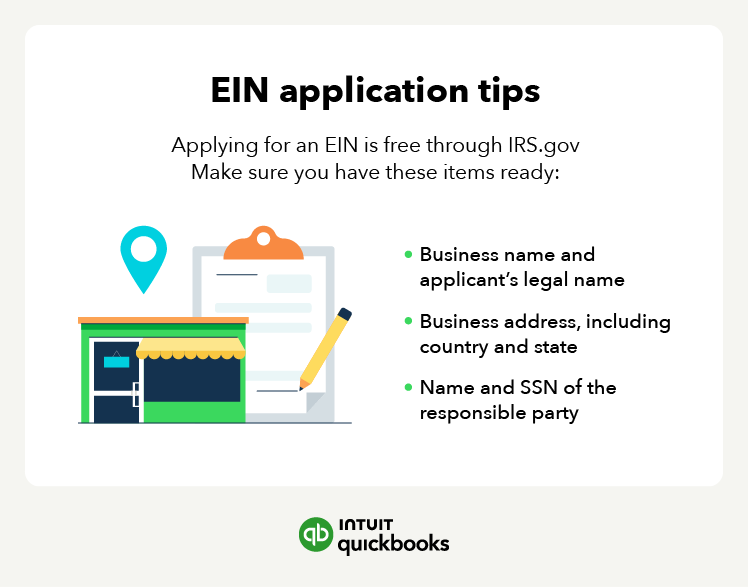
An EIN (Employer Identification Number) is a nine-digit number the IRS uses to identify your business for tax purposes. Although Pennsylvania doesn't require a state EIN, you'll need one to file payroll taxes and federal tax returns, open a business bank account, and apply for loans. You can apply for a free EIN through the IRS website.
To manage employee payroll fairly and keep your business in compliance, make sure you stay on top of the overtime pay rules in Pennsylvania and pay equity laws in Pennsylvania. And when it comes to the hiring process, missing one deadline can lead to serious consequences, so be sure to navigate this HR guide to hiring in Pennsylvania.
Step 10: Register as a small business in Pennsylvania
When you launch your Pennsylvania small business, you’ll need to register it with the Department of State according to the type of business structure you choose. Here are the requirements for registering sole proprietorships, partnerships, and corporations.
Step 11: Register for your business license and permits in Pennsylvania
Depending on your industry, you may need business licenses and permits for your Pennsylvania small business. If, for example, you’re opening a restaurant that serves alcohol, you’ll need an ABC license from the Pennsylvania Liquor Control Board, and various localities may require local licenses as well.
Do you need a business license in Pennsylvania?
While Pennsylvania does not have a blanket "business license" requirement, licensing will depend on your business's locality, industry, and the activities in which you engage. You should contact your local municipality about specific licensing requirements and consult the Pennsylvania Department of State's professional licensing boards for your profession. The Pennsylvania Department of Revenue
Examples of common licenses and permits in Pennsylvania:
Here are some of the most common licenses and permits required in Pennsylvania:
- Sellers permit: Seller's permit for those selling products where sales tax needs to be collected
- Zoning permit: Zoning permit for location and industry-specific activities
- Health department permit for food service businesses
- Building permit for renovations or modifications to your business location
- Alcohol Beverage Control (ABC) License for selling and serving alcoholic beverages
Step 12: Secure insurance for your Pennsylvania small business
Insurance helps you protect your Pennsylvania business from all kinds of unforeseen circumstances, whether its damage to your retail storefront following an extreme weather event or to safeguard your business assets in the event of a lawsuit.
Types of Pennsylvania small business insurance
The following are the primary types of business insurance:
Step 13: Prepare to pay taxes on your small business in Pennsylvania
Make sure you understand all your tax obligations as a small business owner in Pennsylvania, whether it's your obligation to pay payroll or sales taxes.
You’ll also need to register your Pennsylvania businesses with the Department of Revenue to receive a Business Tax Account Number. Depending on your business type, you might need to file additional state tax returns for sales and use tax or corporate net income tax, for example. For specific information on taxes you may owe and filing requirements within your industry or business type, visit the Pennsylvania Department of Revenue.
State income tax
Pennsylvania has a flat state income tax rate of 3.07% on taxable income.
Corporate net income tax
If you operate your business as a corporation, you’ll need to pay corporate net income tax in Pennsylvania. The state is currently undergoing a phased reduction. In 2025, it is 7.99% but will be decreasing in 0.5% increments each year until it reaches 4.99% by January 1, 2031. The state does not have a franchise tax.
Payroll taxes
If you have employees, you’ll be liable for payroll taxes, including state unemployment compensation and Pennsylvania withholding tax.
Federal taxes
In addition to state and local taxes, all businesses must pay applicable federal taxes, including:
- Federal income tax
- Self-employment tax (for sole proprietors and partners)
- Employment taxes (if you have employees), including the Federal Unemployment Tax Act (FUTA tax)
- Excise taxes (for certain industries)
To ensure you understand your federal tax obligations, check out these IRS resources: Publication 334, Tax Guide for Small Business and Publication 583, Taxpayers Starting a Business and Keeping Records.
Tax credits and incentives for Pennsylvania employers
Tax credits and incentives can help reduce your tax liability and free up funds to invest in your business growth and development. Pennsylvania offers a variety for small business owners, such as the following:
- The Job Creation Tax Credit offers a $1,000 tax credit per eligible job created.
- The Keystone Economic Development Zone (KEDZ) Tax Credit provides tax credits to businesses that locate or expand within designated Keystone Economic Development Zones, which target areas with a high need for economic revitalization.
- The Manufacturing Tax Credit provides tax relief for manufacturers who create new jobs or retain existing jobs in Pennsylvania.
Step 14: Set up your small business bank account
One of the first steps in starting a small business in Pennsylvania is opening a business bank account to keep your finances organized and separate from personal funds. This is important for tracking income and expenses, simplifying tax preparation, and establishing credibility with clients and vendors. Here’s how to get started:
- Collect all your business paperwork, including your EIN, business formation documents, registrations, permits, and licenses to open your small business bank account.
- Choose a bank or credit union that offers products and services you need, whether loan offerings, checking, or high-yield savings accounts.
- Establish business credit using a bank credit card for business-related purchases and expenses.
- Set up your financial records by selecting the right accounting software for your organization.
- Hire a professional accountant well-versed in local tax codes and your industry to help with financial and other bookkeeping services.
Additional resources
There are several state and federal resources that can support your business with guidance, training, potential funding and more.
State resources
- The Pennsylvania Department of Community and Economic Development (DCED). The DCED supports business growth with grants, loans, and programs like the Small Business Advantage Grant, PA-SSBCI, and Pennsylvania Global Access Program. It offers resources for diverse businesses, advisory services through the Pennsylvania Business One-Stop Shop, and focuses on revitalizing disadvantaged areas to foster economic growth and recovery.
- PA Business One-Stop Shop. The PA Business One-Stop Shop simplifies the business registration process, guiding aspiring entrepreneurs through the steps tailored to their specific business structure. It provides tools like a personalized registration checklist to ensure all legal and preliminary requirements are completed, helping new business owners get their ventures up and running efficiently.
- Pennsylvania Department of State. The Pennsylvania Department of State provides essential services to businesses, including registering business entities and maintaining business records. Within the Department of State, the Bureau of Corporations and Charitable Organizations specifically handles the registration and regulation of various business structures, such as corporations, LLCs, and partnerships.
- Pennsylvania Small Business Development Centers (SBDCs). The PA SBDCs are a network of 15 centers located throughout the state, providing free business consulting and low-cost training to entrepreneurs and small business owners.
Federal resources
- Small Business Administration (SBA): The SBA supports small businesses through various loan programs, including the 7(a) loan, provides resources for government contracting, and offers counseling and training programs to help entrepreneurs start and grow their businesses.
- Grants.gov: This centralized platform simplifies the process of searching for and applying for federal grants across various sectors. It also provides grant writing tips and has a Grants Learning Center featuring the basics of grants, eligibility, and more.
- Small Business Innovation Research (SBIR) and Small Business Technology Transfer (STTR): SBIR and STTR programs provide research and development funding to innovative tech companies.
- SCORE: SCORE is a national nonprofit organization that partners with the U.S. Small Business Administration (SBA) to provide free mentoring and educational resources to entrepreneurs and small business owners. While not a direct federal agency, SCORE is an independent organization with a network of volunteer business mentors across the United States.
- U.S. Department of Agriculture (USDA): The USDA website lists grants, loans, and other programs and resources for farmers and other businesses serving rural America.
Frequently asked questions
Disclaimer:
This content is for information purposes only and information provided should not be considered legal, accounting or tax advice or a substitute for obtaining such advice specific to your business. Additional information and exceptions may apply. Applicable laws may vary by state or locality. No assurance is given that the information is comprehensive in its coverage or that it is suitable in dealing with a customer’s particular situation. Intuit Inc. does not have any responsibility for updating or revising any information presented herein. Accordingly, the information provided should not be relied upon as a substitute for independent research. Intuit Inc. cannot warrant that the material contained herein will continue to be accurate, nor that it is completely free of errors when published. Readers should verify statements before relying on them.
Recommended for you



Get the latest to your inbox
No ThanksLooking for something else?
Call Sales: 1-800-285-4854




